A clay-kitchen cooking class beats another dinner. In Kandy, I love how this one hands you a knife, not just a spoon, and guides you through Sri Lankan rice-and-curry basics with Granny Nanti/Nandini and her family.
The hotel pickup idea is also smart, and it cuts the stress after a busy day in town. You get a welcome drink of tea or coffee, then a clear walk-through of spices and vegetables before cooking starts.
What I like most is the menu flexibility. You choose vegetables and curry direction, then the instructors tailor dishes to what’s fresh and to your preferences or dietary restrictions. You’ll also get enough cooking practice to feel like you could repeat it at home, not just enjoy a meal.
One possible drawback: this is a home-style, mostly rustic setup, so plan for a non-air-conditioned experience and a schedule that can run a bit long, especially if you include the market portion and end up lingering with the family.
In This Review
- Key things I’d plan for
- Hotel Pickup to Welcome Tea in Kandy City
- Market Visit Upgrade: Picking Ingredients Like a Local
- The Family Kitchen Setup: Clay Pots, Village Hills, Real Cooking
- Rice and Curry Basics You Can Actually Reuse at Home
- Choosing Your Own Menu: Veggies, Curries, and Dietary Needs
- What You’ll Cook and Eat: A Real Sri Lankan Meal Spread
- Timing and Logistics: How Long It Really Takes
- Price and Value: $25 That Feels Like More
- Who This Cooking Class Is Best For (and Who Might Skip)
- Should You Book It?
- FAQ
- How long is the cooking class in Kandy?
- Do I get hotel pickup?
- What’s included in the price?
- Can I choose what dishes or vegetables to cook?
- Is the market visit included?
- Is this a private tour?
- What dietary restrictions can you accommodate?
- Is alcohol included?
- What should I do if the weather is bad?
- When should I cancel for a full refund?
Key things I’d plan for
- Hands-on curries where you chop, stir, and learn technique, not just watch
- Spice and ingredient briefing so you understand what drives flavor
- Choose your vegetables and get dishes matched to the day’s market
- Optional market visit to see produce and spices up close
- Big included meals (lunch and dinner) with tea/coffee and bottled water
- Private, just-your-group class with a family-style vibe
Hotel Pickup to Welcome Tea in Kandy City
This experience starts simple: you’re in or near Kandy City Centre, then you connect with the team. The big practical win is that pickup from your hotel is offered, which saves you from hailing transport while you’re still figuring out directions.
After pickup, you get a welcome drink of tea or coffee. It’s not just a nicety. It buys you time to get oriented, especially if you’ve never cooked Sri Lankan food before. Then you move into the real prep: an overview of common spices and vegetables used in local cooking.
The format matters. Many cooking classes turn into a scripted show. Here, they set you up to actually participate by explaining what ingredients do and how the dishes come together. That means when it’s time to cook, you know what to look for—like the moment spices bloom or when a curry reaches the right balance.
You can also read our reviews of more tours and experiences in Kandy.
Market Visit Upgrade: Picking Ingredients Like a Local
If you upgrade to include the market, you’ll start with shopping before the cooking. This is one of the best ways to make the class stick in your mind, because you learn the ingredients first, then cook them right away.
Expect a maze of stalls focused on fresh produce and everyday pantry items. You’re there to pick vegetables and ingredients that match what you want to cook that day. And because dishes depend on what’s available and in season, the market changes what you can make.
This also helps you understand why Sri Lankan rice and curry tastes the way it does. It’s not only the spice blend. It’s the combination: the vegetable in the pot, the acidity and sweetness in a side like a chutney, and the crunchy contrast of things like papadums or sambol-style accompaniments.
One note to keep expectations realistic: the market portion is the part that can stretch the day. Plan some flexibility, especially if you’re trying to squeeze this between other Kandy sights.
The Family Kitchen Setup: Clay Pots, Village Hills, Real Cooking
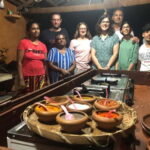
The cooking happens in a family home environment. Many classes like this happen in a commercial kitchen. This one leans into tradition, including a clay cooking setup that you’ll see in action.
That rustic kitchen style is part of the authenticity. It also affects comfort. You may not have the same climate-control you’d get in a hotel setting, so bring a calm attitude, not a demand for air-conditioning.
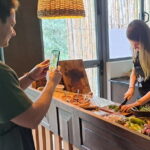
Then comes the fun part: you’ll get instruction and you’ll do the work. You cut and chop vegetables, you learn how to prepare curry bases, and you practice key steps under guidance. The instructors are there to correct your technique, explain what’s happening, and help you taste your way toward the right flavor.
In the hills above Kandy, the vibe is more like cooking with family than attending a class. You’ll likely chat, laugh, and get small pointers that make the food feel doable instead of mysterious.
Rice and Curry Basics You Can Actually Reuse at Home
The whole class centers on Sri Lankan rice and curry, which is the backbone of everyday meals. The value here isn’t only learning a list of dishes. It’s learning how the pieces work together.
You’ll start with an ingredient and spice orientation. That means you’re not guessing why your curry tastes flat or why one version feels richer than another. Then you practice techniques as you cook—so you learn the flow, not just the final plate.
Here’s what this approach gives you in practical terms:
- You build confidence because you handle the ingredients from start to finish.
- You understand flavor logic because you connect spices to steps.
- You get repeatable technique because you practice what changes between curries.
Sri Lankan cooking often leans hard on spice, coconut, and tempering-style flavoring. Even if the exact curries vary by day, the fundamentals of balancing heat, aromatics, and richness are the same. You’ll leave with a better sense of what to adjust when you cook later at home.
Choosing Your Own Menu: Veggies, Curries, and Dietary Needs
A big reason this class earns top ratings is control. You don’t have to eat only whatever’s on the menu board. You can choose what you want to cook.
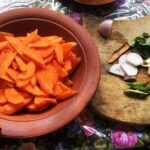
In practice, you’ll pick from a set of fresh local ingredients—often including vegetables people don’t always see back home. Based on daily offerings, that selection can include items like pumpkin, okra, eggplant, long beans, and other regional produce.
You can also influence curry choices. Some groups end up cooking multiple curries and sides, which means you learn the range of flavors within one meal. And if you have dietary preferences or restrictions, the dishes can be customized to fit.
That customization is where this class becomes more than a tourist activity. When you cook what you like, you’re more likely to remember the steps and reproduce the flavors later.
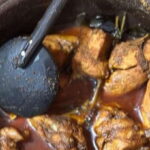
What You’ll Cook and Eat: A Real Sri Lankan Meal Spread
By the time you sit down, you’re not looking at a small appetizer plate. The experience includes lunch and dinner, plus tea or coffee and bottled water.
What you cook varies based on the market and what’s fresh. Still, the dishes you might see include classic curry options like chicken curry and egg curry, plus vegetable curries such as pumpkin curry, long bean-style dishes, and eggplant dishes that can be treated as special.
You may also make sides and accompaniments such as:
- a chutney (like mango chutney in some menus)
- papadums
- sambol-style additions
- tempered potato dishes
- dessert items such as coconut pancakes in some cases
Why this matters: Sri Lankan meals make sense as a set. Rice gives a neutral base. Curries bring heat and depth. Sides add brightness, crunch, and texture. Dessert closes the cycle with a coconut-forward sweetness.
And yes, you’ll taste everything as you go. That’s part of the learning—adjusting spice levels and seeing what different ingredients do.
Timing and Logistics: How Long It Really Takes
The tour duration is listed at about 3 hours 30 minutes. In real life, the length can stretch depending on whether you include the market portion and how your group moves.
One practical tip: treat this as a half-day commitment, not a quick add-on. Even with a shorter timeline, you’ll be doing chopping, cooking steps, tasting, and then eating a full meal.
Pickup helps, but transport details can vary. The experience includes pickup from your hotel (offered), yet private transportation isn’t included. In some cases, the team may arrange a tuk-tuk to reach the home location and handle the route. It’s wise to ask what’s covered for any extra ride components you might take between stops.
Also, since the experience requires good weather, keep an eye on local conditions. If weather ruins the plan, you’ll be offered a different date or a refund.
Price and Value: $25 That Feels Like More
At $25 per person, this class is priced like a budget-friendly activity. But the value is bigger than the sticker price because you get several things at once:
- instruction and hands-on practice
- a spice and ingredient orientation
- lunch plus dinner
- drinks and bottled water
- and, if you upgrade, a market visit that teaches ingredients before cooking
Most food experiences in Kandy cost more than this just for a meal. Here, the meal becomes part of the lesson, and the lesson becomes part of your future cooking.
There’s one more value angle: it’s a private, just-your-group class. That matters if you’re traveling as a couple, small family, or friends who want attention without competing for space in a group setting.
Who This Cooking Class Is Best For (and Who Might Skip)
This is ideal if you:
- want real Sri Lankan technique, not a quick tourist tasting
- like hands-on cooking and learning ingredients
- enjoy market-style shopping where you pick what you cook
- want a family-home feeling outside the city center bustle
It may be less ideal if you:
- want fully air-conditioned comfort the entire time
- dislike going off the main tourist route into a more rustic village setting
- need an extremely strict schedule with no chance of running later
If you fall into the practical middle—happy to get your hands a little messy and learn—you’ll likely have a great time.
Should You Book It?
I’d book this if you want to leave Kandy with a skill, not only photos. The combo of spice orientation, hands-on curries, and a big included meal makes it a strong value. And when you can choose vegetables and curry direction, the food ends up feeling personal instead of generic.
On the decision edge, here’s how I’d choose:
- If you’re a foodie who likes cooking practice: book it, ideally with the market upgrade if your schedule can flex.
- If you’re short on time and want only a simple meal: consider whether the market portion is worth the extra time for you.
Bottom line: a cooking class run from a real family kitchen is one of the best ways to understand Sri Lankan food quickly—and remember it long after you leave Kandy.
FAQ
How long is the cooking class in Kandy?
It runs for about 3 hours 30 minutes (approx.). If you choose the optional market visit upgrade, your day may feel longer.
Do I get hotel pickup?
Pickup from your hotel is offered. The activity starts at Kandy City Centre and ends back at the meeting point.
What’s included in the price?
The class includes lunch and dinner, coffee and/or tea, and bottled water.
Can I choose what dishes or vegetables to cook?
Yes. You can choose what to cook as curries and you can cut and chop vegetables. The exact dishes can change based on what’s fresh in the market and on your preferences or dietary restrictions.
Is the market visit included?
A market visit is available as an upgrade. Without that upgrade, the class focuses on cooking at the host location after pickup and drinks.
Is this a private tour?
Yes. It’s a private tour or activity, so only your group participates.
What dietary restrictions can you accommodate?
The dishes are customizable based on preferences and dietary restrictions, so you can request what works for you.
Is alcohol included?
Alcoholic beverages are not included.
What should I do if the weather is bad?
The experience requires good weather. If it’s canceled due to poor weather, you’ll be offered a different date or a full refund.
When should I cancel for a full refund?
You can cancel up to 24 hours in advance for a full refund. Less than 24 hours before the start time isn’t refundable.