REVIEW · HANOI
Hanoi Cooking Class Learning 5 Dishes including Banh Xeo
Book on Viator →Operated by Apron Up Cooking Class · Bookable on Viator
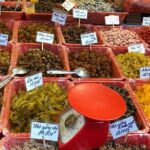
Cooking Vietnam starts at the market.
This Hanoi class pairs a market run at the city’s biggest produce market with a hands-on lesson where you cook five dishes, including the iconic banh xeo. It is an easy way to understand Vietnamese flavors beyond ordering off a menu.
I especially like that the food is practical and teachable, not a rushed performance. You get a full meal (plus coffee and sometimes Vietnamese rice liquor), and you walk away with a vegetarian menu option you can actually cook again at home—recipe booklet and certificate included. One thing to consider: there’s no hotel pickup, so you’ll need to reach 8 P. Gia Ngư, Hàng Bạc, Hoàn Kiếm on your own.
In This Review
- Key things I think you’ll care about
- Why this class begins at Hanoi’s biggest produce market
- The 3.5-hour flow (and how to plan your time)
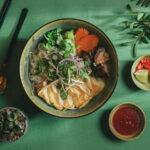
- The five dishes you’ll learn, dish-by-dish
- Banh xeo (sizzling pancake with beef and prawn)
- Bun suon chua (pork rib noodle soup)
- Pho cuon (beef fresh spring roll)
- Nom ga hoa chuoi (chicken and banana blossom salad)
- Kem chuoi / Café trung (banana ice cream or egg coffee)
- Vegetarian menu: more than a swap
- What you eat, and the coffee or Vietnamese rice liquor moment
- Guides make the class feel fun, not stressful
- Price and value: does $50 feel fair in Hanoi?
- Practical tips before you go
- Who should book this class (and who might not)
- Should you book it?
- FAQ
- How long is the Hanoi cooking class?
- How much does it cost?
- Where does the experience start and end?
- What’s included in the price?
- Is hotel pickup included?
- How big is the group?
- Do you offer vegetarian options?
- What dishes are included on the menu?
- Is Vietnamese rice liquor included, and is there an age limit?
- Can I cancel for a full refund?
Key things I think you’ll care about
- Market first, cooking second so you learn what ingredients matter, not just what to add
- A menu of 5 dishes with clear learning moments from sizzling banh xeo to noodle soup
- Vegetarian versions are real (including vegetarian banh xeo and a full meal structure)
- Small group size (max 15) keeps the class interactive
- Recipe booklet + certificate means you leave with something tangible, not just photos
- Coffee and tea included with optional Vietnamese rice liquor for those 18+
Why this class begins at Hanoi’s biggest produce market
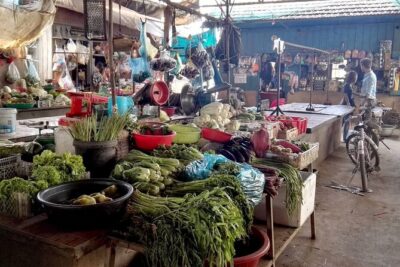
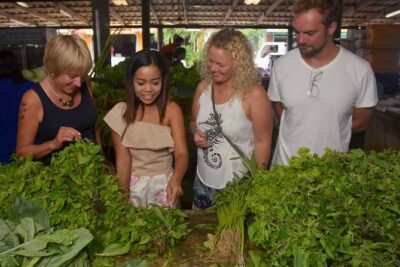
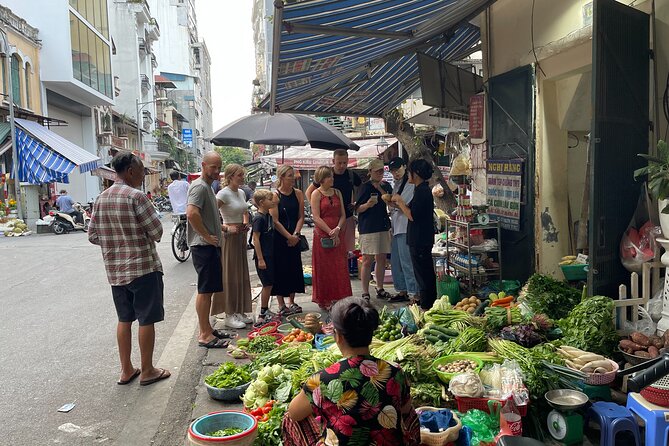
The smartest part of this experience is the order of operations: you shop first, then you cook. You start at a central meeting point near Hoàn Kiếm (8 P. Gia Ngư, Hàng Bạc, Hoàn Kiếm), and your guide takes you to Hanoi’s biggest produce market. That setting matters because Vietnamese cooking is ingredient-driven. Fresh herbs, crunchy greens, and the right sauces make a huge difference.
You’ll be looking for produce and cooking basics you’ll use in your five-dish menu. Think of it like learning the “why” before the “how.” When you’re later making dishes like fresh spring rolls and banana blossom salad, you’ll already know what the ingredients are and what they should taste like.
I also like that the experience is built for real schedules. You can choose a morning or afternoon slot, so you can fit it around walking Old Quarter streets, visiting museums, or just surviving Hanoi traffic without feeling like your day got hijacked.
You can also read our reviews of more tours and experiences in Hanoi.
The 3.5-hour flow (and how to plan your time)
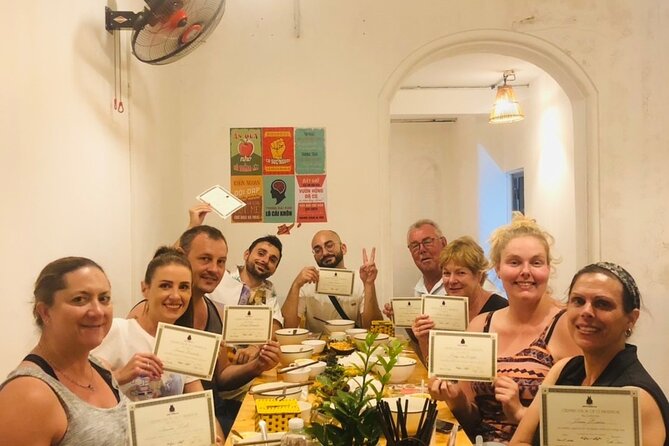
The class runs about 3 hours 30 minutes, and it ends back at the meeting point. That makes it easy to plug into your day without a lot of mystery about where you’ll be when you finish.
Here’s the practical rhythm you can expect:
- Start at 8 P. Gia Ngư, Hàng Bạc
- Shop with your local guide at the market
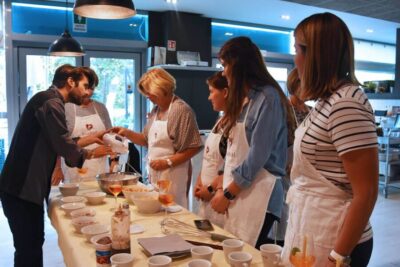
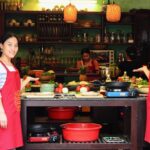
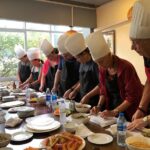
- Return to the cooking area and work through your lesson menu
- Eat together once your dishes are done
- Leave with a recipe booklet and certificate
Because there’s no hotel pickup or drop-off, you’ll want to give yourself a little buffer for getting there. The location is near public transportation, which helps, and you’ll have a mobile ticket for entry. If you’re prone to losing track of time in Hanoi’s streets (it happens), plan to arrive a few minutes early so you don’t start frazzled.
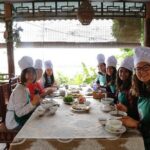
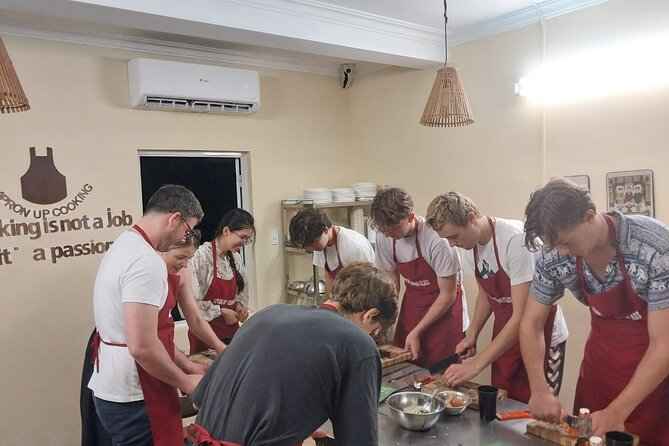
One more thing to note: the class is capped at 15 travelers. That’s not just a comfort detail. Smaller groups tend to mean you get more hands-on instruction and fewer long waits while someone explains how to chop the same vegetable for the fifth person in line.
The five dishes you’ll learn, dish-by-dish
This class teaches a five-dish menu, and it’s not random. Each dish builds a different skill set—sautéing, rolling, balancing herbs, and making creamy or cooling finishes.
Banh xeo (sizzling pancake with beef and prawn)
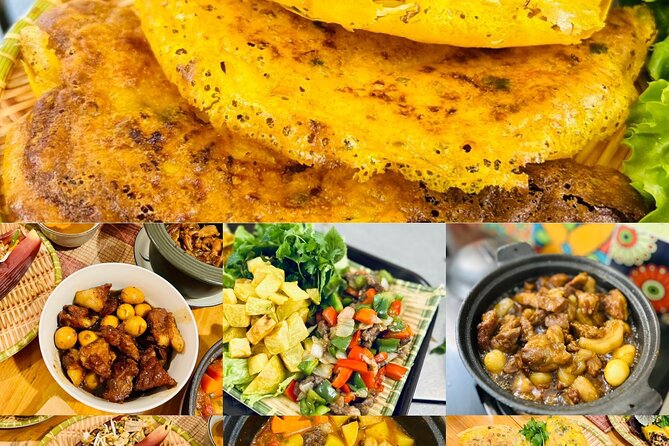
Banh xeo is the headline dish for a reason: it’s part pancake, part savory crepe, and part texture lesson. In the non-vegetarian menu it’s made with beef and prawn, and vegetarians learn a version that matches the idea of the dish without meat.
What you’re really learning here is timing and heat control. The pancake is designed to be sizzling and crisp, so the cooking technique matters. Even if you’ve eaten banh xeo before, learning how it comes together makes it easier to judge what’s good when you’re trying it in restaurants later.
Bun suon chua (pork rib noodle soup)
This is comfort in a bowl. Bun suon chua pairs rich flavor with tangy notes, and it teaches you how Vietnamese sauces and aromatics come together into something you’d recognize instantly once you’ve tasted them.
For many people, noodle soups are the hardest to replicate at home because they depend on balance, not just ingredients. In this class, you’ll get that balance taught directly rather than guessing.
Pho cuon (beef fresh spring roll)
Pho cuon is a fresh roll that looks delicate but has clear structure. It combines herbs and filling with a soft wrapper that you need to handle carefully.
This dish is great for learning because you’ll see how Vietnamese flavors layer: herbs provide freshness, sauces provide depth, and the filling needs to be sized right so the roll works without falling apart. It’s also a dish that translates well to home cooking because you can adjust herbs and fillings to your taste.
Nom ga hoa chuoi (chicken and banana blossom salad)
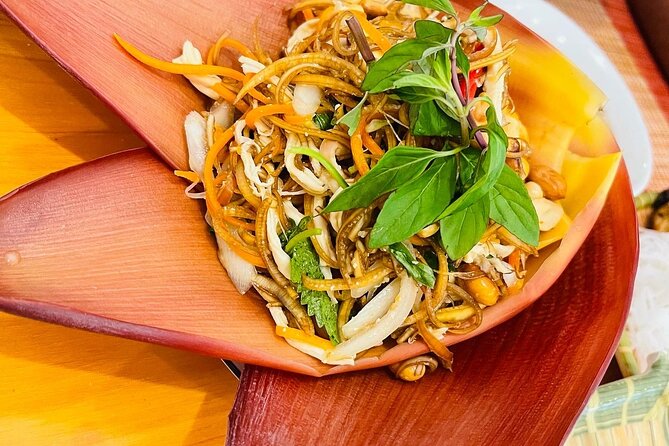
This is the salad course, and it’s where you learn that Vietnamese salads are not all just lettuce and dressing. Banana blossom adds a specific texture, and when it’s paired with chicken and herbs, it turns into a satisfying bowl that feels light but not empty.
You’ll learn how to build the salad so it tastes balanced—salty, tangy, and fresh—rather than one note.
Kem chuoi / Café trung (banana ice cream or egg coffee)
You finish with a sweet drink or dessert choice. You’ll either do banana ice cream (kem chuoi) or egg coffee (café trung). Both are famous Vietnamese comfort flavors, and they let you practice flavor finish rather than cooking only savory items.
If you like coffee culture, egg coffee is a fun thing to understand because it’s both creamy and strong. If you prefer something cooler and fruitier, banana ice cream feels like a direct reward after a hands-on meal.
Vegetarian menu: more than a swap
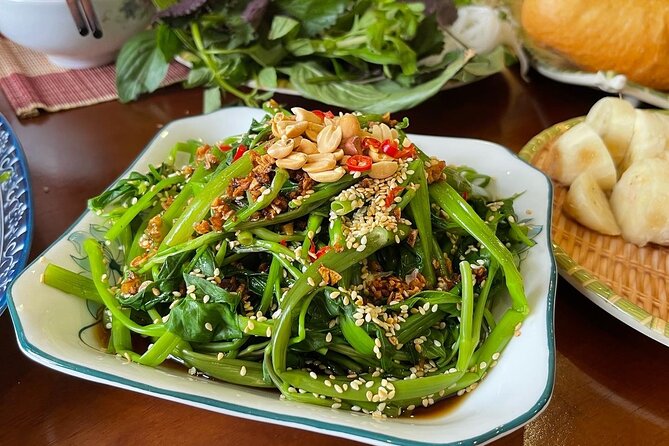
If you’re vegetarian, this matters: the class offers a full vegetarian menu, including soup, salad, and banh xeo pancake. That’s not just removing meat. You’ll still get the full structure of the meal, including the dishes that usually revolve around meat-based flavor.
This is one of the most praised parts of the experience because vegetarian travelers don’t get stuck with “carbs and hope.” You learn the techniques and the flavor logic in the same five-dish rhythm, just adapted for vegetarian cooking.
If you’re cooking at home later, you’ll appreciate this most. A vegetarian version that includes banh xeo and the salad course gives you a bigger toolbox, so you’re not stuck making the same plain meals every week.
What you eat, and the coffee or Vietnamese rice liquor moment
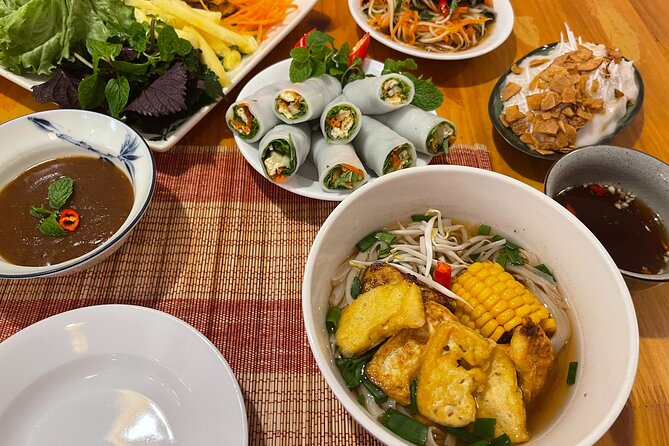
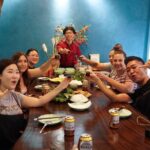
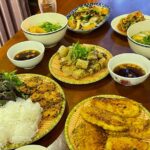
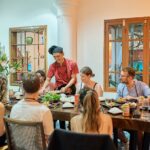
After you cook, you eat your own dishes together. That’s a big deal in Hanoi cooking classes: many are basically demos. This one is built around learning and then eating what you made, which makes the experience feel more like a shared lesson than a show.
Coffee and/or tea are included. And the experience also includes Vietnamese rice vodka as part of the meal flow. There’s an 18+ minimum age for alcohol consumption, so if you’re traveling with younger folks, you can still enjoy the rest of the class and focus on the food.
Either way, the meal portion is where the market learning clicks. You’ll taste the difference between herbs picked fresh and ingredients that have already traveled.
Guides make the class feel fun, not stressful
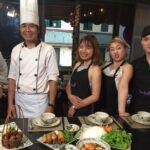
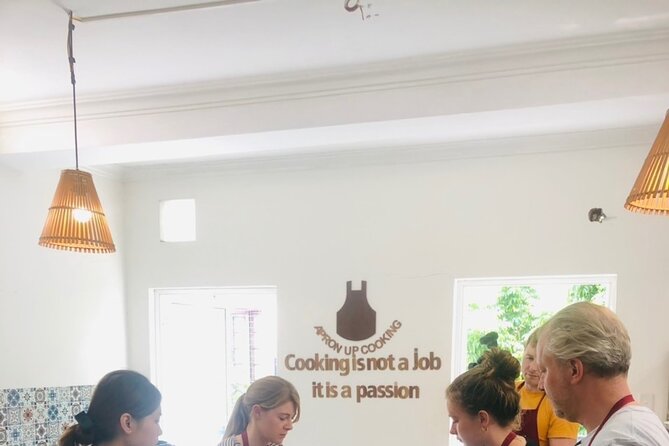
The best sign of a good cooking class isn’t the menu—it’s how it feels while you’re learning. From the kinds of guides associated with this class (like Bella, May, and Vy), the common thread is clear: they keep things upbeat and explain techniques in a way that helps you keep moving.
In practical terms, you’ll want a guide who can correct small mistakes without making you feel awkward. A good sense of humor matters because cooking is hands-on. Sometimes you’ll chop unevenly, roll a wrapper slightly off-center, or misjudge heat for a second. When the vibe stays light, you learn faster.
Price and value: does $50 feel fair in Hanoi?
At $50 per person, this class is priced like an organized, teaching-focused experience, not a casual kitchen snack. Here’s why that can still feel like good value.
You’re paying for:
- A market visit to a major produce area
- Instruction to cook 5 dishes
- A full meal with coffee/tea
- Optional Vietnamese rice liquor for those 18+
- A take-home recipe booklet and a certificate
- A small group size (max 15)
You’re also not paying for hotel pickup or drop-off, so your transportation planning matters. But that’s common in Hanoi, and it keeps costs more predictable.
In other words: this $50 price makes sense if you want more than eating. It fits best if you want technique, flavor knowledge, and a souvenir you can actually use.
Also, if you’re booking about a week in advance on average, you’re likely to get your preferred morning or afternoon slot without much drama.
Practical tips before you go
You’ll enjoy the class more if you come prepared in small ways:
- Wear comfortable shoes. You’ll be on your feet during the market part.
- Plan to arrive on time at the meeting point since there’s no pickup.
- If you’re vegetarian, confirm that you want the vegetarian menu option when booking.
- If you care about alcohol, remember the 18+ rule for Vietnamese rice liquor.
If you like to travel with a light pack, this class is friendly for that. The biggest thing you’ll carry out is the booklet and your confidence in cooking dishes like banh xeo and pho cuon.
Who should book this class (and who might not)
This works especially well for:
- First-timers in Hanoi who want a high-impact food experience without committing to a full-day tour
- People who like hands-on learning and want to take skills home
- Vegetarian travelers who want a complete menu, not a side dish substitute
- Food lovers who want more than recipes—ingredient context matters
You might choose something else if:
- You hate market crowds or shopping stops
- You’re short on time and can’t spare about 3.5 hours
- You strongly prefer guided experiences that include hotel pickup (since this one does not)
Should you book it?
If you want a serious taste of Vietnamese home-cooking logic—market ingredients first, then technique, then a shared meal—this is an excellent fit. The five-dish format, the vegetarian menu, and the take-home recipe booklet make it feel like more than a tour. It’s a skill-building afternoon that happens to be delicious.
Book it if you’re in Hanoi for a short stay and you want one cooking experience that gives you both confidence and variety. Skip it if getting yourself to the meeting point is a deal-breaker, or if you’d rather spend your time on a different kind of food adventure.
FAQ
How long is the Hanoi cooking class?
It lasts about 3 hours 30 minutes (approx.).
How much does it cost?
The price is $50.00 per person.
Where does the experience start and end?
It starts at 8 P. Gia Ngư, Hàng Bạc, Hoàn Kiếm, Hà Nội and ends back at the same meeting point.
What’s included in the price?
Light refreshments, a local guide, and coffee and/or tea are included.
Is hotel pickup included?
No, hotel pickup and drop-off are not included.
How big is the group?
The class has a maximum of 15 travelers.
Do you offer vegetarian options?
Yes. There is a full vegetarian menu available, including soup, salad, and vegetarian banh xeo pancake, and vegetarians learn vegetarian versions of the dishes.
What dishes are included on the menu?
The menu includes Banh xeo, Bun suon chua, Pho cuon, Nom ga hoa chuoi, and either Kem chuoi or Café trung.
Is Vietnamese rice liquor included, and is there an age limit?
The experience includes Vietnamese rice vodka as part of the meal. There is a minimum age of 18 for alcohol consumption.
Can I cancel for a full refund?
Yes. You can cancel up to 24 hours in advance for a full refund.