REVIEW · SIEM REAP
Khmer Gourmet Cooking Class
Book on Viator →Operated by Khmer gourmet cooking class · Bookable on Viator
Three courses, one afternoon, and real Khmer flavors. I like how the experience starts at the Old Market where you choose ingredients, then moves into a private cooking session with an instructor guiding you step by step.
What I like most is that the class is short enough to fit a busy day, and it still feels hands-on and personal. You’ll get clear teaching from instructors such as Chef Narong and Chef Naphom, plus you’re working in a clean kitchen environment.
One thing to think about before you go: comfort. A few sessions have been reported as hot, and the kitchen setup includes stairs, so wear decent shoes and plan for warm conditions.
In This Review
- Key highlights you should know
- Old Market Shopping Before Your Wok Heats Up
- Choosing Your 3-Course Khmer Menu (and Why It Matters)
- The Kitchen Setup in Siem Reap: Clean, City-Ready, and Hands-On
- Learning Khmer Techniques With a Chef at Your Elbow
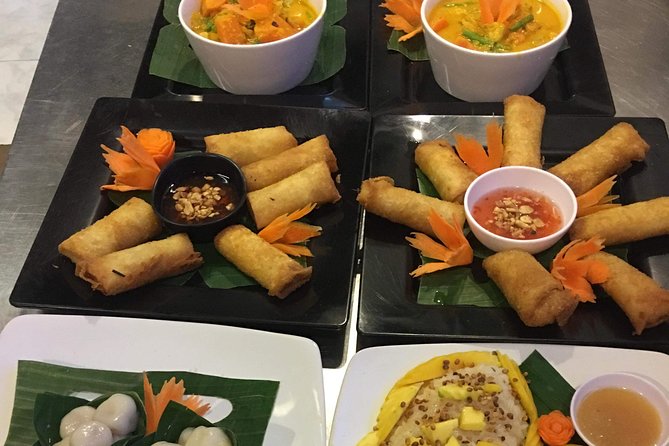
- The Dishes You’ll Cook and Why They Taste Like Cambodia
- Starter: fried and fresh contrast
- Main: amok or lok lak style cooking
- Dessert: sweet finishes with texture
- What Your Evening Schedule Really Feels Like
- Pickup, Location, and How to Fit It Into Siem Reap
- Price and Value: What $21.50 Really Buys
- Things to Know Before You Go: Heat, Bugs, and Stairs
- Who This Class Is Best For (and Who Should Consider Alternatives)
- Should You Book Khmer Gourmet Cooking Class?
- FAQ
- Where is the Khmer Gourmet Cooking Class held?
- How long is the cooking class?
- What does the class include?
- Is it a private experience?
- Do I need any cooking experience?
- Can I choose what I cook?
- Is hotel pickup available?
- Is mobile ticketing used?
- When do I receive confirmation?
- What is the cancellation policy?
Key highlights you should know
- Old Market shopping first so your ingredients match the dish you’ll cook
- Choose a starter, main, and dessert from a menu with six options
- Private class for your group with lots of teacher attention
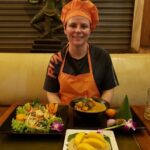
- A clean, practical kitchen setup with an apron and chef hat
- You eat what you cook, often described as one of the best meals in Siem Reap
- A certificate and recipe link at the end, so you can repeat the dishes later
Old Market Shopping Before Your Wok Heats Up
The class starts with a market trip. This is not just sightseeing. It’s the part that helps everything that follows make sense.
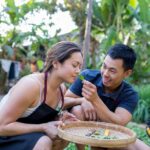
You’ll look at Cambodian produce and pick the ingredients that go into your chosen dishes. Expect to see fruits and vegetables that feel familiar but used in ways that are distinctly Khmer. This early step also sets the right mood: you see the herbs, spices, and fresh items before any cutting begins, so the cooking instructions land faster.
If you’re coming to Siem Reap with a tight schedule, this market walk is a smart way to “earn” your meal. You’re not just paying for food. You’re learning the why behind it: what ingredients taste like in their natural form, and how cooks build flavor.
You can also read our reviews of more tours and experiences in Siem Reap.
Choosing Your 3-Course Khmer Menu (and Why It Matters)
Before you cook, you choose your menu. The class offers six menu choices, and you’ll select a starter, a main, and a dessert.
That structure is one of the real value points. A lot of cooking classes feel like you sample food. Here, you build a full meal, which means you leave with both skills and something satisfying in your stomach.
Some commonly chosen dishes you may see offered include:
- chicken amok (a classic Khmer-style curry)
- beef lok lak
- fried spring rolls
- mango sticky rice
- banana flambe
Even if you don’t choose the exact same dishes, the method is the real lesson. You’ll learn how Khmer cooks balance aromatics, sauces, and texture so the food tastes like a meal, not a cooking demo.
The Kitchen Setup in Siem Reap: Clean, City-Ready, and Hands-On
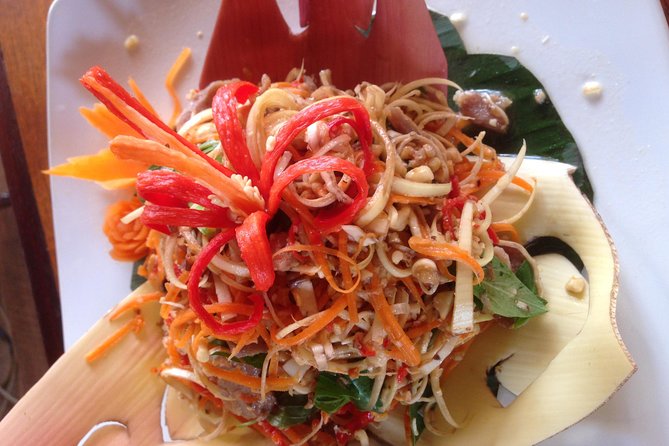
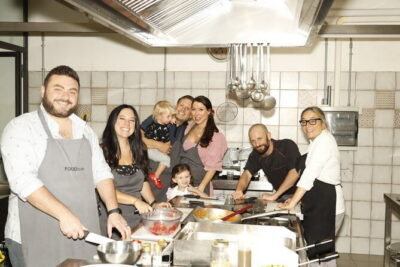
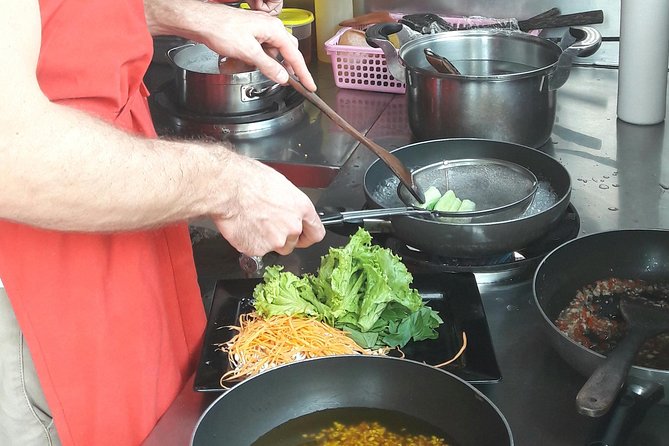
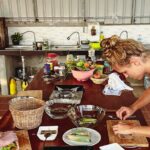
The cooking happens in a kitchen that’s part of a restaurant setup in the city area. That matters more than you might think. You’re not in a remote back-of-house space. You’re in a working environment that’s organized for teaching.
Several practical details show up repeatedly:
- The kitchen is described as very clean, including a stainless prep and cooking area.
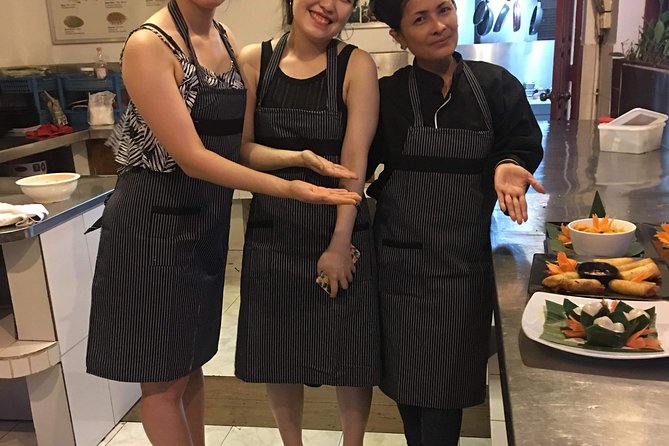
- You’ll get aprons and chef hats, which sounds silly until you’re actually cooking. It makes the moment feel official.
- You may get your own cooking station, though some small-group sessions can involve turn-taking at certain steps.
Also, plan for stairs. The kitchen location is up some steps. It’s not a dealbreaker, but you’ll be happier in shoes with grip.
Learning Khmer Techniques With a Chef at Your Elbow
This is a teacher-led class, and that’s where the experience really pays off.
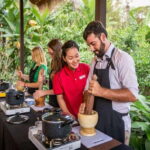
Instructors such as Chef Narong and Chef Naphom are described as patient, kind, and focused on clear English explanations. The teaching style usually looks like this:
- the instructor models the step first
- you cook with guidance as you go
- you ask questions as they pop up
You do not need to be a confident home cook. One theme from the experience is that even people with no cooking background can follow along and end up with a meal they’re proud of.
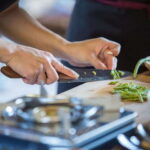
A big plus: you’re not just watching. You’re actively cooking. Even when ingredients are prepped for speed, you’re still doing the work that creates flavor, especially in sauces, frying, and finishing desserts.
The Dishes You’ll Cook and Why They Taste Like Cambodia
The class is built around a three-course flow, so your palate changes as you cook. That’s a clever design for learning too. You’ll handle different textures and cooking methods back-to-back.
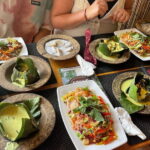
Starter: fried and fresh contrast
Fried spring rolls are a common choice. They’re a good starter because you learn how fillings come together and how crispness is achieved. You’re also introduced to herbs and vegetables early enough to understand how they smell in hot oil versus fresh.
Main: amok or lok lak style cooking
For a deeper Khmer flavor experience, chicken amok is often selected. Amok dishes typically rely on fragrant paste-like aromatics and a saucy, wrapped-style finish. If you choose beef lok lak, you’ll be working with savory beef preparation and Khmer-style sauce balance.
Either way, the main course is where the class earns its reputation as a highlight. A lot of cooking classes do “basic.” These mains tend to feel like real restaurant dishes, not simplified versions.
Dessert: sweet finishes with texture
Dessert choices often include mango sticky rice or banana flambe. These are fun to learn because dessert cooking is less about cutting technique and more about timing, heat control, and knowing when it’s ready.
And because you cook it yourself, the dessert tastes different. You’re not just eating sugar. You’re eating something you built from ingredients you picked in the market.
What Your Evening Schedule Really Feels Like
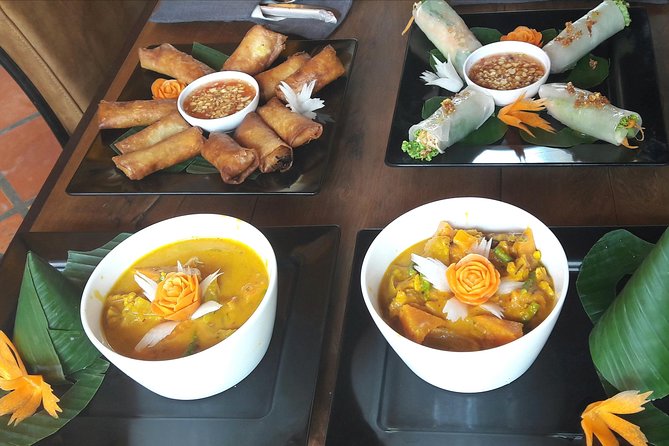
The class runs about 2 hours 30 minutes. That’s a sweet spot: long enough to shop, cook, and eat, short enough that you don’t feel like you lost an entire evening.
A common rhythm looks like:
1) meet and head to the market
2) pick ingredients and confirm your menu
3) return to the kitchen
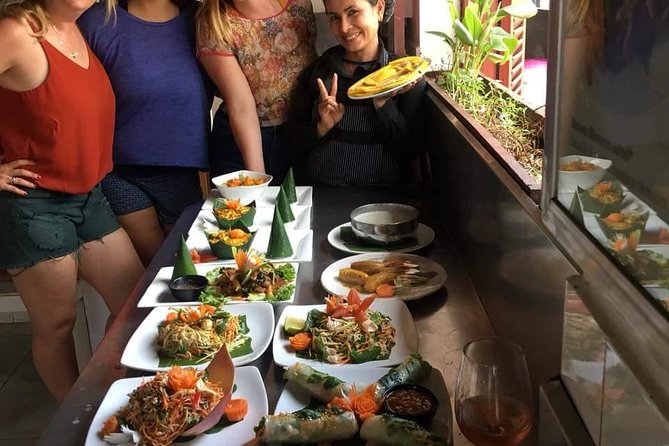
4) cook starter, main, and dessert
5) sit down and eat what you made
You’ll also get to taste at the end. Many people describe leaving full, sometimes with more food than they expected. So it’s smart to plan your day around it.
If you want the best experience, keep your appetite open. One practical tip that comes up often: don’t eat lunch too heavily. You’ll want room for the three-course meal.
Pickup, Location, and How to Fit It Into Siem Reap
Hotel pickup is offered, and hotel pick up can be arranged to make your commute easier. The class is also described as being near public transportation, which is useful if you’re moving around the city on your own.
Here’s the practical part: clarify the return plan. Pickup is mentioned, but at least one person experienced uncertainty about whether transport back to the hotel was included after the class. To avoid any last-minute stress, ask the day before (or when you confirm) whether they handle the ride back or if you’ll need to arrange it yourself.
Also note: the class takes place in a city-center area, which is convenient when you’re balancing temple time, dinner plans, and maybe a night market stop.
Price and Value: What $21.50 Really Buys
At $21.50 per person, the value is mostly about what you get for the price, not just the number.
You’re paying for:
- a market walk tied directly to your meal
- ingredient selection and chef guidance
- cooking time for a full three-course dinner
- eating what you made
- instruction in English
- a private experience for your group
- a clean, organized kitchen and supplies like aprons and chef hats
Some people also mention a certificate and a recipe link afterward. Even if that’s not your main motivation, it’s a strong “learning value” perk, because you’re more likely to recreate the dishes at home.
Does it matter that the class is short? Yes. In a city like Siem Reap, your time costs something too. This class gives you a meaningful cultural activity without swallowing your whole day.
Things to Know Before You Go: Heat, Bugs, and Stairs
This is the honest section. Most of the experience is reported as smooth, organized, and clean. Still, a few real-world factors came up:
- Heat can be an issue in some kitchen rooms if cooling isn’t working well.
- Stairs are part of getting to the kitchen, so plan footwear and pace yourself.
- One account mentioned bugs landing or crawling in food, which is rare but worth acknowledging.
If you’re sensitive to heat or bug issues, you’ll feel better if you wear breathable clothes and choose a day when you can be comfortable moving around a market in warmer hours.
Who This Class Is Best For (and Who Should Consider Alternatives)
This class is ideal if you want:
- a practical, hands-on way to learn Khmer cooking
- a market component that gives context to what you eat
- a meal outcome you can truly enjoy after cooking
- a class that fits into a schedule without requiring a half-day commitment
It’s also a strong pick for solo travelers or couples because the experience is private and can end up very small. Many people describe it as a highlight partly because they get focused attention.
You might consider another option if:
- you are very sensitive to heat in indoor spaces
- you need a completely step-free setup
- you expect every person to have a separate station for every single step (some sessions can involve turn-taking)
Should You Book Khmer Gourmet Cooking Class?
Yes, you should book it if you want a memorable dinner that feels earned. The combination of market shopping, three-course cooking, and teacher-led instruction is what makes it work. At $21.50, you’re paying for an experience that ends with a real meal and skills you can repeat.
Book it early in your stay if you can. That’s not a strict rule, but the market component can make the rest of your Siem Reap food adventure easier. You’ll know what to look for, and you’ll recognize ingredients when you see them later.
Before you confirm, do two quick things: ask about the ride arrangement back to your hotel, and wear shoes you’re comfortable climbing in.
FAQ
Where is the Khmer Gourmet Cooking Class held?
It takes place in Siem Reap, Cambodia.
How long is the cooking class?
It lasts about 2 hours 30 minutes.
What does the class include?
You’ll shop at a market, choose your menu, cook a starter, main, and dessert, and then taste what you made.
Is it a private experience?
Yes. Only your group participates.
Do I need any cooking experience?
No cooking experience is necessary.
Can I choose what I cook?
Yes. You choose your starter, main, and dessert from a menu with six options.
Is hotel pickup available?
Pickup is offered, and hotel pick up can be arranged.
Is mobile ticketing used?
Yes. A mobile ticket is included.
When do I receive confirmation?
Confirmation is received at the time of booking.
What is the cancellation policy?
Free cancellation is available up to 24 hours in advance for a full refund.