REVIEW · SIEM REAP
Siem Reap: Khmer Cooking Class at a Local’s Home
Book on GetYourGuide →Operated by Angkor Wat Travel Tour · Bookable on GetYourGuide
A cooking class in a real home beats any demo. You’ll start with a market stroll and end with a 4-course Khmer lunch you made yourself, including Fish Amok and Tom Yum. Between the tuk-tuk ride, the ingredient shopping, and the hands-on cooking with local hosts like Kong and Sivorn, it feels more like being invited in than taking a class.
Two things I really like: you get to pick from options for your 4 courses, so your menu fits your tastes, and the guides treat the market like a mini lesson in Khmer life, not just a quick photo stop. One possible drawback: the cooking runs at a lively pace—great for keeping momentum, but you’ll want to listen closely so nothing burns while you chop.
In This Review
- Key highlights to watch for
- Tuk-tuk pickup and the market hunt for real Khmer ingredients
- A local home kitchen (and garden) where Khmer cooking starts
- Cooking 4 Khmer dishes, including Fish Amok and Tom Yum
- Choosing your menu: why this class feels personal
- The real talent: guides who can teach and manage the kitchen
- Your 4-course meal: eating in the same rhythm you cooked
- Price and value: what $29 buys you in Siem Reap
- Practical tips so your class goes smoothly
- Should you book this Khmer cooking class?
Key highlights to watch for
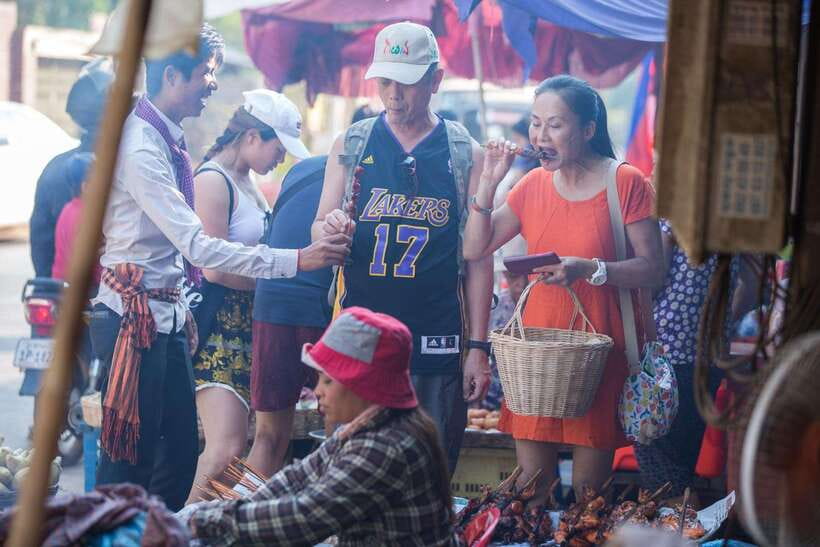
- Local market ingredient hunting with real haggling and Khmer food context
- Chef-style teamwork in a small group (max 6) so everyone gets hands-on time
- Fish Amok and Tom Yum as anchors of your 4-dish Khmer meal
- Garden tour plus smart ingredient swaps, including examples from what they grow on-site
- You leave fed: a 4-course meal (and bottled water) after you cook
Tuk-tuk pickup and the market hunt for real Khmer ingredients
Your day starts when you’re picked up from your hotel in a traditional tuk-tuk. The timing is practical: you’re asked to wait in the lobby about 10–15 minutes early, and the driver holds a sign with your last name. That simple setup matters in Siem Reap, where streets can feel chaotic and every minute counts.
Next stop is the local market. This isn’t just a walk-through where you point and move on. You’ll meet locals, then haggle for fresh ingredients for your meal—an experience that quietly teaches you how Cambodian cooks shop when quality and price both matter. Kong (often introduced as King Kong or Mr Kong) is particularly good at explaining how items connect to Khmer life, not just what they are.
The market part also helps you understand your dishes before you cook them. When you know what you’re buying—fresh aromatics, herbs, and the proteins that shape the flavor—it’s much easier to follow recipes later, and it makes the cooking feel less like memorizing and more like learning why Cambodian food tastes the way it does.
What to watch for: markets involve lots of smells, stairs, and uneven ground. Wear comfortable shoes, and if you’re sensitive to heat, bring a bottle of water you can sip before pickup times. You do get bottled water included, but your best comfort comes from dressing for the walk.
You can also read our reviews of more tours and experiences in Siem Reap.
A local home kitchen (and garden) where Khmer cooking starts
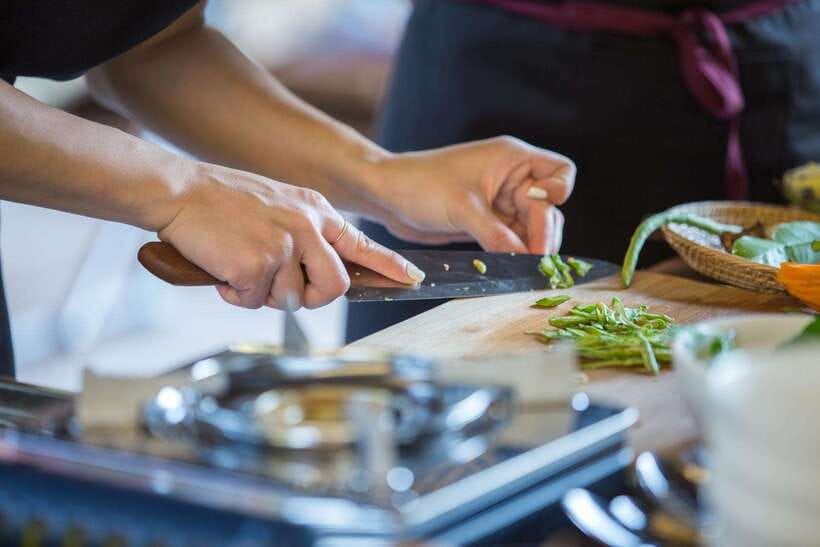
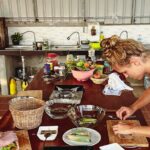
After the market, you head to your host’s home. That change of setting is a big part of the value. Most cooking classes feel like you’re visiting a studio. Here, you’re cooking in a domestic space where the food system looks normal—pots, prep stations, herbs, and the kind of practical setup real families use.
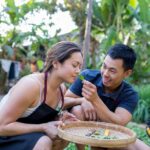
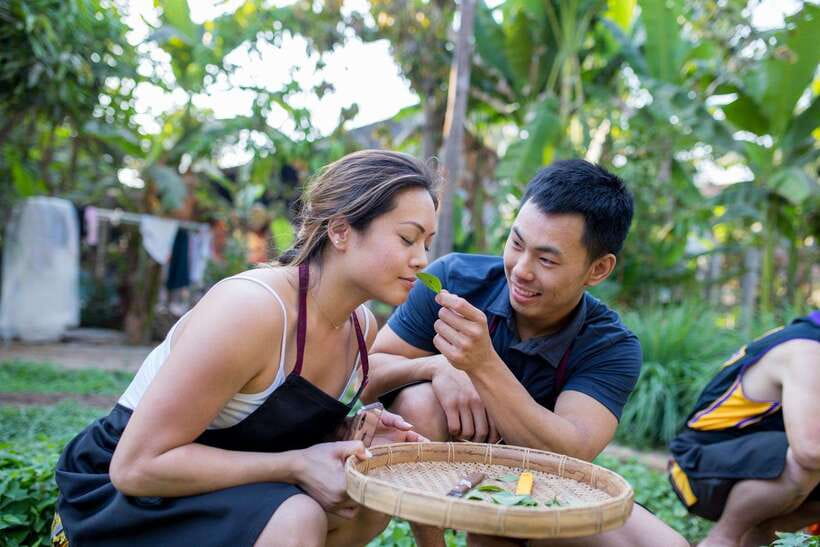
Many groups also tour the on-site garden before cooking. In the hands-on experience, that garden isn’t decorative. You’ll see fruit and vegetables growing, plus herbs they use in recipes. One highlight that comes up again and again is the mention of oyster mushrooms they grow on-site, which makes it easier to picture how ingredients go from plant to plate.
Garden time also gives you a smart skill: substitution. Guides explain what you can swap if you can’t find a specific ingredient later at home. That is one of the biggest reasons this type of class feels more useful than a one-off dish demo.
What to expect in the home: you’ll roll up your sleeves, get taught step-by-step, and work with an English-speaking instructor or guide. Reviews often point to guides like Sivorn and Sorya as patient and funny, which helps when you’re juggling chopping, stirring, and learning the Khmer flavor base all at once.
Cooking 4 Khmer dishes, including Fish Amok and Tom Yum
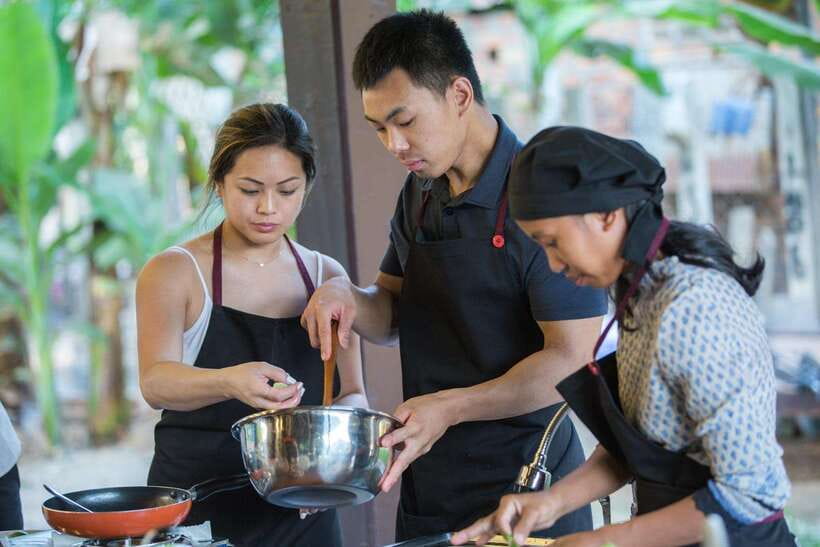
This is a 3-hour class, so it moves. The good news: you don’t just watch. You cook. The structure is designed around finishing a full 4-dish lineup, not stopping at a single main course.
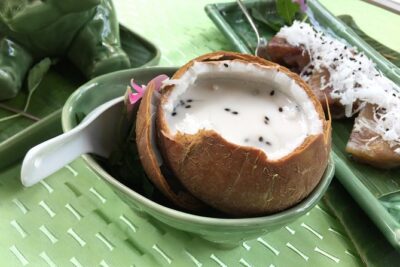
Two dishes are clear anchors of the experience: Fish Amok and Tom Yum. Those are both signature Cambodian flavors. Fish Amok gives you a lesson in thick, fragrant coconut-based seasoning and how Cambodian kitchens build body and aroma. Tom Yum teaches the bright sour-heat balance that makes Khmer soups addictive.
Your class ends up feeling like a full meal journey because it’s organized as a 4-course experience. Depending on the menu options available, your lineup can include something like a salad, a soup/starter, a main, and a dessert style dish. Some groups mention choosing course-by-course items rather than being assigned one set plate, which keeps the experience from feeling generic.
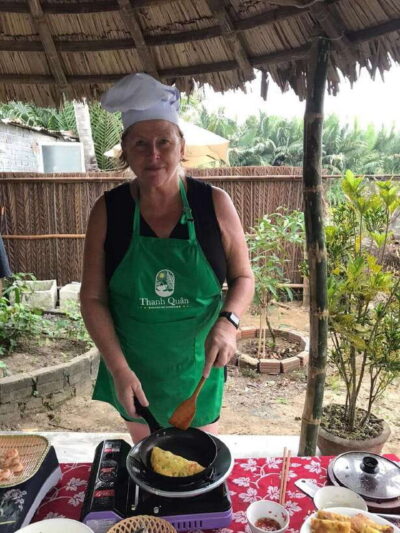
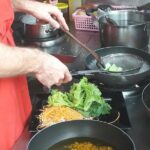
During cooking, you’ll get tips and tricks from your instructor. The teaching style matters because Cambodian cooking relies on timing and texture. A few reviews call out that you need to cook fairly fast to avoid overdoing sauces or burning ingredients. That’s a normal reality in a class kitchen with multiple people working at once, and it’s also why your end result tends to be fresh and flavorful.
If you want the best experience: taste along the way and don’t be shy about asking for clarification when something seems off. The guides are used to questions, and good instruction is part of why this class consistently turns into a favorite Siem Reap activity.
Choosing your menu: why this class feels personal
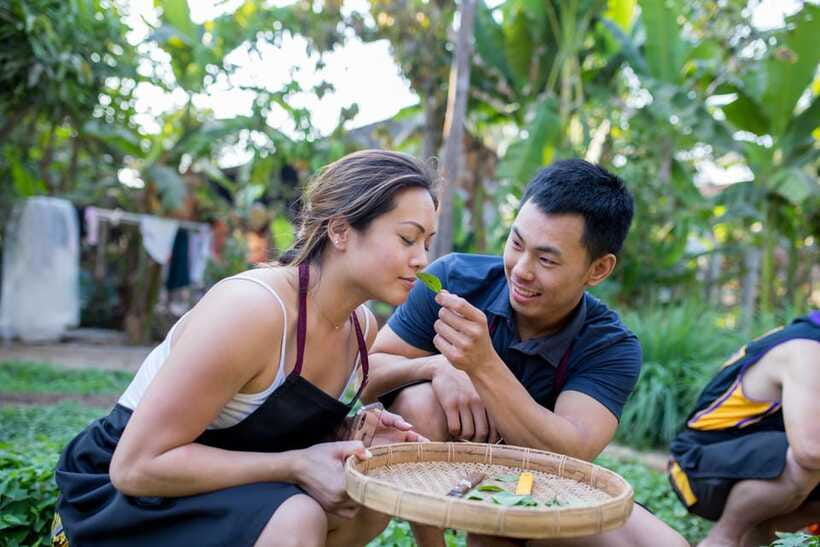
One of the most praised features is choice. Instead of being locked into a fixed menu, you typically pick options from a small menu for each course. That lets you shape the experience around what you actually want to eat—spice level, protein preferences, and the types of dishes you’re curious about.
It also means two people booking the same class can still come home with different recipes. Some groups mention choosing different dish combinations that still line up as a full 4-course meal, so you’re not stuck eating the same exact thing as the person next to you.
If you have dietary preferences, this is also a practical plus. The class can accommodate vegetarian and vegan options. If that matters to you, tell them during booking about allergies or dietary restrictions. That’s the responsible move, and it’s supported by the class info.
You may also hear guides explain ingredient alternatives based on what’s growing in their garden or what they found at the market. That can make your final cooking more repeatable at home, since you learn not just the steps, but the logic behind the ingredients.
The real talent: guides who can teach and manage the kitchen
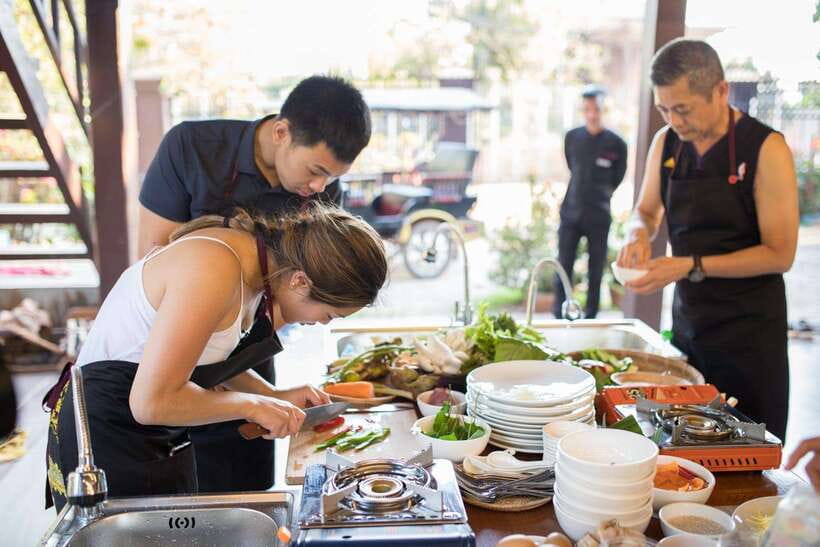
Cooking classes often fail on one of two points: instruction is unclear, or the kitchen runs chaotic. This class is built to avoid both.
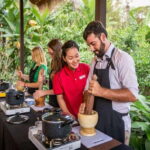
From what I’ve seen in the flow, the instructors and guides split responsibilities in a way that keeps you moving. Kong is frequently described as upbeat, humorous, and sharp at explaining the market and connecting ingredients to daily life. On the cooking side, Sivorn and Sorya show up in descriptions as patient teachers who manage multiple people working at once.
Small group size is a big reason this works. With a cap of 6 participants, you’re not fighting for counter space or competing for attention. That means you can actually ask questions and get feedback without waiting through long gaps.
English instruction helps too. The class is taught in English, and reviews repeatedly mention clear communication. Even if you’re not a confident cook, you’ll likely get enough guidance to finish your dishes the way the recipe intends.
What to watch for: this is not a slow, relaxed hobby session. It’s hands-on and time-aware, which is good for producing food you can enjoy at the end. If you prefer cooking at your own speed, you’ll need to lean into the class pace and trust the process.
Your 4-course meal: eating in the same rhythm you cooked

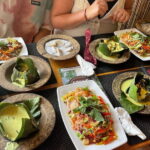
After cooking, you sit down to enjoy what you made. That part is honestly the best test of whether a class is good. If the food tastes great, you’re not just learning technique—you’re learning flavors that work.
A 4-course meal also changes the value compared with shorter classes. Here, the included meal isn’t a token snack. It’s the entire payoff. You get bottled water included, and alcohol is not included, so plan to skip beer or cocktails with your lunch unless you arrange it separately.
Since your dishes are cooked during the session, your meal feels connected to your learning. You can remember what you did for each dish—how you chopped, stirred, seasoned, and timed. That connection makes it easier to recreate the dishes later.
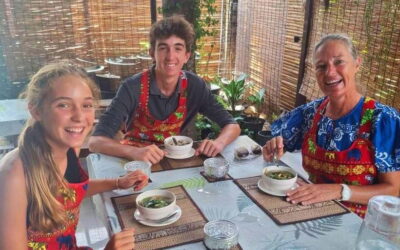
There’s also a social side to eating together in a small group. Several groups note meeting other people and sharing the table while discussing what each person chose to cook. It’s a simple way to turn a cooking class into a memorable part of your Siem Reap trip.
Price and value: what $29 buys you in Siem Reap
At $29 per person for about 3 hours, this is one of the more straightforward value deals in Siem Reap. Here’s why the math makes sense:
- You get hotel pickup and drop-off, including tuk-tuk transport
- You walk a market and buy ingredients used in your meal
- You cook 4 dishes, then eat them as a 4-course meal
- You get an English-speaking guide/instructor plus ingredients and bottled water
- The group stays small (max 6), which usually means more time with your teacher
If you’ve ever paid for a cooking class that was mostly watching, this stands out because you’re actively producing food the whole time. It’s also more complete than classes that only focus on one dish. The market + garden + cooking structure gives you a full picture of Khmer flavors, not just the final recipes.
Who it feels worth it for: couples, solo travelers who like structured social time, and food lovers who want a practical skill to take home. It’s also a smart pick if you want an activity closer to the city center rather than spending half your day commuting.
Practical tips so your class goes smoothly
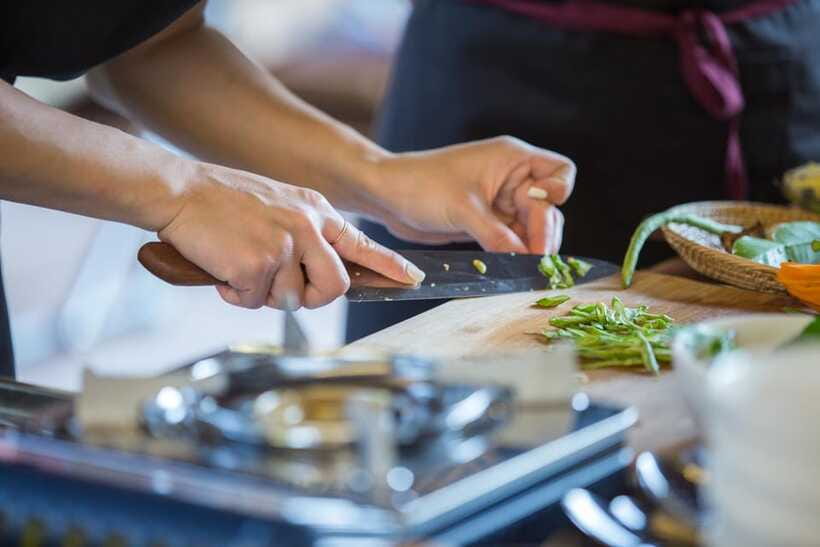
A few practical points help you enjoy the experience without stress:
- Bring comfortable shoes and a camera. You’ll be walking in the market and moving around a home kitchen.
- Plan to follow instructions closely. The class can be fast-paced, and timing matters for flavor.
- Expect to taste along the way. Guides often encourage tasting as you cook, so you can adjust seasoning.
- Tell them about allergies or dietary restrictions when booking. Vegetarian and vegan options are supported, but communication matters.
- Recipes and photos are often part of the experience. Many groups mention receiving recipes at the end and having photos taken during the session, which is a nice souvenir for later cooking.
On the suitability side, the class is not set up for everyone. It’s not allowed for unaccompanied minors, and it’s listed as not suitable for wheelchair users and for people over 80 or children under 8. If mobility or age factors apply, it’s worth checking directly with the operator before you book.
Finally, think about timing. Three hours sounds short, but with tuk-tuk pickup and a market stop, it packs in a lot. If your day is already full, choose a time that won’t leave you rushed afterward.
Should you book this Khmer cooking class?
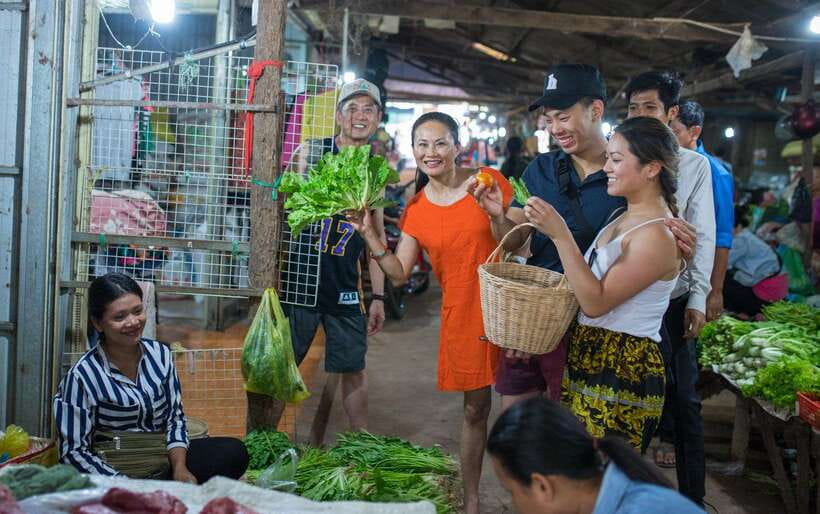
Yes, if you want a Siem Reap activity that’s hands-on, local, and genuinely useful. The biggest reasons to book are the market ingredient shopping, the chance to cook Fish Amok and Tom Yum, and the way the class lets you choose your 4-course menu while staying in a small group.
Skip it only if you know you need a slow, unstructured pace or if mobility/age limitations apply. For most people—especially food-focused travelers—this is one of those rare activities that gives you both a great meal and a skill you’ll actually use again.