REVIEW · HANOI
Hanoi Maya Kitchen: Traditional Cooking Class & Market Tour
Book on Viator →Operated by Crossing Vietnam Tour · Bookable on Viator
Your hands learn Hanoi fast. This 4-hour food tour turns a simple stroll into real Vietnamese cooking when you start with a local market tour and finish by making dishes like egg coffee at the kitchen. I like that you shop for ingredients first, with guidance on what Vietnamese flavors need and how substitutes work, so the class feels practical, not performative.
I also love the step-by-step teaching style in the kitchen, especially for classic items like fried spring rolls and papaya salad. One thing to consider: there’s no pick-up or drop-off, and the tour starts and ends at the Crossing Vietnam Tour office area, so you’ll want to get there on time and be ready to walk a bit.
- Market shopping that teaches ingredients, not just shopping at the Hang Da/Yen Thai market area
- Hands-on cooking for five set items: nem ran, papaya salad, pho cuon, pho tron, and egg coffee
- Small group size (max 15) so questions don’t get lost
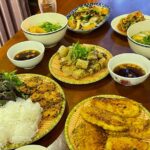
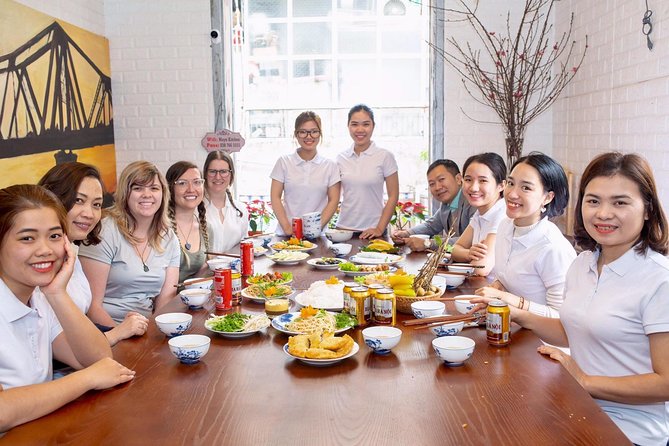
- You eat everything you make, plus seasonal fruit dessert
- Recipe support and tasting extras: a recipe to take home and a local wine tasting
In This Review
- Market Time in Hanoi: picking ingredients at Hang Da/Yen Thai
- Hands-on Hanoi: from crisp spring rolls to sour-sweet papaya salad
- Pho Cuon and Pho Tron: learning noodle comfort the Vietnamese way
- Egg coffee plus local wine tasting: the Hanoi finish
- Getting real value from $30 in 4 hours
- Practical tips so you enjoy the class (not just survive it)
- Should you book Hanoi Maya Kitchen?
- FAQ
- How long is the cooking class and market tour?
- What dishes will I learn to make?
- Is a market tour included, or do we just go straight to cooking?
- What’s included in the price besides the cooking?
- Where is the meeting point, and do you return there at the end?
- Is there pick-up or drop-off service?
- Can I get a full refund if I cancel?
Market Time in Hanoi: picking ingredients at Hang Da/Yen Thai
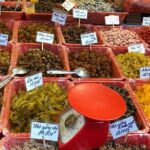
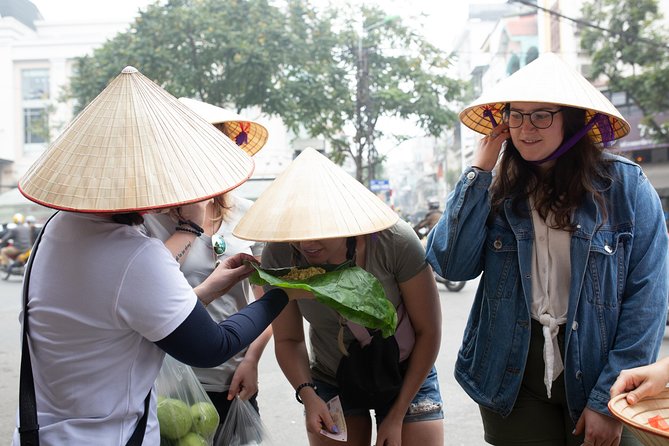
This experience starts with a welcome at the Crossing Vietnam Tour office area, then you head out to a nearby market. The tour is listed with Hang Da Market, and the itinerary describes the stop as Yen Thai market, so either way, you’re getting the same goal: see how locals shop and learn why certain ingredients matter.
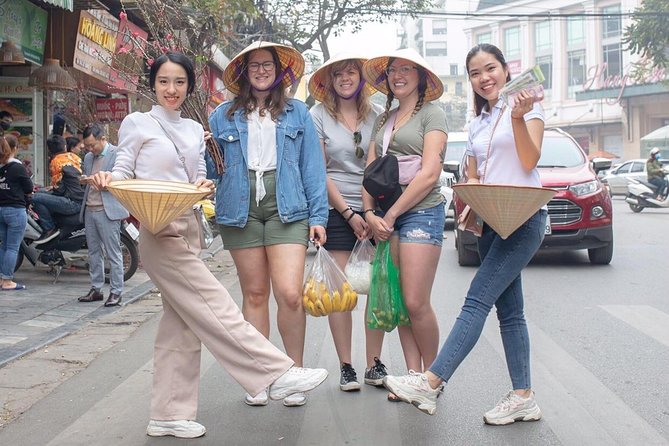
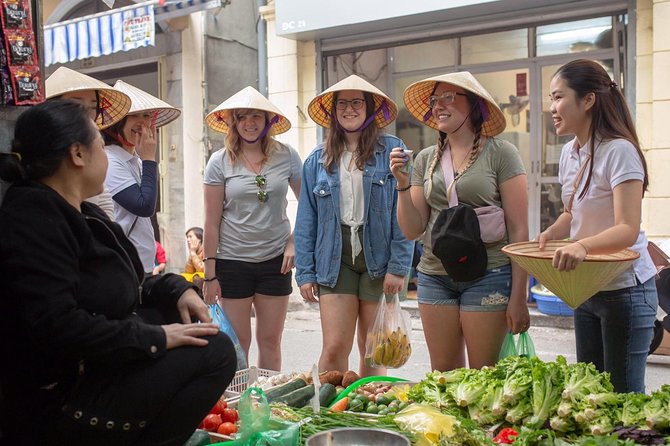
In the market, the focus isn’t just choosing things. It’s learning how Vietnamese dishes are built. You’ll get a clearer sense of what you’re buying and why, plus ideas for substitutes if you’re cooking later at home. That small shift helps a lot. Instead of thinking, I have no idea what that herb is, you start thinking, this dish needs sour, sweet, and crunch in this balance, and you can swap based on what you can find.
If you’ve ever eaten Vietnamese food and wondered why it tastes so fresh even when it’s simple, this is where it clicks. You’re buying ingredients that still look alive: herbs, aromatics, vegetables, and the basics that make the sauces work.
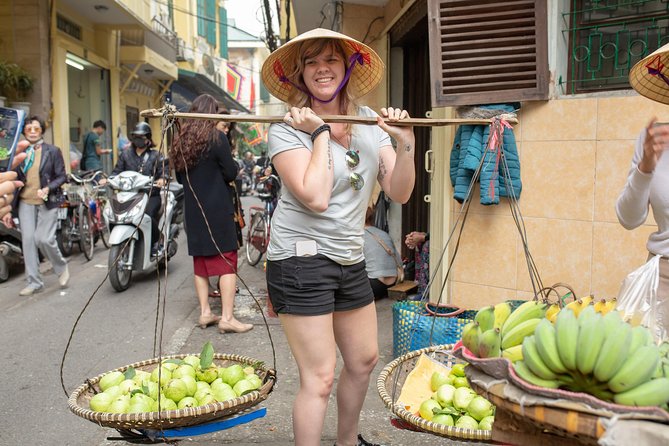
One more practical point: markets can be busy and a bit warm, so it helps to wear comfortable shoes and be ready for close-up looking. You’re going to be standing, walking, and deciding what to buy with your instructor.
Hands-on Hanoi: from crisp spring rolls to sour-sweet papaya salad
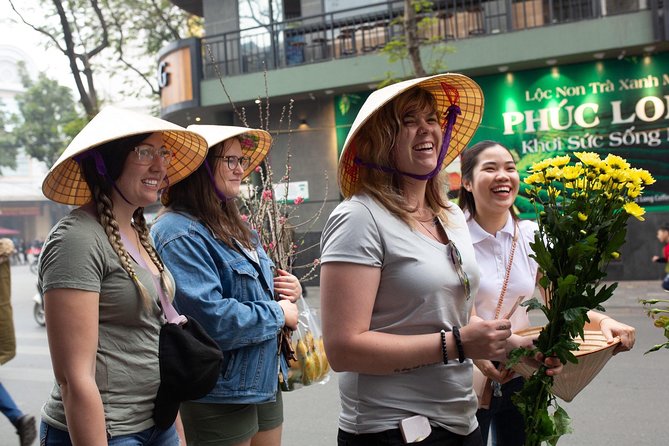
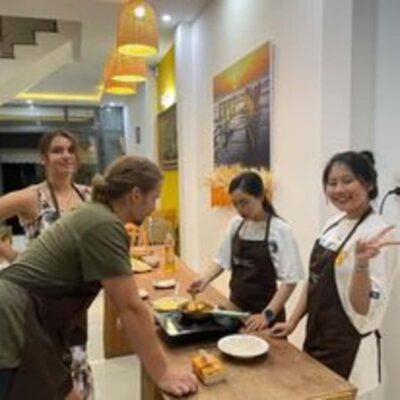
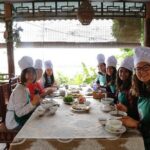
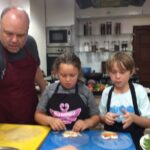
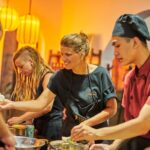
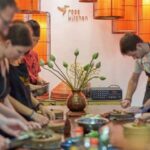
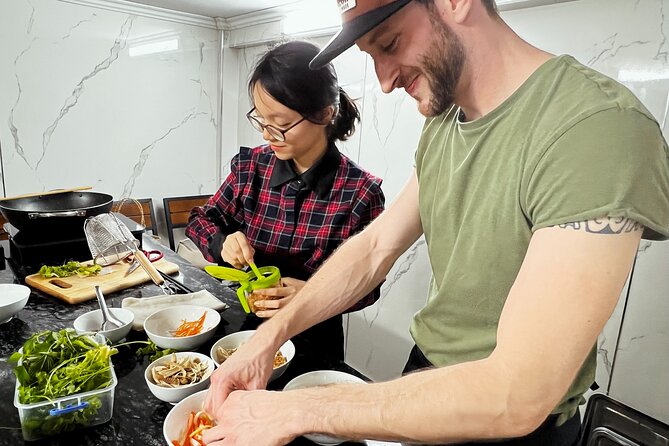
Once you’re back at the kitchen, you’ll cook four classic dishes plus egg coffee. The workflow is friendly and structured, which matters because you’ll be learning techniques, not just following a recipe card.
The first big project is fried spring rolls (nem ran). This one is treated like a centerpiece dish for gatherings and holidays, and the class takes that seriously. The instructor shows you step by step how to roll. You learn how to keep the rolls even, so they cook evenly instead of turning lumpy on one side.
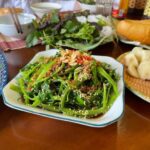
Then comes the flavor lesson: papaya salad (nom du du). This dish is all about balance. The main flavors are sour and sweet, plus crunch and fragrance from the right ingredients. Even if you’ve never handled green papaya before, you’ll get guidance on how the dish should taste as you assemble it. You’re not guessing your way through it at the end; you’re building the flavor while you cook.
I like that the class doesn’t treat these dishes like separate worlds. Spring rolls teach technique (rolling and frying), while papaya salad teaches flavor balance (acid, sweetness, and texture). Together, they give you a stronger mental map for Vietnamese cooking.
If you’re a “watch first, then copy” type, you’ll still do well here. The pace is broken into teachable moments, and you get enough time to try the steps rather than rushing through one move and hoping.
You can also read our reviews of more tours and experiences in Hanoi.
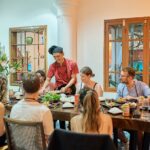
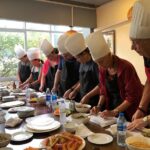
Pho Cuon and Pho Tron: learning noodle comfort the Vietnamese way
After spring rolls and papaya salad, you shift into the pho section: two different ways to do it, which is a clever choice. It shows you that pho flavor isn’t one single formula. It’s adaptable.
You’ll make:
- Pho rolls (pho cuon)
- Mixed pho (pho tron)
Pho cuon is a wrap-and-build style that emphasizes the freshness and structure of the filling. Pho tron is more mixing-focused, where different elements come together into one bowl-style experience.
What you’ll learn here is how the components work together—how herbs and toppings matter, and how sauces and flavorings need to be distributed. This is one reason the market visit pays off. If you’ve bought the aromatics and vegetables with your instructor, you’re already familiar with the building blocks, so the pho parts feel more straightforward when you start assembling.
Also, since this is a hands-on class, you can tell the difference between dishes that taste good because they’re complicated and dishes that taste good because the flavors are aligned. The pho section helps you see that distinction quickly.
Egg coffee plus local wine tasting: the Hanoi finish
The Vietnamese specialty on the menu is egg coffee (ca phe trung). If you only know egg coffee as a dessert trend, the class gives it proper context. You’ll learn how it’s made and you’ll taste it as part of the full meal, not as an afterthought.
And yes, there’s also a local wine tasting included, along with one drink (water, tea, or coffee). This is a nice bonus because it turns the end of the experience into a real “stay awhile” moment. You’re not sprinting out of class; you’re eating what you cooked while enjoying the flavors of Hanoi-style downtime.
The dessert is seasonal fruits, which keeps things light after all the savory food and frying smells. If you tend to overeat early, seasonal fruit can be a smart reset.
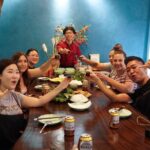
One important practical note: you’ll eat everything you make, and the portions can be more than you expect. I’d plan to go in hungry. If you already ate a heavy breakfast, you might still manage it—but you’ll have less room to enjoy each dish on its own.
Getting real value from $30 in 4 hours
At $30 per person for about four hours, the value comes from how much is included. This isn’t just a cooking show with a tasting at the end. You get:
- Local market tour and food buying
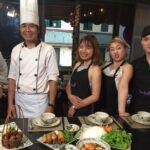
- English-speaking instructor
- All food for the set menu items
- Cooking recipe to take home
- Seasonal fruit dessert
- Egg coffee
- Local wine tasting
- One drink (water/tea/coffee)
If you tried to recreate this on your own in Hanoi—market shopping plus ingredients plus cooking guidance—you’d quickly spend more than $30, and you’d lose the step-by-step help. Even the smaller things add up: frying spring rolls, building papaya salad, then finishing with egg coffee isn’t hard to learn, but it is easier when someone shows you the right hand positions and flavor cues.
There’s also the class size. With a maximum of 15 travelers, the kitchen doesn’t feel like a conveyor belt. You can ask questions without shouting.
Who does this best suit? If you like practical travel—learning something you can use later—this tour fits. It also works well for couples and small families because you leave with a shared meal and a sense of accomplishment.
If you’re the type who hates hands-on cooking or gets uncomfortable near hot oil, you might find the frying portion a bit intense. The good news is the instructor guides you through it, but it’s still a real cooking class.
Practical tips so you enjoy the class (not just survive it)
Here are the small choices that make a big difference in how smoothly the experience feels:
Go hungry. The meal is part of the deal, and it’s not light. You’ll likely want to skip a big breakfast so you can enjoy the spring rolls, papaya salad, both pho styles, and egg coffee without feeling stuffed.
Wear comfortable shoes. You’ll move through the market and then stand and work in the kitchen. Hanoi sidewalks can be uneven, and markets have their own flow.
Bring a camera, but listen too. Yes, you’ll want photos. But the real value is learning how the dish should taste and what to adjust. If your brain stays on the phone screen, you’ll miss the cues.
Use the recipe later. Since there’s a cooking recipe provided, treat this like a “take skills home” day. Make one of the dishes soon after you return so the flavor balance is still fresh in your memory.
Plan for meeting point logistics. There’s no pick-up or drop-off. You’ll need to get yourself to the meeting point at the Crossing Vietnam Tour office area (the address is listed as 47 Hang Bong str.). If you’re staying far away, factor in time for Hanoi traffic and walking.
Should you book Hanoi Maya Kitchen?
Book it if you want more than a food tasting in Hanoi. This experience is built around real cooking steps, from rolling spring rolls to building papaya salad and assembling two pho styles. The market start matters because it turns ingredients into understanding, not just shopping.
Skip it only if you truly don’t want a hands-on class or if you prefer to watch rather than do. This is a learning-by-making experience, and it expects you to participate.
If you’re deciding between a street-food crawl and a cooking class, think about what you want to remember next week. Street food gives you flavor impressions. This gives you the method, the taste balance, and the confidence to cook at home. That’s why it earns such strong marks for value and fun.
FAQ
How long is the cooking class and market tour?
It lasts about 4 hours (approx.).
What dishes will I learn to make?
The menu includes Nom Du Du (papaya salad), Nem Ran (fried spring rolls), Pho Cuon (pho rolls), Pho Tron (mixed pho), and Ca Phe Trung (egg coffee). Dessert is seasonal fruits.
Is a market tour included, or do we just go straight to cooking?
A local market tour and food buying are included before you head to the kitchen.
What’s included in the price besides the cooking?
In addition to the market tour and cooking, the price includes an English-speaking instructor, all food for the menu, seasonal fruits for dessert, one drink (water/tea/coffee), local wine tasting, and a cooking recipe.
Where is the meeting point, and do you return there at the end?
The start point is at the Crossing Vietnam Tour office area (47 Hang Bong str.). The activity ends back at the meeting point.
Is there pick-up or drop-off service?
No. Pick-up and drop-off service is not included.
Can I get a full refund if I cancel?
Yes. You can cancel up to 24 hours in advance for a full refund. If you cancel within 24 hours of the start time, it is not refunded.