REVIEW · ROME
Rome Cooking Class: Make Pasta, Dine & Drink Wine With Local Chef
Book on Viator →Operated by Walks - Italy & Spain · Bookable on Viator
Pasta and wine, with real hands-on instruction. This Rome cooking class pairs classic techniques with an easy social setup in Trastevere, starting with aperitivo and ending with the meal you made.
I especially like the small-group feel (max 14), which keeps the pace friendly and lets the chef correct your hands-on technique. I also love the two different pasta shapes plus two sauces, so you leave knowing more than one trick.
One thing to consider: it is adaptable to dietary needs except for celiac. If you have that restriction, you’ll want to choose a different option.
In This Review
- Key highlights you should care about
- Making Handmade Pasta in Trastevere: What the 3 Hours Feel Like
- Aperitivo and Prosecco First: Starting Like Romans
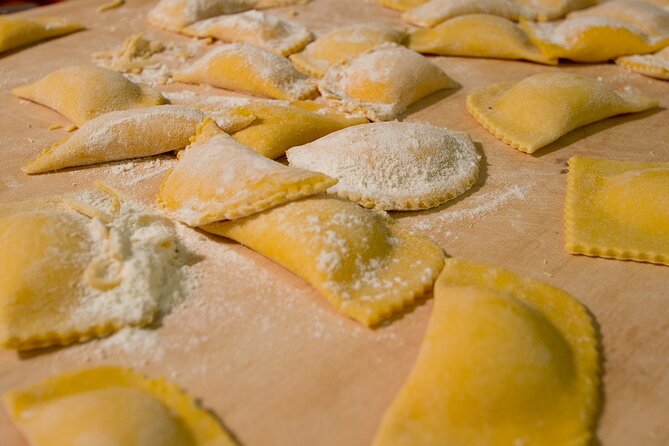
- Fettuccine and Ravioli From Scratch: The Chef’s Step-by-Step
- Wine With Your Meal and a Gelato Finish
- The Small-Group Advantage: Why Max 14 Travelers Matters
- Pricing and Value: Is $65.30 Worth It
- Who Should Book (and When to Choose the Pizza Option)
- Practical Notes Before You Go
- Should You Book This Rome Cooking Class?
- FAQ
- How long is the Rome pasta cooking class?
- What pasta do I make during the class?
- Is the class taught in English?
- What drinks are included?
- Is gelato included?
- Is this class small-group?
- Can I take a pizza class instead?
- What about dietary restrictions, including celiac?
Key highlights you should care about
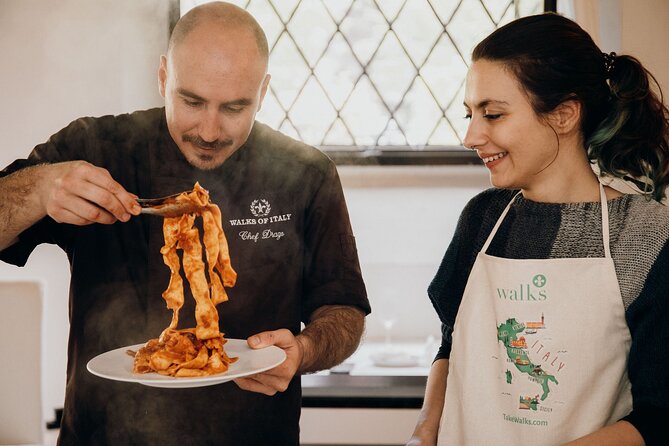
- Hands-on pasta making: fettuccine and ravioli taught by a local chef
- Aperitivo start: prosecco and cured-meat, cheese, and bruschetta-style nibbles
- Restaurant-style meal: your pasta served with red and white sauces
- Wine flowing during dinner: included prosecco and wine with your meal
- Sweet finish: homemade Italian gelato prepared for the group
- Trastevere location: you can keep exploring the neighborhood right after
Making Handmade Pasta in Trastevere: What the 3 Hours Feel Like
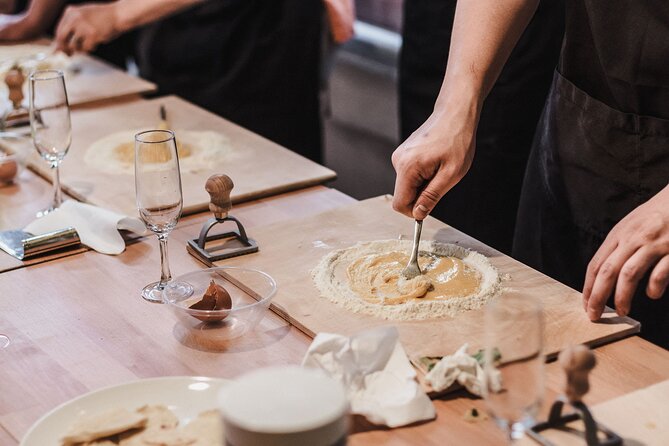
This class is built like a great night out, not a rushed demo. You meet, settle in, and get moving right away. In about three hours, you go from dough and flour to plated pasta, plus dessert, with wine in the middle.
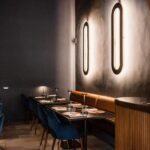
The setting matters. You’re in a cooking school with a modern kitchen and a reserved dining area for your small group. That means you’re not cooking in a cramped, chaotic room, and you’re not stuck watching from the sidelines either. The flow is also practical: pasta-making first, then a finish that turns what you made into dinner.
If you’re the kind of traveler who likes doing one “real” thing instead of bouncing between landmarks, this scratches that itch. It’s also a great match for couples, friends, and even solo travelers, because you’re working side-by-side and eating together when it’s time.
You can also read our reviews of more tours and experiences in Rome.

Aperitivo and Prosecco First: Starting Like Romans
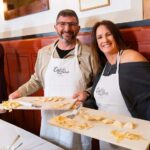
The experience kicks off with a classic Italian-style aperitivo setup. You’ll start with prosecco along with cured meats, cheese, and bruschetta-type nibbles. This isn’t just a snack while you wait. It’s the warm-up moment that helps everyone relax before the dough starts.
That first round is also a subtle education. Aperitivo culture in Italy is about the ritual: sip something light, nibble something salty, and talk while the evening gets going. Here, that rhythm helps you focus once you’re actually rolling, cutting, and filling.
And yes, there’s wine later too. The class gives you a full meal arc: start with aperitivo, then move into pasta and sauces, then finish with gelato. It’s a well-fed plan for a night in Rome rather than a short workshop you do and then walk away hungry.
Fettuccine and Ravioli From Scratch: The Chef’s Step-by-Step
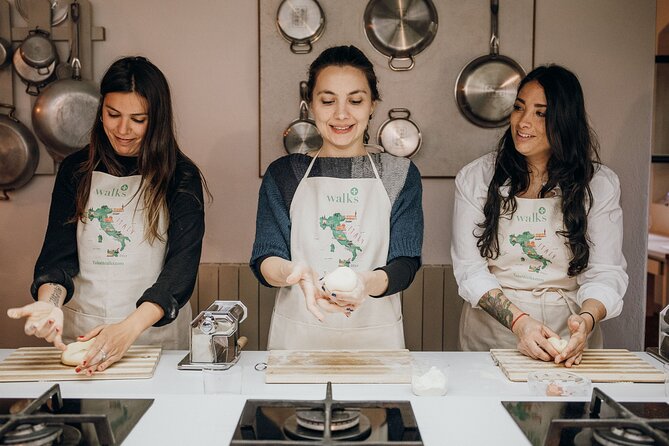
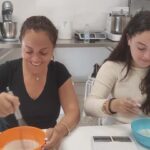
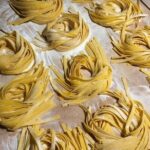
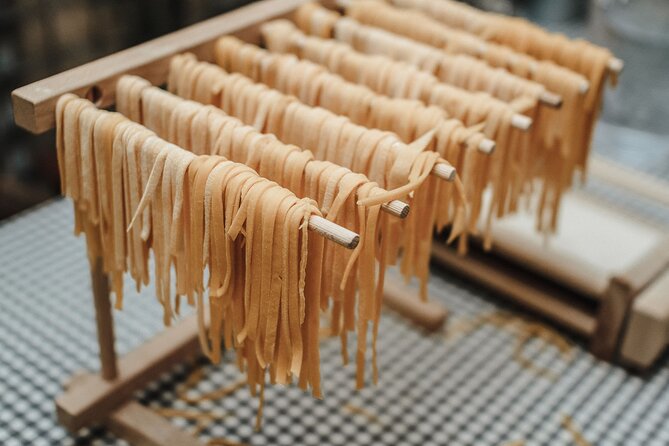
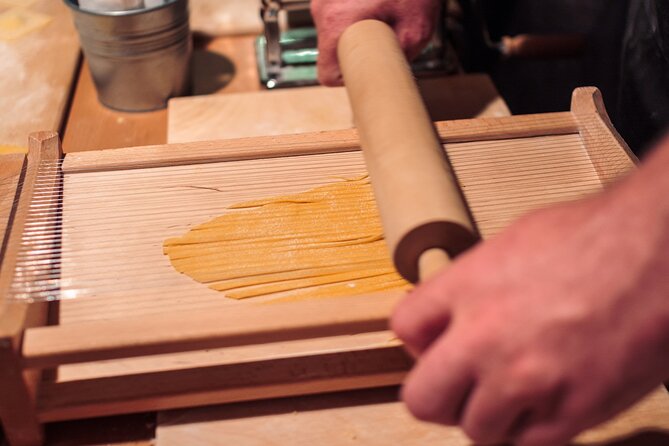
This is the main event: you learn to make fettuccine and ravioli by hand. Expect a true tutorial, not just a quick show-and-tell. The chef host starts by walking you through the fundamentals of working dough and shaping pasta, then you practice as the group moves through the steps.
You’ll also make sauces to match what you’re learning. The class includes two traditional sauces, described as white and red, and you’ll pair them with your pasta. The exact menu can shift by season, but the structure stays the same: two pasta dishes, each with its own sauce.
What makes this feel “authentic” in a way you can use later is the teaching style. The chefs share tips passed down from Italian families, the small habits that make dough easier to work with and help pasta hold its shape. In reviews, chefs such as Luca, Jamila, Stefano, Gianmaria, Elisa, Alessandro, and Asia are repeatedly praised for clear instruction and an upbeat approach. That matters because handmade pasta is equal parts technique and patience, and good pacing helps you actually succeed.
A small practical tip for you: go into it thinking of this as a skill-building evening. Even if your first sheets aren’t perfect, you’ll improve quickly because you’re guided through the process.
Wine With Your Meal and a Gelato Finish
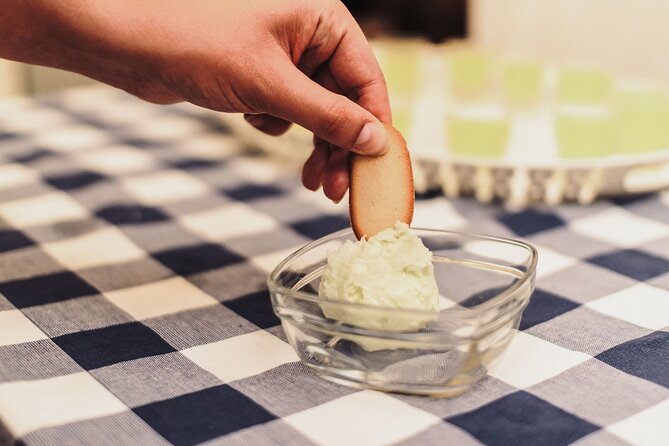
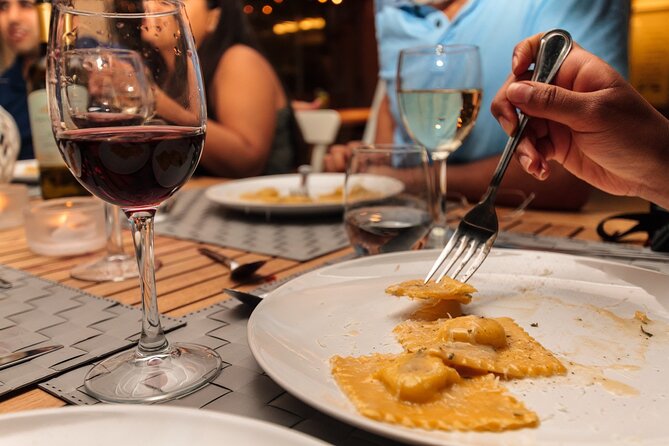
Once your pasta is ready, you eat it as a proper sit-down meal. The class includes two homemade pasta dishes and two sauces, and there’s also prosecco and wine during the meal. In the menu details, wine is described as bottomless, which is a big part of why this feels like a full dining experience, not a light class snack.
After dinner, you get homemade Italian gelato. The gelato portion is not just a store-bought afterthought. It’s prepared as the dessert capstone, so the night ends with something classic and satisfying.
This ending is a smart design choice. Pasta-making can feel like work when you’re rolling and shaping dough, and dessert gives you a clean landing. You leave with the taste of Italy, plus the confidence that you know what you did and how it came together.
The Small-Group Advantage: Why Max 14 Travelers Matters
This tour caps at 14 travelers, and that’s not just a number for comfort. It changes how you learn.
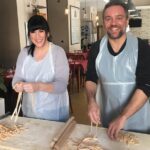
With a smaller group, it’s easier for the chef host to notice what’s happening with your dough and your shaping. It’s also easier to keep the class paced so you’re not stuck waiting while others catch up or your station gets ignored. Reviews repeatedly highlight instructors who use names, keep things fun, and manage a group smoothly, including people like Luca, Jamila, and Stefano being called out for hosting energy and attention.
You’ll also likely appreciate the social side. You’re cooking with strangers from different countries, then you eat what you made. That combination tends to create fast friendships, especially if you’re the type of traveler who enjoys chatting at the table instead of just posing for photos.


Pricing and Value: Is $65.30 Worth It
At $65.30 per person for about three hours, the value comes from what’s included, not from the label of a cooking class.
You’re paying for:
- A chef host and hands-on instruction
- Aperitivo + prosecco at the start
- Ingredients for two types of handmade pasta and two sauces
- Wine with dinner (menu notes bottomless wine)
- Gelato for dessert
If you’ve ever taken a cooking class elsewhere, you know the tricky part is often what happens afterward. This one bakes the “after” into the price: you don’t just learn pasta, you sit down and eat a meal built from it, with drinks and dessert included.
Also, the experience happens in the heart of Trastevere, so it’s timed well for a Rome evening. You meet in a public square, then your class ends back at the same meeting point, making it easy to roll into dinner or a neighborhood walk without spending time figuring out transportation.
Who Should Book (and When to Choose the Pizza Option)
This class fits best if you want a hands-on Rome experience and you like Italian food beyond the usual ordering routine.
Book it if you:
- Want to learn a skill you’ll actually use at home (hand-rolling, shaping, sauce pairing)
- Like eating with what you made, with wine and gelato included
- Enjoy small groups and a lively chef-led setup
You might consider the pizza making option instead if you strongly prefer pizza. The pizza class is also hands-on and includes unlimited wine and beer, plus a Nutella-topped dessert. It’s a good alternative if pasta feels intimidating or if pizza is your comfort food.
Diet-wise, the class is described as adaptable for many dietary needs, but it does exclude celiacs. If you have celiac disease, you’ll need to ask before booking so you don’t end up with the wrong option.
Practical Notes Before You Go
Here’s how to plan the night so everything goes smoothly.
Where you meet and end
You start at Piazza di San Giovanni della Malva (P.za di S. Giovanni della Malva, 00153 Roma) and you end back at the meeting point. That keeps logistics simple.
How much walking is involved
The class location is near public transportation, and the experience includes small movements within the neighborhood setting. It is not described as a long walking tour, but you should still expect some walking as you travel to the square.
Food expectations
Come hungry. The meal includes aperitivo nibbles, two pasta dishes with sauces, wine, and gelato. Multiple reviews stress that there’s a lot to eat, which is exactly what you want from a cooking class that also functions like dinner.
Discreet dietary communication
If you have dietary restrictions (other than celiac), contact the operator before you go so they can arrange your food.
Tips
Gratuities are optional, so factor that into your Rome spending if you plan to tip your chef host.
Should You Book This Rome Cooking Class?
Yes, you should book it if you want a hands-on Rome evening that leaves you with a real takeaway skill and a real dinner. The strongest reasons to go are the combination of instruction + meal and the small-group size that helps you get personalized guidance while still having fun with your group.
If pasta isn’t your thing, choose the pizza option instead. And if you have celiac disease, double-check compatibility ahead of time since the class notes an exception there.
If you’re on the fence, this is one of those activities that tends to become a highlight because it hits multiple travel goals at once: learn something, eat something excellent, and spend quality time in the Trastevere area after.
FAQ
How long is the Rome pasta cooking class?
The experience is about 3 hours.
What pasta do I make during the class?
You’ll learn to make fettuccine and ravioli, plus the class includes two sauces (white and red).
Is the class taught in English?
Yes, the tour is offered in English.
What drinks are included?
You get prosecco at the start and wine with your meal.
Is gelato included?
Yes. Homemade Italian gelato is included as the dessert.
Is this class small-group?
Yes. It has a maximum of 14 travelers.
Can I take a pizza class instead?
Yes. At booking, you can choose the Pizza Making Class option to prepare pizza from scratch. It includes unlimited wine and beer and a Nutella-topped dessert.
What about dietary restrictions, including celiac?
The class is adaptable to dietary needs with the exception of celiacs. If you have dietary restrictions, you should contact the operator before joining.