REVIEW · ROME
Rome: Hands-On Pasta & Gelato Cooking Class in the City’s Heart
Book on Viator →Operated by Towns of Italy · Bookable on Viator
Fresh pasta in Rome, with flour on your hands. You’ll get real hands-on pasta making skills, plus a digital recipe booklet you can use at home. One important consideration: the class is not suitable for celiac disease.
What I like most is how the chefs turn cooking into something you can follow step by step, not just watch. The energy tends to be friendly and funny too, with instructors such as Chef Duccio and Julia described as genuinely engaging and strong teachers. You’ll also share a proper meal at the end, and that includes unlimited wine for adults.
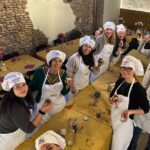
Before you go, know this is a short, focused session. It runs about 3 hours, it’s capped at 20 people, and it’s held in all weather, so dress for warm kitchens and outdoor walks to the meeting point.
In This Review
- Key Highlights You’ll Care About
- Where You Start: Palazzo Colonna and a Quick Set-Up
- Egg Pasta Dough: The Real Skill Behind Italian Comfort Food
- Ravioli and Tagliatelle: Two Pastas That Teach Two Sauce Styles
- The Gelato Demonstration: Technique, Timing, and Why It Doesn’t Taste Frozen
- What You Eat: Unlimited Wine, a Real Meal, and a Certificate
- The Digital Recipe Booklet: Your At-Home Roadmap
- Chef Personality Matters: Chef Duccio and Julia’s Teaching Style
- Price and Value: Why $63.21 Can Actually Make Sense
- Dietary Rules in Plain Terms (Including the Celiac Limit)
- Who This Class Is Best For (And Who Should Skip It)
- Quick Tips to Make the Day Smoother
- Should You Book This Rome Pasta and Gelato Class?
Key Highlights You’ll Care About
- Hands-on egg pasta dough so you learn the technique, not just the final shape
- Two pastas plus seasonal sauces (including ravioli and tagliatelle options)
- Gelato-making demonstration with practical technique and history
- Meal included with unlimited wine, plus soft drinks for children
- Vegetarian-friendly with advance notice, plus allergy notes you should share early
Where You Start: Palazzo Colonna and a Quick Set-Up
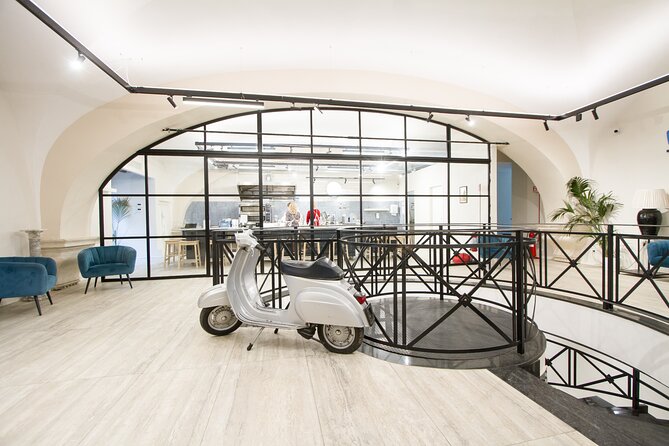
You meet at Palazzo Colonna on Via Quattro Novembre, 139 (00187 Rome). The location is convenient for getting there by public transportation, and the class returns back to the same meeting point when it’s done. That matters in Rome, where time and walking add up fast.
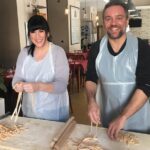
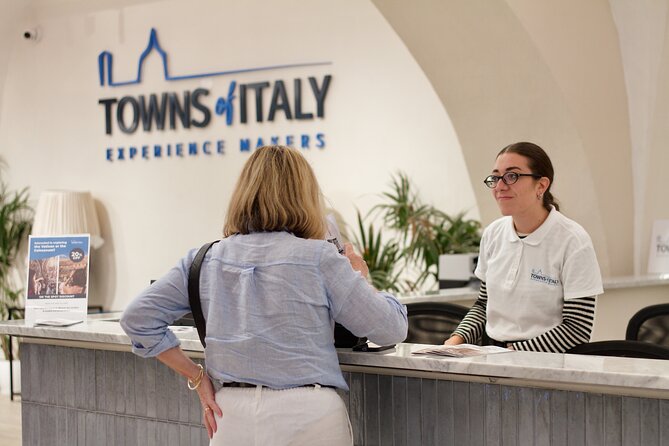
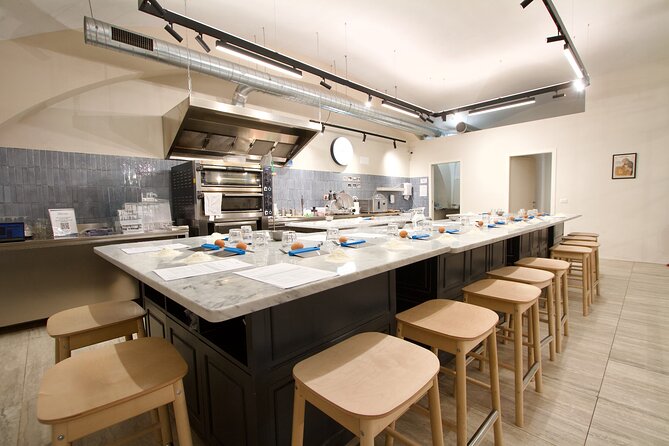
You’ll want to arrive a few minutes early. You’ll be checking in with your mobile ticket, then getting into aprons and using top-quality tools provided for the class. That’s a smart setup: you don’t have to bring gear, and you can focus on learning the method.
It also runs in all weather. You’re not signing up for an outdoor-only activity that can get canceled. Still, Rome can feel hot or humid in summer, so wear breathable clothes and expect to be in a working kitchen.
You can also read our reviews of more tours and experiences in Rome.

Egg Pasta Dough: The Real Skill Behind Italian Comfort Food
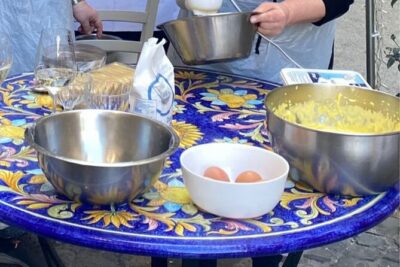
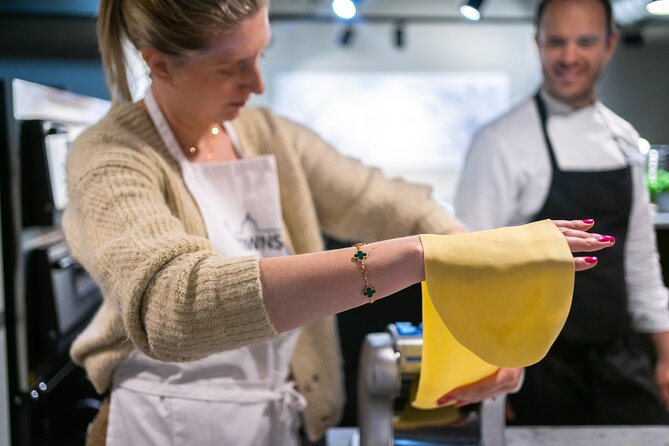
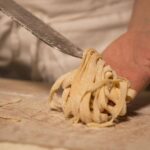
The core of the class is handmade pasta. You’ll learn to make egg pasta dough from scratch, which is the part most people usually miss when they only taste Italian food. Here, you’re working with the ingredients and the texture until it turns into something you can roll and shape.
Why this matters: once you understand the dough basics—how it comes together, how it feels, and how it behaves—you can stop guessing at home. Store-bought pasta is fine, but homemade dough has a different bite and takes sauce more gracefully.
You’re also learning practical handling, like how to work the dough without overworking it and how to keep it workable while you form shapes. Even if you’ve made pasta before, doing it in a structured class format helps you correct habits quickly.
Chef instruction also tends to be hands-on in a small group. That’s where the class size cap (up to 20) becomes valuable. You’re not lost in a big crowd.
Ravioli and Tagliatelle: Two Pastas That Teach Two Sauce Styles
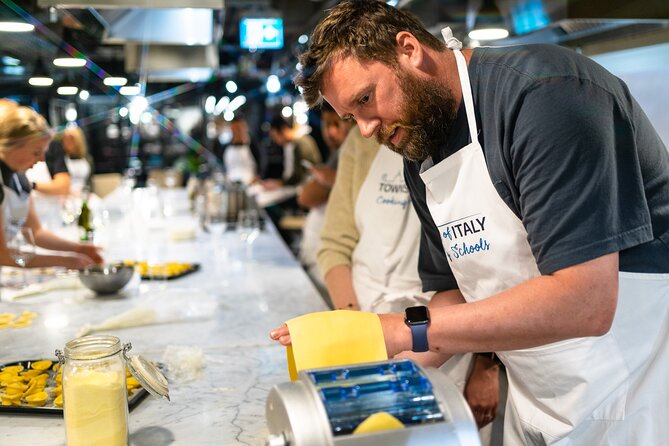
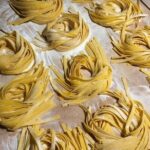
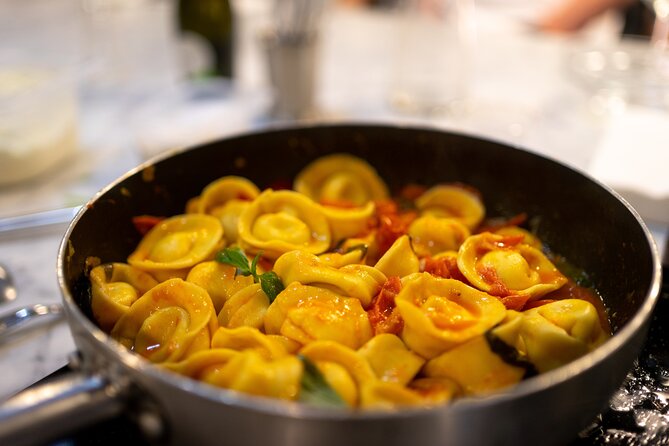
You’ll create filled fresh pasta—ravioli filled from scratch—and also make a fresh pasta such as tagliatelle. The sauces are seasonal, and you may get choices like pesto, pummarola, or a creamy regional recipe.
This pairing is a useful learning strategy. Ravioli is about filling and sealing, then matching it with a sauce that complements the richness. Tagliatelle is more about surface area and how sauce clings as the pasta catches it.
One practical win: you’re not just learning recipes as isolated dishes. You’re learning how pasta shape affects sauce choice. That translates well to your kitchen back home, where you’ll likely want to swap ingredients without losing the overall texture balance.
Also, the class includes enough structure that you don’t have to stand around waiting for someone to do everything for you. It’s hands-on, then you move forward with cooking tasks as the group progresses.
The Gelato Demonstration: Technique, Timing, and Why It Doesn’t Taste Frozen
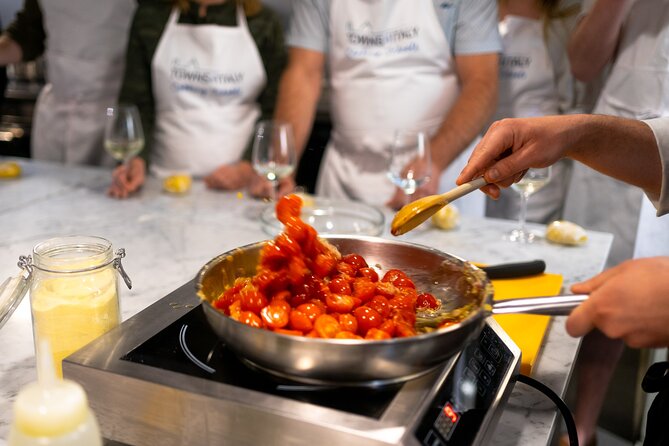
After the pasta work, you’ll watch a gelato demonstration. This is not a vague tasting at the end—it’s a real look at how gelato is created, and the chef shares tips along the way.
Gelato can be confusing because people assume it’s just ice cream with different flavoring. The demo helps you understand the technique side: how you achieve smoothness and the right consistency. You’ll also hear about the dessert’s history and the methods behind this beloved Roman staple.
At the end, dessert is included: gelato in either vanilla or chocolate (as listed). Even if you’re not a hardcore dessert person, you’ll likely appreciate how the gelato section ties the day together. You finish with something you can recognize, then you leave with a clearer sense of why it tastes the way it does.
If you’re thinking about repeating gelato at home, pay attention to the chef’s tips. The goal here is not to turn you into a gelato machine in one afternoon, but to give you enough technique knowledge to try the method later.
What You Eat: Unlimited Wine, a Real Meal, and a Certificate
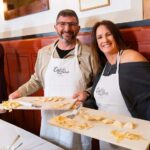
You get an amazing meal as part of the class. Adults receive unlimited wine, while children get soft drinks. That’s a big value point because it’s not just “snacks included.” You’re essentially getting a guided dinner built around the cooking you just did.
The certificate at the end is a nice touch for two reasons. First, it marks the class as a real activity, not a casual demo. Second, it gives you something to remember the day by—especially if you’re traveling with family or friends.
You’ll probably feel the difference between this and a typical tourist food stop: you’re not just eating food someone else prepared. You’re cooking, learning, then sharing what you made as part of the meal.
If you’re planning your day in Rome, consider that you’ll likely be full. After cooking and eating, you may not want a heavy dinner later the same night.



The Digital Recipe Booklet: Your At-Home Roadmap
One of the best parts for practical travelers is that you receive a digital recipe booklet. It’s not just a list of ingredients. It’s meant to help you recreate what you made for family and friends.
This is where the class becomes useful beyond the fun of cooking in Rome. A booklet gives you a reference for the steps and the overall approach, which is what you need when you don’t have the chef next to you.
Think of it as your shortcut through the “What did I do again?” problem. You’ll still need practice, but you’ll have a starting point that’s specific to the recipes you prepared.
If you like cooking, this is the section you’ll appreciate most later. If you’re not a big cook, it still helps, because it gives you a realistic way to try one dish at home rather than having the day fade into a memory.
Chef Personality Matters: Chef Duccio and Julia’s Teaching Style
Food classes live or die by the instructor. The vibe here tends to be friendly and supportive, and the teaching style is often described as personable and funny, with real stories shared while cooking.
In past sessions, names such as Chef Duccio and Julia come up in connection with that teaching energy. That’s a good sign for you, because you’ll likely get clearer explanations and better pacing when the instructor can keep attention and explain without rushing.
Even if you’re a beginner, you’ll probably pick up more than just recipes. You’ll learn small choices—like how dough should feel or how to manage timing while working with multiple components. Those are the differences between a dish that’s “okay” and one that tastes right.
Price and Value: Why $63.21 Can Actually Make Sense
At $63.21 per person for about 3 hours, this class is priced like a mid-range Rome activity. The key question is value: what do you get for that money?
You’re paying for:
- hands-on instruction for pasta-making
- a gelato demonstration
- aprons and top-quality utensils
- a graduation certificate
- a digital recipe booklet
- and a full included meal with unlimited wine
When you add up those pieces, it becomes more than “a cooking show.” You’re getting a structured, guided session with real food production and a meal. That’s often where cooking classes justify their cost in a city like Rome, where you can easily spend a similar amount just on dining without gaining a new skill.
Two things to keep in mind:
- You need to eat and drink within the class flow, so plan your schedule around it.
- If you don’t drink wine, the value still includes the meal and cooking lesson, but you may feel the beverage benefit less.
Dietary Rules in Plain Terms (Including the Celiac Limit)
This class is vegetarian-friendly with advance notice. If you want vegetarian options, you need to notify in advance so the team can prepare accordingly.
You should also inform them of any food intolerance or allergies in advance. That part matters because cooking is hands-on and ingredients are central to the method.
However, there’s an important limitation: the class is not suitable for people with celiac disease. If gluten safety is a must for you, you’ll want to look for a celiac-safe cooking option instead.
One more practical note: pets aren’t permitted. If you’re traveling with a pet, you’ll need separate arrangements.
Who This Class Is Best For (And Who Should Skip It)
This suits you best if you:
- want a hands-on Rome activity instead of another sit-and-watch tour
- enjoy Italian cooking and want a repeatable skill at home
- like the idea of ending with a meal that includes unlimited wine
- want vegetarian options when arranged ahead of time
It may not fit as well if you:
- need a celiac-safe environment (the class isn’t suitable for celiac disease)
- prefer learning without participating in active food prep
- are coming with dietary needs that require strict handling and cross-contamination control beyond what’s stated
It’s also a good choice for small groups because it’s capped at 20 people. That tends to make instruction more practical.
If you’re visiting with kids: children under 18 must always be accompanied by at least one adult. Soft drinks are included for children, but the adult supervision rule is non-negotiable.
Quick Tips to Make the Day Smoother
A few practical steps can help you enjoy the full class without stress.
- Wear clothes you don’t mind getting a little messy. Pasta is flour plus hands-on work.
- Bring an alert, patient mindset. The cooking pace moves through steps in sequence.
- If you have any intolerance or allergy, tell the organizers in advance. Don’t wait until you arrive.
- If you’re vegetarian, notify early so the kitchen can plan properly.
- Since the class runs in all weather, wear comfortable shoes for getting to and from the meeting point.
Also, note that no-shows won’t be refunded. If your plans change, handle it early.
Should You Book This Rome Pasta and Gelato Class?
If you want an experience that blends real cooking with a meal you can enjoy immediately afterward, I’d say book it. The big selling points are the hands-on egg pasta dough training, the practical pasta-and-sauce learning (ravioli plus tagliatelle), and the included dessert through a gelato demonstration.
It’s also strong value for the price because you’re not just paying for tasting—you’re paying for instruction, tools, your meal, and follow-up recipes you can use later.
Just be sure it fits your needs: it’s vegetarian-friendly with notice, but not suitable for celiac disease. If that works for you, this is a fun, skill-building way to spend a few hours right in Rome’s center.