REVIEW · ROME
Pasta Making and Tiramisù Cooking Class in Rome
Book on Viator →Operated by Inrome Cooking Srl · Bookable on Viator
Fresh pasta and tiramisù, right in central Rome. This hands-on class pairs Roman techniques with a relaxed, social dinner-style meal at the end.
What I really like is the hands-on pacing: you’re kneading and shaping dough by hand, not just watching. I also like that you get coaching on two pasta types plus a classic tiramisù, and you leave with take-home guidance to cook again later.
One thing to consider: the room can get lively. A small number of people reported it felt a bit tight or loud, so if you’re very sensitive to noise, go in with your expectations set for an active kitchen.
In This Review
- Key highlights worth planning for
- Corso del Rinascimento meeting point and the short walk to the kitchen
- Welcome drinks and antipasti: the easiest way to start eating like Romans
- A 17th-century school kitchen with real tools (and a chance it gets loud)
- Making fresh pasta by hand: kneading, shaping, and learning why it matters
- Roman sauces: two classic options plus the big idea of a base sauce
- Tiramù: a dessert lesson with technique, not just assembly
- The meal at the end: sit down, taste, and use the wines as guidance
- Small-group coaching: max 15, often feeling even smaller
- Price in Rome: what you’re paying for at $119.77
- Dietary options and who should book this class
- Quick decision: should you book it?
- FAQ
- How long is the cooking class?
- Where does the class meet?
- Do I need transportation included?
- What time does it start?
- What will I cook?
- Is it a small group?
- Are vegetarian or gluten-free options available?
- What’s included in the price?
Key highlights worth planning for
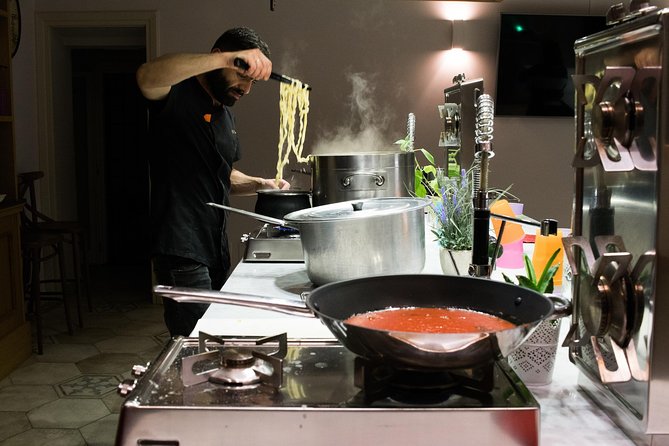
- Pasta and tiramisù, both taught step by step in one session
- Prosecco, antipasti, and wine included with the meal you make
- Central Rome location near Piazza Navona, in a long-running 17th-century school setup
- Small-group format (max 15) that keeps the focus on your station
- Professional equipment plus lots of take-home tips for recreating the dishes
Corso del Rinascimento meeting point and the short walk to the kitchen
The experience starts at Corso del Rinascimento, 65 (00186 Roma RM). You’ll have a mobile ticket, and the class ends back at the same meeting point.
One practical detail: you might be asked to take a short walk to the active teaching kitchen nearby. This isn’t unusual in central Rome, but it matters if you’re trying to pinpoint your exact door at check-in.
Timing is set for 5:30 pm, and the class runs about 2 hours 30 minutes. That makes it a great plan for evenings when you want something structured but still very Roman—food, people, and conversation.
You can also read our reviews of more tours and experiences in Rome.
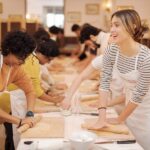
Welcome drinks and antipasti: the easiest way to start eating like Romans
Before you start working at your station, you get a warm welcome with fresh drinks and Italian antipasti. You’ll also start with Prosecco as part of the starter.
This part isn’t just a nice add-on. It sets the tone. Instead of arriving, grabbing water, and jumping straight into flour chaos, you get a moment to settle in, meet your instructor, and start tasting what’s coming next.
You’ll also get bottled water, and the overall meal includes alcoholic beverages and soft drinks, so you can plan on a relaxed, sit-down finish—not just a snack-and-go lesson.
A 17th-century school kitchen with real tools (and a chance it gets loud)
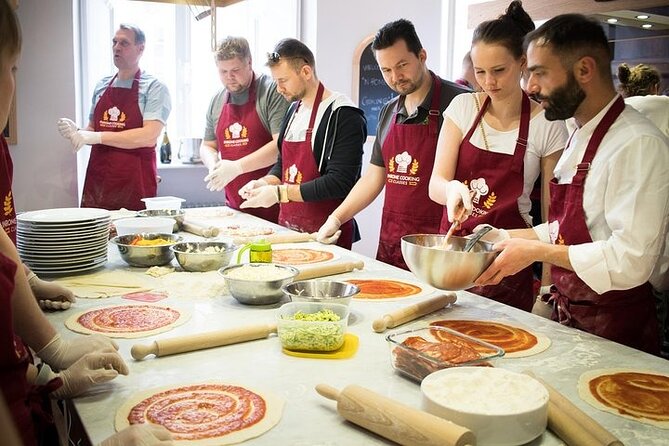
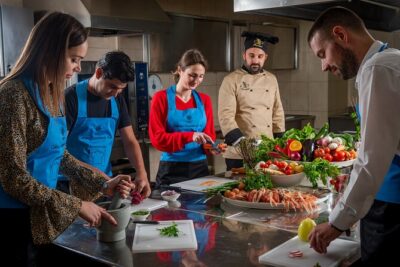
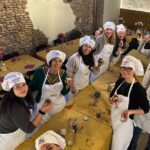
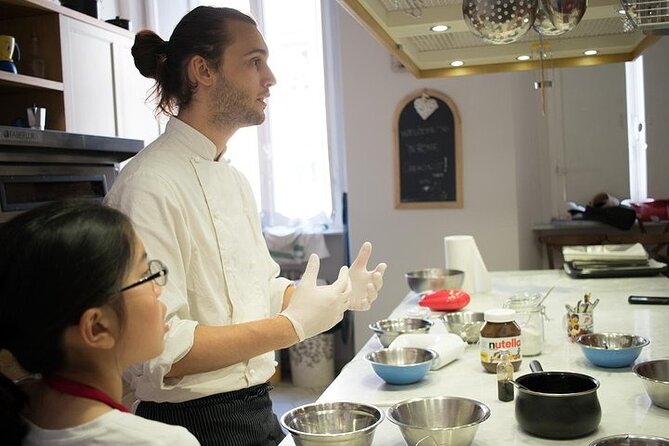
The lesson takes place in a proper Italian kitchen inside a charming 17th-century cooking school in central Rome. The key point for your expectations: the kitchen is designed for teaching, not for a photo-only demo.
In one response to a negative review, the provider explains the kitchen size as about 110 m² (1,180 square feet) and that they run two chefs with up to nine guests each. That’s why most people feel it’s intimate and hands-on—but it’s also why the room can get lively.
My advice: if you’re going for the food and the technique, you’ll likely love this. If you’re traveling with someone who needs quiet, it may be better to go earlier in your planning day so you’re not already stressed by crowds and sound.
Making fresh pasta by hand: kneading, shaping, and learning why it matters
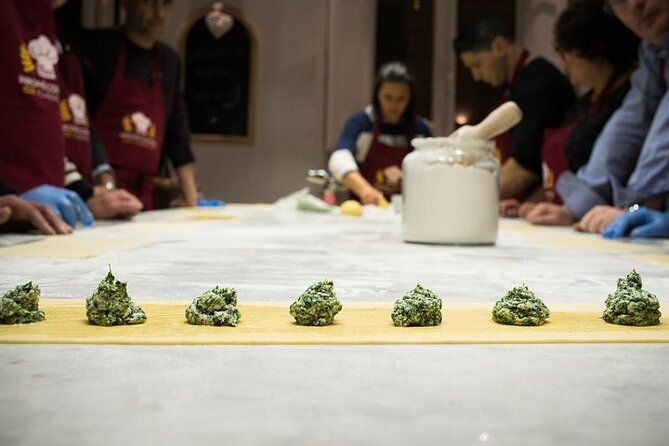
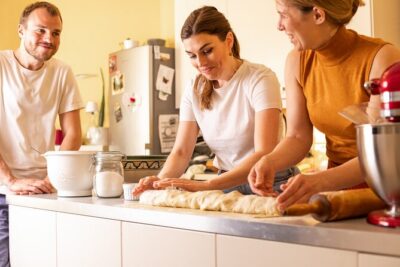
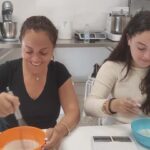
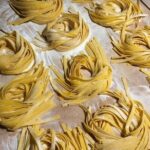
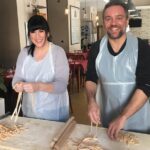
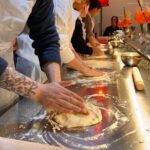
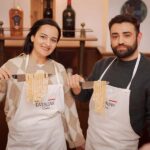
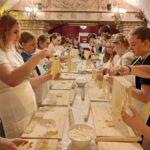
You’ll learn to make fresh pasta from scratch, including the core skills that make homemade dough work. The class is hands-on, so you’re not just mixing ingredients—you’re kneading and shaping by hand.
The class focuses on two pasta types, and you’ll be coached throughout the steps. Several instructors are mentioned in reviews—people describe teachers who are patient and clear, including David and Simone. Other names that come up often include Francesco, Marco, Max, Sara, and Alessandro.
What you’re really buying here is understanding the dough. Even if you don’t remember every exact technique later, you’ll start to feel things like:
- how the dough should change as you knead
- what shaping should look like before it’s cooked
- how to handle timing so the pasta cooks well at the end
If you’ve ever made pasta at home and ended up with something gummy or fragile, a class like this helps you connect the dots between method and texture.
Roman sauces: two classic options plus the big idea of a base sauce
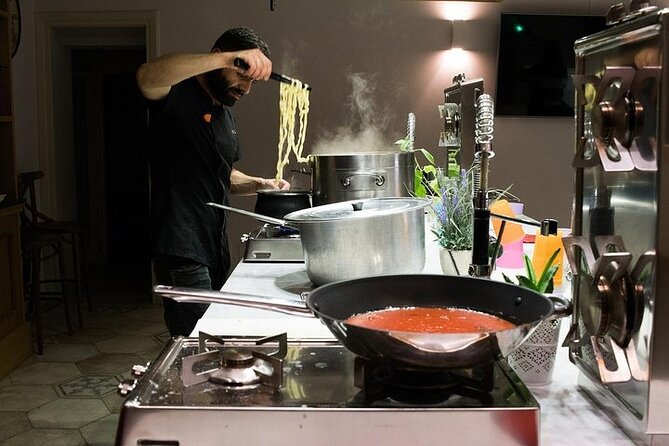
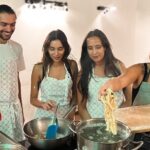
Your main course includes fresh pasta (two types) paired with two types of authentic Roman sauces. The class teaches you how to cook those sauces and, more importantly, how the ingredients interact.
This is where the “value” of a cooking class shows. Recipes are easy to find. But a good instructor helps you understand the logic—why certain flavor combinations work and what adjustments matter.
One detailed review emphasizes learning how you can start from one base sauce and create many others. That’s the kind of takeaway that can turn this from a one-time experience into a useful skill you’ll actually use at home.
You can also expect plenty of practical tips. Some reviews mention substitution advice, and at least one note highlights how instructors explain cross-contamination steps for allergies. If dietary needs apply, plan to arrive ready to communicate what you need.


Tiramù: a dessert lesson with technique, not just assembly
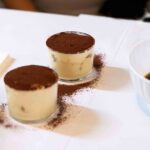
Then you shift gears to dessert: you’ll prepare homemade tiramisù. The class includes teaching the history and the technique—so you’re not just layering ingredients and hoping.
In reviews, multiple people describe the tiramisù as easier than they expected once guided step by step. That makes sense: tiramisù has a few key moments where timing and texture matter, and an instructor can save you from common mistakes.
You’ll also get your own hands into the process. Expect to work through mixing and assembly in a way that helps you see what the dessert should look like as you go.
The meal at the end: sit down, taste, and use the wines as guidance
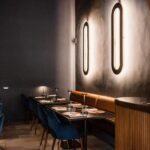
After cooking, you sit down to savor your dishes. The included menu follows the same arc as the best Roman meals: start, main, dessert.
What’s included:
- Starter: welcome Prosecco and Italian appetizer
- Main: pasta (two types) with two Roman sauces
- Dessert: homemade tiramisù
- Beverages: local wines plus soft drinks (and Prosecco at the start)
- Bottled water
Because the session starts in the evening, this often plays like a full dinner even if the package wording mentions lunch. Either way, you’re not left with just a to-go bag of ingredients. You get to eat what you made.
Also, the small-group setup tends to make the dinner portion social. Several reviews mention chatting and friendly interaction at the table—exactly what you want after spending hours in a shared cooking space.
Small-group coaching: max 15, often feeling even smaller
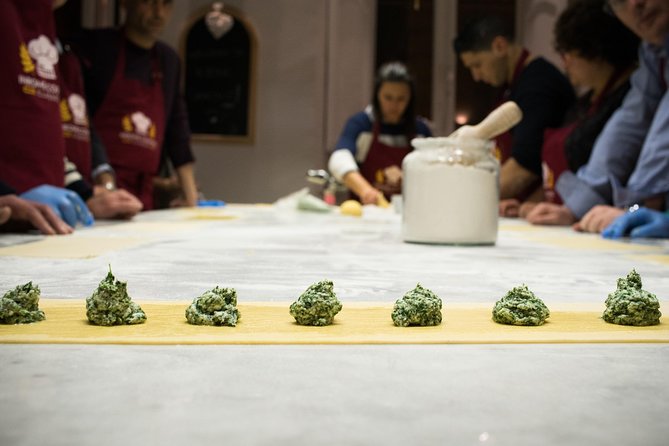
The tour is listed as max 15 travelers, and that matches what you want from a pasta and dessert class. If the group were larger, your hands would spend the evening waiting and your questions would pile up.
In positive feedback, people repeatedly call out how personal the instruction feels. Some mention groups around eight people and spacious studios. The kitchen setup allows two chefs, which helps keep attention closer to you rather than spreading it thin across a crowd.
This is also why the negative experience stood out: one complaint described two separate classes running in a very tight, loud space. Since the kitchen can be lively, your best bet is to stay flexible. But the overall rating—4.9 from 217 reviews, with 98% recommending—suggests the day-to-day experience is usually very workable and enjoyable.
Price in Rome: what you’re paying for at $119.77
At $119.77 per person for about 2.5 hours, this isn’t a cheap activity. But it’s also not overpriced for what you’re getting.
You’re paying for:
- real instruction in a professional kitchen
- hands-on cooking of two pastas plus tiramisù
- food tasting and a full sit-down meal (starter, main, dessert)
- Prosecco and wine plus soft drinks and bottled water
- take-home tips/recipes
In other words, you’re not just buying a class. You’re buying a guided meal plus a skill you can reuse. If you were going to spend a similar amount on a restaurant meal, this often feels like the better value because the learning is tangible and the food is yours, not a performance by someone else.
Also, with free cancellation up to 24 hours (when you’re within the cutoff), you can book without feeling trapped.
Dietary options and who should book this class
The experience offers vegetarian and gluten-free options. That’s a meaningful plus for Italy, where “Italian food” often still assumes wheat flour and shared sauces.
Who this suits well:
- couples who want a date night that’s interactive
- friends who like shared projects
- solo travelers who want built-in conversation with instructors and other diners
- families, including kids and teens (reviews include ages spanning from young children up through adults)
Who might want to pick a different class:
- anyone who needs a quiet, controlled environment
- people who hate being hands-on in a shared kitchen space
- anyone who wants a passive tasting only (this is a make-and-eat experience)
If you enjoy the idea of learning technique—like how dough should feel and how sauce choices change the final dish—this is a strong match.
Quick decision: should you book it?
I’d book this if you want a high-success pasta night in Rome: clear steps, hands-on making, and a real meal at the end with wine. The best reviews line up around the same themes: great instructors, patient coaching, and food that feels satisfying because you cooked it yourself.
I’d hesitate only if noise and tight quarters would ruin your evening. One negative review described sound and space issues, and since the kitchen can be lively, you should assume it’s not a hushed cooking lab.
If you’re flexible and hungry for technique, this class is one of the most practical ways to “do Rome” beyond sightseeing. You’ll leave with pasta skills, tiramisù confidence, and a dinner story you can actually retell later.
FAQ
How long is the cooking class?
It runs about 2 hours 30 minutes (approx.).
Where does the class meet?
You start at Corso del Rinascimento, 65, 00186 Roma RM, Italy.
Do I need transportation included?
No. Hotel pickup and drop-off are not included, and transportation to and from attractions is not included.
What time does it start?
The listed start time is 5:30 pm.
What will I cook?
You’ll learn to make two types of fresh pasta and homemade tiramisù, plus you’ll prepare two types of Roman sauces.
Is it a small group?
Yes. The experience has a maximum of 15 travelers.
Are vegetarian or gluten-free options available?
Yes. Vegetarian and gluten-free options are available.
What’s included in the price?
You get food tasting, light refreshments, a meal (starter and main plus dessert), bottled water, and alcoholic beverages and soft drinks.