REVIEW · ROME
Cook With Us in Rome: A Hands-On Cooking Experience 09:20AM class
Book on Viator →Operated by Cook With Us in Rome · Bookable on Viator
Handmade pasta in Rome beats another museum day. This 4-hour, small-group class mixes a market start, a chef-led cooking lesson, and an easy hang with other visitors at the table. You’ll make a full meal with three courses, from fresh pasta shapes to dessert, in a studio setting where you actually get your hands involved.
I like two things a lot: the market ingredient hunt first thing, and the hands-on pasta work afterward. You’ll learn to make pasta from scratch and then turn out starters, sauces, and tiramisu, not just watch someone cook.
One thing to plan around: on Sundays and in afternoon classes, the market step is skipped because it’s closed. Also, this is a real time block—great for food lovers, but it will pull you away from sightseeing for about half your day.
In This Review
- Key things to know before you go
- Why This 9:20 AM Cooking Class Works So Well in Rome
- Market Shopping and the Produce Details You’ll Use Again
- Back to the Studio: Pasta From Scratch, Shapes, and Timing
- Starters and Antipasto: Getting Flavor Right Before the Main Event
- Sauce Lessons: How You Link Pasta to Real Italian Flavor
- Tiramisu for Dessert: The Sweet Finish You Can Recreate
- English Instruction, Hosts Like Gianni and Cesare, and What the Group Feeling Is Like
- Family-Friendly Cooking and Vegan Options That Don’t Feel Like an Afterthought
- Price and Value: What $145.18 Buys You in Real Terms
- Quick Practical Tips Before You Book
- Should You Book This Rome Cooking Class?
- FAQ
- What time does the class start?
- How long is the cooking experience?
- What is the price per person?
- Is the class in English?
- Will we shop at a market?
- Is there a vegan option?
Key things to know before you go
- Market-to-studio format: you shop first, then walk and cook
- You make the meal: pasta from scratch, plus antipasto and sauces
- Dessert included: tiramisu is part of the program
- Up to 10 people: enough hands-on time without feeling lost
- Diet-friendly option: water-based pasta can be suitable for vegan
- Family-friendly: kids can join and participate
Why This 9:20 AM Cooking Class Works So Well in Rome
The 9:20 AM start time is a smart move in Rome. You beat the worst of the crowds, you get your hands on the day early, and you still have time left for a second round of sightseeing later.
This class is also built for real participation. You are not paying just to eat a nice lunch; you’re learning how to make a Roman meal you can repeat at home. That’s why a lot of people describe it as a highlight, and why it tends to fit both first-timers and return visitors.
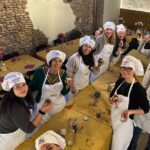
Finally, the small size matters. With a maximum of 10 travelers, you get more attention while you’re working dough, shaping pasta, and figuring out sauce rhythm. You’re cooking in the same flow as the group, not waiting for your turn.
You can also read our reviews of more tours and experiences in Rome.
Market Shopping and the Produce Details You’ll Use Again
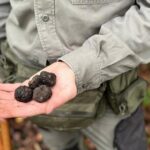
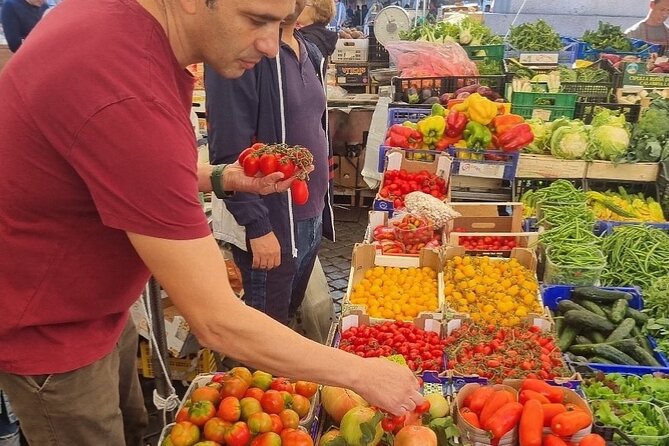
Your day begins with a local market stop where you shop for fresh ingredients. The market part isn’t just scenery—it sets the flavor logic for the entire meal. You’re learning what to look for, how ingredients behave in Italian cooking, and why some choices taste better together.
On Sundays and in afternoon sessions, the market is skipped because it’s closed. So if you want that ingredient-shopping step, aim for the morning class on a weekday.
From there, you’ll take a short walking tour through Rome’s historic center on your way to the studio. In practice, it’s an easy transition: you’re moving at a comfortable pace, getting your bearings, and arriving ready to cook instead of still thinking about where to go next.
Back to the Studio: Pasta From Scratch, Shapes, and Timing
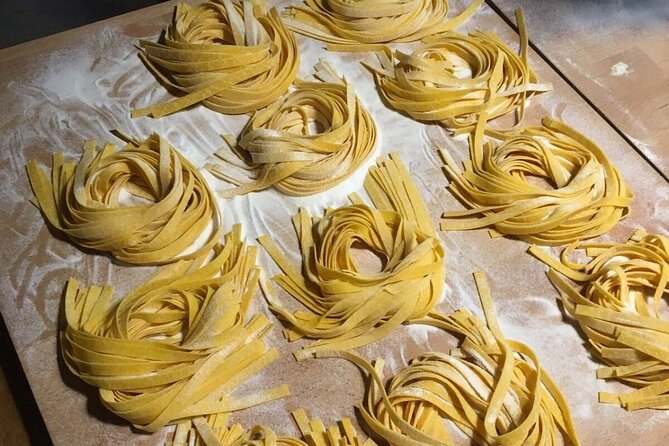
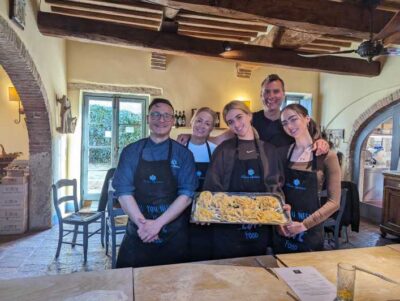
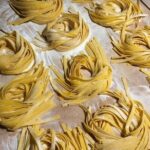
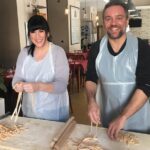
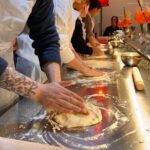
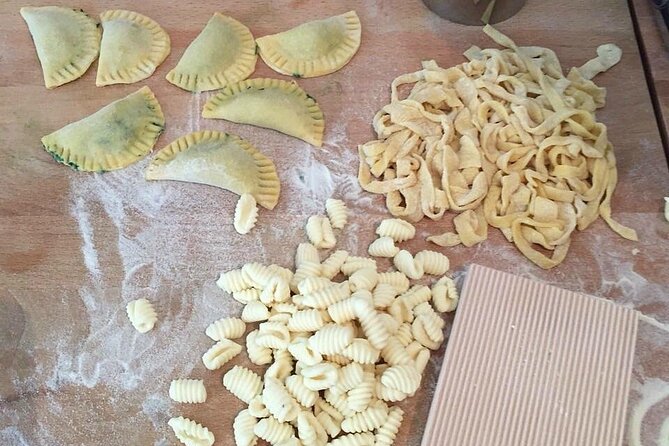
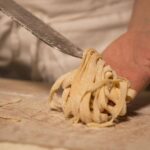
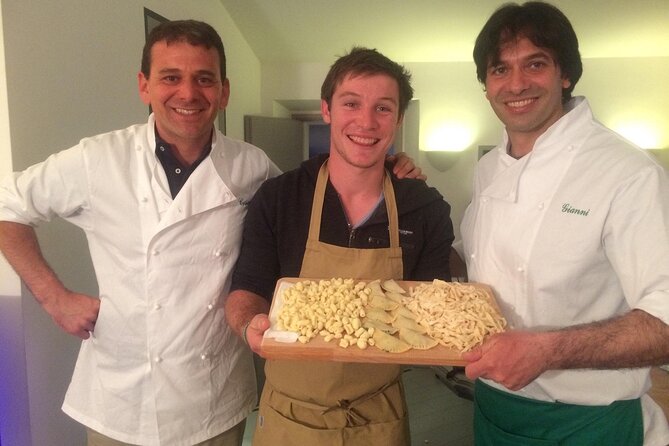
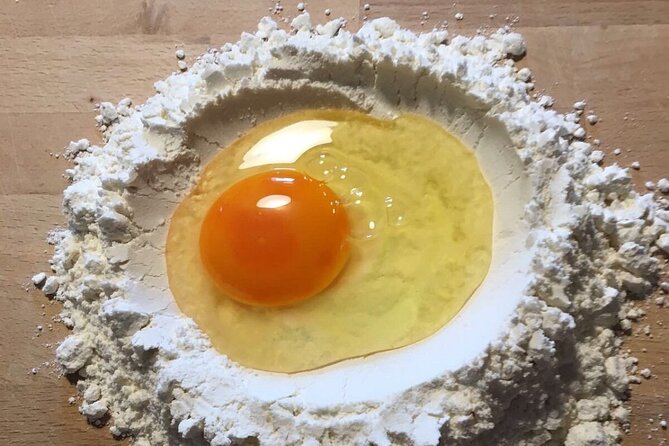
Once you reach the studio, the main event begins: fresh pasta from scratch. The class covers multiple pasta types—fettucine, cavatelli, and ravioli are named in the program. That’s a big deal because each shape asks for a slightly different technique, and you learn what changes and what stays the same.
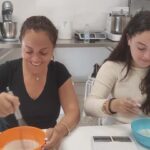
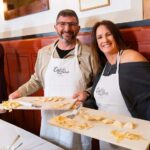
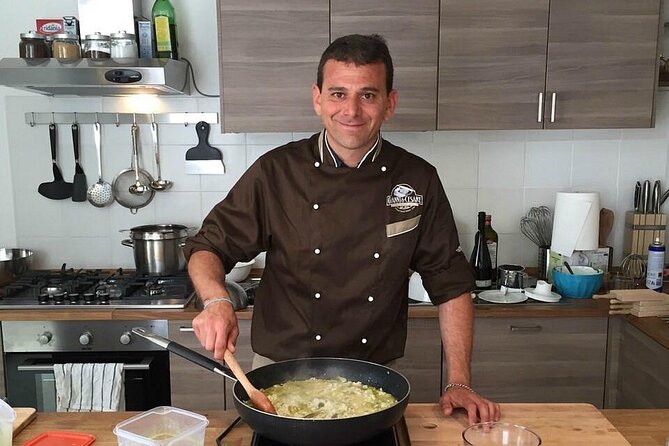
The instruction style is hands-on and patient. In real reviews, people call out how the chefs talk clearly, slow down when needed, and keep things fun even if you’ve never rolled dough before. One of the chefs named in the stories is Gianni, and another is Cesare—both are described as warm, entertaining, and very involved during the cooking.
Timing is managed so you can actually finish and not feel rushed. You’ll be working through dough, then shifting into starters and sauces, then dessert. If you tend to get overwhelmed by kitchen chaos, this structured flow is a big part of why the class earns such consistently strong ratings.
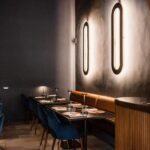
Also, the studio itself is set up for cooking classes. Reviews mention it feels professionally arranged and easy for a small group to maneuver, with an energy that kicks in as soon as you walk in.
Starters and Antipasto: Getting Flavor Right Before the Main Event
You’re not just making pasta. The class includes an antipasto and starters that help you understand how Italians build flavor across courses.
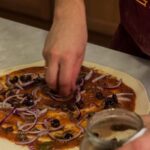
Two starter examples from the menu are zucchini blossoms in tempura and Roman herbed artichoke (when available). These are useful lessons because they show how Rome-style cooking thinks: texture matters, herbs matter, and simple ingredients become special through method.
If you’ve only ever treated antipasto as something you order, this is the payoff. You learn what makes a starter feel balanced on the plate, and you practice timing so everything lands at the table together.
And yes, you’ll be tasting along the way. Several reviews mention sipping prosecco and enjoying wine during the meal. That doesn’t turn it into a party—it just makes the work feel like a celebration.
Sauce Lessons: How You Link Pasta to Real Italian Flavor
One of the most valuable parts of the class is that you don’t stop at pasta dough. You also learn to make two different pasta sauces, which is where many cooking classes fall short.
This is where you pick up the kind of kitchen thinking you can use later. Instead of copying a restaurant dish, you start understanding how sauce and pasta work together: thickness, seasoning, and how long you let ingredients develop flavor.
The menu also points to a “water based pasta” option suitable for vegan, plus fresh handmade egg pasta. That variety helps you see the difference between styles, even if you eat meatless only sometimes. You still learn sauce fundamentals, then you apply them to the pasta you’re making that day.
If you want your meal to taste like Italy instead of like pasta homework, this sauce portion is a key reason to book.


Tiramisu for Dessert: The Sweet Finish You Can Recreate
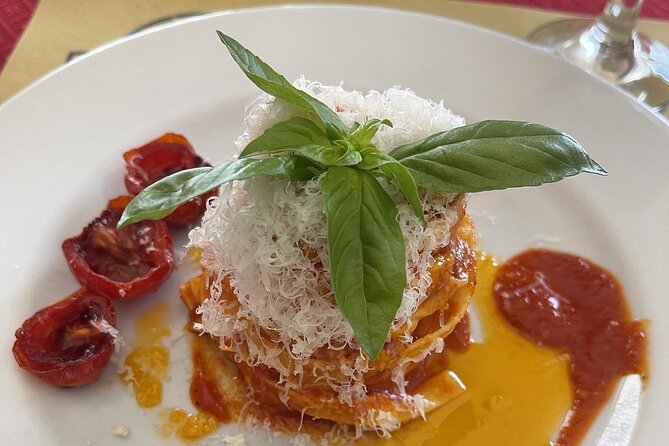
Dessert is tiramisu, and it’s included as part of the three-course program. Even if you’ve had tiramisu a hundred times, making it in class tends to change how you see it—because you learn what’s essential in the process, not just the final look.
It also gives you a satisfying endpoint. After hours of dough and sauce work, dessert feels like the reward that proves the whole lesson was worth it.
Reviews repeatedly mention that the meal is delicious, but the standout is that you’re not just eating it—you’re part of how it comes together. That’s why people call it a memorable day rather than just a nice activity.
English Instruction, Hosts Like Gianni and Cesare, and What the Group Feeling Is Like
The class is offered in English, and it stays small with a maximum of 10 travelers. That combination matters because cooking is fast, and you need instructions that are easy to follow.
The chefs and hosts are a big part of the experience. Gianni is repeatedly named in reviews, and Cesare shows up too. People describe them as funny, warm, and very attentive—one review even highlights a host who teaches while keeping the mood light and the wine moving.
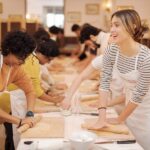
What I’d watch for is that this is a shared table situation, not a silent cooking lab. You’ll be talking, working, laughing, and eating together. If you like a social pace while still learning practical skills, you’ll probably feel right at home.
Family-Friendly Cooking and Vegan Options That Don’t Feel Like an Afterthought
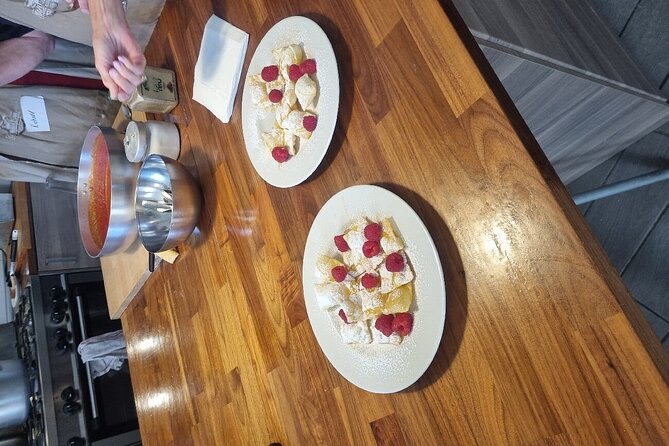
This class is family-friendly. If you’re traveling with kids, you’re not stuck finding a separate activity while adults cook. The program is set up for people to participate, and reviews specifically mention kids and teens having a great time making pasta.
Food needs are also taken into account. The menu notes a vegan-suitable main as water based pasta. That’s helpful because it means the class isn’t “everyone eats the same thing” by default.
That said, the program data doesn’t list allergy handling in detail. If you have a serious allergy, I’d treat this as a question to confirm directly with the provider before you book.
Price and Value: What $145.18 Buys You in Real Terms
At $145.18 per person, you’re paying for more than a cooking demonstration. You’re paying for a guided market start, ingredient-based instruction, hands-on pasta practice, two sauce lessons, antipasto/starter work, and dessert—plus time together in a small group.
Compared to many Rome cooking classes that focus on one dish, this program aims for a complete meal. That’s why people often frame it as a best-value activity: you leave with both skills and a full, satisfying dinner.
The small group size also supports value. With up to 10 people, you’re more likely to get feedback while you’re shaping pasta and adjusting sauce. In a bigger class, those details can get lost.
Add in the social meal element—reviews mention wine and prosecco—and the cost starts to make sense as a day of guided food learning, not just a ticket to eat.
Quick Practical Tips Before You Book
A few practical points will help you get the most out of your morning class:
- Arrive with time to settle in. The meeting point is VyNique Farnese, Via Dei Baullari 106, 00186 Roma. Build in a few buffer minutes, especially if you’re using public transit.
- Wear shoes that handle kitchen floor life. You’ll be standing and moving while pasta dough sets up and pans heat.
- If you’re a light eater, remember this class includes starters, pasta with sauce, and tiramisu. I’d treat it as your main meal rather than a snack between sights.
- If you want the market step, book a morning slot on a day when it runs. Sundays and afternoon classes skip it.
One more good point: the meeting location is near public transportation, which makes it easier to fit into a Rome itinerary without complex routing.
Should You Book This Rome Cooking Class?
Book it if you want a hands-on food day that breaks up sightseeing with something practical, social, and repeatable at home. This is especially appealing if you care about learning more than one part of Italian cooking—pasta, sauce, starters, and dessert all show up in the plan.
Skip or reconsider if you’re trying to do a fully packed day of major landmarks and you can’t spare about four hours for cooking and eating. Also, if you specifically want the market ingredient shopping experience, choose a morning class since Sundays and afternoons skip the market.
If you enjoy cooking, love the idea of learning pasta shapes, and want a small-group class with hosts who bring energy, this is the kind of Rome activity that tends to stick in your memory for the right reasons.
FAQ
What time does the class start?
The class starts at 9:20 AM.
How long is the cooking experience?
It lasts about 4 hours.
What is the price per person?
The price is $145.18 per person.
Is the class in English?
Yes, the experience is offered in English.
Will we shop at a market?
You start at a local market, but on Sundays and in afternoon classes, the market is skipped because it is closed at those times.
Is there a vegan option?
The menu includes a water-based pasta option that is suitable for vegan.