REVIEW · CHIANG MAI
Thai and Akha Cooking Class in Chiang Mai
Book on Viator →Operated by Thai Akha Kitchen · Bookable on Viator
Street food flavors, taught step by step. This Chiang Mai cooking class mixes Thai technique with Akha Hill Tribe ingredients, then has you cook a big menu in one afternoon. It’s built for hands-on learning, not watching from the sidelines.
What I like most is the small-group setup and the way you get real practice at an individual station. I also like the structure of the menu, because you’re not just making one or two dishes, you’re building skills across appetizers, soup, curry, and dessert.
One consideration: the day runs about 6 hours and you’re expected to come hungry. If you’re short on time or hate long cooking sessions, you may find it a bit of a stretch.
In This Review
- Key highlights you’ll feel right away
- A Small-Group Class That Actually Teaches, Not Performs
- Hotel Pickup and the 6-Hour Rhythm in Chiang Mai
- Morning Market Stop: Buying Herbs and Produce Like You Mean It
- The Kitchen Setup: Individual Stations and Clear Teaching
- The Thai and Akha Menu: What You’ll Actually Cook
- Eating What You Cook: The Best Part of the Loop
- Coffee, Cookbook, and Going Home With Real Practice
- Price and Value for a 6-Hour Hands-On Meal in Chiang Mai
- Who Should Book This Class (and Who Might Skip It)
- Should You Book Thai and Akha Cooking Class in Chiang Mai?
- FAQ
- Is hotel pickup included?
- What session includes the local market tour?
- How long is the cooking class?
- How many people are in the group?
- What is included in the price?
- What is the cancellation policy?
Key highlights you’ll feel right away
- Small-group attention (max 12) so your instructor can spot what you’re doing
- Morning market shopping for fresh herbs and produce (morning session only)
- A huge, varied menu including Thai classics plus Akha signatures
- Hands-on cooking at an individual station instead of pass-the-spoon demo style
- Akha culture through ingredients and dish choices, not just food photos
- Full-color souvenir cookbook so you can recreate the food at home
A Small-Group Class That Actually Teaches, Not Performs
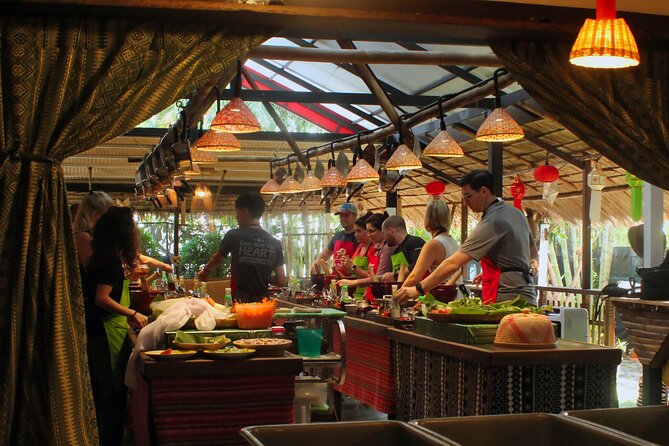
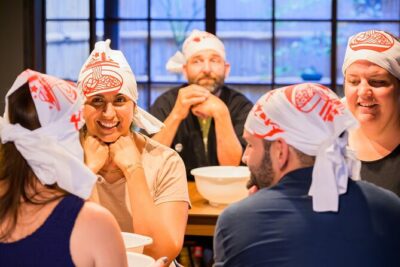
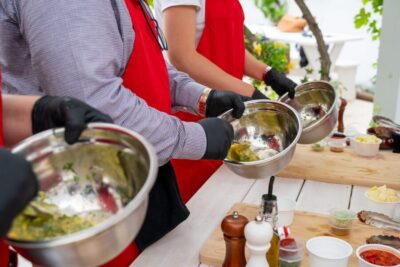
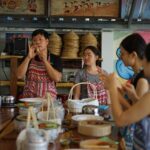
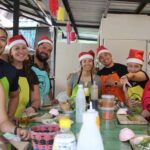
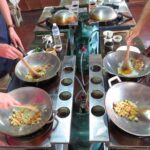
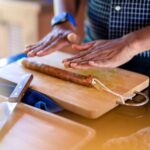
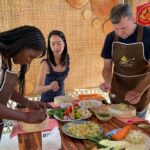
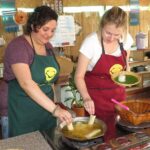
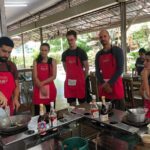
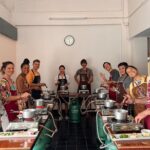
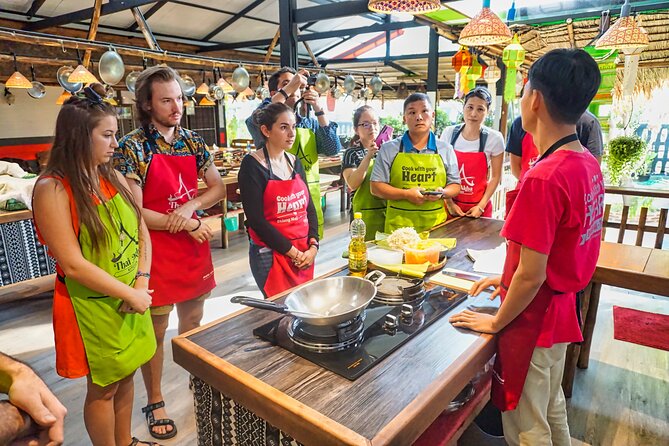
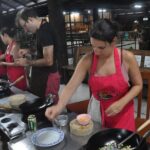
This is the kind of cooking class where you learn by doing. You cook at your own station with help from an Akha instructor, and the group stays small enough that you don’t disappear into the crowd. The room is set up to keep you working efficiently, with stations that feel tidy and well stocked, so you spend less time hunting for tools and more time learning the steps.
Another big plus is that the class is designed to feel like a full meal day, not a quick sampler. The menu is wide and the pacing is busy. You’ll chop, mix, grind, simmer, and taste as you go, so you come away with more than a list of recipes.
The class also leans into culture through the food. You’ll learn about Akha people and their cooking approach, and you’ll get a chance to use unique ingredients tied to that style. That’s what makes the day more meaningful than a standard “make Pad Thai” experience.
You can also read our reviews of more tours and experiences in Chiang Mai.
Hotel Pickup and the 6-Hour Rhythm in Chiang Mai
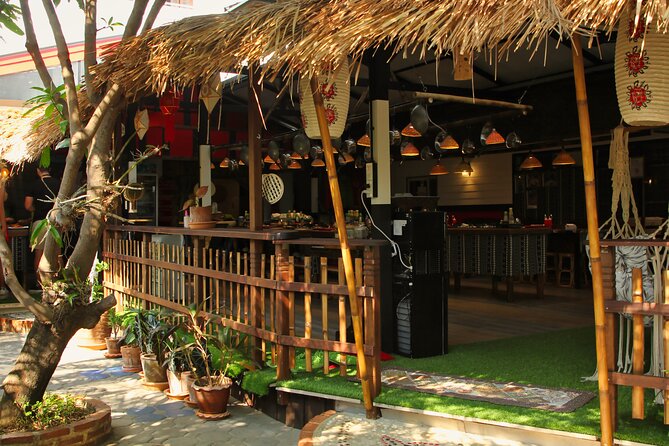
The schedule starts with pickup from a central Chiang Mai hotel area. The class runs about 6 hours, and the experience ends back at the meeting point area after you eat what you cooked. Transfers are included if you’re within about 3 km of the city area, so it’s worth checking your hotel location against that.
Morning and afternoon sessions feel slightly different because of the market stop. If you choose the morning class, you’ll start with a local market tour to shop for ingredients. If you choose the afternoon class, you’ll head straight to the cooking school and skip that shopping walk.
Either way, the rhythm is similar: you begin cooking at the school, work through multiple dishes, and finish by sharing your meal together. One practical tip that comes up again and again is simple: come with an empty stomach. This is not a light tasting.
Morning Market Stop: Buying Herbs and Produce Like You Mean It
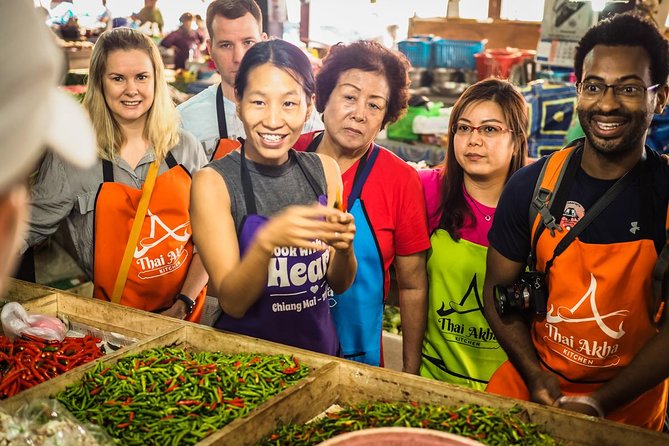
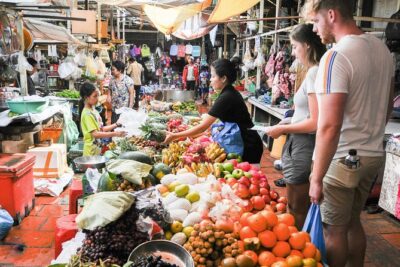
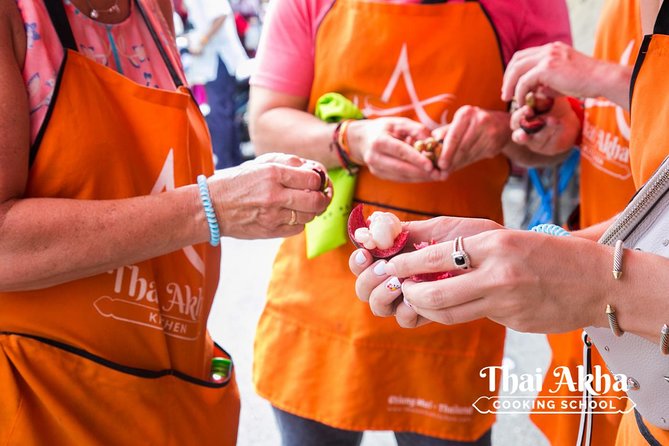
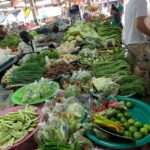
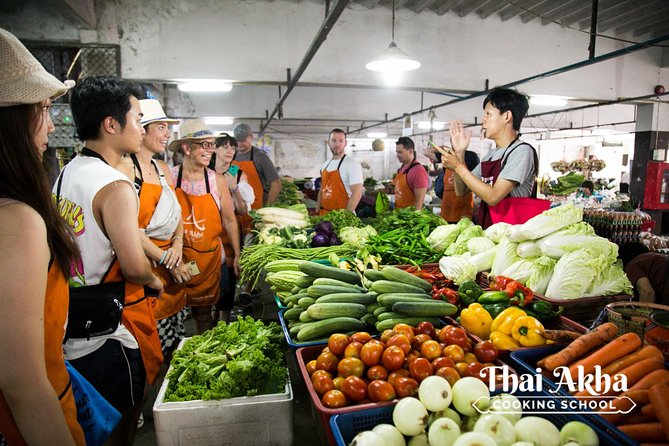
If you book the morning session, you’ll add a local market tour before you cook. This is a key part of the experience because it’s where the ingredients start to make sense. You get to see, smell, and handle what you’ll later cook with, including fruits, vegetables, and herbs tied to both Thai and Akha-style dishes.
You’re not just looking around. The market visit is part of the lesson plan, so you’re collecting the inputs for your dishes. That matters at home, too. When you understand what the ingredient is and what it does in flavor, you’re more likely to substitute correctly instead of giving up halfway through.
This is also a good option if you like food culture beyond cooking technique. Markets in Chiang Mai are where you quickly learn how local flavors are built: fresh herbs, crunchy vegetables, and aromatic basics used in day-to-day meals.
The Kitchen Setup: Individual Stations and Clear Teaching
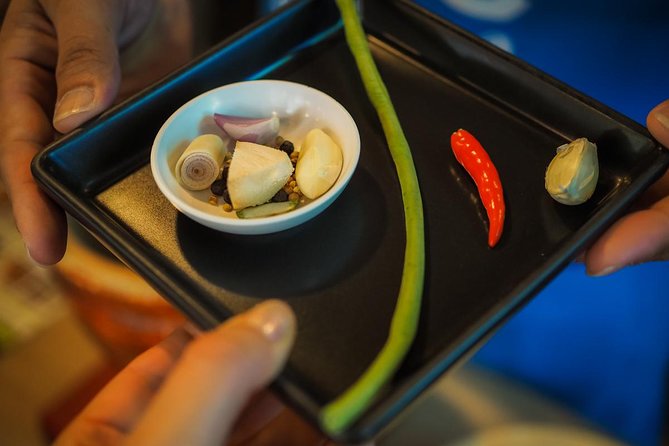
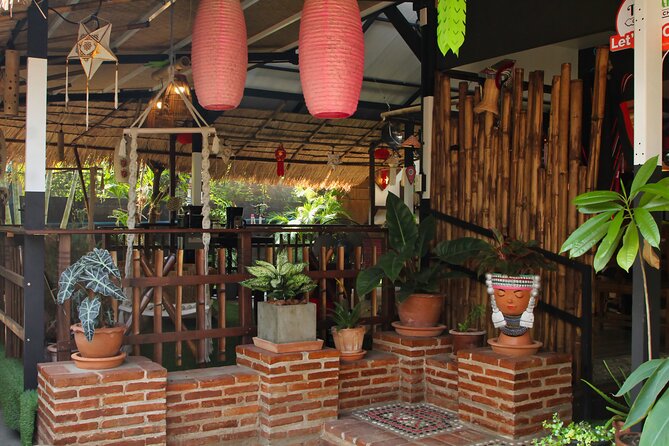
Once you arrive at the cooking school, you get into the real work. You’ll be cooking in a facility that’s bright, clean, and well organized. Stations are arranged so you can move through tasks without constant interruptions. Hygiene standards are a real focus, and the cooking stations are described as immaculate and well stocked.
What makes this class feel different from more chaotic options is how the instructors manage a full menu at once. When multiple people are cooking different dishes, you still get clear guidance and close monitoring. The instructor checks what you’re doing, helps correct technique, and keeps everything on track.
Teaching style matters here. Instructors like On and Niti are repeatedly mentioned in positive feedback for being warm, funny, and focused on making steps understandable. Assistants such as Eveline also show up in accounts of the class, which suggests good team support in the kitchen.
And it’s not just about recipes. You’ll learn professional tips and tricks that help you get the dish right at home. A concrete example: one instructor suggested swapping cucumber for green papaya in an appropriate dish. That’s the kind of practical guidance that makes the cookbook useful instead of decorative.
The Thai and Akha Menu: What You’ll Actually Cook
The menu is big, and that’s part of the value. You’ll prepare multiple dishes across categories, usually including:
- Two appetizers
- One soup
- Curry paste and a curry
- Two desserts
- Plus several Akha-style dishes
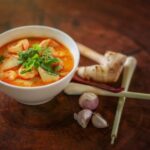
Examples of Akha dishes that show up in the menu descriptions and feedback include Akha salad, Akha soup, and sapi thuong, a tomato dipping sauce. Some participants also call out Akha-style fuk kiow soup as a highlight. Even if your exact lineup changes slightly by session, the overall structure stays consistent: you learn Thai technique and Akha flavor profiles side by side.
You also get experience with both core and supporting skills. Curry-making is usually where people learn the most—how paste becomes flavor, how simmering affects taste, and how to balance depth with brightness. Soup teaches you how aromatics and seasoning work together. Desserts shift you from savory rhythm into finishing flavors.
One subtle point: the class doesn’t feel like everyone follows the exact same path all day. Feedback often notes that there’s a choice involved for many courses, so you’re not always making the identical dish as your neighbor. That makes the meal more interesting when you sit down to eat everything together.


Eating What You Cook: The Best Part of the Loop
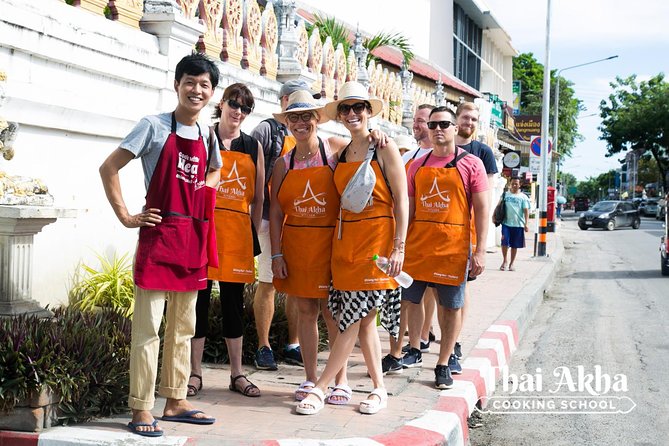
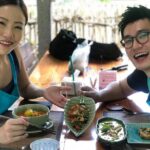
The final step is sitting down with your finished dishes, including everything you prepared: appetizers, soup, curry, and desserts. Coffee is included with the meal, and alcoholic drinks are available to purchase if you want to add something extra.
This is where the whole day clicks. When you taste the dishes you made—especially when you compare your version with what you’ve had in Thai restaurants—you start noticing details like balance and texture. It’s also satisfying because you’re not leaving with just instructions. You’re leaving with evidence that you can cook this food.
And because the class is built to be hands-on, the tasting doesn’t feel passive. It’s more like a guided check-in: does the curry paste taste right, does the soup have the right base, does the dipping sauce pop?
Coffee, Cookbook, and Going Home With Real Practice
A souvenir full-color cookbook is included, and you’ll also get materials to help you recreate flavors after you return home. The cookbook matters because it supports the skills you learned during cooking. Without it, people forget measurements and timing fast. With it, you can repeat what you cooked and adjust for your own kitchen.
You’re also taught tips to make the flavors more replicable. That includes substitution advice, like the cucumber swap for green papaya noted by one instructor’s guidance. If you’ve ever tried to recreate Thai dishes and got stuck on one hard-to-find ingredient, this kind of guidance is the difference between success and disappointment.
Practical tip for home: treat the cookbook like a map, not a script. If you’re missing one item, use the substitution concept your instructor taught you, then taste and adjust as you go.
Price and Value for a 6-Hour Hands-On Meal in Chiang Mai
At $42 per person for about 6 hours, this is strong value if you want real cooking skill. Here’s why: you’re paying for more than food. You’re paying for a guided market component (morning only), a full menu, individual work time at a station, coffee, and a full-color cookbook.
Compared with cheaper “watch and sample” formats, this class usually justifies the price because it’s heavy on instruction and heavy on food output. You don’t just taste a dish once; you create the components that build Thai and Akha flavors.
The included hotel pickup and drop-off within a limited area also helps value. If your hotel is in that central zone, it reduces hassle and keeps the day smooth.
Who Should Book This Class (and Who Might Skip It)
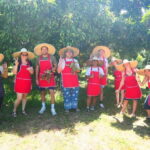
I’d point you to this class if you want a vacation activity that doubles as a practical cooking lesson. It’s ideal if you like food culture, want to understand ingredients, and enjoy doing tasks yourself. The small group size also helps if you want your questions answered instead of waiting your turn.
It’s also a solid pick for families and mixed-age groups. Feedback mentions that it worked well with teens and pre-teens, with clear, step-by-step instruction and a fun tone in the kitchen.
Skip it if you’re looking for a quick, low-energy activity. The day is busy, you cook a lot, and there’s a lot of food. If long sessions make you cranky or you’re short on time, the pace may feel like too much.
Should You Book Thai and Akha Cooking Class in Chiang Mai?
Yes, if you want a focused cooking day that teaches both Thai and Akha flavors through real practice. The small group setup, the market stop on the morning session, the clean station setup, and the big menu make it a memorable use of a Chiang Mai afternoon or morning.
Before you book, pick the session that matches your style: morning for market ingredient shopping, afternoon if you prefer to start cooking right away. And plan to show up with an empty stomach, because you’ll be working hard and eating what you make.
If you’re excited by Thai curries, soups, and dipping sauces, and you like the idea of Akha-style dishes such as sapi thuong and Akha soup, this class is one of the best ways to leave Chiang Mai with more than photos.
FAQ
Is hotel pickup included?
Yes. Hotel pickup and drop-off are included for hotels within about 3 km of the city area in central Chiang Mai.
What session includes the local market tour?
Only the morning session includes a local market tour to shop for fresh ingredients.
How long is the cooking class?
It runs about 6 hours (approx.).
How many people are in the group?
The class has a maximum of 12 travelers.
What is included in the price?
You get individual cooking stations, a market tour for morning sessions, Akha Hill Tribe coffee, and a full-color souvenir cookbook, plus hotel pickup and drop-off (within the city-area limit).
What is the cancellation policy?
You can cancel for a full refund up to 24 hours in advance. If you cancel less than 24 hours before the start time, the amount you paid is not refunded.