REVIEW · MYKONOS
Mykonos: Group Cooking Class at the Home of a Local Family
Book on GetYourGuide →Operated by Kafedena's Village · Bookable on GetYourGuide
A cooking class in Mykonos’s back streets beats another dinner. This 3-hour group class at Kafedena’s Village feels like you’re eating in someone’s actual life, not a staged restaurant show. I like that it’s hands-on with a local family approach, and the food comes with serious hangout energy—coffee to start, lunch to finish, plus plenty of drinks.
The best part is the way it blends cooking with culture: history, Mykonian food stories, and even a dance lesson. One thing to plan for: the setting is in a village home, and it can be a little tricky to find on your own.
In This Review
- Key Highlights You’ll Remember
- Why This Mykonos Cooking Class Feels More Like Family Time
- The 3-Hour Flow: From Greek Coffee to Lunch Outdoors
- What You’ll Cook: Traditional Mykonian Food with Practical Steps
- Greek Wine, Beer, and Greek Liquor: How the Drinks Work Here
- The Dancing Lesson (Zorba and More): It’s Not Just a Gimmick
- Portion Size and Comfort: Come Hungry, Leave Happy
- Where It Is and How to Get There Without Stress
- Who This Cooking Class Is Best For
- Price and Value: Is $117 Fair for Mykonos?
- Should You Book This Mykonos Cooking Class?
- FAQ
- How long is the Mykonos group cooking class at Kafedena’s Village?
- What is the price per person?
- What food and drinks are included?
- Are secret Mykonian recipes included?
- What languages does the host or greeter speak?
- Is transportation included to and from the meeting spot?
- Can I cancel for a full refund?
- Is this activity suitable for wheelchair users?
Key Highlights You’ll Remember
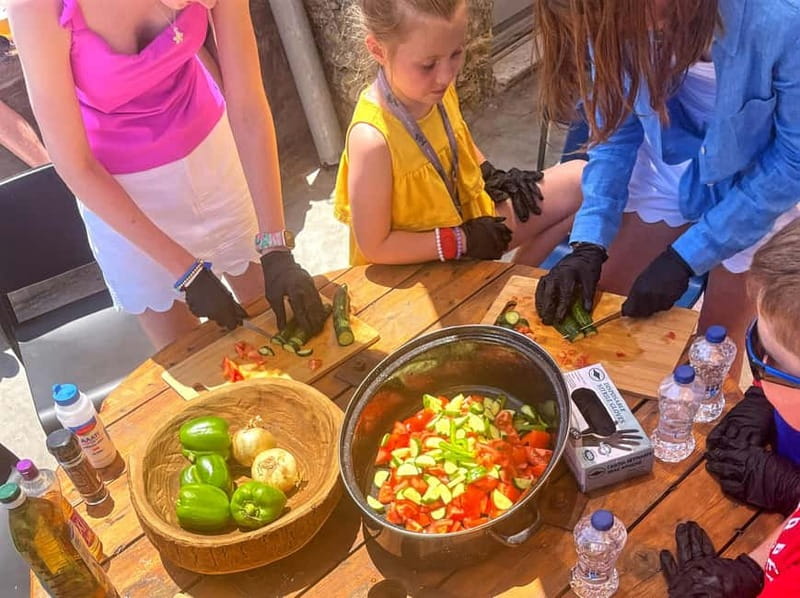
- Kafedena’s Village setting in a traditional Mykonian home garden
- Greek coffee + dessert to start, before you even touch a cutting board
- Local wine, beer, and Greek liquor included with lunch
- Traditional Mykonian dishes taught step-by-step with group participation
- Dancing lessons (including Zorba) that turn a meal into a memory
- Large portions so come hungry (or at least don’t over-plan breakfast)
Why This Mykonos Cooking Class Feels More Like Family Time
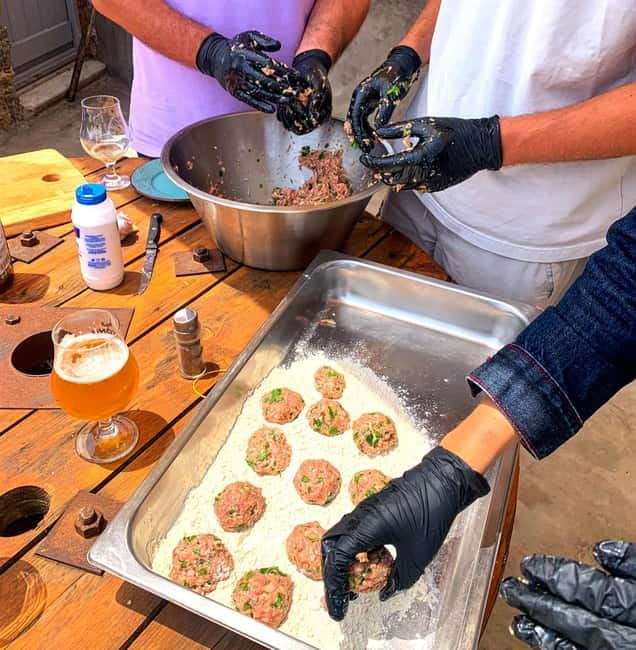
Mykonos has plenty of flashy dining. This experience trades that for something calmer and more personal. You’re not just learning recipes—you’re getting the story behind them, with conversation that ranges from Mykonian gastronomy to what people grew up eating and why.
I really like that the class is set at Kafedena’s Village, a local family property. That matters. Food tastes different when it comes from a real home rhythm: garden air, shared tables, and the sense that the hosts actually want you to enjoy yourself. The group setup also helps—solo travelers in particular often find it easier to talk and laugh when everyone’s chopping and rolling together.
The value is also unusually strong for Mykonos. At $117 for a 3-hour class, you’re paying for more than instruction. You get lunch, dessert, Greek coffee, wine, beer, and Greek liquor, plus secret recipes to take home. If you were going to spend similar money on a meal and a couple drinks anyway, this often feels like the smarter move.
You can also read our reviews of more tours and experiences in Mykonos.

The 3-Hour Flow: From Greek Coffee to Lunch Outdoors
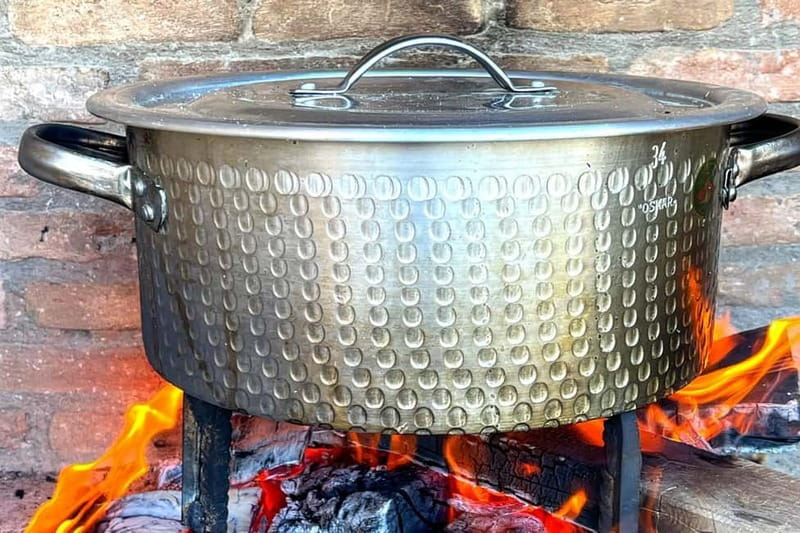
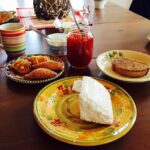
The experience usually starts with a warm greeting and a simple first bite: Greek coffee served with dessert. It’s a good mood-setter. You’re not rushed, and you’re not starting hungry and irritated. Instead, you ease in, talk with the hosts, and get the sense of what’s coming next.
From there, the day often includes a short look around the property and a visit to the family chapel/church area. Multiple guests mention this because it adds context. When you see the place connected to the family, the food stories feel more grounded—like they’re part of a living tradition rather than a generic script.
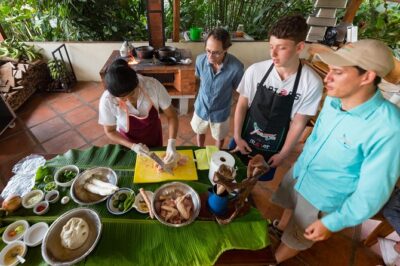
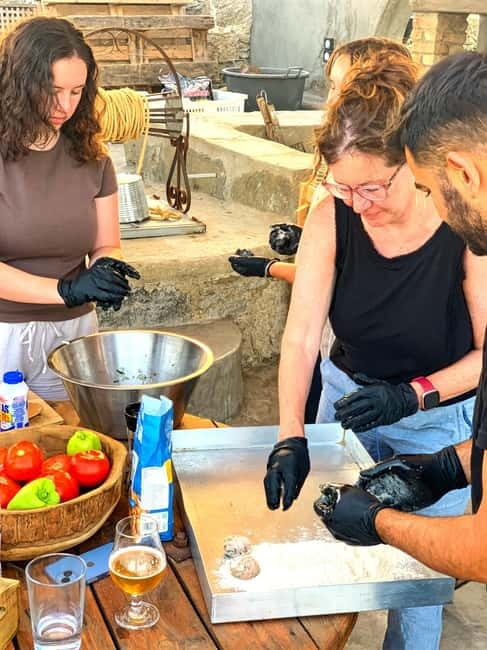
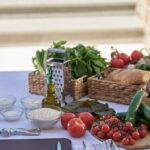
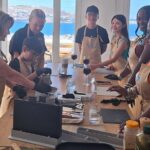
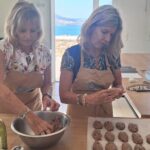
Then you shift into the cooking. The setup is group-friendly, and you’ll do real tasks rather than watching from the sidelines. Expect a bit of work that’s hands-on but not complicated: preparing components, assembling dishes, and learning what makes the Mykonian versions taste the way they do. Many guests call out classic parts of Greek cooking in this class—like Greek salad preparation and meatball-style dishes (including rolling mini meatballs).
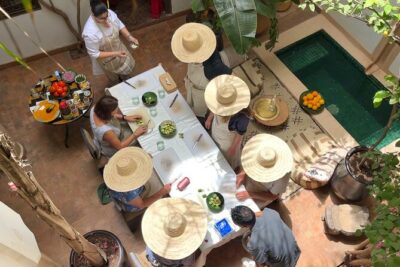
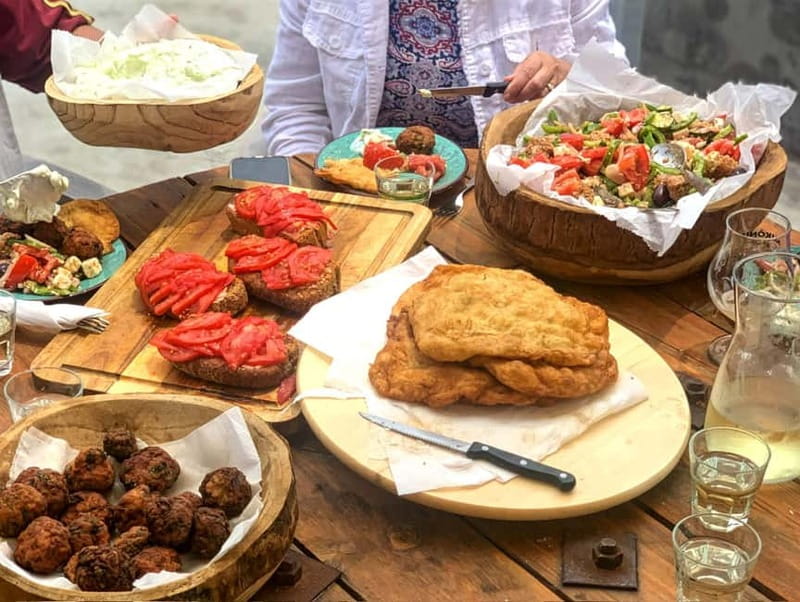
Lunch comes after the cooking, and it’s served in a shared meal format—often outside, in the garden setting. This is where the drinks ramp up. You’re eating and chatting, with the hosts and chef keeping the energy friendly. Dessert closes the meal, and in some cases, there are special touches when you’re celebrating (like birthday surprises).
Timing is tight enough to feel lively, but long enough that you’re not done in a rush. Three hours is the sweet spot for a group activity: you learn, eat, and socialize without feeling trapped for half a day.
What You’ll Cook: Traditional Mykonian Food with Practical Steps
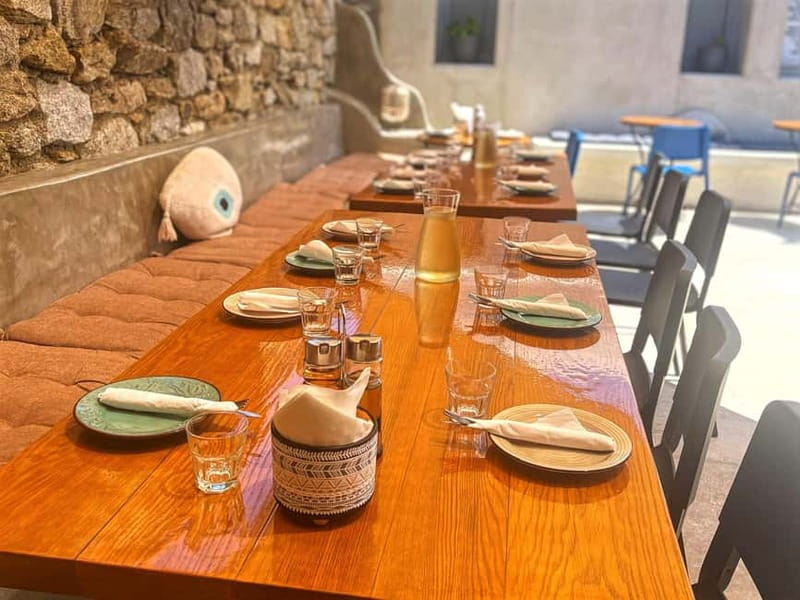
The class is built around traditional Mykonian dishes, with the chef guiding you step-by-step. You’ll likely work on items that show up again and again in Greek kitchens, but with a Mykonian twist—seasoning choices, how things are put together, and how the meal is meant to be served.
From the dish mentions in guests’ feedback, you can expect to see at least a few of these at work:
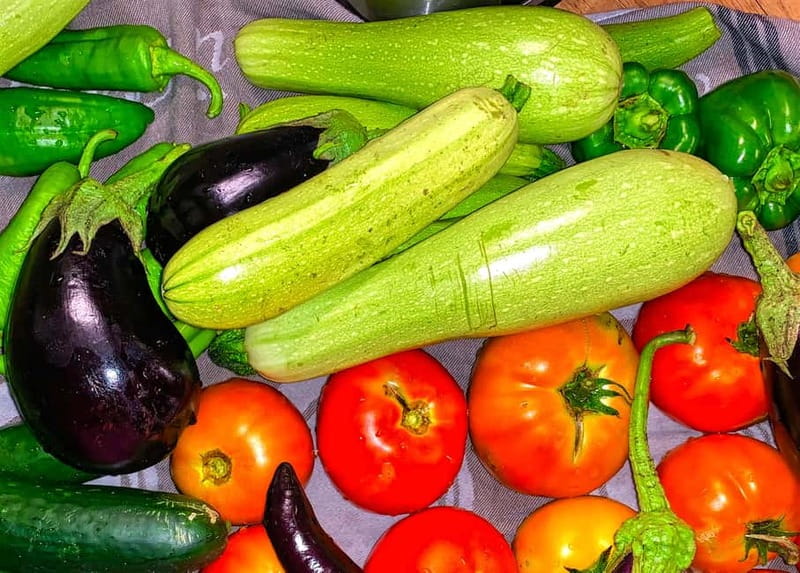
- Greek salad (and learning what makes it taste right)
- mushrooms (prepared as part of the meal lineup)
- meatball-style dishes, including rolling mini meatballs
The really useful part is that the chef doesn’t just hand you a recipe and move on. You learn the logic behind the steps. That’s the difference between getting a meal and getting skills you can repeat at home.
Also, the class seems flexible with food needs. One guest notes that the team adapted dishes for vegetarian guests. Another guest mentions accommodation for lactose intolerance. So if you have dietary limits, it’s worth messaging ahead and asking what can be adjusted. You should also let the team know at the start of class so they can plan properly.
Bottom line: you’ll leave knowing more than one dish. You’ll also understand how the flavors are supposed to connect on the plate.
Greek Wine, Beer, and Greek Liquor: How the Drinks Work Here
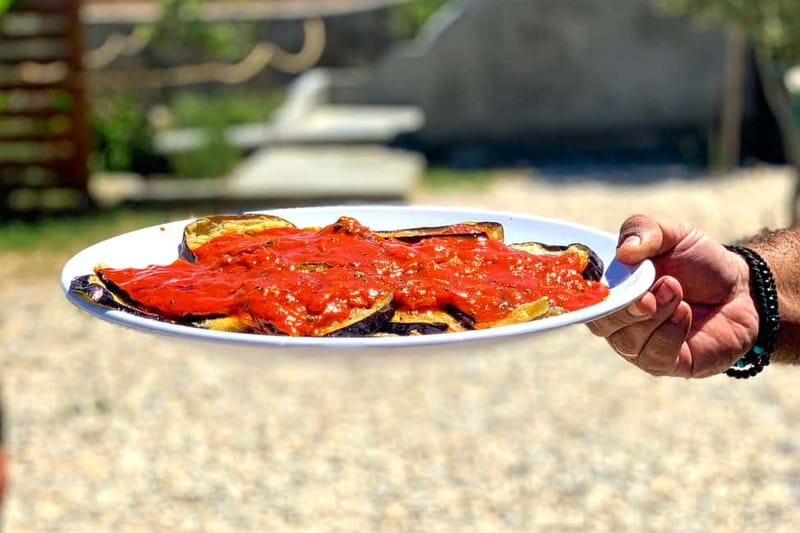
This class includes a full drinks lineup: local wines, local beers, and Greek liquor. There’s also Greek coffee at the start, and dessert near the end. The drinks aren’t treated like an afterthought—they’re part of how the meal is paced.
A practical way to think about it: plan this as a food-and-drink experience, not a quick tasting. Multiple guests stress that the portions and alcohol flow well, which is exactly why people call it a highlight.
If you’re the type who likes to taste, you’ll probably enjoy the format. You get to sample different drinks while you cook and eat, and you’ll have hosts who can explain what you’re drinking and why it belongs with the meal. That pairing conversation is part of the value, because it turns alcohol from random sips into part of the culinary context.
If you prefer to keep things light, you still won’t be left out—you can pace yourself. Just don’t assume it’s a low-key class. Even guests who weren’t sure about tours often ended up loving the social tone, largely because the meal feels like an evening at a friend’s home.
The Dancing Lesson (Zorba and More): It’s Not Just a Gimmick
One reason this class gets repeat praise is the dance element. Guests mention learning Zorba, and another dance option called Balos. That might sound like a tourist checkbox, but in this setting it reads more like participation than performance.
Why it works: everyone is already relaxed from cooking, eating, and talking. Then the dance lesson becomes a shared activity that breaks the meal into a celebration. You’re not trying to look cool in a club. You’re moving with the group while the hosts teach you the rhythm in a friendly way.
Also, the hosts and guides often keep the vibe playful. That matters. If you’re worried about feeling awkward, don’t. The class is designed around participation.
The result is that the meal sticks in your memory longer than a typical cooking class where you just go home with recipes and a mild sense of accomplishment.

Portion Size and Comfort: Come Hungry, Leave Happy
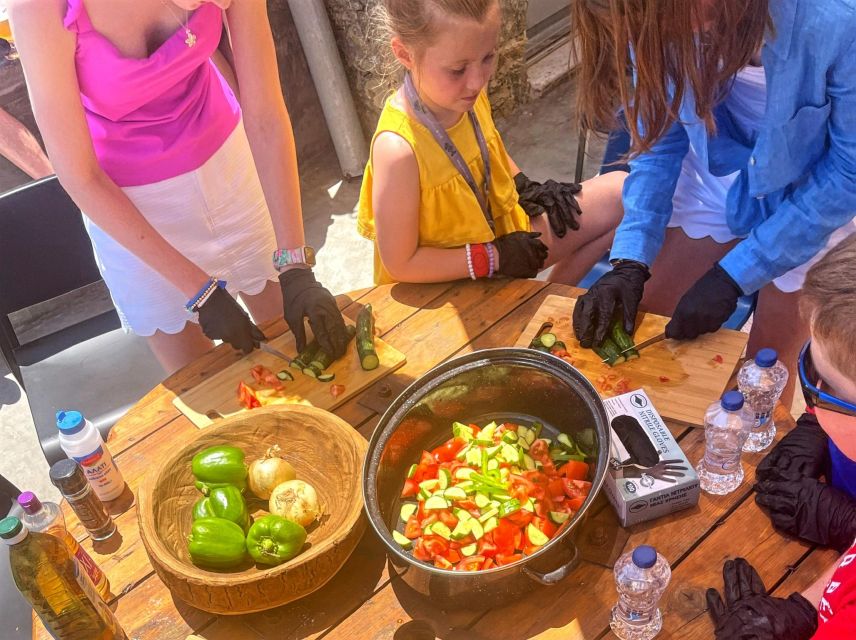
This is one of those Mykonos experiences where you’ll want to manage your appetite on purpose. Guests repeatedly mention large portions and that it’s easy to get completely full. The consistent advice: have a light breakfast, or skip it.
This matters because the experience isn’t just teaching you how to cook. It’s feeding you—plus it’s feeding you while drinks are on the table. If you arrive underfed, you’ll enjoy the cooking more. If you arrive overly full, you’ll spend lunch trying to pace instead of savor.
The upside is that you don’t have to worry about finding another meal later. The lunch portion is substantial, and dessert finishes the job. Guests leave full, and some even say they couldn’t get to the bottom of everything.
If you’re traveling with others, this is also a nice bonding activity. The portion size encourages sharing and conversation, which makes the group feel less like strangers and more like a temporary family table.
Where It Is and How to Get There Without Stress
Kafedena’s Village is in a village setting, and that means directions can be trickier than a central Mykonos taverna. Several guests mention it’s difficult to find and that you’ll probably be happier with a taxi or drive rather than relying on buses.
One guest also suggests that it can look like the wrong place from the outside. In that case, the fix was quick communication via WhatsApp. So if you’re the kind of traveler who dislikes uncertainty, do one smart thing: confirm the meeting instructions before you head out, and keep your phone ready.
If you’re staying in Mykonos Town (Hora), plan some travel time. If you’re walking from the main area, you might end up doing a hike. A taxi is usually the low-effort choice.
Who This Cooking Class Is Best For
This experience fits a few traveler types particularly well:
- Food-first travelers who want to taste and cook, not just sample.
- Couples who want an activity that still feels intimate and fun.
- Solo travelers who like making conversation because the group is active the whole time.
- People who enjoy cultural stories alongside the food, especially when they can ask questions and talk with hosts.
It’s less ideal if you want quiet, minimal interaction. This class is social. You’ll be eating with the group, talking, and learning in a home-style environment.
There’s also a clear accessibility note: it’s not suitable for wheelchair users. If mobility is an issue for you, ask the provider if there’s any workaround, but based on the posted suitability, plan on an alternative.
Price and Value: Is $117 Fair for Mykonos?
At $117 per person, this class isn’t cheap in the way a basic cooking workshop might be in other parts of Greece. But in Mykonos terms, it’s easier to justify when you look at what’s included.
You’re getting:
- Greek coffee and dessert
- Local wines, local beers, and Greek liquor
- Lunch (not a small tasting plate)
- A chef guide and a group format
- Secret Mykonian recipes
- A waiter to support the meal flow
When you add up the cost of a full lunch plus drinks in Mykonos, the math often tilts toward this being good value—especially because you also get the recipes and skills. You’re not paying only for the meal. You’re paying for instruction, conversation, and an experience that lasts the full three hours.
The real value isn’t just the items included. It’s the home-style setting and the fact that the hosts treat the class like a genuine shared event. That’s hard to buy as a separate add-on.
Should You Book This Mykonos Cooking Class?
I’d book it if you want Mykonos beyond beach bars and whitewashed streets. This class gives you food you can recreate, plus stories that make it feel like you understood the island a little better.
I’d skip it if:
- You want a quiet, observation-only tour.
- You need wheelchair accessibility.
- You’re not interested in eating a lot and spending a relaxed three hours with drinks on the table.
If you’re somewhere in the middle, my advice is simple: treat it as your best meal-focused activity of the trip. Show up hungry, plan on taxis to reach the village, and go with the mindset that you’re joining a family evening, not just attending a lesson.
FAQ
How long is the Mykonos group cooking class at Kafedena’s Village?
The class lasts 3 hours.
What is the price per person?
It costs $117 per person.
What food and drinks are included?
You get welcome Greek coffee, local wines, local beers, Greek liquor, lunch, dessert, and the chef guide and waiter support.
Are secret Mykonian recipes included?
Yes. Secret Mykonian recipes are included.
What languages does the host or greeter speak?
The class is hosted by a Greek, English guide/greeter.
Is transportation included to and from the meeting spot?
No. Transportation is not included.
Can I cancel for a full refund?
Yes. You can cancel up to 24 hours in advance for a full refund.
Is this activity suitable for wheelchair users?
No. It is not suitable for wheelchair users.