REVIEW · NAIROBI
Traditional Kenyan Cooking Class & Local Market Tour
Book on Viator →Operated by Local Experience Tours · Bookable on Viator
A matatu and a home meal in one afternoon?
This Nairobi experience mixes market energy with real public transport culture, then finishes at a host’s home for a hands-on Kenyan cooking session. I love how it turns everyday food shopping into a story you can taste, not just a photo stop.
I also like that you get to learn by doing: you shop for the ingredients, then you cook a complete main + side meal with help and plenty of time to ask questions. And for food lovers, the fact that the price covers grocery shopping makes it feel straightforward and fair.
One thing to consider: it’s weather-dependent, and you should be ready for the day to include a public bus ride and some hands-on work in the kitchen—if that’s not your style, you’ll want to plan accordingly.
In This Review
- Quick hits you’ll feel right away
- From Westlands Square: how this 3.5-hour food day really works
- Farmers market time: grocery shopping the Kenyan way
- Matatu ride: the public bus experience you can’t fake
- Cooking at the home kitchen: Kenyan cuisine from scratch
- What you eat, what you take home, and dietary needs
- Why the price feels fair: value of $50 in Nairobi
- Who should book this (and who might think twice)
- Practical planning: timing, comfort, and what to bring
- Should you book this Nairobi cooking + market experience?
- FAQ
- What does the $50 per person price include?
- How long is the experience, and where does it start and end?
- Do I have to go to the farmers market?
- Is the matatu (public transport) ride included?
- Are vegetarian, pescatarian, or gluten-free options available?
- Can I bring a service animal?
- What happens if the weather is poor?
- How many people are in the group?
Quick hits you’ll feel right away
- Market shopping with fresh produce so you understand what goes into the meal, not just what ends up on your plate
- Matatu public transport experience that shows the rhythm of Nairobi streets (expect a lively ride)
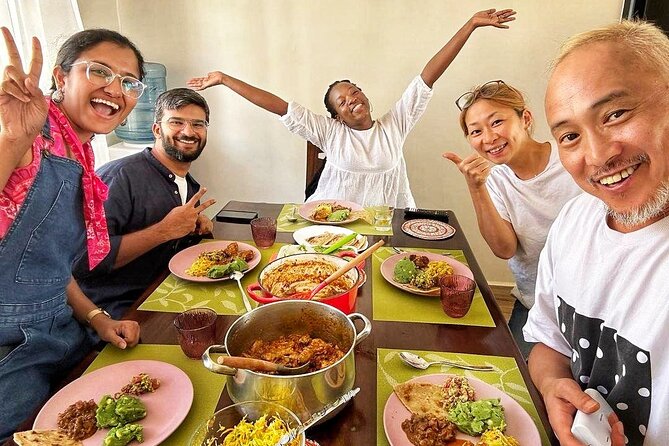
- A full Kenyan meal cooked from scratch (main dish plus a veggie side) with a true home-kitchen feel
- You can take your food home after the class, so you’re not scrambling for dinner later
- Small group size (max 15) helps the host keep things relaxed and interactive
- Dietary options available on notice including vegetarian, pescatarian, and gluten-free
From Westlands Square: how this 3.5-hour food day really works
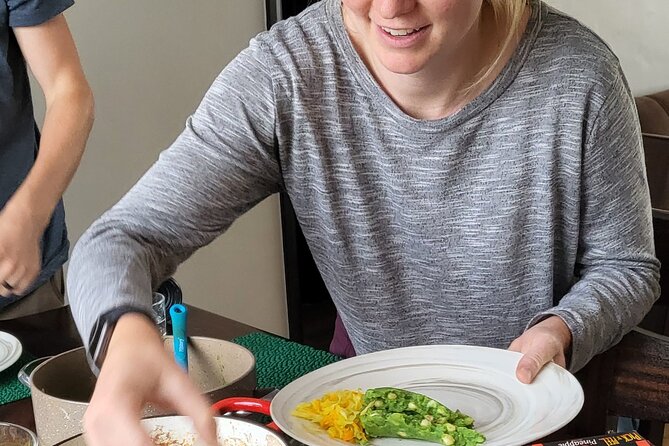
Most Nairobi tours feel like a chain of stops. This one feels more like a meal day with a local friend who happens to be an excellent host.
You meet at Westlands Square, Ring Rd Parklands, and the activity ends back at the same meeting point. Plan for about 3 hours 30 minutes total, with the cooking session lasting roughly 3 to 3.5 hours, depending on how your group moves through the shopping and prep.
The flow is simple: meet → market (optional) → matatu/public transport ride → cooking at the home → eating together → take food home. And because the group can be up to 15 people, you’ll still get time to interact without feeling like a cattle queue.
Farmers market time: grocery shopping the Kenyan way
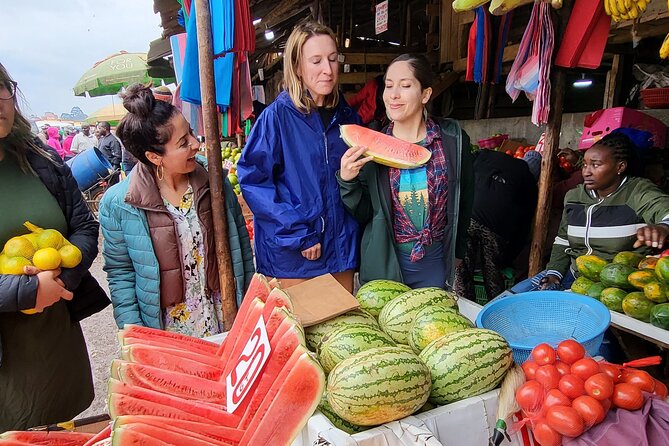
The market part is where this tour starts to feel different. Instead of walking through a curated food hall, you’re buying ingredients the way locals do—by looking, smelling, and choosing.
You’ll visit a local farmers market and do grocery shopping for the meal. The tour is built around the idea that the ingredients you pick become the story you cook: fresh produce used to make a traditional dish, plus the spices and basics that make Kenyan food taste like Kenyan food.
You can also skip the market if you’re not feeling it. That option matters because the class still functions as a home cooking experience, but the full “local life” element is strongest when you go through the market with your host.
A practical tip: markets can be sensory (smell, noise, movement). If you’re the type who hates crowds or strong aromas, go in with the mindset that this is part of the cultural experience—not a flaw.
Matatu ride: the public bus experience you can’t fake
Then comes the matatu. If you’ve ever been curious but nervous about riding Nairobi’s public buses, this is the structured way to do it.
The tour includes a public transport experience, where you ride together with the host. Several people highlight that it can be a lively ride—music can be blasting, the bus can feel busy, and the whole thing can be a real “OK, I’m in Nairobi now” moment.
Here’s why this matters: the matatu isn’t just transportation. It’s social space, local sound, and street-level Nairobi in motion. You’ll learn how people move through the city day to day, not just how tourists view it.
Safety is addressed in the way the day is run: you’re not wandering alone. Your host guides the process and chooses the places you go, which is a big deal when you’re trying to experience a place you don’t yet understand.
Cooking at the home kitchen: Kenyan cuisine from scratch
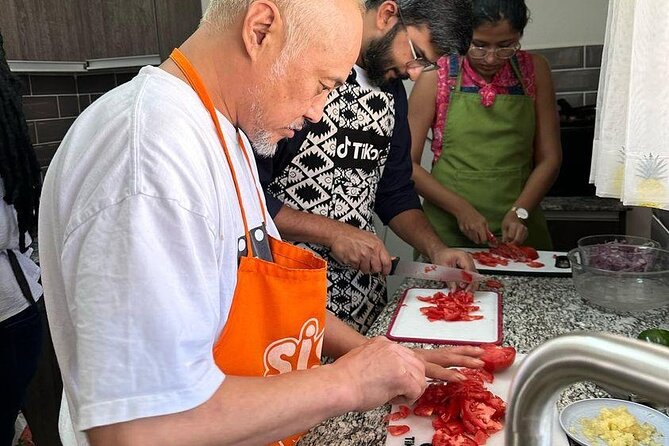
After the market and ride, you end at the cooking location—at the host’s home. This is where the experience becomes hands-on in the best possible way.
You’ll create a traditional Kenyan meal from scratch with guidance from the host. The day is designed around making a main dish and a side dish with vegetables, and the session gives you a real chance to participate rather than just watch.
What makes the cooking part satisfying is that it connects back to what you chose earlier. If you buy the ingredients with the host—seeing what’s used and why—then the cooking becomes clearer. You’re not just following steps; you’re building a meal with context.
Some people mention dishes like chapati and stewed options such as stewed goat, plus sides. Since meals are prepared as a traditional Kenyan set, the exact menu can vary based on what you shop for and what the host guides you toward—but the structure (main + side + veggie elements) stays consistent.
A small-but-important note: the tour says you should be ready to get your hands dirty. Translation: don’t plan on perfectly clean fingers the whole time. If you wear delicate clothing, you’ll regret it.
What you eat, what you take home, and dietary needs
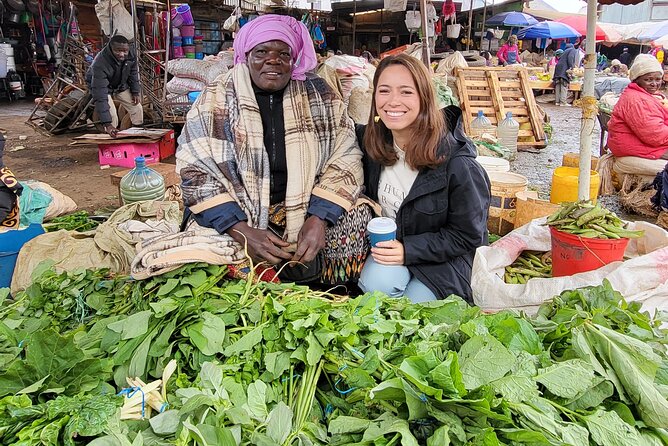
Food isn’t an afterthought here. The tour is set up so you shop, cook, eat, and then leave with more food.
After the cooking session, you enjoy your meal together. And importantly, after the experience you can carry the foods prepared. That’s a real value detail. It means you may not need to hunt for dinner later, and you can stretch the experience into the rest of your trip.
Dietary needs are handled if you plan ahead. The experience offers options on notice for vegetarian, pescatarian, and gluten-free. If you have strong allergies or specific restrictions, send the note clearly during booking so the host can plan the menu and ingredients.
If you’re choosing vegetarian for example, the market shopping still matters, because it teaches you which produce and pantry items create the flavors people expect in Kenyan meals—even when the dish isn’t meat-based.
Why the price feels fair: value of $50 in Nairobi
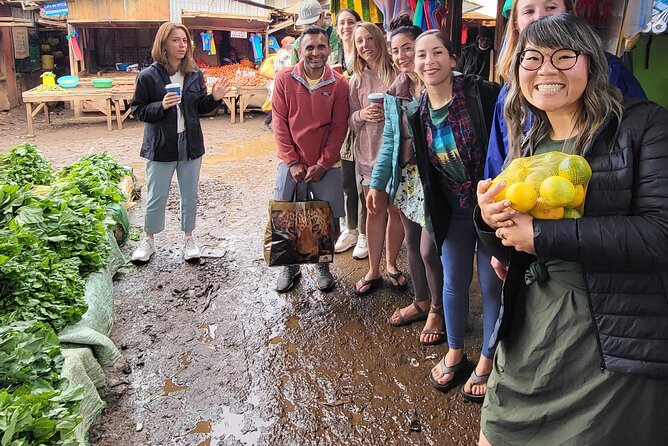
At $50 per person, this tour costs less than many “cooking class + market + transport” packages you’ll see in big cities—and it includes the grocery shopping.
That inclusion is the key value driver. You’re not paying a separate fee for ingredients that you only partially see. Instead, the price supports the full food pipeline: shopping, cooking, and then eating, with enough structure to feel safe and guided.
Also consider the time. You’re getting around 3.5 hours in total with a full meal built into the program, plus a matatu ride that acts like a mini cultural lesson in how Nairobi moves.
Finally, the group size is kept to a maximum of 15, which usually means less waiting around and more chance to participate—especially during cooking steps where you actually want your hands on the food.
Who should book this (and who might think twice)
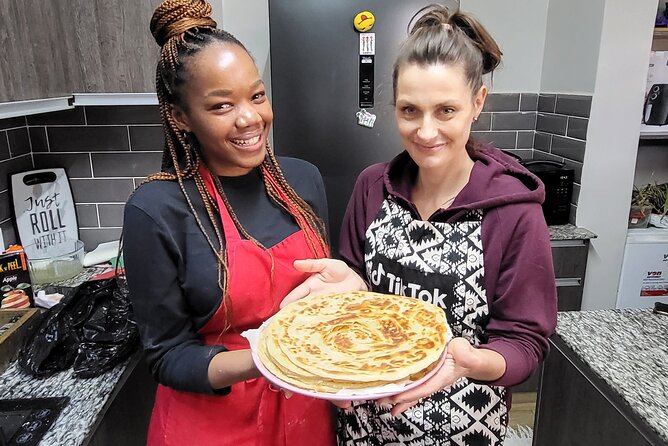
I’d book this if you want Nairobi through food, not food-through-a-tour-bus-window.
This tour fits best for:
- People who like hands-on cooking and want to learn more than recipes
- First-time visitors who want the “local life” view of markets and transport
- Food lovers who enjoy learning the stories behind spices and everyday choices
It might not be the best match if:
- You want a purely seated, low-movement experience
- You hate public transport environments or loud, energetic rides
- You’re not comfortable with the “market → kitchen” rhythm where things can be a little chaotic in a normal way
If you’re somewhere in the middle, here’s a useful approach: choose the optional market part carefully. Going to the market adds the strongest cultural impact, but skipping can keep the day more relaxed while you still get the cooking and home-meal experience.
Practical planning: timing, comfort, and what to bring
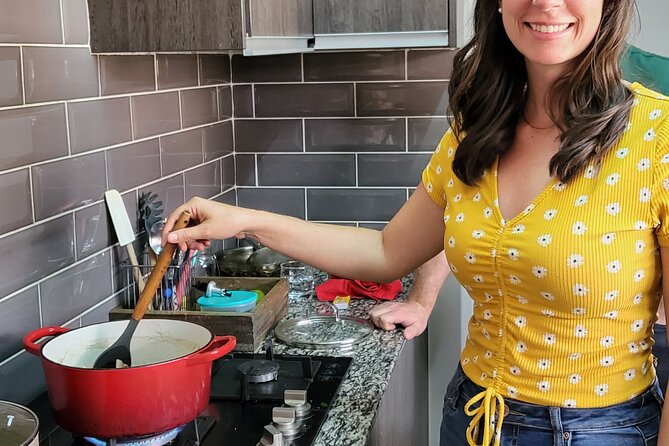
Because the tour includes a public transport ride and market shopping, your comfort matters more than usual for a cooking class.
I suggest wearing closed-toe shoes you’re fine with getting a bit dusty, and choosing clothing that can handle some kitchen activity. Bring a light layer if you run cold, since indoor/outdoor temps can shift.
Also, go in with curiosity. This is not a lecture. It’s a working day where you learn by helping—asking questions as you go.
Weather also plays a role. The experience requires good weather, and if it can’t run due to weather, you’ll be offered a different date or a full refund. So if you’re visiting Nairobi during a changeable weather window, keep some flexibility.
Accessibility detail that can matter: the cooking location has lifts and is wheelchair accessible, and service animals are allowed. The meeting point is near public transportation, which makes it easier to get to and from.
Should you book this Nairobi cooking + market experience?
Yes—if your goal is to taste Nairobi through daily routines, not just through restaurant meals.
Book it if you want a day that combines market shopping, a matatu ride, and a Kenyan meal cooked from scratch in a real home setting, with the practical perk that you can take food home afterward. The pricing also makes sense because grocery shopping is included.
Skip it or choose the simpler option if you dislike markets, don’t want the public transport portion, or prefer your cultural experiences to be mostly seated. But if you’re open to hands-on cooking and a guided local day, this one is exactly the kind of Nairobi experience that turns into real memories—not just good photos.
FAQ
What does the $50 per person price include?
The price includes grocery shopping, which is used for the traditional meal you cook during the class.
How long is the experience, and where does it start and end?
The experience lasts about 3 hours 30 minutes. It starts at Westlands Square, Ring Rd Parklands, Nairobi and ends back at the same meeting point.
Do I have to go to the farmers market?
No. The market visit and grocery shopping are part of the experience, but you can totally skip the market if you’re not feeling up to it.
Is the matatu (public transport) ride included?
Yes. The experience includes a matatu experience (public transport experience) as part of the day.
Are vegetarian, pescatarian, or gluten-free options available?
Yes, vegetarian, pescatarian, and gluten-free options are available if you request them on notice upon booking.
Can I bring a service animal?
Yes. Service animals are allowed.
What happens if the weather is poor?
The activity requires good weather. If it’s canceled due to poor weather, you’ll be offered a different date or a full refund.
How many people are in the group?
The group size is limited to a maximum of 15 travelers.