REVIEW · OIA
Oia: Greek Cooking Class and Lunch with a Local Grandmother
Book on GetYourGuide →Operated by Grandma Cooking Class · Bookable on GetYourGuide
Cooking with a Santorini yiayia is special.
This small-group class in Oia pairs a real-life grandmother chef, Areti, with hands-on cooking in a private kitchen. You get the kind of lessons you usually only catch by eating at a family table, not through a lecture.
I really like that Areti is a lifelong Santorini resident and a former restaurant owner in Oia for 27 years, so her guidance is practical, not theoretical. I also like that you’ll leave with recipe cheat sheets and a full 4-course lunch, with menu adjustments for vegan, vegetarian, and gluten-free diets.
One possible drawback: this is a working kitchen experience, not a sightseeing stop. If you’re expecting sweeping views or a relaxed, sit-and-watch tour, you’ll have less “wander time” and more active cooking time.
In This Review
- Key highlights you’ll actually care about
- Finding Areti in Oia: where the class starts
- Step into a private kitchen, not a show kitchen
- The heart of the meal: your 4-course lunch
- Appetizers first: learning flavor fast
- Salad course: olive oil, herbs, and balance
- Main course: the real technique test
- Dessert: ending on something sweet and familiar
- How Areti teaches: stories, techniques, and everyone doing real work
- Dietary needs: customization that stays Greek
- Price in perspective: what $153 really buys
- What you’ll likely eat and drink
- Small practical tips before you book
- Who this class is perfect for
- Should you book Areti’s Oia cooking class?
- FAQ
- Where is the meeting point for the cooking class?
- How long is the class?
- How big is the group?
- Who teaches the class?
- What languages are available?
- What’s included in the price?
- What kinds of food do you cook and eat?
- Can the menu be adapted for dietary restrictions?
- Do you take anything home?
- What’s the cancellation and payment flexibility?
Key highlights you’ll actually care about
- Private kitchen in central Oia means you’re close to real local life, not staged set-pieces
- Areti’s restaurant experience shows up in her technique-focused teaching and pacing
- 4-course lunch with wine turns the class into an actual meal you can savor slowly
- Dietary customization is built in, not tacked on
- Small group capped at 6 keeps the class interactive, with everyone doing something
- Recipe cheat sheets to take home help you recreate the dishes without guessing
Finding Areti in Oia: where the class starts
The meeting point is outside Karma Restaurant, right in the heart of Oia. Since the workshop runs for about 3 hours, you’ll want to arrive a few minutes early, with your questions ready. In a small group, early arrival helps you settle fast and get cooking sooner.
This isn’t the kind of activity where you need special prep, but it does help to come with curiosity. Areti’s teaching style is hands-on, and several course steps involve active chopping, mixing, and assembling. Expect the pace to feel like a family meal day—busy, warm, and practical.
Also, the host or greeter speaks English, French, and Greek, which makes it easier to follow along even if you’re not confident with Greek cooking terms. If you want to understand the “why” behind flavors, you’ll have plenty of chances to ask.
Step into a private kitchen, not a show kitchen
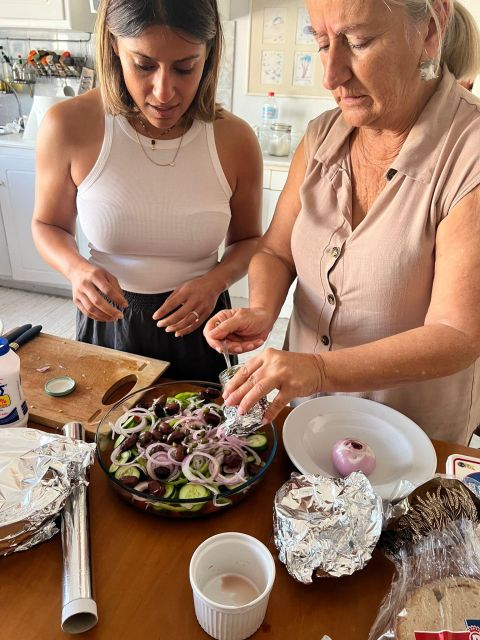
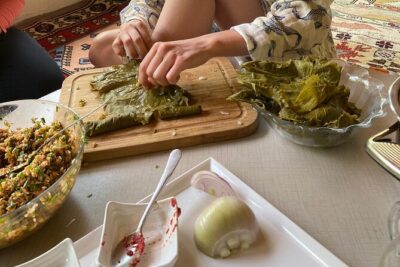
The big draw here is setting: you cook in a private kitchen in Oia with Areti, not in a large public cooking studio. With a maximum group size of 6, you’re not stuck watching from across the room. You get closer to the ingredients and tools that matter, and that changes how quickly you learn.
You’ll be working through a structured meal, but the experience isn’t rigid. Areti’s approach focuses on technique—how to season, how to balance acidity and salt, and how to know when something is ready. That’s the kind of skill you can use long after you’ve left Santorini.
Small-group classes also tend to mean you can adapt on the fly. If your cooking comfort level is low, you can still participate. If you’re already cooking at home, you’ll likely want the extra tips that turn a “good” dish into a “Greek-grandmother” dish.
The heart of the meal: your 4-course lunch
The class culminates in a 4-course meal: appetizers, salad, a main course, and dessert. You’ll cook the meal as a group, then eat together. The included glass of wine fits the rhythm here—this isn’t a snack lesson that ends fast.
Appetizers first: learning flavor fast
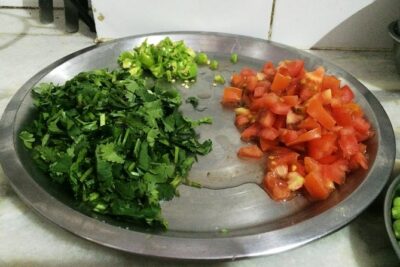
Appetizers are where Greek cooking training usually starts, because they teach seasoning and texture quickly. You’ll likely get practice with mezze-style components—things that reward fresh ingredients and careful timing.
You may also see dishes that come up often in Santorini kitchens, like tomato-forward sauces or creamy dips. Some participants have mentioned courses such as tzatziki and other vegetable-based sides, which makes sense for this island menu style.
Even if you’re vegetarian, appetizers often give you “wins” fast. They’re usually the most flexible part of the meal, and you’ll likely find more than one option that fits your diet.
Salad course: olive oil, herbs, and balance
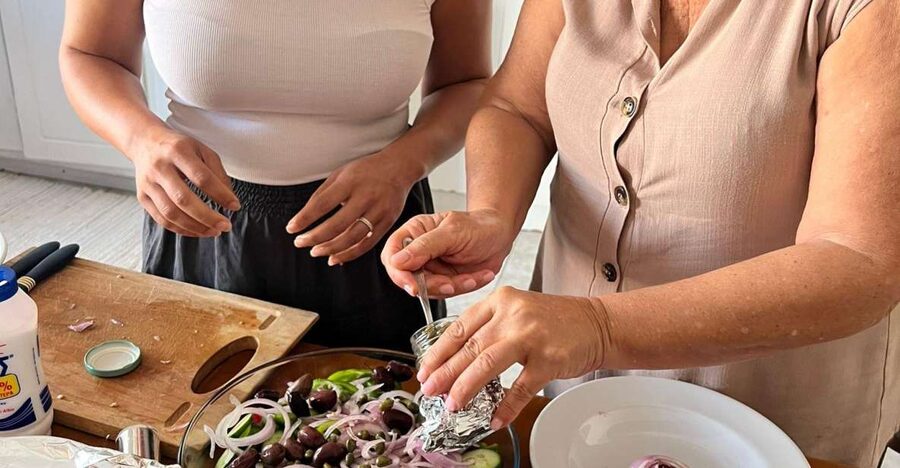
The salad course is a lesson in balance, not just “chop and toss.” Greek salad logic is simple: good produce, good olive oil, and enough salt. Areti’s guidance tends to focus on how ingredients should feel together—crisp versus juicy, bright versus savory.
You’ll likely work with classic Greek salad logic and possibly an island-leaning twist. People have specifically mentioned Greek salad as part of the meal at this experience.
If you’ve ever had a salad taste flat at home, this part helps fix that. You’ll come away thinking about dressing as a cooking step, not just a finishing touch.
Main course: the real technique test
The main course is where the class earns its name. This is the part that teaches you how Greek dishes build depth: sautéing aromatics, managing moisture, seasoning in layers, and respecting cooking times.
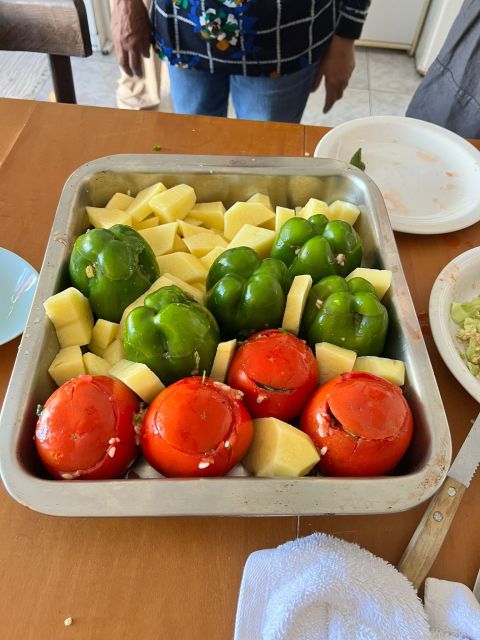
From the dishes people have named, the meal can include items such as meatballs in tomato sauce, fava beans, and vegetable mains like stuffed eggplants. That spread matters because it shows the range of Greek home cooking—meaty comfort alongside lentil/bean-based dishes and hearty vegetables.
If you’re expecting a single “signature Santorini dish,” you’ll be surprised by how varied a 4-course lunch can be. You’re not just learning one recipe; you’re learning a set of flavor moves.
Dessert: ending on something sweet and familiar
Dessert is the final course and usually the easiest way to spot a great cooking teacher. When a host can make a sweet dish taste effortless, it usually means they understand fundamentals—heat control, correct sweetness, and texture.
Dessert specifics aren’t guaranteed in the same way every time, but you can count on a structured finish to your meal. The point for you is to leave with a complete menu you can recreate, not just one standout dish.
How Areti teaches: stories, techniques, and everyone doing real work
What makes this class feel different is how Areti teaches. Her background includes 27 years as a restaurant owner in Oia, and that shows up in how she breaks down tasks. You won’t just get a list of ingredients—you’ll learn practical steps like when to season, how to test doneness, and how to keep flavors from going dull.
A lot of classes leave one or two people doing the “real work.” This one is built for participation. Areti tends to assign roles so everyone is involved, including people who say they’re not confident cooks. That’s why so many small-group comments feel similar: the work is shared and the learning sticks.
You’ll also get stories about island life as you cook. The tone comes across as family-style hospitality, where you’re not a customer hovering by the counter. You’re part of the process, and that changes how you remember the meal afterward.
Dietary needs: customization that stays Greek
The workshop is designed for vegan, vegetarian, and gluten-free diets. The key value here is that the customization is part of the menu plan, not an afterthought. That matters because Greek cuisine often relies on flexible ingredient choices—olive oil, vegetables, legumes, herbs, and simple sauces.
If you’re vegan or vegetarian, expect the menu to shift toward bean and vegetable-forward dishes. People have mentioned plates like fava beans and vegetable preparations such as eggplant dishes and salads.
If you need gluten-free, you’ll want to share that clearly when you book (since the class can tailor the recipes). The lesson for you is that you shouldn’t have to trade “real Greek” for “safe but bland.”
And because the group is small, there’s more chance to adjust during cooking without turning the kitchen into a complicated emergency.
Price in perspective: what $153 really buys
At $153 per person for a 3-hour experience, you’re paying for more than recipes on paper. You’re buying: a private kitchen setting, a local chef-host with decades in Oia hospitality, a full 4-course meal, and a take-home recipe format.
Here’s the simple way to think about the value. In Santorini, eating out can be expensive. This class replaces several meals with one sit-down lunch plus learning time, and you get wine included. You’re also not paying for a crowd event; you’re paying for small-group attention and hands-on cooking.
You could cook Greek at home later anyway, but what you’re really buying is the shortcut to better flavor. Areti’s guidance—technique, seasoning habits, and timing—cuts years off your trial-and-error. If you’re the type who cooks after a trip, the recipe cheat sheets can turn this into a multi-month payoff.
If you only want a quick snack, then the price can feel heavy. But for a serious food experience, it’s a strong deal.
What you’ll likely eat and drink
You can expect a menu built around Greek staples and island produce. Based on what participants have described from the course experience, dishes may include meatballs in tomato sauce, fava, Greek salad, tzatziki, and eggplant preparations like eggplant salad or stuffed eggplants.
On the drink side, your glass of wine is included. Some participants have also mentioned moonshine alongside the meal, which suggests you might be offered something extra at the table. Don’t assume it will happen every time, but it’s a good reminder that this can feel like a celebratory family lunch rather than a strict tasting.
You’ll almost certainly come hungry and leave comfortably full. The class is designed so the food you cook becomes the meal you eat right afterward.
Small practical tips before you book
If you want this to be memorable (and not stressful), do these things:
- Bring a notebook or rely on provided materials, then write down the steps that sound “too simple to matter.” Those are usually the secrets.
- Tell Areti your dietary needs clearly so the menu can be tailored properly.
- Plan your timing so you’re not rushing straight into a long walk or a big dinner reservation afterward. This ends with a full lunch.
- Wear comfortable clothes and shoes suited for a working kitchen, even if you’re only helping at one station.
Also, since the class happens in Oia, you’ll want to keep your expectations grounded. This is about cooking and eating together, not chasing photo spots every minute.
Who this class is perfect for
This is a great fit if you want an authentic Greek food experience without the “tour-bus kitchen” feel. It’s ideal for couples, small groups of friends, and solo travelers who enjoy structured activities with a social vibe.
It also works well for different skill levels. If you’re a beginner, you’ll likely get simple guidance and clear tasks. If you cook often, you’ll probably enjoy the way techniques get explained through real food decisions.
Families can also find this enjoyable, since the environment feels interactive and warm. Just keep in mind it’s still a kitchen, so active participation matters.
Should you book Areti’s Oia cooking class?
Book it if you want one of the most practical souvenirs you can bring home: better cooking instincts and a full set of recipes you can actually follow. The small group size, the private kitchen, and Areti’s restaurant-owner experience make it feel like a real local encounter rather than an assembly-line class.
Skip it if your main goal is sightseeing. This is a working meal, so you’ll trade some wandering time for hands-on learning and a satisfying lunch.
If you’re the type who cooks after trips, or you’ve ever wished Greek food tasted fresher at home, this class is a smart bet.
FAQ
Where is the meeting point for the cooking class?
You meet outside Karma Restaurant in Oia.
How long is the class?
The experience runs for about 3 hours.
How big is the group?
It’s limited to a small group of up to 6 participants.
Who teaches the class?
Areti, a 68-year-old Santorini grandmother (yiayia), hosts the workshop.
What languages are available?
The host or greeter can speak English, French, and Greek.
What’s included in the price?
You get the cooking class, a 4-course meal, a glass of wine, and recipe materials.
What kinds of food do you cook and eat?
The meal includes appetizers, salad, a main course, and dessert.
Can the menu be adapted for dietary restrictions?
Yes. Menus and recipes can be customized for vegan, vegetarian, and gluten-free diets.
Do you take anything home?
You receive recipe cheat sheets. Some participants also described taking leftovers home in take-away boxes.
What’s the cancellation and payment flexibility?
The experience offers free cancellation up to 24 hours in advance for a full refund, and it supports reserving with pay later.