REVIEW · ROME
Rome Cooking Class: Fresh Pasta Two Ways & Tiramisu with wine
Book on Viator →Operated by Insideat · Bookable on Viator
If pasta is your Rome goal, this is your hands-on stop. You’ll learn fresh fettuccine, ravioli, and tiramisù, plus you eat what you make in a small room near Vatican Museums.
I like that it’s designed for beginners, with real coaching as you shape dough and assemble fillings. I also like the pacing: a true meal arc, not just a cooking demo.
One thing to consider: you’ll want to ask how you get the recipe materials, since experiences vary on whether they’re shared at the end or afterward.
In This Review
- Key things I’d circle before you book
- Rome Cooking Class: Fresh Pasta Two Ways & Tiramisu With Wine
- Finding the place fast: where you meet and what to expect
- The aperitivo start: Spritz and cacio e pepe chips
- Starter time: bruschetta and wood-oven style flavors
- Hands-on pasta making: fettuccine first
- Ravioli filling: knead, fill, and let the chef finish the sauce
- Eating what you made: your meal, drinks, and a real sit-down payoff
- Tiramisu class: build it yourself and customize toppings
- The instructor vibe: patient coaching and hands-on help
- Vegetarian, gluten-free, dairy-free: what you can expect
- Value check: is $54.44 really fair?
- What to bring and how to get the most out of it
- Should you book this Rome pasta class?
- FAQ
- How long is the Rome cooking class?
- Where does the class meet, and does it end nearby?
- What dishes will I make during the class?
- What food and drinks are included?
- Is this class suitable for vegetarians or people with dietary needs?
- Is the class in English and how big is the group?
Key things I’d circle before you book
- Near the Vatican Museums: easy to find without a big travel day
- Max 14 people: small-group feel, relaxed pace, and time for questions
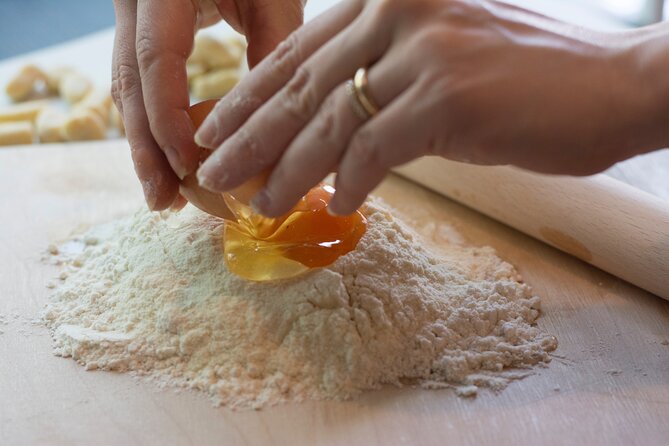
- Hands-on for 2 hours: you make fettuccine, ravioli, and tiramisù yourself
- Aperitivo + meal included: Spritz (or similar) at the start, then lunch/dinner with drinks
- Dietary options available: vegetarian and pescatarian are fully suitable; gluten-free/dairy-free by request
- Air-conditioned kitchen: you cook in comfort, not sweat through it
Rome Cooking Class: Fresh Pasta Two Ways & Tiramisu With Wine
Rome can make you feel like you either eat out forever or cook nothing. This class hits a third option: you learn Italian cooking in a real kitchen, then sit down and enjoy it. It’s also a strong pick if you want something different from another museum line.
The class meets at Via Andrea Doria 41 M, near the Vatican Museums. That location matters. You can pair it with Vatican-area sightseeing without doing a long cross-city commute. And because it runs about 3 hours, it fits neatly into a day when you still want time to wander.
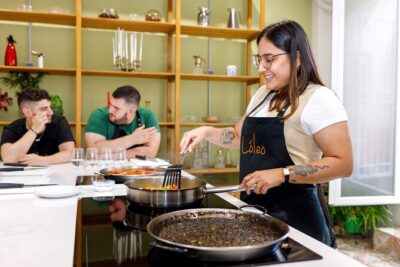
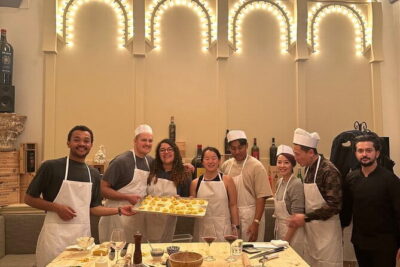
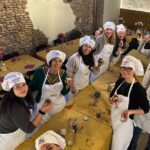
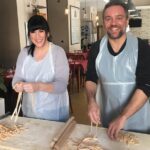
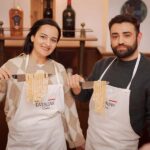
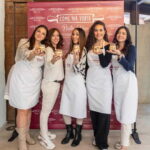
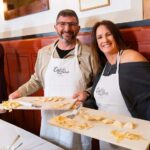
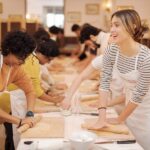
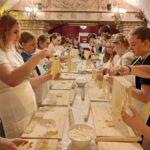
This is a small-group setup (up to 14 travelers). You’re not watching from the sidelines. You’re kneading, shaping, filling, and assembling. The teaching style in this class is consistently described as patient and encouraging, which is great if you’ve never made pasta dough before.
You can also read our reviews of more tours and experiences in Rome.
Finding the place fast: where you meet and what to expect
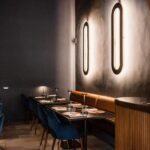
You’ll start at Via Andrea Doria 41 M and the experience ends back at the same meeting point. The restaurant is air-conditioned, which is a quiet win in Rome’s warmer months.
A few practical notes for your day:
- You get a mobile ticket, so have it ready on your phone.
- The class is offered in English.
- It’s near public transportation, so you don’t need to plan around taxis.
If you’re juggling a Vatican-area schedule, this “start and end in the same spot” setup helps. No hunting for a second location after you’re done eating.
The aperitivo start: Spritz and cacio e pepe chips
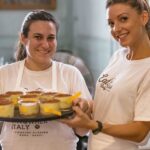
The experience begins like a real Italian evening, not like a classroom. You start with a Spritz (a true aperitivo moment), paired with homemade cacio e pepe chips.
This part is more than a drink service. It sets the tone. You’re relaxed before you touch dough. And cacio e pepe—cheese and black pepper—is a very Roman flavor profile. It’s a smart teaser for what comes next.
You’ll also have a welcome drink as part of the dinner menu flow. If you’re doing this for the food experience, this opening is a good sign: they’re not skimping on the fun start.
Starter time: bruschetta and wood-oven style flavors
After the initial aperitivo, you’ll move into the meal. One clear highlight is the bruschetta: wood oven toasted bread with garlic, oregano, basil, and tomato.
That combo matters because it gives you something classic and easy to eat while you’re learning. Pasta classes can sometimes feel like you’re working on an empty stomach. Here, you’re already in a food rhythm: savory starter, then hands-on pasta.
Hands-on pasta making: fettuccine first
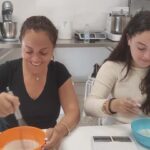
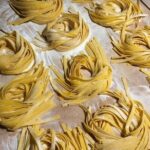
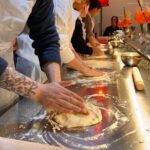
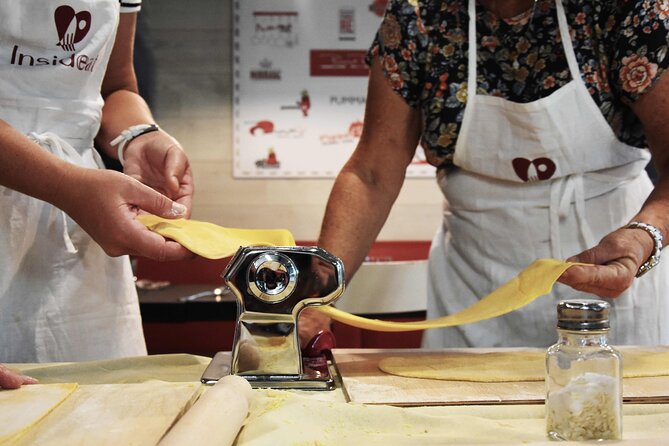
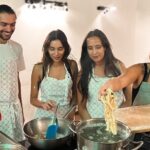
The heart of the class is the 2-hour cooking session. You’ll make fresh fettuccine and homemade ravioli.
For fettuccine, you’ll be shaping dough into long pasta. This is where beginner-friendly instruction really shows. Pasta dough sounds fancy, but it’s basically about texture and consistency. In this class, the point isn’t speed. The point is getting it right with help.
A practical tip for you: focus on your hands and the dough, not on perfection. If you’re tense, you’ll feel it in the dough. If you loosen up, you’ll likely get a shape you’re actually proud to eat.

Ravioli filling: knead, fill, and let the chef finish the sauce
Next comes ravioli—the other pasta you’ll make from scratch. You’ll fill the ravioli (so you get the satisfying moment of closing and shaping). Then the chef finishes with sauce.
This division of work is smart. It keeps your hands involved without turning the whole class into a nonstop wrestling match with hot pans. You get the skill-building part, and then you get a guaranteed good result for the final plate.
Roman-style sauces show up here too. Your fresh fettuccine will be served with a selection of sauces such as cacio e pepe and carbonara, and there may be other options depending on what they’re serving that day.
If you’ve ever wondered why Italian comfort food tastes so different from restaurant versions, this is a real clue. The sauce choices are part of the teaching. You’re not just making noodles; you’re learning how Romans think about finishing them.
Eating what you made: your meal, drinks, and a real sit-down payoff
Once the cooking is done, you sit down to eat your pasta. Your meal includes:
- The pasta you prepared (fettuccine and ravioli)
- Traditional Roman sauces prepared by the chef
- A bruschetta starter as part of the dinner menu
- An included meal drink (wine, beer, or soft drink) plus water
This “cook, then eat” structure is what makes the class feel worth it. You’re not paying just for the experience theater. You’re paying for instruction, ingredients, and a full meal with drinks.
And yes, you can absolutely treat this as dinner. It’s that kind of class: you finish hungry and happy, not sweaty and starving.
Tiramisu class: build it yourself and customize toppings
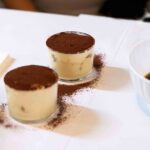
Dessert is tiramù you craft yourself. You’ll make and personalize it with your favorite toppings. That customization is a fun outlet. It turns a classic recipe into something you can actually claim as your own.
Tiramisu is also the perfect end point because it doesn’t demand cooking at the stove. You get to work with layers and assembly—very doable, even if you’re new.
One small practical caution: you can end up so full from the pasta meal that dessert feels like a challenge. If you know you run out of appetite late, pace yourself during the main course so you can taste the tiramisu you made.
The instructor vibe: patient coaching and hands-on help
The quality of the teaching is a big deal in a pasta class, and this one seems to nail it. In particular, the class has been taught by instructors such as Eduardo/Edoardo, Marina, and Merci—with the shared theme being clear explanations and a friendly, patient approach.
That matters for beginners. Pasta-making can go wrong in a bunch of small ways, and it’s comforting when someone guides you back quickly.
If you’re traveling with kids, this teaching style is also a plus. The class has been described as great for children, with lots of encouragement and a fun atmosphere.
Vegetarian, gluten-free, dairy-free: what you can expect
This class is fully suitable for vegetarians and pescatarians. And there are dairy-free and gluten-free options available on request, as long as you inform them in advance.
This is where I’d plan ahead. If you have a dietary need, message early and be specific. Don’t wait until the day of the class. It’s the best way to avoid last-minute substitutions you didn’t ask for.
Value check: is $54.44 really fair?
Price-wise, this runs about $54.44 per person for roughly 3 hours. On paper, that can sound high—until you count what’s included.
You’re getting:
- A hands-on 2-hour cooking session
- Ingredients for multiple items (pasta dough and fillings plus dessert)
- Kitchen tools and an apron
- A full meal: starter, pasta, dessert
- A welcome aperitivo (Spritz + cacio e pepe chips)
- An included drink with the meal (wine/beer/soft drink) and water
So your cost isn’t just “someone teaching you.” It’s a full food experience with actual servings at the end. If you were doing this in Italy by going to a restaurant plus booking a private guide, you’d likely pay more for less hands-on practice.
Also, the class is booked fairly far ahead on average (around 60 days). If your dates are fixed, it’s smart to lock it in early.
What to bring and how to get the most out of it
You won’t need to bring ingredients or tools—those are handled. But you’ll get more out of the class if you bring the right mindset.
Here’s what helps:
- Wear something comfortable. You’ll be standing and working at tables.
- Expect to get a little dough on your hands. That’s part of the deal.
- Ask about recipe access at the start or end. Some people report getting recipes afterward, and others didn’t receive them as expected. Clearing this up early saves stress.
If you’re the type who loves learning by doing, this is your style of activity. It’s active, social, and surprisingly satisfying—especially when you’re eating pasta that started as a ball of dough.
Should you book this Rome pasta class?
Book it if you want a hands-on Rome experience that ends with a full meal and dessert. The small-group size, the beginner-friendly coaching, and the fact you make both fettuccine and ravioli make it stronger than the generic pasta demo style.
Skip it if you’re not interested in cooking at all and just want to watch. This class is for people who like getting their hands dirty and eating right after.
If you’re short on time in the Vatican area, this is also a practical choice. You get a real Roman food experience without adding extra travel across town.
FAQ
How long is the Rome cooking class?
It runs about 3 hours total, including a 2-hour hands-on cooking session.
Where does the class meet, and does it end nearby?
You meet at Via Andrea Doria 41 M, 00192 Roma RM, Italy, and the experience ends back at the same meeting point.
What dishes will I make during the class?
You’ll make fresh fettuccine, homemade ravioli, and tiramù.
What food and drinks are included?
You’ll get an aperitivo with a Spritz, cacio e pepe chips, bruschetta, pasta with traditional sauces, and your own tiramù, plus an included meal drink (wine, beer, or soft drink) and water.
Is this class suitable for vegetarians or people with dietary needs?
Yes. It’s fully suitable for vegetarians and pescatarians. Dairy-free and gluten-free options are available on request if you inform them in advance.
Is the class in English and how big is the group?
It’s offered in English, and the group size is capped at 14 travelers for a small, relaxed class.