REVIEW · CRETE
Chania Cooking Class-The Authentic Enjoy traditional Cretan meal
Book on Viator →Operated by Chania Cooking Class · Bookable on Viator
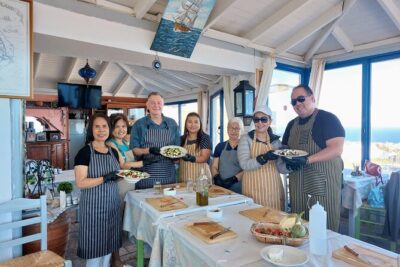
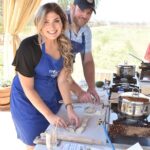
Cooking with a Cretan family feels personal. You’ll work in an outdoor olive-grove kitchen while learning kleftiko from Veerna and her team.
I love the hands-on focus: you roll dough for kalitsounia and help stuff tomatoes, peppers, zucchini, and grape leaves (dolmades). I also love that the meal is built around real Cretan classics, from ntakos and tzatziki to the big plates that keep coming with local wine.
One possible drawback: the class can run 4–5 hours, and the first sit-down food happens later than you might expect, so plan your day accordingly and don’t arrive hungry with no plan.
In This Review
- Key things to know before you cook in Chania
- Chania Cooking Class: why the olive-grove setting matters
- Welcome coffee and the kleftiko story before you start cooking
- Lamb “pouch” technique and what hands-on really looks like
- Dolmades and stuffed vegetables: your rice-and-herb work pays off
- Kalitsounia with rolling pins: the pastry skill to take home
- Appetizers first: tzatziki, ntakos, and Cretan salad in the right order
- The included wine and dessert setup (so you save room)
- Price and value: what you’re paying for (and what you shouldn’t pay extra for)
- Getting there smoothly: Nerokouros meeting point, transfers, and timing
- Who should book this Chania cooking class?
- Should you book Chania Cooking Class?
- FAQ
- How long is the Chania cooking class?
- Do I get pickup from my hotel?
- What meals are included?
- What dishes will we make and eat?
- Are alcoholic drinks included?
- What time sessions are available?
- Is transportation included in the price?
- What group size is the class limited to?
Key things to know before you cook in Chania
- Kleftiko (Thieves dinner) gets explained before you cook the lamb pouch, so you know what you’re making
- You make dolmades and stuffed vegetables rather than only watching someone else
- Kalitsounia is the pastry highlight, including rolling out the dough
- Appetizers come out first (even if they’re prepared later), so you snack while you work
- Wine and soft drinks are included, and meals are generous
- Max group size is kept to 40, and transport is semi-private
Chania Cooking Class: why the olive-grove setting matters
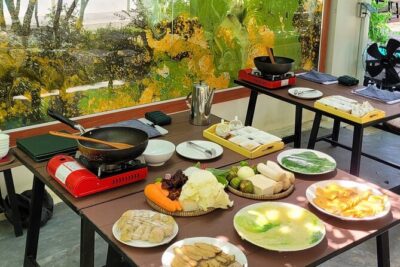
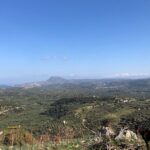
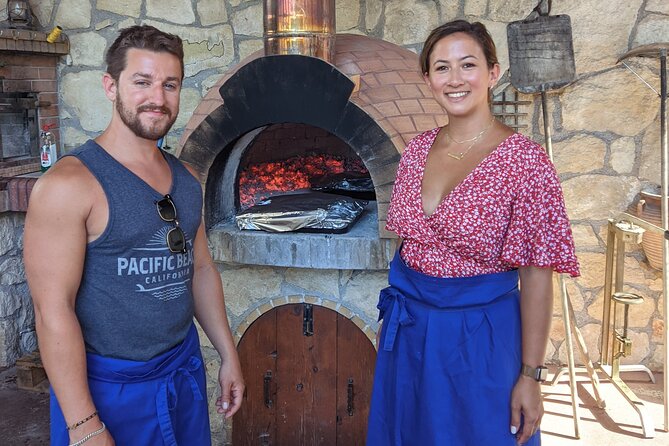
This isn’t a fluorescent, rushed cooking demo. The whole experience is staged near Chania in a home-style setting with outdoor cooking space and gardens. That matters because Cretan food is built for slow eating, good conversation, and sharing what you made.
The meeting point is at Nerokouros in Chania, and you’ll return there at the end. You’re also offered a pickup/transfer option for an extra fee, which can be a big win if you’re staying outside the center.
If you care about practicality, here’s the simple angle: you’ll spend a few hours cooking in a real kitchen environment, then you’ll eat what you cooked, as a full meal with included drinks.
You can also read our reviews of more tours and experiences in Crete.
Welcome coffee and the kleftiko story before you start cooking
The class kicks off with a homemade welcome—either a homemade refreshment or a Greek coffee—plus homemade cookies. It’s a small touch, but it sets the tone fast. This is family-run hospitality, not a scripted tour bus stop.
Right after that, you’ll get the menu framework and the meaning behind the main event. You’ll learn about the significance of the “thieves dinner,” kleftiko, the famous lamb dish with roots in Cretan tradition. Then the group shifts from story to action: the main dish you prepare centers on lamb, typically shaped as a pouch with vegetables and goat cheese.
If you’re wondering whether this is just a cooking lesson, it’s more than that. You get the why behind the food, which makes the dishes easier to remember (and easier to recreate later).
Lamb “pouch” technique and what hands-on really looks like
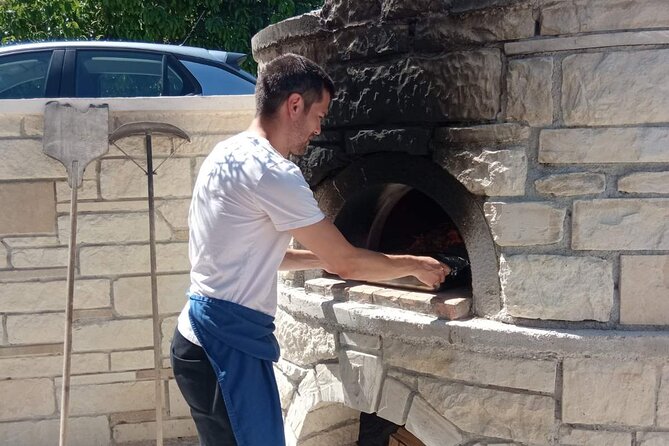
When you make kleftiko, you’re not just tossing herbs into a bowl. The process is set up so you can participate in the main prep steps, including building the stuffed lamb-and-vegetable pouch with goat cheese as part of the filling.
You’ll also see how Cretan cooking leans on simple ingredients with careful handling. Even if you’re not a trained cook, the steps are designed to be approachable, with clear instruction from the host-led kitchen team.
From the vibe of the class style, it feels organized and patient rather than chaotic. You’ll be busy, but you’re also not being left alone with a rolling pin and a hope-and-a-prayer.
Dolmades and stuffed vegetables: your rice-and-herb work pays off
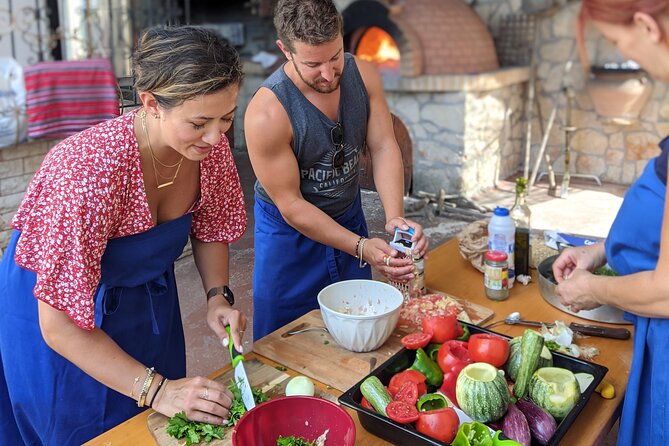
After the lamb prep, the class moves into a classic second wave: stuffed vegetables and dolmades (stuffed grape leaves). These dishes are where you really feel you’re learning Cretan method, because the work is hands-on and repetitive in a good way.
You’ll stuff vegetables like tomatoes, peppers, and zucchini with a rice-and-herb filling. Then you’ll tackle dolmades, where the skill is in the shaping and the bite-size consistency. It’s the kind of task that slows you down just enough to understand why these recipes have lasted for generations.
This is also where the lesson sticks. You don’t just taste the end result; you understand the texture and the balance that make it good.
Kalitsounia with rolling pins: the pastry skill to take home
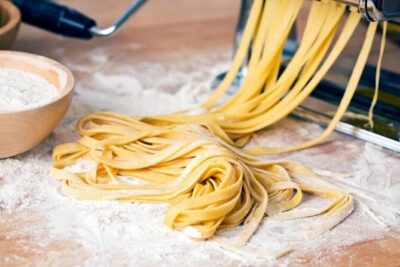
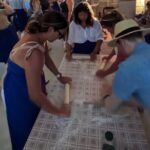
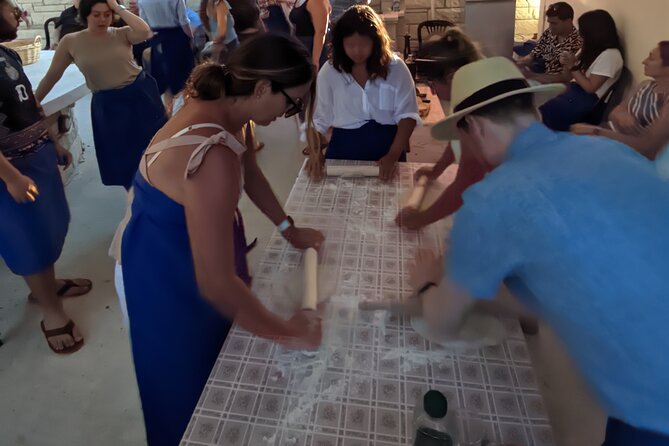
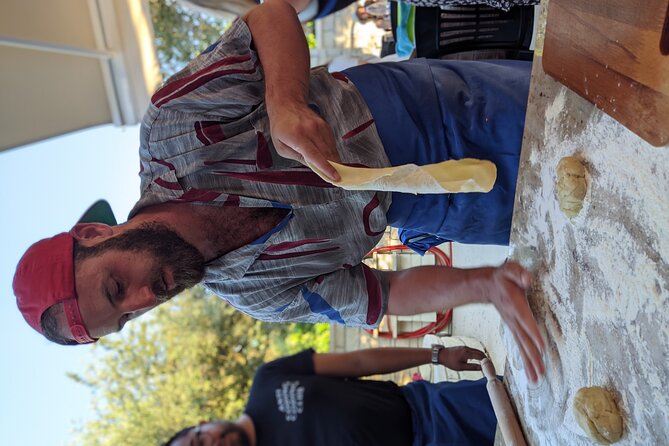
If you want one moment that turns the class from “fun” into “I can make this again,” it’s kalitsounia. You’ll learn how to make these savory cheese-and-wild-greens pies, and the dough work includes rolling it out using rolling pins.
You’ll also get the sweet version later. The dessert kalitsounia follows the same idea—cheese-filled pies served with honey—so you see how one dough-and-filling concept becomes two very different flavors.
One useful detail: kalitsounia is a great skill for home cooking because the ingredients are accessible, and the structure teaches you how to handle thin dough without panicking. If you’ve ever wanted a practical pastry win, this is it.
Appetizers first: tzatziki, ntakos, and Cretan salad in the right order
The meal flow is designed to keep you eating while you cook. Even though some items are prepared during the later stages, you’ll enjoy the appetizers first: tzatziki, ntakos, and Cretan salad.
Here’s what that means on your plate:
- Tzatziki: a yogurt dip with cucumber and garlic
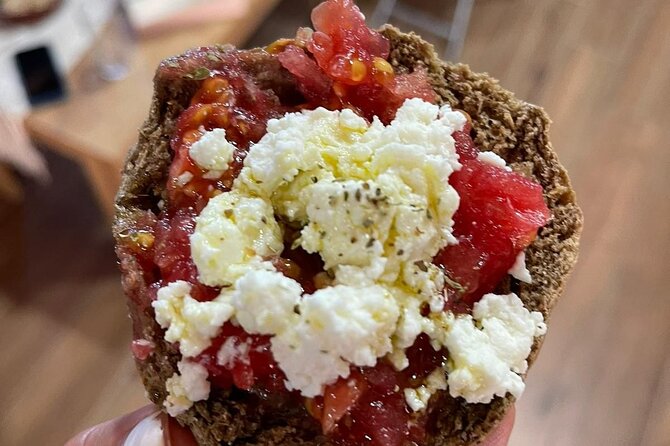
- Ntakos: traditional Cretan baked bread topped with grape tomato and goat cheese
- Cretan salad: the kind of mix that feels simple but tastes right when everything is fresh
The order matters. You don’t wait until the very end to start enjoying the meal, so the long class doesn’t feel like a cooking marathon where you only eat after you’re finished.
Then comes the main plates you made: kleftiko plus the stuffed vegetables and dolmades, followed by dessert. If you like meals that feel like actual home feasts, you’ll be happy here.
The included wine and dessert setup (so you save room)
Local wine and soft drinks are included, and the meal comes with “copious amounts” of what you’ll want to sip while you eat. That’s not just about drinking—it’s about pacing. You’ll sit, share, and enjoy the dishes you helped make instead of rushing through a finish line.
Plan for dessert. Something sweet and seasonal is part of the experience, and the menu includes a sweet kalitsounia plus a yogurt dessert finished with spoon sweet. The spoon sweet is made from wild fruits processed into a thick, flavorful fruit preserve-style topping.
Tip: if you want to stay comfortable during the class, don’t schedule a huge late lunch right before. Reviews from people who’ve done it highlight that you might not eat right at the start, so timing your meals makes the experience smoother.
Price and value: what you’re paying for (and what you shouldn’t pay extra for)
The price is listed at $133.08 per person. Kids pricing is also clearly set: ages 5–12 pay 50 EUR, while 0–4 are free. For adults, the provided adult price is 105 EUR, so what you pay in dollars may vary with exchange rates.
What you get for that money is the key value story:
- Ingredients and everything needed to cook
- Alcoholic beverages plus soda/pop
- A full lunch or dinner (depending on the session you choose)
Transportation is the only common extra. The class says pickup is offered for an extra fee depending on location, and transport is semi-private in a 9-seat van and an EV. You might share with other people going to the same class window.
Compared to paying for a restaurant meal plus a separate paid activity, this bundles food, drinks, instruction, and hands-on prep into one ticket. If you care about tasting and making, not just watching, the price starts to make sense quickly.
Getting there smoothly: Nerokouros meeting point, transfers, and timing
Your meeting point is at Nerokouros in Chania, and the tour ends back there. Pickup is offered for an extra fee, and transport is semi-private, so you’re not getting a private car just for yourself.
Timing options are also flexible:
- Lunch session: 10:00–14:00
- Dinner session: 16:00–20:00
Duration is roughly 4–5 hours and can depend on group size.
Because the class structure involves multiple dishes and prep steps, the difference between a lunch and dinner session matters. If you prefer a calm day, pick the lunch window. If you like a later start and a slow evening, the dinner slot is easier to pair with other plans.
Also, you’ll have a mobile ticket and you’ll receive confirmation at booking with the exact location shared after confirmation.
Who should book this Chania cooking class?
This is a strong choice if you want Cretan food you can actually reproduce later. It’s hands-on with specific dishes—kleftiko, dolmades, stuffed vegetables, savory kalitsounia, and sweet kalitsounia—so it suits beginners who learn by doing.
It also fits wine-and-food lovers because local wine is included. And because the group size is capped at 40 and the vibe is family-run, it tends to feel social without becoming performative.
You might want another option if you’re on a tight schedule and hate waiting. One practical caution from the experience style: you might not sit down to eat immediately, so if your itinerary is rigid, plan buffers.
Should you book Chania Cooking Class?
If you want an authentic, practical way to experience Crete beyond beach time, I’d book it. The best part is that you don’t just taste Cretan cuisine—you make the core dishes, learn why they matter, then eat them in a home-style setting with wine and dessert.
Before you go, do one simple thing: time your meals so you arrive with energy, not hunger pangs. Then bring curiosity about Cretan traditions, and you’ll get far more out of the cooking steps.
FAQ
How long is the Chania cooking class?
It runs about 4 hours, and the duration can be 4–5 hours depending on the number of participants.
Do I get pickup from my hotel?
Pickup/transfer is offered for an extra fee depending on your location. The class also has a meeting point in Chania at Nerokouros.
What meals are included?
The experience includes lunch or dinner (depending on the session you book), plus all ingredients needed to cook and eat during the class.
What dishes will we make and eat?
You’ll prepare items including kleftiko (lamb “thieves dinner”), stuffed vegetables, dolmades (stuffed grape leaves), and kalitsounia (savory pies). You’ll also enjoy appetizers like tzatziki, ntakos, and Cretan salad, plus dessert such as sweet kalitsounia and yogurt with spoon sweet.
Are alcoholic drinks included?
Yes. Alcoholic beverages and soft drinks are included, with local wine mentioned as part of the meal.
What time sessions are available?
You can choose a lunch session from 10:00 to 14:00 or a dinner session from 16:00 to 20:00.
Is transportation included in the price?
No. Transportation is not included, though pickup can be added for an extra fee.
What group size is the class limited to?
The activity has a maximum of 40 travelers. Transport is semi-private and you may share a vehicle with other people attending the class.