REVIEW · SIENA
Tuscan Cooking Class in Central Siena
Book on Viator →Operated by scuola di cucina di lella · Bookable on Viator
Four hours in a real Siena kitchen.
This cooking class is interesting because it’s built around a proper Tuscan menu (starter to dessert) and you finish by eating what you made, paired with wine. I especially like the hand-made pasta focus and the fact the class stays small, capped at 15 with English support. A possible drawback: depending on the course and your comfort level, you may not do every step end-to-end yourself, and the pace can feel quick if you want to write everything down.
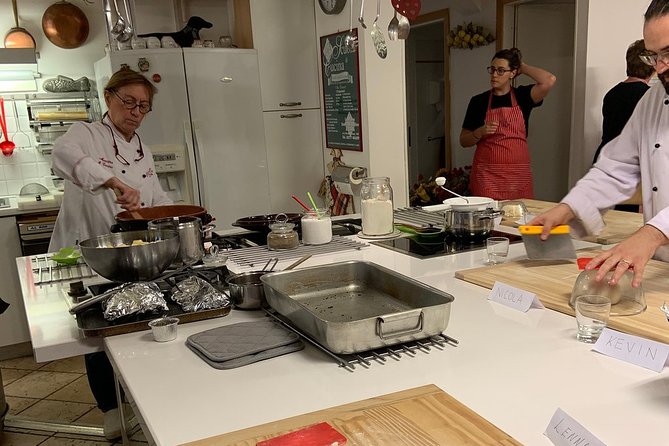
You’ll meet at Scuola di Cucina di Lella in central Siena (Via Fontebranda, 69), starting at 4:00 pm. The school has been around since 1996, and you’ll be taught by Francesco, the owner, with help from Giulia for the English side of things. The exact menu can shift, but the rhythm is consistent: multiple recipes, hands-on cooking, then dinner in the same room you cooked in.
In This Review
- Key things to know before you go
- Scuola di Cucina di Lella in central Siena: show up ready to cook
- Who teaches: Francesco, Giulia, and the family-recipe approach
- The menu game plan: what you’ll cook (even when it changes)
- Hands-on pasta and cooking roles: what participation actually feels like
- The end-of-class dinner with wine: don’t schedule anything right after
- Price and value in Siena: what you’re paying for
- Language and comfort details that matter day-of
- Who this Tuscan class is best for
- Should you book the Tuscan Cooking Class in Central Siena?
- FAQ
- How long is the Tuscan cooking class?
- Where does the class meet in Siena?
- Is the class taught in English?
- How many people are in the class?
- What’s included in the price?
- Is transportation included?
Key things to know before you go
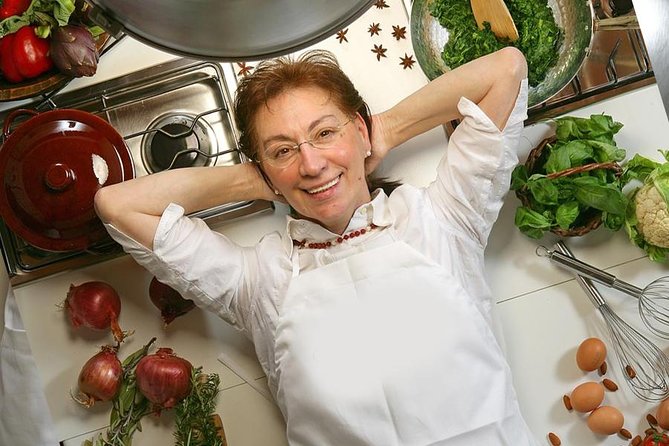
- Chef-led Tuscan menu, from starter to dessert with a full meal served at the end
- Small groups (15 max), so you’re more likely to actually get involved
- Hand-made pasta practice (pici and fresh pasta are common choices)
- English instruction with Italian cooking culture in the mix via Francesco and Giulia
- Wine included with dinner: 1/4 liter of Tuscan IGT wine per person
- Menu changes by day, so you’re not guaranteed the exact sample lineup
Scuola di Cucina di Lella in central Siena: show up ready to cook
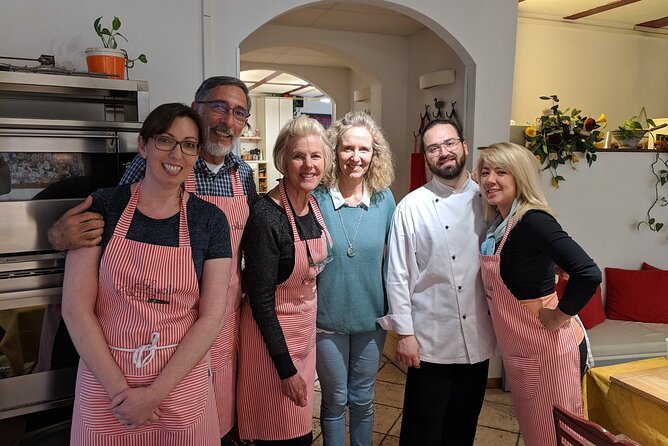
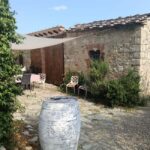
This class is anchored in one place: Scuola di Cucina di Lella, Via Fontebranda 69. That matters because you’re not hopping across town for ingredients or doing a split schedule. It’s a straightforward plan: arrive, cook, then eat. Starting at 4:00 pm is also smart in Siena, because you get a late-afternoon activity that won’t steal your whole day from sightseeing.
Practical tip: plan to arrive a few minutes early so you’re settled before Francesco starts assigning stations and explaining the workflow. The tour uses a mobile ticket, so have it ready on your phone. It’s also near public transportation, which is useful if you’re staying in the historic center and don’t want to fight for parking.
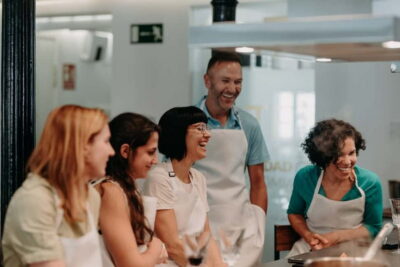
In terms of pacing, this is not a casual “watch someone cook” moment. The tone from past participants is that it’s hands-on, with everyone getting a role across the courses—even if some steps lean more toward chef guidance than total DIY. Come hungry for the experience, but expect that the food you’ll eat at the end takes real preparation time.
You can also read our reviews of more tours and experiences in Siena.
Who teaches: Francesco, Giulia, and the family-recipe approach
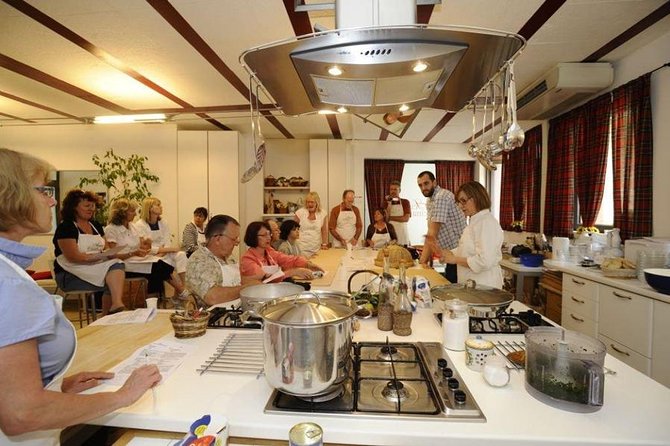
The heart of this class is Francesco, the owner of the cooking school. He’s the one leading the lessons, and the theme is traditional Tuscan family recipes using local ingredients. You’ll be working in a school that’s been operating since 1996, and it shows in the way the setup runs like a team kitchen rather than a demo stage.
On the language side, the group lessons are offered in English. Giulia is often part of the team as the English support, which is helpful if your Italian is limited. One useful thing to know: even in an English class, you may hear Italian during the technical explanations, then Giulia helps make sure you catch the meaning and the technique. That’s a good sign, because it keeps the cooking rooted in the real way Italians talk about food and steps.
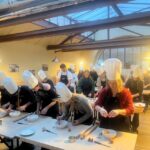
Also, the school operates with a small-group maximum of 15. That size helps you ask questions and get corrected without feeling lost in a crowd. If you’re the type who learns by doing, this teaching setup tends to work well because you’re not just observing—you’re contributing.
The menu game plan: what you’ll cook (even when it changes)
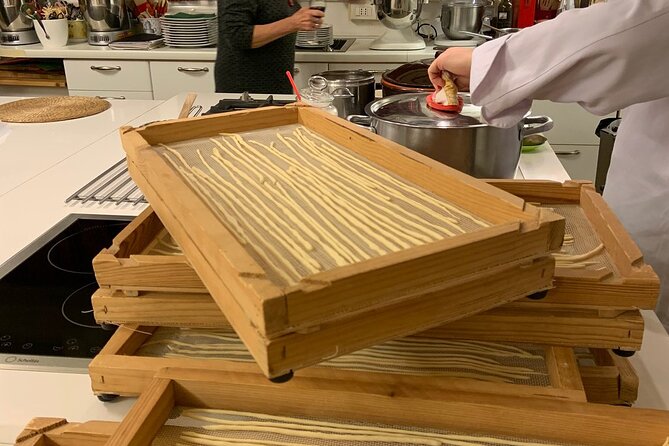
The exact menu isn’t always the same. Instead, the class rotates and offers choices among common Tuscan building blocks: starters, soups, fresh pastas, and several styles of main dishes and desserts. The menu still follows the idea of a full Tuscan menù, from starter to dessert.
Here’s a sample menu so you can picture the flow:
- Starter: Pappa con il pomodoro (Tuscan bread and tomato soup)
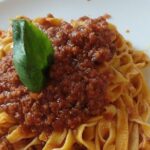
- Main: Pici with Aglione sauce (hand-rolled pasta with a garlic-forward sauce)
- Main: Arista in porchetta con patate arrosto (roast meat with roasted potatoes)
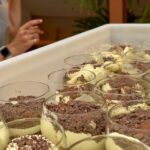
- Dessert: typical cakes from Siena
The courses often include things like ravioli, gnocchi, and pici, plus related condiments. Some days also include meat mains with side dishes, while desserts may be strictly Tuscan or can come from other regions of Italy.
Why this menu variety is valuable: you’re learning a system, not just one recipe. Once you understand how they approach sauces, pasta dough, seasoning, and timing, you can reproduce the style at home even when your ingredients aren’t identical. And if you’re picky about texture—fresh pasta vs. store-bought pasta—this class pushes you toward the real thing.
Hands-on pasta and cooking roles: what participation actually feels like
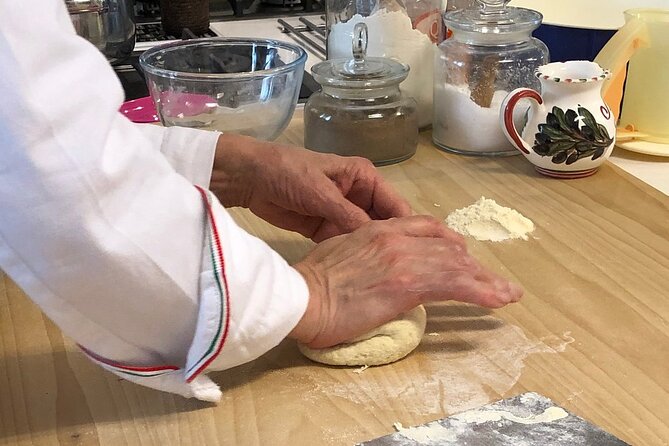
Most people book this class for the cooking experience, and that’s where it delivers best. A recurring highlight is that you’ll get in the kitchen for multiple tasks. Past descriptions point to activities like making pasta by hand, chopping herbs, and working step-by-step through building the courses.
That said, cooking classes have different “degrees” of hands-on. Some people love that everyone participates in every course. Others note that the chef and staff may do more of the work in order to keep the schedule on track, since you’re preparing a multi-course meal in about four hours.
For you, the key takeaway is to treat this as collaborative cooking, not total control. If you’re a strong self-taught cook, you may still pick up technique and timing tips, but you might not get to do every tiny step without interruption. If you’re new in the kitchen, that’s still workable—the class is taught in a way that aims to be understandable at different skill levels—but be ready for the pace.
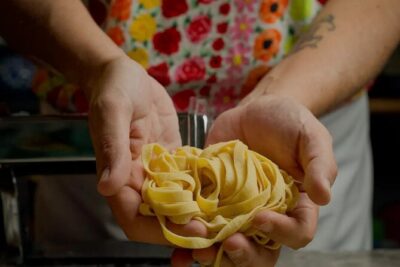
And yes, pasta can be tricky. Rolling and shaping fresh pasta takes a bit of practice, and some participants found pici to be a learning curve. The upside: you’ll see what matters (dough feel, thickness, and shape), and you can take those lessons home.
The end-of-class dinner with wine: don’t schedule anything right after
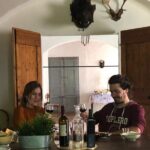
The payoff is simple: once the cooking is done, you sit down and the meal is served with what you prepared. This is not a distant tasting; it’s the food you made in the same session.
Wine is included with dinner: 1/4 liter of excellent Tuscan IGT wine per person. That’s a meaningful inclusion because it turns the class into a full evening meal experience, not just a hands-on workshop. It also makes the group feel more like friends sharing dinner than like a classroom.
One practical consideration: because you’re making multiple courses, you might feel like you’re waiting to eat. So try not to plan a heavy dinner right afterward. If you want to keep energy for evening strolls in Siena, eat dessert slowly and pace yourself—especially if wine makes you sleepy.
Price and value in Siena: what you’re paying for
At $157.28 per person for about 4 hours, this sits in the “you’re buying a real experience” category. The best part is that the cost isn’t just for a single dish. You’re paying for:
- a multi-course menu (starter through dessert)
- fresh ingredients and proper equipment setup
- hand-made pasta preparation
- staff and translation support for an English class
- a sit-down dinner featuring what you cooked
- Tuscan IGT wine included with dinner
That combination is what makes it feel like value. If you tried to recreate a four-course meal and wine pairing on your own, you’d still spend money on ingredients and time. Here, you get guidance, correction, and a structure that keeps everything moving.
One more clue: the class is commonly booked about 77 days in advance on average. That’s not a rule, but it does suggest it’s popular. If you’re traveling in a peak season or around major holidays, it’s smart to book earlier rather than hoping for a last-minute slot.
Language and comfort details that matter day-of
Group lessons are in English. On request, other languages (French, German, Spanish, Japanese, Chinese, Russian) may be available for private lessons only. So if you’re part of a private group and want a specific language, that’s where it fits.
Before you go, keep your phone available for quick communication. During booking, you’re asked to leave a cellphone number, which can help with any last-minute confirmations.
Service animals are allowed, and the meeting point is near public transportation. If you’re planning your day, treat this as a central-city plan: it’s easier if you’re already in the historic core area.
Who this Tuscan class is best for
This experience is a strong match if you want a taste of Tuscan cooking culture through real food work. It’s especially good for:
- couples and friends who want a shared activity that ends with a meal
- travelers who prefer practical lessons over passive demonstrations
- food lovers who like learning how Italian recipes are built, sauce by sauce
It may be less ideal if you’re expecting full control with no guidance. Some people want the chef to let them do everything themselves. Others want more time to slow down, write notes, and ask follow-ups without a fast-moving class schedule.
Also, while the overall rating is high, there is at least one outlier complaint about ingredient freshness and wine quality. That kind of issue is rare in the overall pattern, but it’s still worth keeping in mind: you’re paying for a set meal and included wine, so the best approach is to go with realistic expectations and treat it as a cooking experience first, not a tasting of rare wines.
Should you book the Tuscan Cooking Class in Central Siena?
If you want a hands-on, chef-led Tuscan meal in central Siena—and you’re excited to cook and then actually eat right after—this is an excellent fit. The small group size, fresh pasta focus, and dinner with Tuscan IGT wine make the time feel worth it.
Book it if you:
- like learning by doing (not just watching)
- want a structured starter-to-dessert menu
- can handle a class that may not stop for slow note-taking at every step
Skip or rethink it if you:
- want a strictly step-by-step lesson where you control every action without interruption
- get stressed by a faster pace while learning
If your goal is to leave with practical Tuscan techniques and a memorable meal, this one should make your Siena itinerary.
FAQ
How long is the Tuscan cooking class?
It runs for about 4 hours.
Where does the class meet in Siena?
You meet at Scuola di Cucina di Lella, Via Fontebranda 69, 53100 Siena SI, Italy.
Is the class taught in English?
Yes. Group lessons are offered in English. Other languages are available only for private lessons.
How many people are in the class?
The group is limited to a maximum of 15 travelers.
What’s included in the price?
You prepare a traditional Tuscan menu from starter to dessert, including fresh hand-made pasta, and you eat the meal at the end. A 1/4 liter per person of Tuscan IGT wine is included with dinner.
Is transportation included?
No. Transportation to or from attractions is not included.