REVIEW · SIENA
Siena: Pasta and Tiramisu Cooking Class with Wine
Book on GetYourGuide →Operated by The Roman Food Tour · Bookable on GetYourGuide
Siena pasta turns into a skill you keep. In a 3-hour class at Trattoria Fonte Giusta, you make fresh dough for egg pasta, pici, and gnocchi, then sit down for Prosecco and wine alongside what you cooked.
I love how the chef focuses on feel and consistency, not just steps, so you know what the dough should be like by the time you start shaping. I also like the way tiramisu is taught in a practical, hands-on way, with guidance for the cream and time for you to put your own together.
One caution: the traditional recipes include gluten, dairy, and eggs, and while substitutions may be offered for preferences or allergies, the provider can’t guarantee zero cross-contamination.
In This Review
- Key highlights you’ll actually care about
- From meet-up to meal: the real vibe in Siena
- Prosecco and an English guide: getting started without stress
- Hands-on pasta dough: egg pasta, pici, and gnocchi
- What the chef teaches you when consistency is the whole game
- Tiramisu in class: cream technique and your own assembly
- Lunch or dinner: eating what you made with wine
- Price and value: what $81 includes in real terms
- Dietary limits: what to know before you book
- Who this cooking class suits best
- Tips to make your 3 hours easier and more fun
- Should you book this Siena pasta and tiramisu class?
- FAQ
- How long is the Siena pasta and tiramisu cooking class?
- Where is the meeting point?
- What drinks are included?
- What do I make during the class?
- Is the class suitable for vegans or people with lactose intolerance?
- Are dietary substitutions available for allergies or preferences?
Key highlights you’ll actually care about
- Prosecco welcome at Trattoria Fonte Giusta before you touch a single ingredient
- Three pasta dough styles: egg pasta, pici without eggs, and potato gnocchi
- Chef coaching on texture so your dough is easier to work with and more likely to turn out right
- Tiramisu cream technique taught with mixing method and then your own assembly
- Lunch or dinner in the restaurant setting where you eat what you made, with a glass of wine
- Value for 3 hours since the cost includes drinks, the meal, and cooking tools
From meet-up to meal: the real vibe in Siena
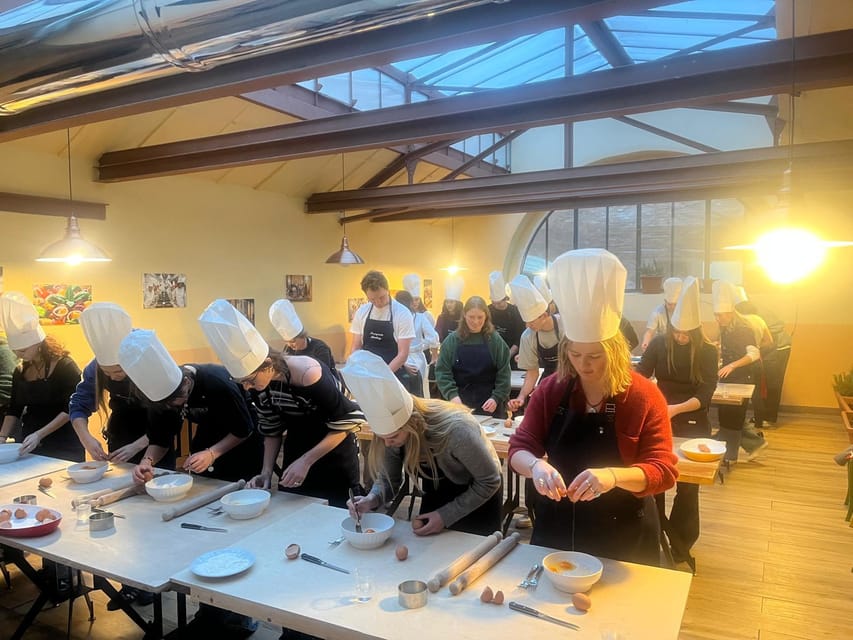
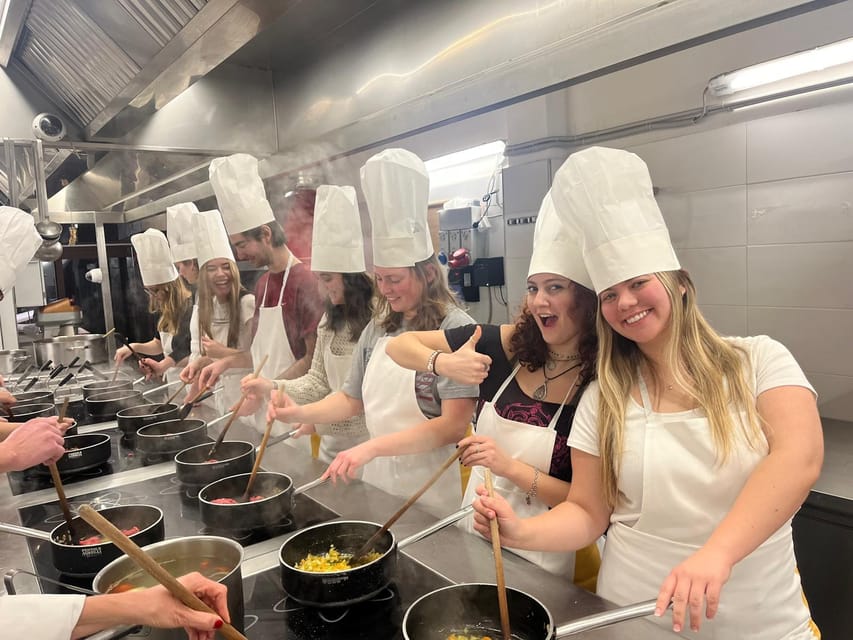
This is the kind of food class that makes sense in a city like Siena: you’re not touring warehouses of food tricks. You’re in a working restaurant setting, with a kitchen that’s set up for hands-on cooking, and a meal that follows naturally from your work. The meeting point is Trattoria Fonte Giusta, so you start right where things are happening. And yes, you get a welcome glass of Prosecco after you check in.
The pacing matters. You begin with instruction and preparation, then you cook. After that, you’re not sent wandering around Siena hungry and tired. You sit down to eat your pasta and tiramisu with wine, so the day has a clean arc: learn, cook, eat.
One detail I really like: before you start cooking, you wash your hands and put on an apron. It sounds small, but it signals that this isn’t a casual demo. It’s hands-on, and you’ll be expected to work at your station.
You can also read our reviews of more tours and experiences in Siena.

Prosecco and an English guide: getting started without stress
The class runs with a live guide in English, which is helpful because pasta dough can be intimidating until someone shows you what to do and what to look for. The first moment at the restaurant is simple: welcome drink, a quick setup, then you’re moving to the cooking stations.
Because there’s no hotel pickup or drop-off included, plan on arriving at the meeting point on your own. The upside is you keep control of your day. If you’re already in the center, it’s an easy add-on.
Group size also plays a role in how relaxed it feels. Multiple class notes point to groups around a dozen people, usually working at their own area and pace. That means you’re not constantly waiting for the chef to spot you.
Hands-on pasta dough: egg pasta, pici, and gnocchi
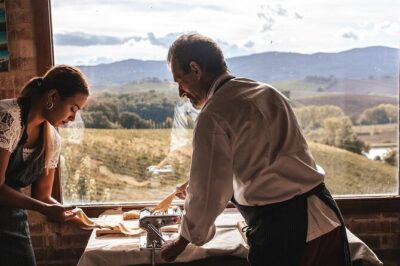
The main cooking block is pasta, and the big reason this class gets strong marks is that you don’t make just one pasta style. You learn three types of dough, each one teaching you something different about Italian technique.
Here’s what’s included in the pasta portion:
- Traditional pasta with eggs
- Pici-style pasta without eggs
- Potato-based gnocchi dough
You’ll get step-by-step guidance, and the chef walks around to check what your dough is doing. That texture check is the secret sauce of pasta making. Pasta dough isn’t just measured by grams—it’s guided by how it feels as you mix and work it.
Even if you’re a beginner, this structure helps. Egg pasta tends to be more forgiving for first-timers because eggs add structure. Pici, being egg-free, teaches you how flour and hydration behave without that added binding. Then the potato gnocchi part shifts your brain again: you’re working with a different ingredient logic, and the dough’s handling changes.
What the chef teaches you when consistency is the whole game
A lot of pasta classes tell you what to do. This one pushes you to learn why your dough needs adjustment. The chef specifically shows you the exact consistency you’re aiming for, so you’re not guessing.
In practice, this matters because:
- Dough that’s too dry fights you while rolling or shaping
- Dough that’s too wet becomes sticky and hard to manage
- Small changes in texture help you create pasta that cooks evenly
What you want is control, and that’s what you get when someone is watching and advising in real time. The goal isn’t perfection. The goal is understanding what good dough feels like so you can reproduce it later.
You’ll also get guidance on the workflow: wash hands, apron on, workstation setup, dough-making, then moving into shaping and cooking prep. It’s a smooth progression, which helps when you’re cooking for the first time.
Tiramisu in class: cream technique and your own assembly
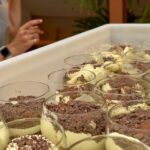
After pasta, the class shifts gears to dessert. Before you start, you get a seat moment so your legs can recover. Then the chef explains the perfect cream method and demonstrates the mixing technique.
Most of the class experience includes hands-on construction—each person makes their own tiramisu. But based on what’s been shared about the format, you should also expect some parts to be shown and coached rather than everything done entirely from scratch. Think of it as: you’re working on it, but the chef keeps the important bits on track.
Tiramisu is a great match for pasta classes because it teaches a different kind of technique: mixing and timing. Pasta teaches structure; tiramisu teaches texture and balance.
When you finish, the payoff is immediate. You don’t just taste a bite and move on. You’re ready to sit down and eat what you cooked as part of the class meal.

Lunch or dinner: eating what you made with wine
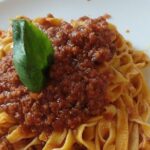
This is one of those rare classes where the eating part feels like part of the lesson. Once the cooking wraps up, you gather around the table and enjoy the fruits of your labor for lunch or dinner. You also get a glass of wine with the meal.
Some notes from past sessions mention a choice like red or white wine, depending on what’s offered that day. Either way, the point is the same: your pasta and tiramisu aren’t just an activity. They become a proper sit-down meal.
A practical detail that helps you fully enjoy the experience: portion sizes sound generous. One note even mentions doggy bags being available for leftovers, which is a smart way to handle appetite if you’re also trying to fit gelato or Siena snacks into your afternoon.
Also, expect social time. You’ll share the table with other people cooking at similar pace, which makes the meal feel warm and interactive instead of rushed.
Price and value: what $81 includes in real terms
At $81 per person for a 3-hour experience, the best way to judge value is what you’re actually getting for that time.
Here’s what’s included:
- Welcome glass of Prosecco
- Cooking class for pasta and tiramisu
- Lunch or dinner
- Glass of wine
- Apron and cooking equipment
- Dietary substitutions may be possible, if you inform the provider
That’s not just a lesson. It’s a drink + meal + instruction package, and those pieces add up quickly if you were to do them separately in Siena.
The duration also supports value. Three hours is long enough for real hands-on practice, but not so long that you lose half your day to a cooking marathon. You get skills you can recreate, plus a meal you don’t have to plan afterward.
Dietary limits: what to know before you book
This class is built around traditional recipes. The provider notes that instructions focus on classic versions that contain gluten, dairy, and eggs. They can offer substitutes for allergies or food preferences, but they also state they cannot guarantee 100% avoidance of cross contamination.
Now the tricky part: the listing also says dietary options are available for multiple needs, but it also states the experience is not suitable for:
- Vegans
- People with food allergies
- People with gluten intolerance
- People with lactose intolerance
- Babies under 1 year, and children under 3 years
So if you have any of these dietary constraints, don’t treat the words as interchangeable. You should contact the provider and ask what they can realistically do for your specific restriction, not just the general category.
If you don’t have those constraints and you’re simply looking to learn classic Italian cooking, this is a strong fit.
Who this cooking class suits best
This is a great choice if you:
- Want a hands-on Siena activity that ends with a meal
- Like structured instruction with lots of real guidance
- Enjoy meeting people from different places while you cook and eat
- Want practical recipes you can attempt at home
It’s especially good for people who feel nervous about cooking. Pasta and tiramisu both look harder than they are when you’re taught what to feel and how to correct problems on the fly.
It may be a weaker fit if you:
- Have gluten intolerance, lactose intolerance, or vegan dietary requirements (the activity is listed as not suitable for these categories)
- Have severe food allergies and need strict allergen controls (cross contamination can’t be guaranteed)
- Are traveling with very small kids (not suitable under age limits)
Tips to make your 3 hours easier and more fun
You’ll get the most out of the class if you keep these practical points in mind:
- Arrive ready to cook: wear clothes you don’t mind getting flour on
- Watch the dough texture cues: that’s where the chef’s value shows up
- Ask questions as you go: pasta dough doesn’t wait for later
- Take notes on the cream mixing method: tiramisu is all about method and consistency
- Plan to eat well after: the included meal is part of the experience, not an optional add-on
Also, keep your expectations balanced. You’ll learn and you’ll cook, but this isn’t a private chef session. The group setup means you’ll have guidance, yet you still do the work yourself.
Should you book this Siena pasta and tiramisu class?
If you want a Siena food experience with real technique and a satisfying meal at the end, I think you should book it. It’s built around classic cooking, practical instruction, and a full payoff: Prosecco at arrival, wine with your meal, and tiramisu that matches what you learned in the kitchen.
Skip it if your dietary needs fall into categories listed as not suitable, especially anything involving strict allergy control, gluten intolerance, or lactose intolerance.
Otherwise, this is a smart use of a few hours in Tuscany: you leave with skills, not just photos, and you eat something you genuinely helped make.
FAQ
How long is the Siena pasta and tiramisu cooking class?
The class lasts 3 hours.
Where is the meeting point?
You should enter Trattoria Fonte Giusta.
What drinks are included?
You get a welcome glass of Prosecco and a glass of wine with your meal.
What do I make during the class?
You’ll learn to make three types of pasta dough and tiramisu, and you’ll sample the dishes you prepare.
Is the class suitable for vegans or people with lactose intolerance?
No. The activity is listed as not suitable for vegans and not suitable for people with lactose intolerance.
Are dietary substitutions available for allergies or preferences?
Substitutes may be offered for allergies or food preferences, but the instructions focus on the traditional recipe (with gluten, dairy, and eggs), and the provider cannot guarantee 100% free of cross contamination.