REVIEW · HO CHI MINH CITY
Small-group 2-Day Mekong Delta: Floating market, Cooking Class…
Book on Viator →Operated by Asiana Link Travel · Bookable on Viator
Two days on the Mekong beats a day trip. What makes this tour click is the small-group size (max 12) and the hands-on guidance from an English-speaking guide like Stark, so the logistics feel handled.
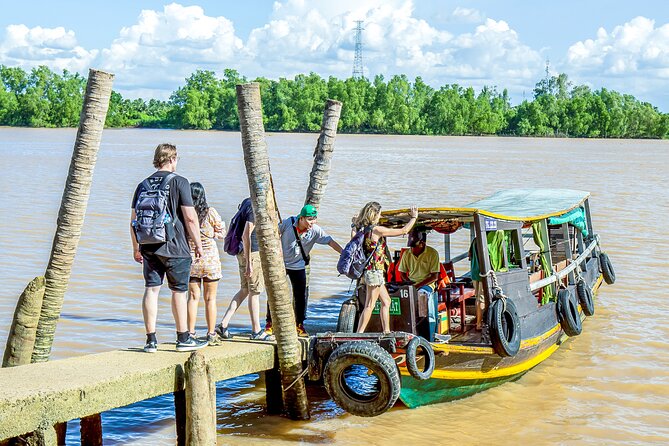
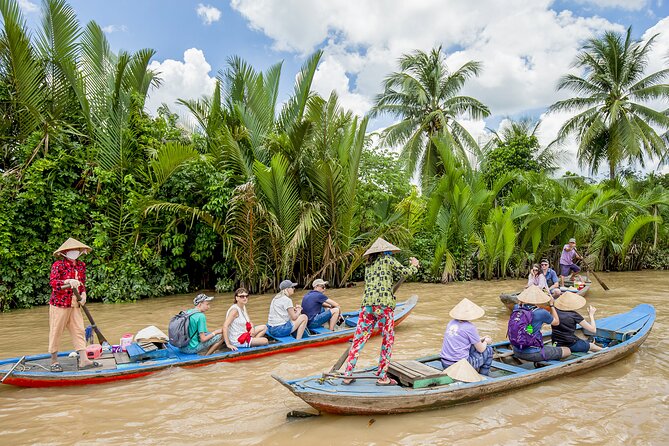
I also like that you get real boat time instead of just photos—motor-boat for the market area, plus a hand-rowed boat option that shows how goods move on the water.
One consideration: the Delta can include stops with a more commercial feel, and the Cái Răng floating market experience can vary depending on timing and crowds—so set expectations for what you’ll actually see up close.
In This Review
- Key things to know before you go
- Mekong Delta in two days: the smart way to get your bearings
- Price and what you’re really paying for ($170 is about more than transport)
- Day 1 from Ho Chi Minh City to My Tho: pagodas, rivers, and a set menu
- Vinh Trang Temple: Asian-and-European architecture + a full meal
- Cần Thơ arrival: settling in before tomorrow’s market morning
- The homestay night: what local life adds (and what to manage)
- Cái Răng Floating Market at dawn: the boats tell the story
- Cái Bè village lunch and the return drive to Ho Chi Minh City
- Food, snacks, and what you should plan to pay for
- Guide matters more than you think: Stark and the small-group rhythm
- Who should book this Mekong Delta overnight tour
- Should you book the 2-day Mekong Delta floating market and cooking-class style tour?
- FAQ
- How big is the group on this Mekong Delta tour?
- What’s included in the $170 price?
- Do I have to pay extra for accommodation in this tour?
- What does the floating market day involve?
- Do I need a passport?
- Can I cancel and get a full refund?
Key things to know before you go
- Small group (max 12): easier pacing and more room to ask questions.
- Boat trips of different types: you’ll ride more than one style of craft, including hand-rowed boat time.
- Cái Răng early morning: get moving early for the floating market scene.
- Overnight homestay included: you’re not just day-visiting; you spend a night in a village setting.
- Vinh Trang Temple + a set meal: a cultural stop paired with a 5-course Vietnamese meal by the river.
- Smart casual is the rule: plan for comfortable clothes you can move in.
Mekong Delta in two days: the smart way to get your bearings
Ho Chi Minh City is loud, fast, and modern. Then, a couple hours into the drive, the Mekong Delta starts changing your rhythm—gentler river roads, palms and greenery, and locals moving between water and land. This kind of overnight tour works because it turns the Delta from a long bus ride into a real two-day experience with a night in the region.
The itinerary is built for first-timers. You start with My Tho’s river atmosphere, add a major architectural stop at Vinh Trang Temple, and then get to Cần Thơ for your overnight. Day two focuses on what most people came for: a boat ride through the market area at Cái Răng Floating Market, then a village lunch stop around Cái Bè before heading back to Ho Chi Minh City.
And yes, you’ll cover a lot. That’s the tradeoff for doing this in 48 hours. Still, the pacing is not purely “sit and stare.” You’ll have enough time to walk, eat, and ride boats—so you leave with a sense of how daily life links river travel, food, and trade.
You can also read our reviews of more tours and experiences in Ho Chi Minh City.


Price and what you’re really paying for ($170 is about more than transport)
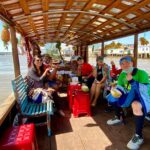
At $170 per person, this isn’t a “cheap and cheerful” DIY setup. But it’s also not just paying for a van and a guide. The big value comes from what’s bundled:
- Transportation by air-conditioned minivan
- Hotel pickup and drop-off in Ho Chi Minh City District 1, 3, and 4
- Boat trips (including motor-boat and hand-rowed boat time)
- Meals and snacks (breakfast, lunch x2, plus snacks like tropical fruit, coconut candy, and pop-rice)
- Overnight accommodation at a local villager’s house (homestay)
If you tried to assemble this yourself, you’d likely pay separately for a guide, coordinating boats, and securing an overnight in a village setting. Here, you get a package that reduces decision fatigue—especially helpful if the Mekong is your first trip out of the city.
One more practical detail: the tour includes bottled water (two 500 ml bottles per person per day). That may sound small, but it matters when you’re in boats and walking in warm weather.
Day 1 from Ho Chi Minh City to My Tho: pagodas, rivers, and a set menu
The day starts early. Pickup runs from several hotels, and you need to be ready around 8:30 a.m. After that, you’ll take about a 1.5-hour drive to My Tho, with a short rest stop so you can stretch and use the restroom.
In My Tho, you’re not dropped into one random photo spot. You’re given a proper on-ramp to the region—gentle rivers, pagodas, and lush greenery—before you move on to the most striking architecture of the day.
Vinh Trang Temple: Asian-and-European architecture + a full meal
Vinh Trang Temple is a standout because it’s not just a quick landmark stop. You’ll have about 1.5 hours to explore Vinh Trang Pagoda, famous for blending Asian and European architectural styles. It’s one of those places where the details help you understand how the Delta has absorbed different influences over time.
Then comes the payoff for many people: a 5-course Vietnamese set menu at a charming riverside restaurant. This matters on a two-day plan. You’re not searching for a place to eat or worrying whether the food will match your day’s schedule. You’re eating as part of the rhythm of the trip.
If you’re the type who likes food stops, this is where you’ll feel the package value most clearly.
Cần Thơ arrival: settling in before tomorrow’s market morning
After lunch, you drive another two hours to Cần Thơ. From there, the tour drops you at your accommodation.
This is also where the homestay choices can affect your evening. If you opt for the more rustic homestay style, dinner is served by your host. If you’re not in the rustic option, dinner details can differ depending on what your accommodation arrangement includes. Either way, you’ll have an overnight in the village setting, which is the real reason this tour works better than a day trip.
Why I think the overnight matters: the Mekong experience is easier to understand when you’re not always rushing. Daylight helps you see river life. Night in the village context helps you feel the slower pace, even if you’re still in “tour mode.”



The homestay night: what local life adds (and what to manage)
An overnight homestay isn’t just a bed. It’s also a change of setting. You’re moving from city routines to a village household environment, and the tour includes the practical parts—transport, meals, and guided boat time—so you’re not left to figure everything out alone.
That said, this is where expectations can get tricky. Some people come in expecting a purely untouched experience, with no commercial influence at all. The Mekong Delta has real businesses and services, and the tour may include moments that feel more curated than “fly on the wall.” That can be disappointing if authenticity is your only measuring stick.
Still, the homestay component is the one piece that most directly helps you understand daily life beyond postcards. Even if the schedule includes commercial stops, staying overnight in a villager’s house gives you a different angle on the region—especially if you’re comfortable asking simple questions and being flexible.
Cái Răng Floating Market at dawn: the boats tell the story
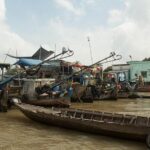
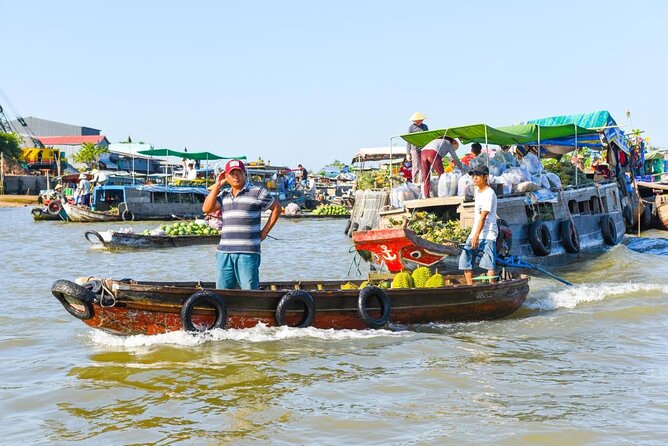
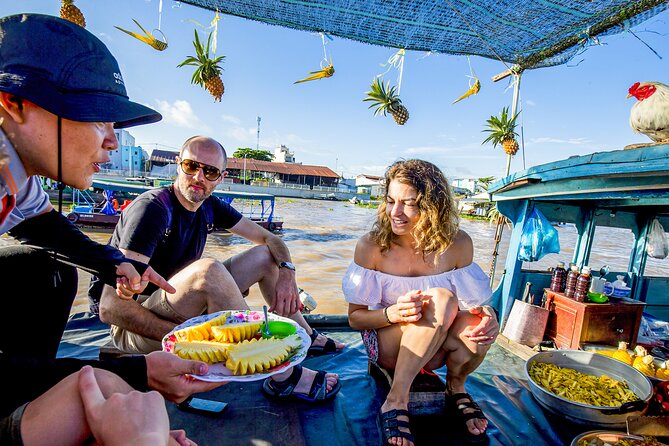
Day two starts early, with breakfast first, then you head out for Cái Răng Floating Market, which is timed for the market scene when boats are active. You’ll take motor-boat rides along the river and then spend time at the market area for about two hours.
Here’s what makes this stop valuable: markets are only half the story. The other half is the boat choreography—where produce is moved, how people trade, and how everyday commerce flows from water to boat and back again.
Cái Răng is often the headline attraction, and it can be visually impressive. But here’s the practical note I always give: floating markets aren’t theme parks. If the market is lighter than expected on your day, you’ll still get the point by focusing on boat activity and how vendors arrange their goods.
You’ll also get hand-rowed boat time, which helps you feel the scale and movement in a way a larger boat can’t. That’s the kind of detail that makes the experience stick after you’ve gone back home.
Cái Bè village lunch and the return drive to Ho Chi Minh City
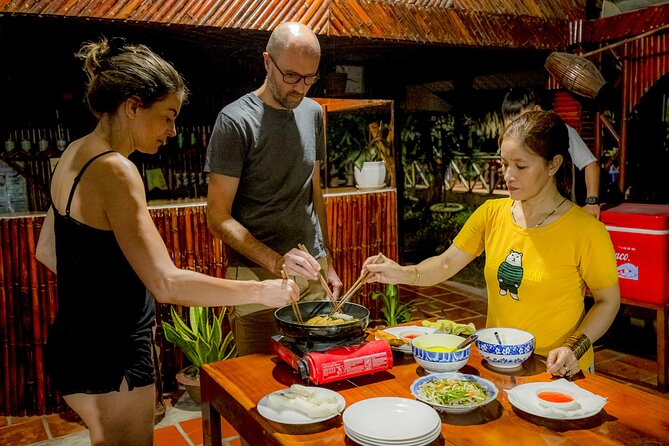
After the market and the morning activities, you say goodbye to your host and continue to Cái Bè village. Lunch is included at a local family house.
This is a good counterbalance to Cái Răng. Cái Răng is the big market identity. Cái Bè is more about everyday village life and the community rhythm around family kitchens and local produce.
After lunch, you’ll drive back to Ho Chi Minh City and the tour ends at the meeting point.
One benefit of the structure: you’re not stuck on a long road with only one stop along the way. You close the loop with a meal in the region and then return with a sense of what you actually experienced.
Food, snacks, and what you should plan to pay for
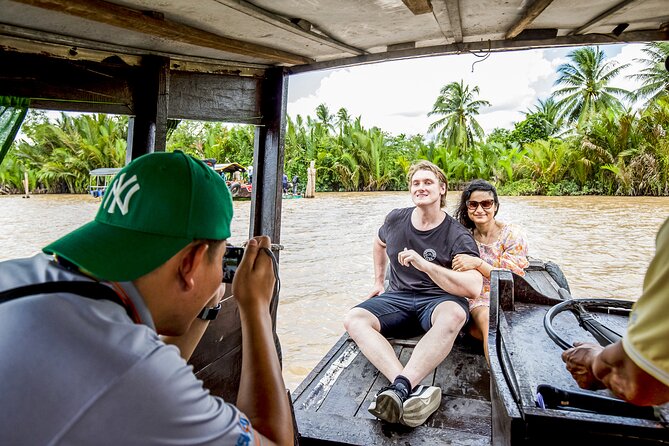
The tour includes a lot of eating, which is great on a two-day schedule. You can count on:
- Breakfast (Day 2)
- Lunch (2) across both days
- Snacks, including tropical fruits, coconut candy, and pop-rice
- Bottled water (two 500 ml bottles per person per day)
Beverages aren’t included, so if you like bottled drinks beyond what’s provided, budget a bit extra. Also, personal spending isn’t included, and tips are recommended. If you’re the type who hates carrying cash, plan ahead so you’re not stuck at the last minute.
Food tip: the set menu at Vinh Trang Temple is scheduled as part of the day, so I’d treat it like your anchor meal. Then you can relax about timing later.
Guide matters more than you think: Stark and the small-group rhythm
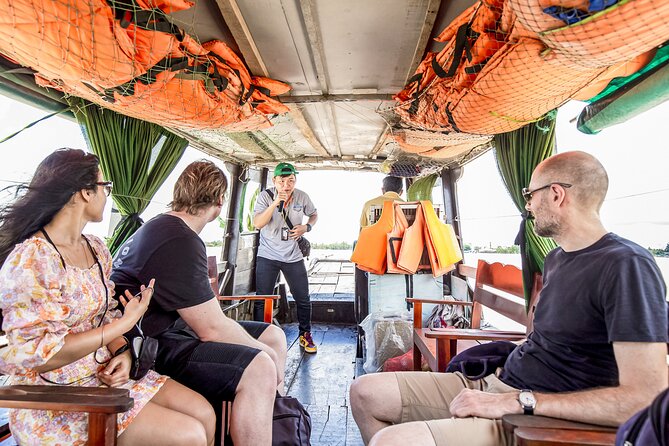
A huge part of why this tour gets such strong ratings is how organized it feels. When you’re doing the Delta in a short window, the guide’s job is to keep the day flowing and explain what you’re seeing without turning it into a lecture.
One name that comes up is Stark, who’s described as a strong guide and someone who helps the whole plan work. That aligns with what you want on a trip like this: clear explanations, good timing, and calm control when you’re dealing with boats, crowds, and schedules.
Also, the group size helps. With about 10 guests on average and a max of 12, you’re less likely to feel lost in a crowd. That makes questions easier and lets you adjust pacing without falling behind the group.
Who should book this Mekong Delta overnight tour
This tour is a strong fit if you want:
- An introduction to the Mekong Delta without researching every detail
- A balance of scenery + culture + boats
- Homestay overnight experience rather than only day visits
- A structured plan that reduces decision-making
You might reconsider if you’re the kind of traveler who wants a totally unplanned, no-commercialization experience. The Delta is a living region with services, and a guided package will always include some scheduled stops that feel more “on the way” than “purely local discovery.”
If your goal is to get your bearings fast and understand the basics of how rivers, markets, and village life connect, this is a very practical way to do it.
Should you book the 2-day Mekong Delta floating market and cooking-class style tour?
If you’re torn, here’s my straight advice: book it if you want a high-structure introduction and you’re excited about boat rides and the overnight homestay. The value is in the bundled meals, transport, and market-focused timing—plus the guide support that keeps everything coherent.
Skip it or choose carefully if you’re expecting the floating market to look exactly like viral photos every minute of the morning, or if you need the itinerary to feel completely free of commercial stops. In that case, set your expectations early: focus on boat activity, food, and the real village overnight rather than chasing a single perfect moment.
If you decide to go, do one more thing: dress comfortably for warm weather and movement, and go in with curiosity. The Mekong rewards people who pay attention, not just people who take photos.
FAQ
How big is the group on this Mekong Delta tour?
It’s a small-group experience with a maximum of 12 travelers (about 10 guests on average).
What’s included in the $170 price?
The tour includes air-conditioned minivan transport, hotel pickup/drop-off in District 1, 3, and 4 of Ho Chi Minh City, a Vietnamese English-speaking guide, boat trips (motor-boat and hand-rowed boat time), bicycle rental fee, overnight homestay accommodation, breakfast, lunch (2), snacks, and bottled water.
Do I have to pay extra for accommodation in this tour?
Overnight accommodation is included at a local villager’s house (homestay). Hotel accommodation is available on request with extra pay.
What does the floating market day involve?
You’ll get breakfast, then take a boat ride to the Cái Răng Floating Market (about two hours) with the market experience as part of the visit.
Do I need a passport?
Yes. A current valid passport is required on the day of travel.
Can I cancel and get a full refund?
Free cancellation is available. You can cancel up to 24 hours in advance of the experience start time for a full refund.