REVIEW · CAPE TOWN
Cape Town: Malay Cooking Class and Lunch in Bo-Kaap
Book on GetYourGuide →Operated by Cooking with love · Bookable on GetYourGuide
Smell the spices and then cook them. This Cape Town experience pairs a hands-on Bo-Kaap cooking class with a real-deal Cape Malay meal in the chef’s home, led by Faldela. I like how you learn the food through touch and timing, not just watching. I also like that the lunch at the end is the same food you helped prepare, served with soft drinks.
One thing to consider: it’s in a residential kitchen, so the flow can feel cozy and shared if the group is larger. Also, transportation isn’t included, so plan how you’ll get from 109 Wale St to Bo-Kaap.
In This Review
- Key highlights you’ll feel right away
- Bo-Kaap, Spices, and a Meal You Actually Make
- Starting at 109 Wale St: How the 150 Minutes Unfold
- Inside Faldela’s Home Kitchen: Cape Malay Cooking in Real Steps
- The Bo-Kaap Color Walk: Houses, Photos, and Context
- Cooking Cape Malay Dishes: Curries, Roasts, and Spice Mechanics
- Lunch Time: Eat the Feast You Built
- What $49 Buys: Value for Time, Ingredients, and a Hosted Afternoon
- Who This Class Fits Best (and Who Might Want a Different Plan)
- Should You Book the Bo-Kaap Malay Cooking Class?
- FAQ
- How long is the Cape Town Malay Cooking Class and Lunch in Bo-Kaap?
- Where do I meet for the cooking class?
- How much does the experience cost?
- What’s included in the price?
- What’s not included?
- Is the tour guide or class language in English?
- Is this experience wheelchair accessible?
- Are pets allowed?
- Is smoking or alcohol/drugs allowed?
- Will I be able to take recipes home?
- Should I expect to cook multiple kinds of Cape Malay dishes?
Key highlights you’ll feel right away
- A local home setting in Bo-Kaap, not a studio kitchen
- Chef-led spice lessons with a focus on turmeric and other aromatics
- Interactive cooking where you help make multiple dishes
- Bo-Kaap color time for photos among the famous painted houses
- Lunch included, based on what you cooked, plus soft drinks
- Recipe take-home energy from the host, so you can remake it later
Bo-Kaap, Spices, and a Meal You Actually Make
Bo-Kaap is one of Cape Town’s most recognizable neighborhoods, with those steep streets rising toward Signal Hill and rows of bright houses you can spot from far away. This class uses that setting for more than photos. You’re learning Cape Malay food, the cuisine shaped by African tradition and influences that came through the Dutch era in the 17th and 18th centuries.
What I like here is the direct link between place and plate. When you’re in Bo-Kaap, the spices don’t feel abstract. They feel like part of everyday life. You’ll start the session meeting the chef (Faldela is the name that comes up again and again) and then move into the cooking flow—tasting, chopping, and building flavor step-by-step.
The best part is that you’re not only eating “Cape Malay vibes.” You’re learning how the taste is constructed, especially through aromatics like ginger, fennel, star anise, tamarind, and turmeric.
You can also read our reviews of more tours and experiences in Cape Town.
Starting at 109 Wale St: How the 150 Minutes Unfold
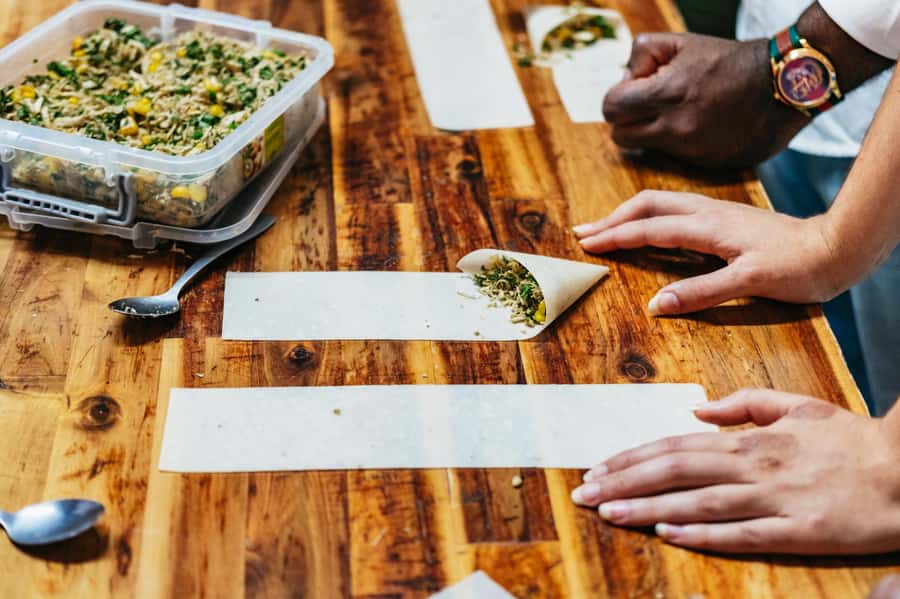
Your day begins at 109 Wale St, Schotsche Kloof, Cape Town. From there, you’ll head to the class location (it’s described as a secret stop, which basically means you’re not meeting at a public venue). Most of your time happens in the chef’s home kitchen in Bo-Kaap, so the experience has that friendly “hosted afternoon” feeling.
A common pattern for this kind of class is: short welcome, neighborhood orientation, then hands-on cooking. That’s exactly how this one is set up, with the session running about 150 minutes total. You’ll get the chance to learn techniques while also seeing the neighborhood’s colorful streets and snapping at least a few pictures.
One practical tip: arrive on time for the meeting at Wale St. Once you’re inside the home kitchen, the pace moves quickly—ingredients get prepped, pans heat up, and sauces start simmering.
Inside Faldela’s Home Kitchen: Cape Malay Cooking in Real Steps
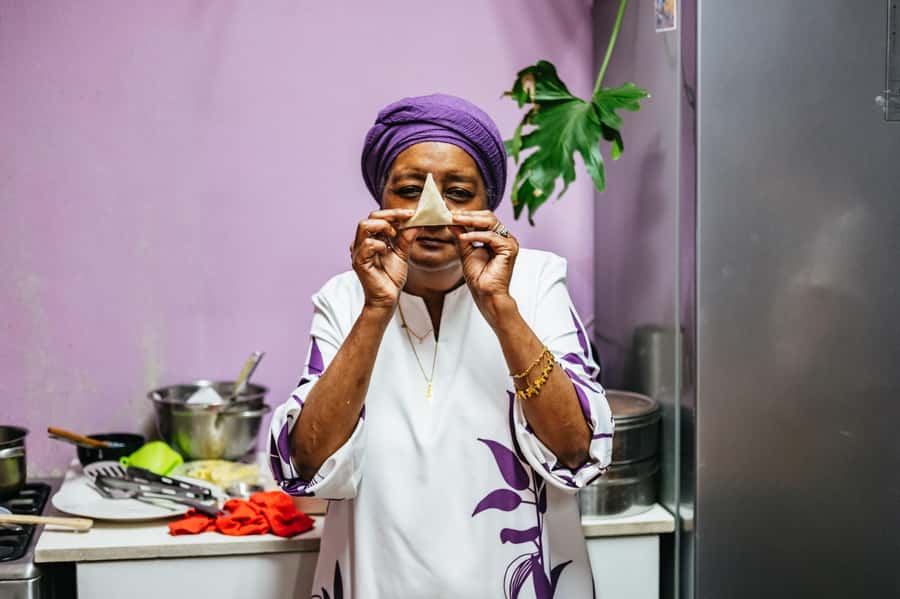
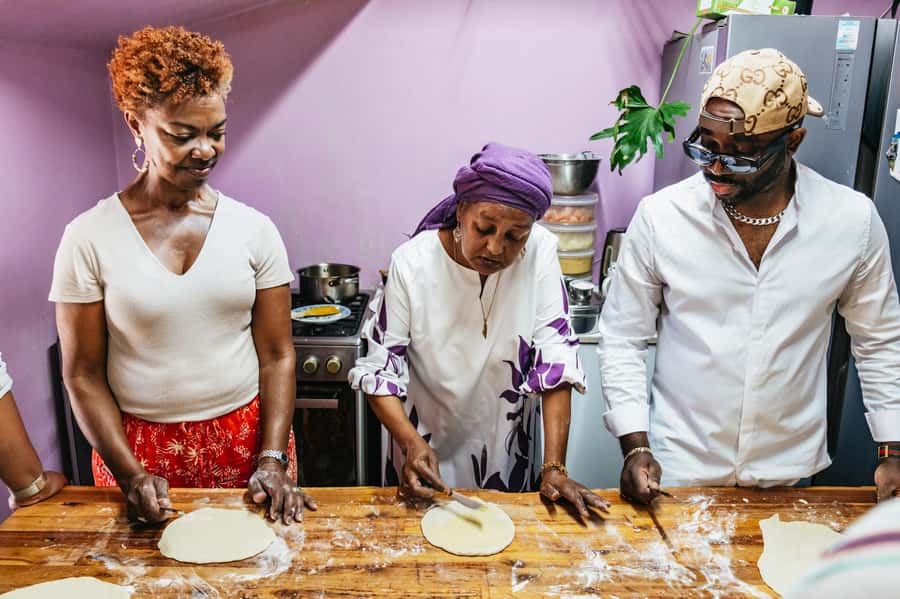
This is a chef-in-the-home class, which changes the vibe from a typical cooking workshop. The setting is personal, and you’re not just following a script. You’re working alongside the instructor as she guides how Cape Malay dishes come together.
Cape Malay cooking tends to lean into flavor depth. You’ll see it through spice blends and through sauce-heavy cooking methods that create that “slow-building” feeling on the stove. The class also focuses on techniques you can reuse at home—how to balance spices, how to build a curry or stew base, and how different ingredients behave once heat hits them.
Faldela’s teaching style is also a big part of why people rate this so highly. You’re likely to get humor, story, and clear explanations at the same time. One theme that shows up in feedback is that she helps you understand the spice “why,” not only the spice “what.”
The Bo-Kaap Color Walk: Houses, Photos, and Context
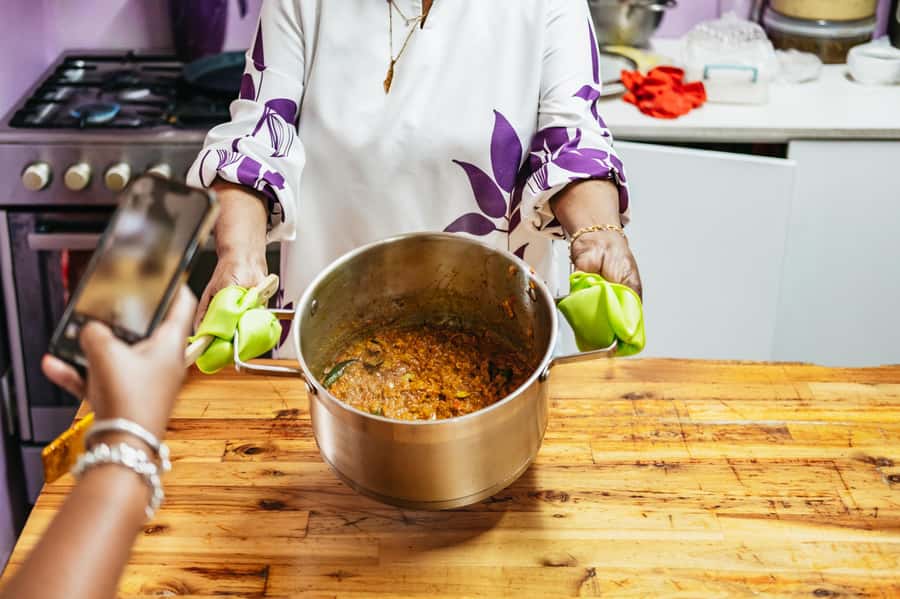
Before the meal is fully underway, you’ll spend time in Bo-Kaap. This is where you get the neighborhood details that make the area feel more than a backdrop.
You’ll move through streets with that signature hot pink and burnt-orange look, climbing up the lower slopes toward Signal Hill and Table Mountain’s wider presence. You’ll also get a photo moment among the colorful houses—simple, quick, and genuinely scenic.
Why this part matters: it connects your cooking lesson to where the food lives. Cape Malay cuisine isn’t a museum exhibit. It’s tied to community, family kitchens, and daily tradition. Even a brief walk helps you feel the setting that shaped the cuisine you’ll be cooking.
Cooking Cape Malay Dishes: Curries, Roasts, and Spice Mechanics
This class is built around typical Cape Malay dishes. You can expect lessons that may include stews, roasts, and sauce-heavy curries—dishes where spices do more than add heat. They add aroma, sweetness, and structure.
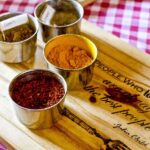
The key ingredient spotlight is turmeric. You’ll learn how turmeric contributes to that distinct fragrance and color, then you’ll see how it works alongside other aromatics. The class also includes spices like ginger, fennel, star anise, and tamarind. That mix tells you a lot about Cape Malay flavor: warming spices, tangy balance, and deep stew-style complexity.
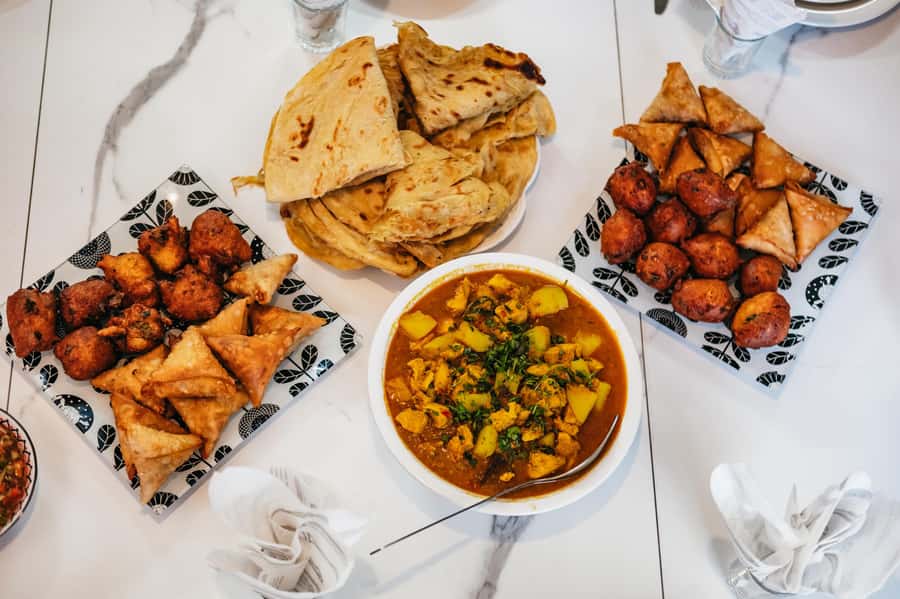
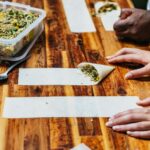
In feedback, many people mention learning dishes like Cape Malay curry plus sides such as rotis and samosas. That makes sense with the class goal: you’re not only learning one dish, you’re learning a small menu pattern—something you can remake at home with the same logic.
If you’ve never cooked before, this still tends to work well. The teaching is structured, and people report it’s interactive with no heavy pressure to already know kitchen skills.
Lunch Time: Eat the Feast You Built
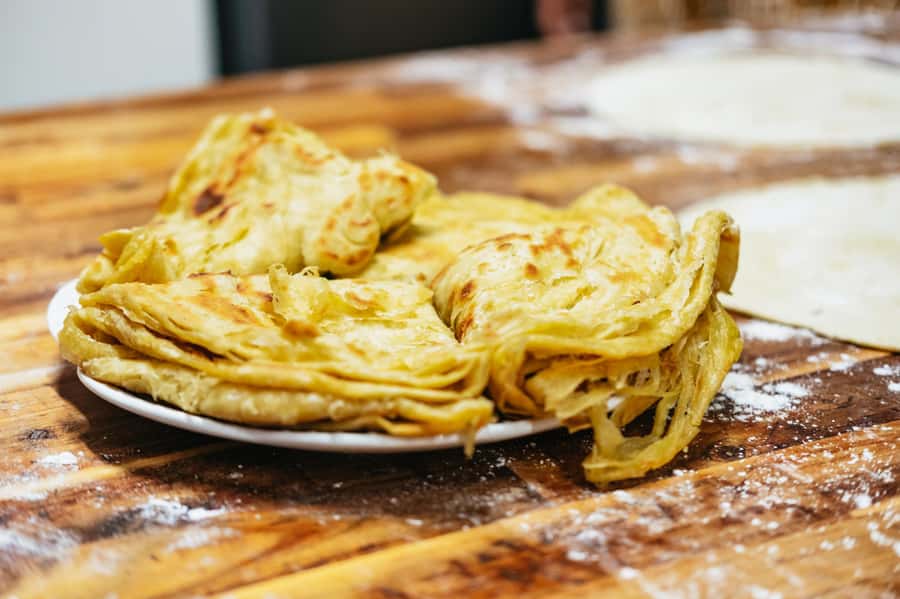
The session ends with the meal you prepared in the chef’s home. You’ll sit down after cooking and enjoy your work, paired with soft drinks. For many people, this is where the whole experience clicks.
I like lunch in this format because it removes the guesswork. Instead of eating someone else’s restaurant version of a dish you only partially understood, you get to taste your own decisions: spice balance, simmer time, and sauce thickness.
It also helps you learn by feedback. If something tastes stronger, sweeter, or tangier than you expected, you can connect that to what you added and when. Reviews also mention extras like salad, juice, and a dessert treat at the end in some sessions, which adds to the “full afternoon” feel.
And yes, you’ll leave full. The meal is part of the value proposition here, not an afterthought.
What $49 Buys: Value for Time, Ingredients, and a Hosted Afternoon
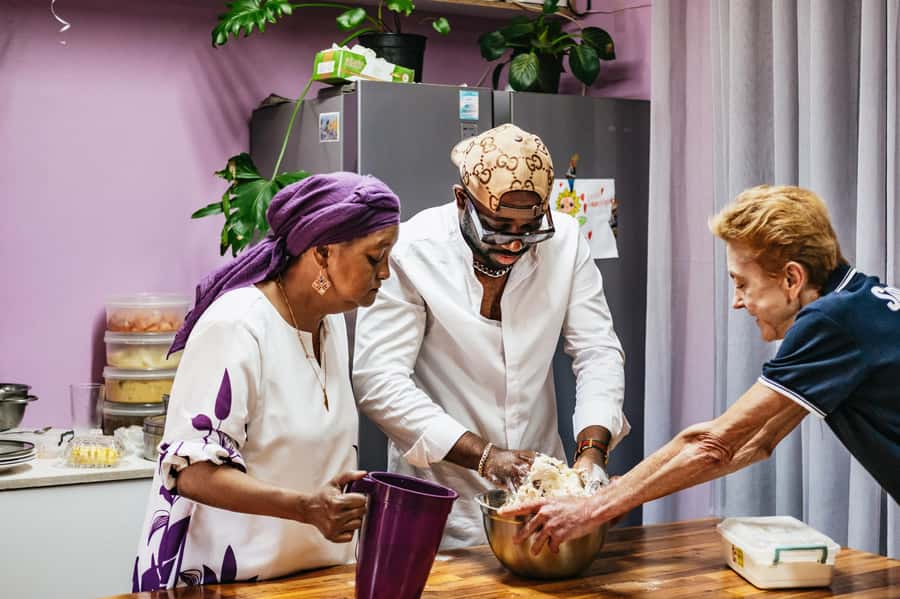
Price is $49 per person, and the inclusions are what make it feel fair. You’re paying for a full cooking lesson plus ingredients, equipment, and the chef instructor. Lunch is included too, along with soft drinks. That’s a lot to pack into a 150-minute experience.
Here’s the value math that matters: you’re not just sampling food; you’re learning how to reproduce it. And you’re getting access to someone’s home kitchen, which is hard to replicate through a standard restaurant meal.
The cost also aligns with what you avoid. Many food experiences charge for tasting only. This one charges for instruction plus the full meal, so your learning and your eating happen together.
Two small “not included” notes you should plan around. Alcoholic drinks aren’t included, and transportation isn’t provided. If you’re relying on taxis or rideshare, factor that in so the final cost stays comfortable.
Who This Class Fits Best (and Who Might Want a Different Plan)
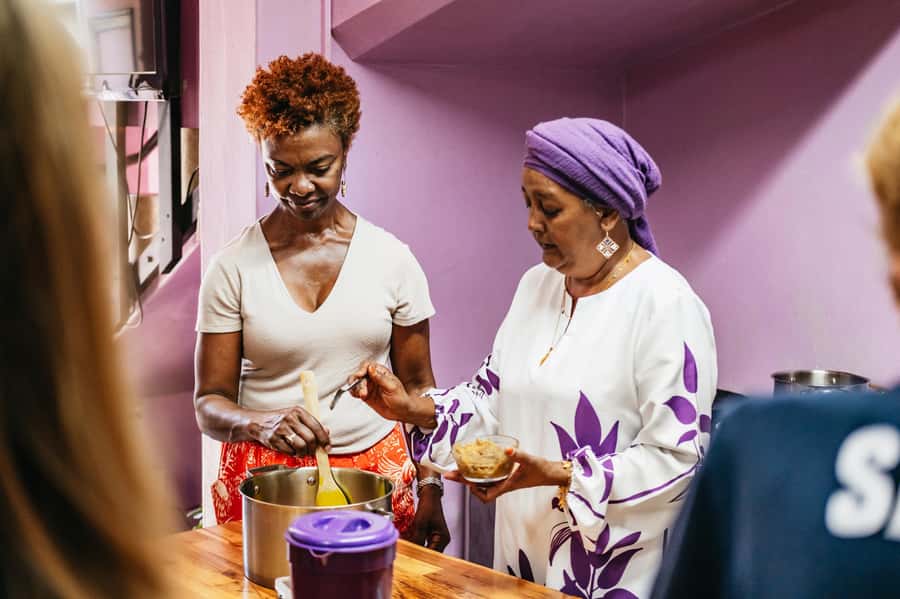
This is an excellent choice if you want your Cape Town day to feel personal and hands-on. It’s especially good for people who like learning through doing—cutting, stirring, and building sauces—while also getting a cultural explanation from the person teaching you.
It can also work for solo travelers. You’ll join a group in a home setting, and the social side often feels relaxed rather than staged. People report meeting others and getting to share the meal together, which makes the afternoon feel warm and communal.
If you want only a quick stop for sights and don’t care about cooking mechanics, you might feel this is more time than you want. And because it’s in a home, you should expect a cozy kitchen flow rather than a large, professional setup.
Should You Book the Bo-Kaap Malay Cooking Class?
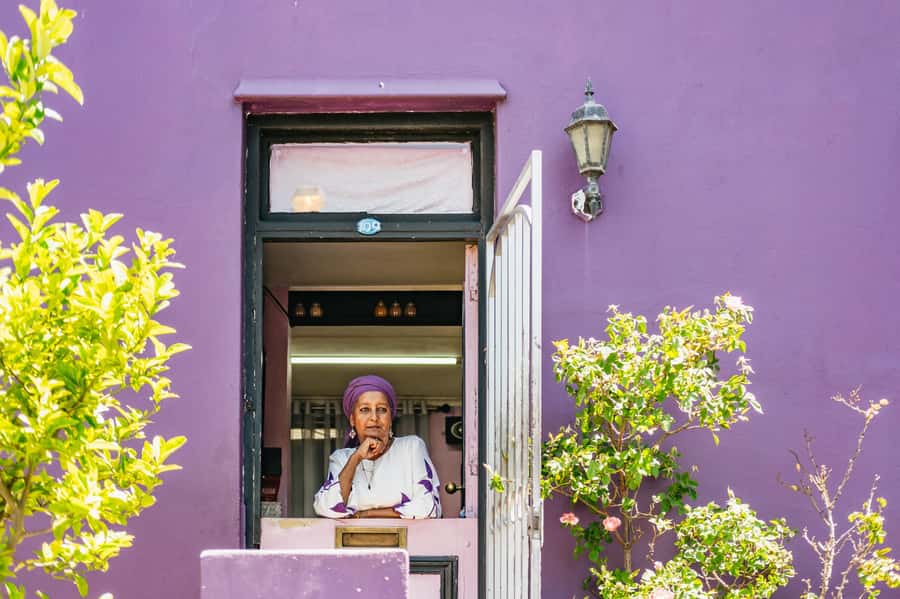
If you want an experience that mixes neighborhood character with practical cooking skills, I’d book it. The combination is strong: Bo-Kaap atmosphere, a chef-led lesson with spice focus (especially turmeric), and a sit-down lunch that’s tied directly to what you cooked.
You should think twice only if you hate hands-on cooking or you don’t want to deal with getting yourself to the meeting point at 109 Wale St and onward to Bo-Kaap. If that part is easy for you, this class is one of the best ways to spend a half day in Cape Town that actually changes what you can cook later.
FAQ
How long is the Cape Town Malay Cooking Class and Lunch in Bo-Kaap?
The duration is listed as 150 minutes.
Where do I meet for the cooking class?
Meet at 109 Wale St, Schotsche Kloof, Cape Town.
How much does the experience cost?
The price is listed as $49 per person.
What’s included in the price?
The experience includes the cooking class, ingredients, equipment, the chef instructor, lunch, and soft drinks.
What’s not included?
Alcoholic drinks and transportation are not included.
Is the tour guide or class language in English?
Yes, it’s listed as English, with a live tour guide in English.
Is this experience wheelchair accessible?
It is listed as wheelchair accessible.
Are pets allowed?
No, pets are not allowed.
Is smoking or alcohol/drugs allowed?
Smoking is not allowed, and alcohol and drugs are not allowed.
Will I be able to take recipes home?
People mention that recipes were shared after the class, so you should expect to leave with what you need to recreate the dishes.
Should I expect to cook multiple kinds of Cape Malay dishes?
The class describes Malay dishes that may include stews, roasts, and sauce-heavy curries, and some feedback also mentions rotis and samosas.