REVIEW · AUSTRIA
Vienna: Traditional Kaiserschmarrn Cooking Class & Tasting
Book on GetYourGuide →Operated by mal anders gmbh · Bookable on GetYourGuide
Sugar, steam, and Vienna in one hour. In a traditional restaurant setting at Edlingers Tempel, you get a hands-on look at how the classic Kaiserschmarrn really comes together, plus stories tied to Sisi’s favorite dessert.
I especially like that you’re taught the method, not just fed the result. You also leave with the original recipe, so you can try it at home instead of only remembering it.
One small drawback: at just 1 hour indoors, you need to pay attention and accept that it’s a quick lesson, not a long kitchen hangout.
In This Review
- Key highlights worth your attention
- Why a Kaiserschmarrn class is a smart Vienna “food day”
- Meeting at Edlingers Tempel courtyard (and getting seated fast)
- What you actually learn about “original” Kaiserschmarrn
- The live cooking class: how the hour is structured
- Sisi stories and the deeper reason this dessert persists
- The tasting: Kaiserschmarrn with Viennese coffee and drinks
- The recipe take-home: why it changes the value of the class
- Price and value: is $45 for 1 hour fair?
- Who this Kaiserschmarrn class is best for
- A real-world tip for getting the most out of your hour
- Should you book this Kaiserschmarrn cooking class?
- FAQ
- FAQ
- How long is the Kaiserschmarrn cooking class?
- Where do I meet for the workshop?
- What’s included with the class?
- Is Kaiserschmarrn and coffee included in the price?
- What languages is the guide available in?
- Is the activity indoors?
- What should I wear or bring?
Key highlights worth your attention
- Edlingers Tempel meeting point in Vienna’s center: find the workshop in the courtyard and settle right into a classic setting.
- Original Kaiserschmarrn method: you’re shown how it’s prepared the Viennese way, including key tricks.
- Sisi dessert stories: you’ll hear entertaining context about the dessert and who it was originally made for.
- Fresh Kaiserschmarrn tasting with Viennese coffee: you get to taste right after it’s prepared, hot and simple.
- Recipe to take home: you can repeat the result later instead of relying on memory.
Why a Kaiserschmarrn class is a smart Vienna “food day”
Vienna has no shortage of tasty tours. Still, a cooking class has a different vibe. Instead of just walking, you’re learning a technique you can actually use again. That’s the big value here: you’re leaving with a dessert you can reproduce, not only photos.
This experience focuses tightly on one thing: Kaiserschmarrn in its original Viennese form. You also get context—who it was originally made for, plus Sisi-related stories tied to the dessert. That mix of cooking and storytelling is a practical way to understand why the dish has stayed popular.
And since it’s indoors, it’s a reliable plan. Vienna weather can be dramatic. Here, you’re cooking rain or shine, which makes it easier to fit into a busy itinerary.
Meeting at Edlingers Tempel courtyard (and getting seated fast)
Your meeting point is the restaurant Edlingers Tempel. You enter the restaurant and then go into the courtyard, and you ask for the workshop.
This matters more than it sounds. When a food activity starts on time, you want to be in the right spot quickly. The courtyard approach also means you can get oriented without lots of confusion or wandering.
Dress in comfortable clothes. You’ll be indoors, but you may stand, watch closely, and move around a bit during the live cooking. No need to dress up—this is a kitchen-focused experience, not a formal tasting.
What you actually learn about “original” Kaiserschmarrn
The core promise is learning the secret of the preparation of a famous Viennese dessert. In real terms, that means you’re not only hearing that Kaiserschmarrn is “easy.” You’re being shown how it’s made with the right approach.
You’ll learn:
- How the original Viennese Kaiserschmarrn is prepared
- Who it was originally made for
- How the dessert is baked
- The tips and tricks needed for the perfect result
That “tips and tricks” part is where classes earn their keep. Anyone can read a recipe later, sure. But watching the baking steps and hearing the reasoning behind them helps you understand what to correct when your own version doesn’t turn out the way you hoped.
You’ll also get that Sisi angle. The class includes interesting stories about Sisi’s favorite dessert, and that kind of context turns a food lesson into a small cultural lesson. It’s the difference between eating dessert and understanding why Viennese dessert traditions matter.
The live cooking class: how the hour is structured
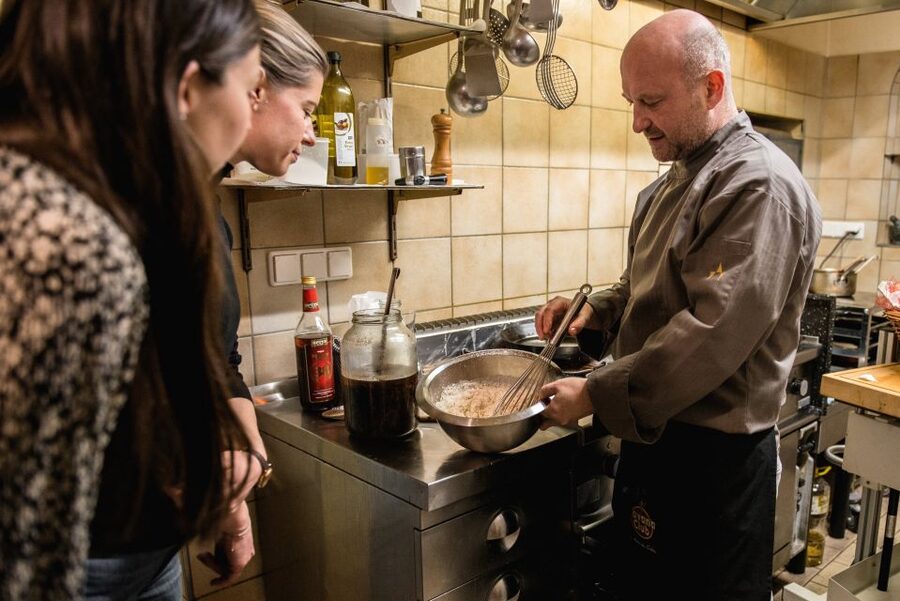
This is a live cooking class with an English or German-speaking guide. The duration is 1 hour, so the pace is brisk. Expect a focused sequence: explanation, watching the process, and learning the key steps that lead to the final texture.
The itinerary stays centered on technique rather than sightseeing. You’re at a traditional Austrian restaurant in Vienna’s heart, and the kitchen work is the whole show. That’s great if you want something hands-on and efficient.
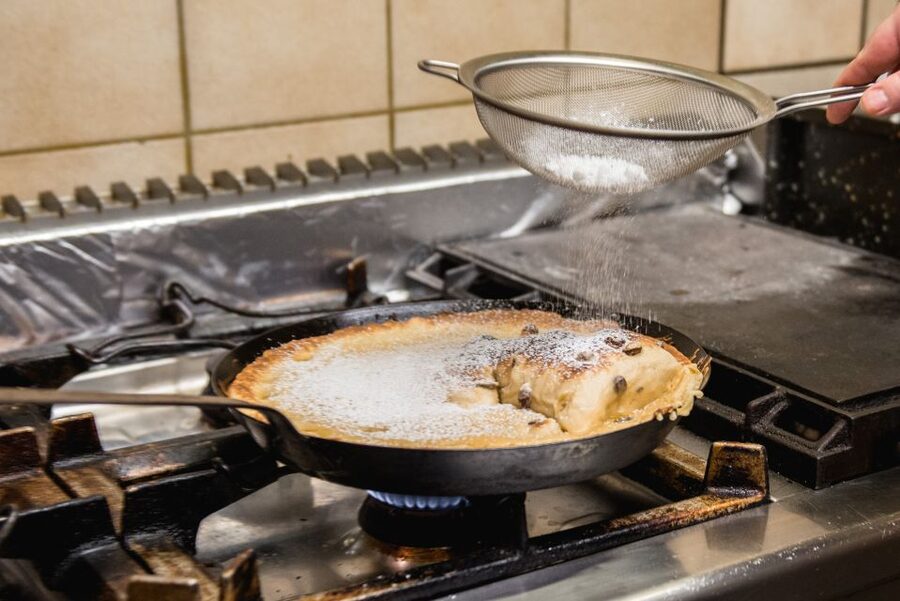
Because the class is indoors, you’ll be close to the action. You can follow along as the batter is prepared and the dessert is baked. Even if you’re not personally handling ingredients the whole time, you still learn how the dish develops during the cooking process.
Here’s the practical mindset I’d bring: treat it like a “how-to” demo with you as the student, not a spectator show. If you listen for the tricks—things like how to manage consistency and cooking time—you’ll be able to translate the lesson when you cook at home.
Sisi stories and the deeper reason this dessert persists
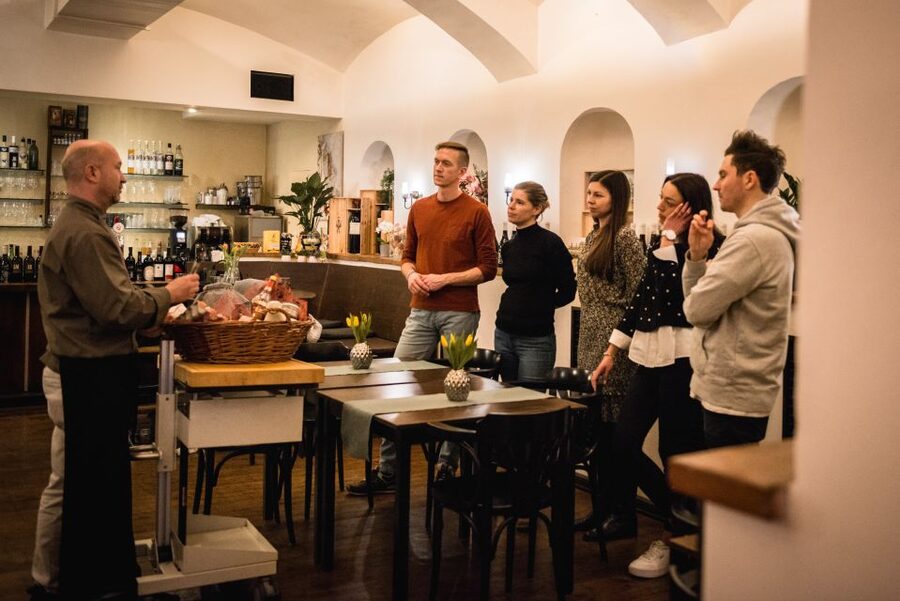
One of the most memorable parts of Viennese food culture is how a dish can carry stories. Here, the class includes “interesting stories about a typical Viennese dessert” and specifically ties in Sisi’s favorite dessert.
It also addresses a question many people never ask: who Kaiserschmarrn was originally made for. That detail helps you understand why the dessert became part of everyday tradition rather than staying a purely ceremonial treat.
I like this approach because it keeps the lesson grounded. Food history can drift into vague background. This keeps it tied to what matters: the dish itself and why it landed in Viennese routines.
If you enjoy learning the “why” behind what you eat, you’ll probably enjoy the stories as much as the cooking. If you prefer straight-to-the-point, you’ll still get value from hearing the cultural context while you’re waiting for the bake to finish.
The tasting: Kaiserschmarrn with Viennese coffee and drinks
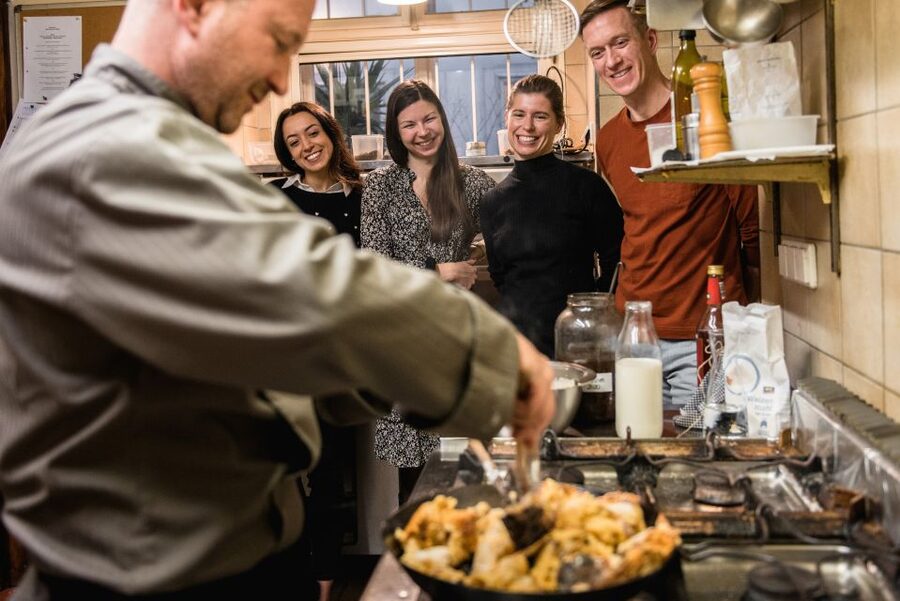
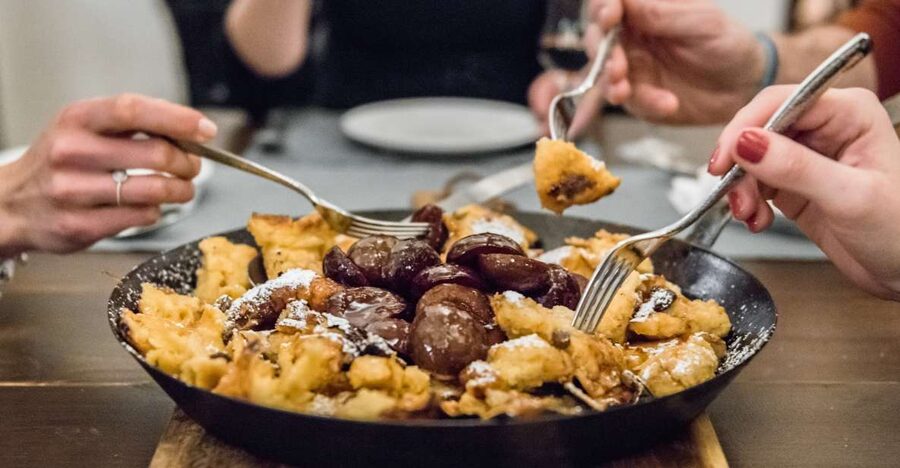
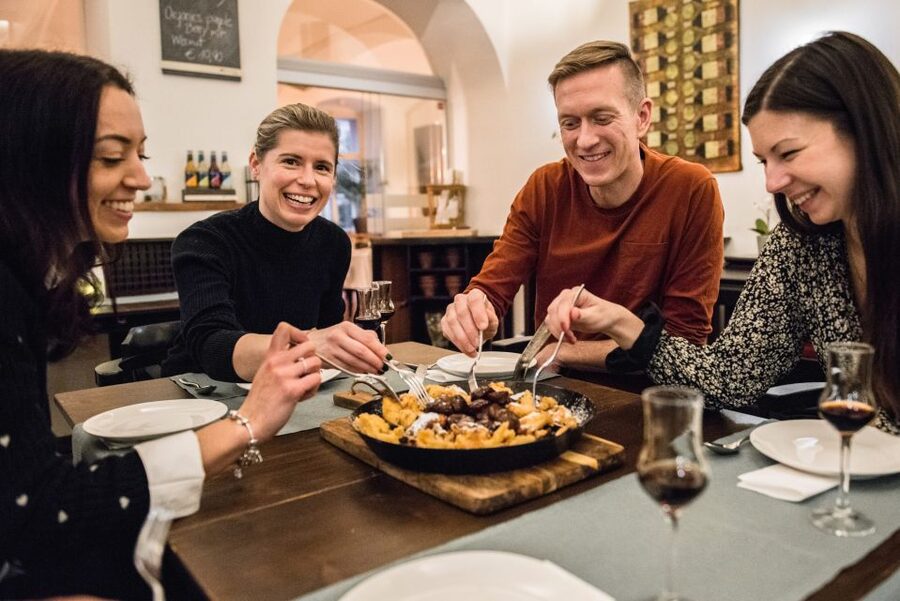
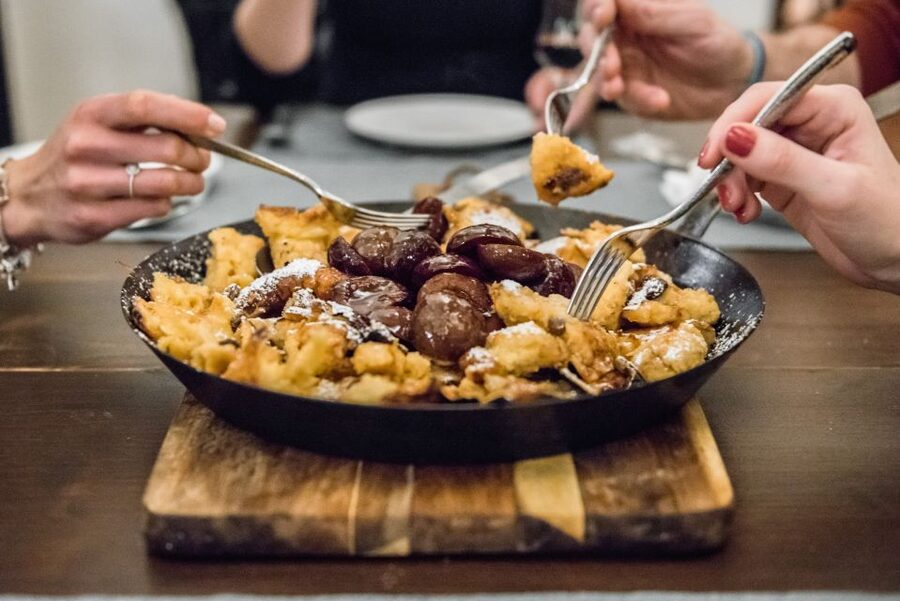
At the end, you taste the freshly prepared Austrian dessert: Kaiserschmarrn, served with a typical Viennese coffee. Drinks are included as well.
This ending is honestly the best part of a short class. You learn, watch, and then immediately taste. That timing matters because texture and aroma are strongest right after the cooking finishes. You’re not guessing what “perfect” should feel like. You’re tasting the result while your memory is fresh.
You’ll also get a real Vienna pairing: dessert plus coffee. This isn’t just a random drink stop. It’s part of the ritual that Viennese coffee culture is known for, and it helps you experience the dessert in the way it’s meant to be enjoyed.
The recipe take-home: why it changes the value of the class
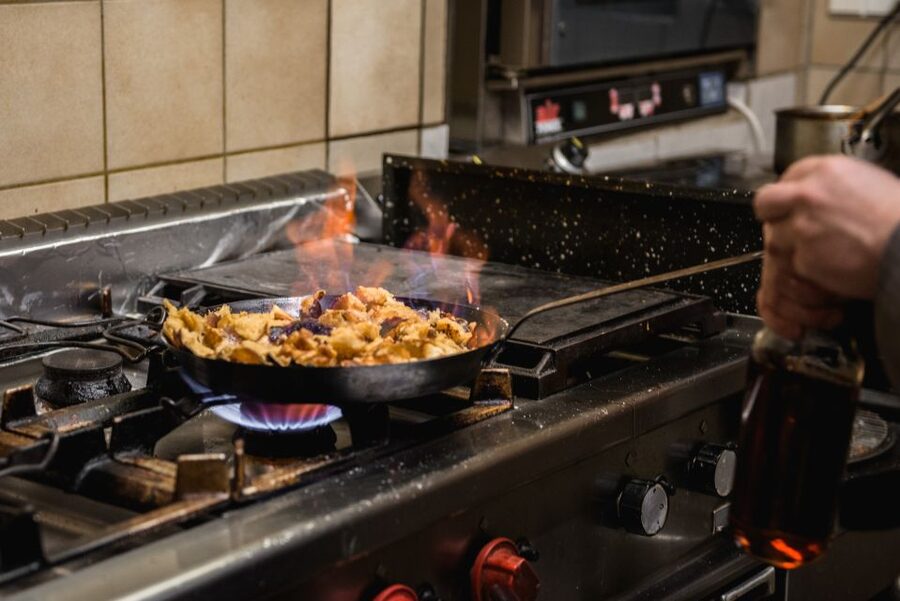
Many food experiences end when the tour ends. This one doesn’t. You’re given the original recipe so you can try baking Kaiserschmarrn at home yourself.
That recipe handoff is where the price makes more sense. You’re paying for:
- Instruction during a short, focused session
- Tasting the freshly prepared dessert
- Included drinks and a Viennese coffee pairing
- A recipe you can use later
So instead of paying only for the hour, you’re also paying for a practical outcome. Even if your first attempt isn’t perfect, you’ll have something concrete to work from.
My advice: once you get the recipe, cook it within a few days while the taste is still in your head. That way, any adjustment you make later will feel connected to the class experience, not random guessing from memory.
Price and value: is $45 for 1 hour fair?
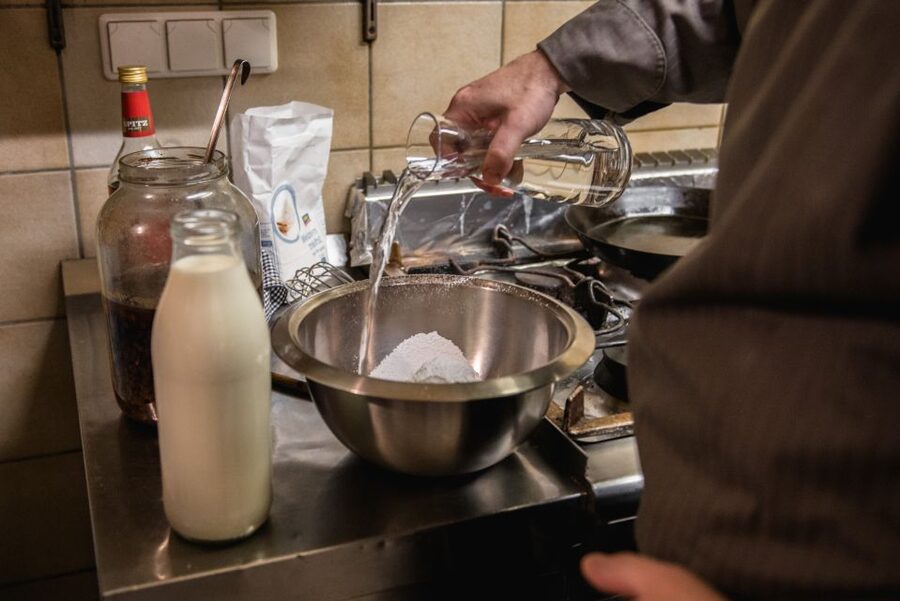
The listed price is $45 per person for a 1 hour class. On paper, it’s not a cheap snack. But it includes a lot for a single session: live cooking instruction, dessert tasting, typical Viennese coffee, and drinks, plus an original recipe.
If you’ve ever paid for dessert tasting menus, you know those can add up quickly—often without giving you the method. Here, you’re buying the technique and the meal together in one compact window.
So the value depends on what you want from Vienna. If you only care about eating, this might feel pricey compared to ordering Kaiserschmarrn in a café. If you want to learn how it’s made and leave with a recipe you’ll actually use, the $45 feels more balanced.
It’s also a good fit if you want a concentrated food moment that doesn’t take half a day. One hour is easy to plan around dinner.
Who this Kaiserschmarrn class is best for
This works well if you:
- Enjoy hands-on food learning more than passive tours
- Want one specific Vienna dessert explained clearly
- Like short activities that still include tasting
- Want a practical souvenir (a recipe) instead of only photos
It’s also a solid pick for people who are traveling with limited time. Vienna can be intense for walking days. A contained indoor activity gives you a break while still feeling “very Vienna.”
If you’re super strict about dietary needs, the provided info doesn’t list specific options. In that case, it’s worth asking in advance what’s used and whether substitutions are possible—your comfort matters with any cooking class.
A real-world tip for getting the most out of your hour
Arrive ready to focus. This class is short, and the guide has to keep things moving from explanation to baking to tasting.
Bring comfortable clothes, and keep a bit of mental space for notes. Even if you don’t write much, you’ll benefit from remembering the sequence: how the batter is handled, what happens during baking, and what “perfect Kaiserschmarrn” should look and feel like when served.
Also, slow down during the tasting. You’re not just eating dessert—you’re evaluating the result the way a cook does. Pay attention to texture and sweetness. That makes the take-home recipe easier to follow next time.
Should you book this Kaiserschmarrn cooking class?
I’d book it if you want a real Vienna food memory with a skill attached. The combination of live cooking, a fresh Kaiserschmarrn tasting, Viennese coffee, and an original recipe is a strong mix for $45 in central Vienna.
If you dislike cooking lessons or you’re hoping for a long, leisurely meal, you might find the 1-hour format a little fast. But if you’re the type who likes to learn one thing well and move on to the next part of your day, this is a satisfying plan.
A small point of reassurance: there’s at least one verified booking from Jörg in Germany describing the course as very nice and pleasant. That fits the overall feel of a short, friendly cooking session.
FAQ
FAQ
How long is the Kaiserschmarrn cooking class?
The experience lasts 1 hour.
Where do I meet for the workshop?
Meet at the restaurant Edlingers Tempel. Enter the restaurant, go to the courtyard, and ask for the workshop.
What’s included with the class?
You get a live cooking class, a Kaiserschmarrn tasting, drinks, and interesting stories about the dessert. You also receive the original recipe.
Is Kaiserschmarrn and coffee included in the price?
Yes. The class includes freshly prepared Kaiserschmarrn tasting and a typical Viennese coffee.
What languages is the guide available in?
The live tour guide speaks English and German.
Is the activity indoors?
Yes, it is indoor and runs rain or shine.
What should I wear or bring?
Wear comfortable clothes. That’s the only specific item mentioned.