REVIEW · CHIANG MAI
Chiang Mai: Cooking Class with Market and Pickup
Book on GetYourGuide →Operated by Chiang Mai Daddy's Kitchen · Bookable on GetYourGuide
Your Thai dinner starts at the market.
This small-group class in Chiang Mai Province mixes a market ingredient hunt with hands-on cooking at Daddy’s Kitchen, in a Thai family home vibe where you’re actively making dinner, not just watching.
I like two things a lot: the fresh-ingredient focus (herbs and produce that you actually buy at the market) and the fact that you cook at your own station with your own wok and utensils. Guides like Cha-em, Wave, New, and Kimmy have strong English and keep the room moving with clear steps and plenty of laughs, which matters when you’re learning Thai cooking.
One consideration: come with room for food. With the welcome snack and then multiple dishes you’ll cook and eat, it’s easy to overdo it before you start, and a few people mentioned eating breakfast first can leave you feeling too full.
In This Review
- Key highlights worth planning around
- From hotel pickup to a proper start in Chiang Mai
- The market walk: herbs, vegetables, and what you’ll actually cook
- Welcome drink, snack, and getting set up in Daddy’s Kitchen
- Picking your own menu: how Thai cooking becomes less scary
- Cooking station reality: what you’re doing (not just watching)
- The dishes and dessert finish: mango sticky rice included
- Learning you can repeat: the PDF recipe e-book and photo set
- Value for $25: why this feels like more than a bargain
- Who should book this cooking class in Chiang Mai
- Booking advice: how to make your night easier
- Should you book Chiang Mai Daddy’s Kitchen?
- FAQ
- How long is the Chiang Mai cooking class?
- What is the price per person?
- Does the class include hotel pickup and drop-off?
- What language is the instruction?
- How many people are in the group?
- Is the cooking class suitable for kids or very elderly guests?
Key highlights worth planning around
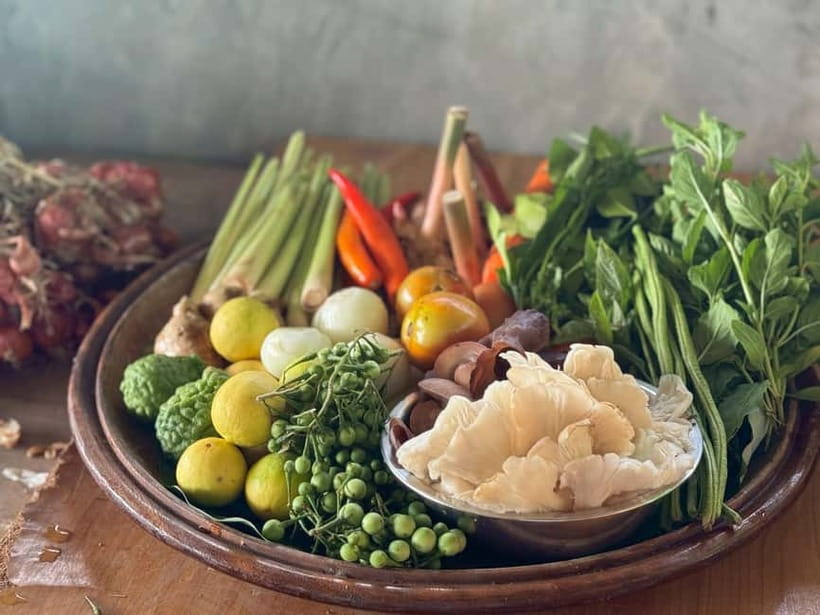
- Local fresh market stop to learn Thai herbs and how different vegetables show up in real recipes
- Your own wok and cooking station, so you’re not waiting around for a single shared pan
- Hands-on cooking with English instruction, even if you’re a beginner
- Build your own menu, choosing from options that can include curries and stir-fries (sometimes with curry paste work)
- Take-home digital recipe e-book (PDF) plus photos, so you can cook again later
- Mango sticky rice included, for the full Thai dessert finish
From hotel pickup to a proper start in Chiang Mai
This experience is designed to feel easy from the moment you book. You’ll get hotel pickup and drop-off, and you’re asked to wait in the lobby about 30 minutes before the class start time. That timing detail matters because these classes run on a tight clock once you’re in the van and on your way to the market.
The class runs 210 minutes. That’s long enough to do more than a quick demo, but not so long that you lose an entire afternoon or evening. In practice, you’re doing a market visit, then a full cooking-and-eating stretch back at the school.
Price is $25 per person, and that’s where the real value shows up: the class includes the cooking station, ingredients, hands-on teaching, and the dessert (mango sticky rice). In other words, you’re paying for instruction and a structure that helps you reproduce Thai flavors later, not just for a meal.
You can also read our reviews of more tours and experiences in Chiang Mai.

The market walk: herbs, vegetables, and what you’ll actually cook
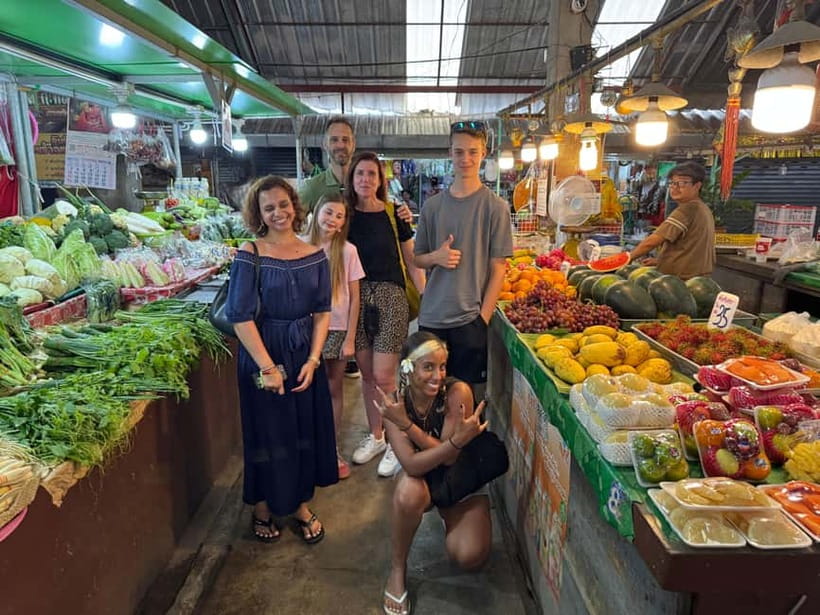
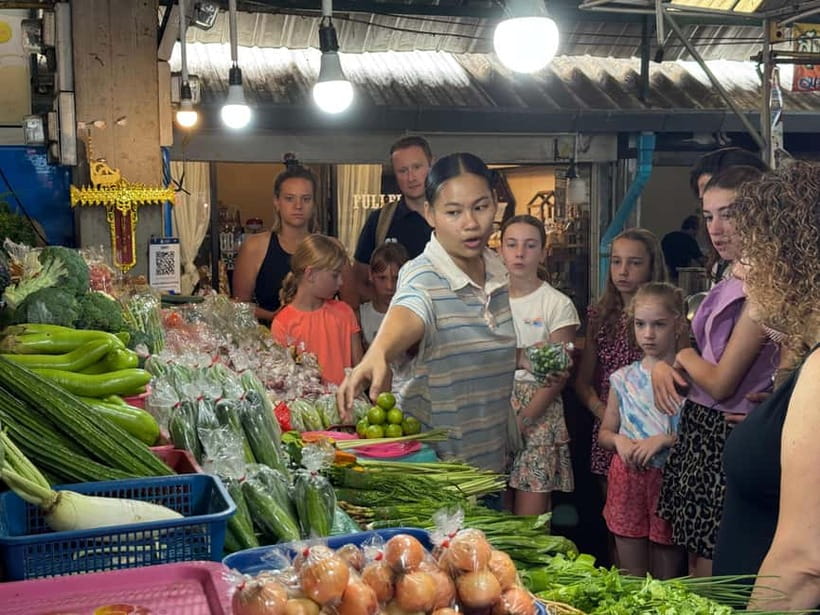
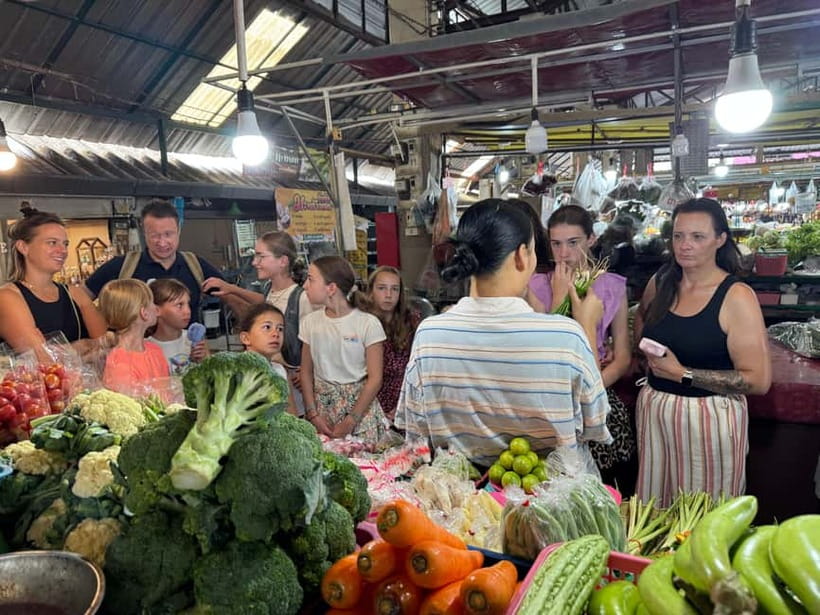
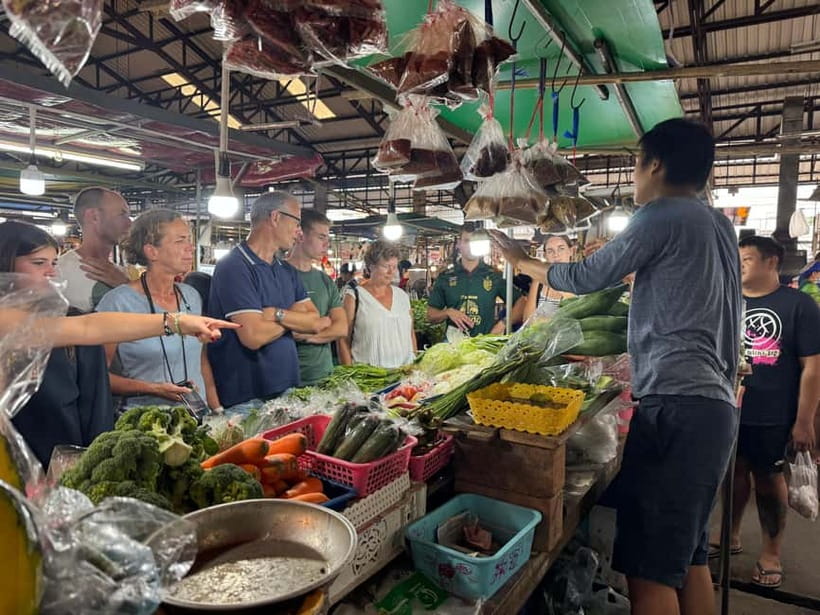
The first major stop is a local fresh market. This is where the class earns its weight. Instead of seeing Thai cooking as a pile of spices, you start learning ingredients as flavors you can name, choose, and recognize.
You’ll get introduced to Thai herbs and vegetables and then purchase ingredients for the dishes you’ll make. People often focus on what they like to eat, but markets teach you how Thai kitchens build flavor. You’re not just buying something random—you’re picking components that go into soup bases, curry pastes, stir-fries, and garnish.
One small but memorable example from the experience: you may spot multiple varieties of produce like different types of eggplant. That kind of detail helps once you’re cooking at home, because you stop thinking in terms of one generic vegetable and start thinking in terms of what works in each recipe.
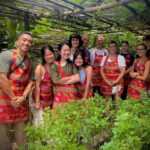
If you want to get the most out of the market portion, keep your eyes up and ask questions when you’re given ingredient explanations. The guides (you might have Cha-em, Wave, New, Pe New, Tu, Toey, Kimmy, or another English-speaking instructor) are used to guiding people who feel intimidated by Thai food. The market step is where you get your footing.
Welcome drink, snack, and getting set up in Daddy’s Kitchen
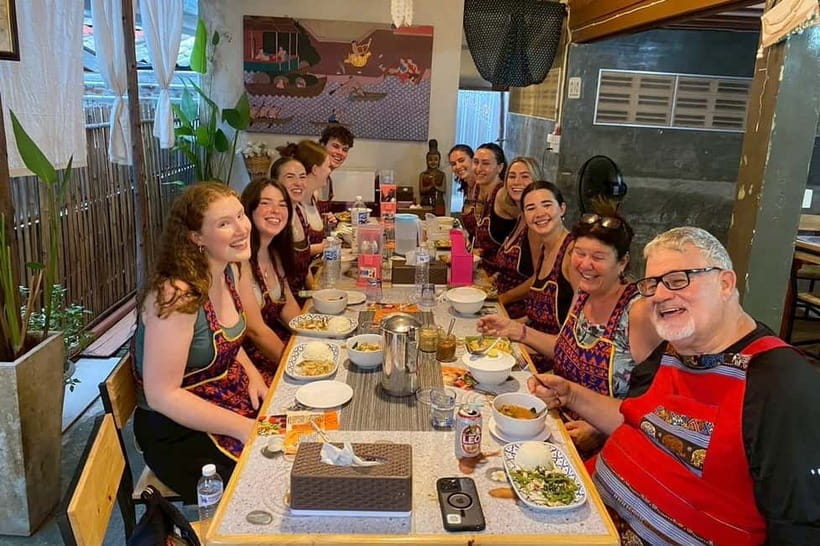
After the market, you head back to Daddy’s Kitchen. You’ll receive a welcome drink and snack before the cooking starts. This break is not filler. It’s the mental transition from browsing ingredients to using them.
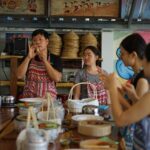
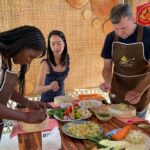
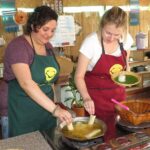
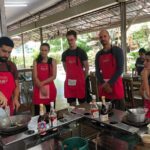
Then comes the part that makes this class feel hands-on rather than staged: you get set up at your own cooking station and wok. Multiple people highlighted that everyone had their own wok and tools, and that makes a big difference. When you’re cooking, timing matters, and having your own space means you can actually follow the recipe without waiting for someone else.
Daddy’s Kitchen also emphasizes fresh herbs and ingredients, which you can taste in the final dishes. Thai cooking often lives or dies on freshness—herbs, aromatics, and the right balance of sour, salty, and sweet.
Tip for your clothes: you’ll be working with aromatic ingredients. If you care about your shirt or sleeves, wear something that can handle food smells and a little heat.
Picking your own menu: how Thai cooking becomes less scary
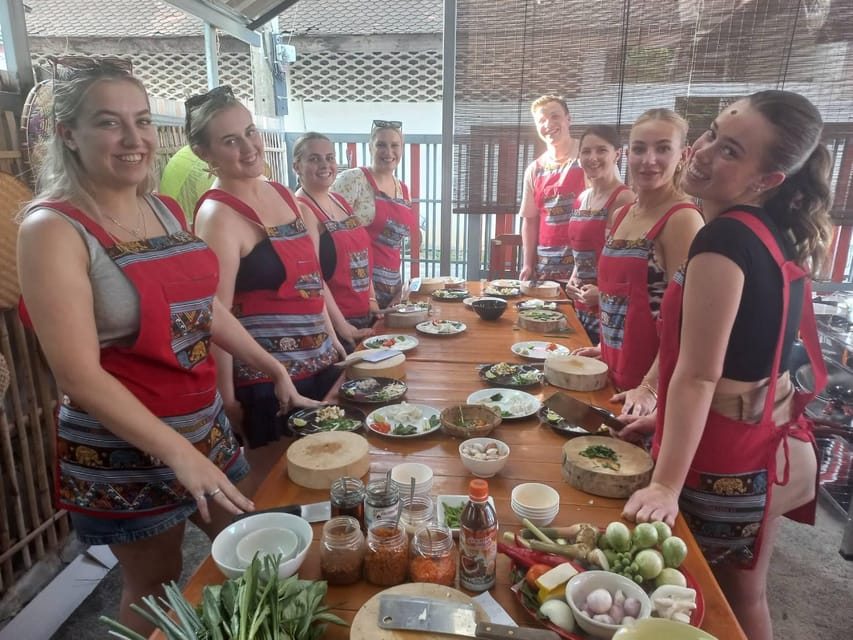
Back in the kitchen, you’ll learn how to cook Thai food using a hands-on method. You’re not limited to one preset meal. The class structure lets you create your own menu, so you can steer the experience toward your tastes.
A pattern shows up in what people cook: options often include soups, stir-fries, and curries, and some sessions include hands-on work like making curry paste. Depending on how the class flows and who you’re with, you may end up cooking around three to four dishes each, with curry paste and sticky rice sometimes involving teamwork.
This is also where the best instructors earn their keep. People repeatedly called out chef and guide personalities like Cha-em, New, Cha-de, and Kimmy as funny, lively, and effective at keeping everyone on track. That matters because Thai recipes can sound complicated at first. In this class format, you’re taught like a step-by-step process: prep, measure, stir, taste, adjust.
If you’re a first-timer, don’t aim for perfection. Aim for understanding. When you taste and adjust during the cooking, you learn what Thai flavors are supposed to feel like.
Cooking station reality: what you’re doing (not just watching)
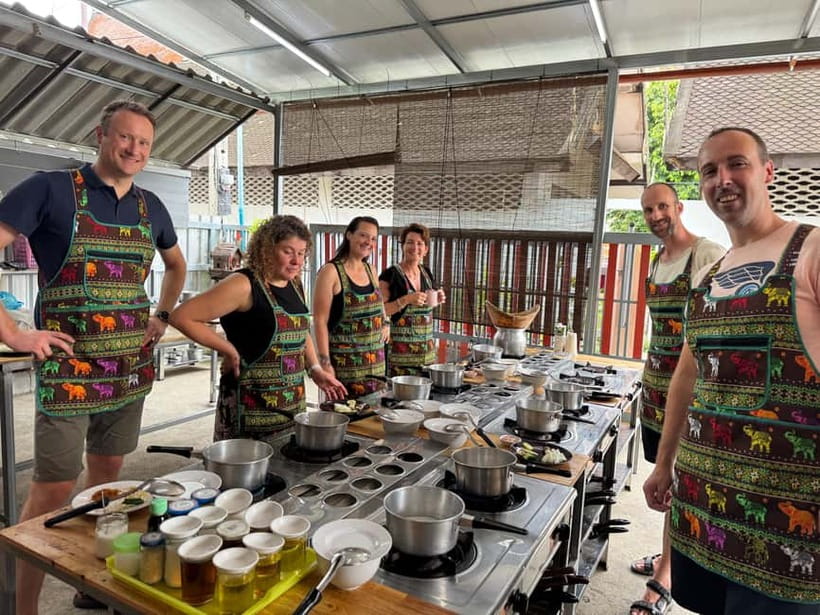
Here’s the practical rhythm you should expect:
- You’ll be taught how to prepare ingredients and cook dishes hands-on, not just observe.
- Your instruction is delivered in English, which helps a lot with timing and technique.
- You’ll work through multiple dishes so you get repeated practice with Thai flavor building.
The experience works for both experienced cooks and complete beginners, because the teaching style is built for guided participation. You don’t need knife skills you don’t have yet; you need patience and willingness to follow the steps while you taste along the way.
Because everyone has a station, you can keep your pace. That’s a quieter form of luxury in cooking classes: it reduces frustration, and it speeds up the learning loop. You do something, you see the result, and you move forward.



The dishes and dessert finish: mango sticky rice included
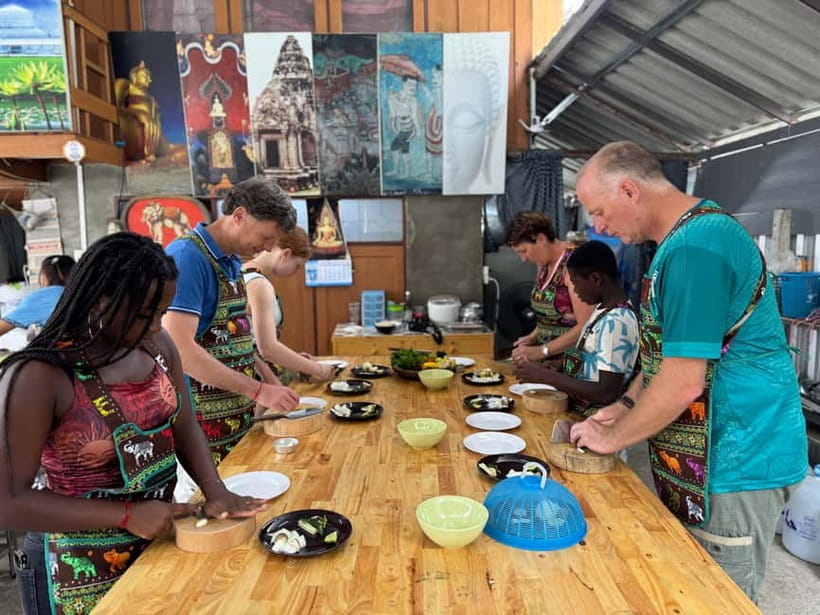
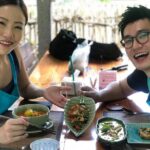
The menu portion typically leads to multiple finished dishes that you’ll eat together, and the class includes mango sticky rice dessert. Most people describe the food as excellent, but dessert preferences can vary. Mango sticky rice is sweet and rich, and a few people noted it may not be for everyone. Still, it’s a classic finish, and getting it included is a big value point.
Even if you’re not a dessert person, use the mango sticky rice as a chance to learn Thai dessert balance. Sweetness is there, but there’s also salt and aroma in the overall profile when it’s done right.
At the end, you’ll leave with full stomach energy. Multiple people emphasized the class is filling, so if you’re also doing other evening activities, plan for a slower pace afterward.
Learning you can repeat: the PDF recipe e-book and photo set

What makes a cooking class more than a one-night event is whether you can cook it again at home. Here, you get a digital recipe e-book (PDF) plus online access and photos of the activities.
That take-home piece is practical. It helps you remember steps and ingredient notes without trying to recreate everything from memory. And because you’ll have already tasted the food you made, the recipes make more sense when you reread them later.
If you’re the kind of person who cooks at home after a trip, this is the part you’ll thank yourself for. If you usually stop at souvenirs and restaurant memories, this class nudges you toward repeating Thai meals with fewer guesswork moments.
Value for $25: why this feels like more than a bargain
Let’s talk value honestly. For $25, you’re getting:
- Hotel pickup and drop-off
- Hands-on class
- Every ingredient
- Cooking station and wok
- Mango sticky rice dessert
- Digital recipe e-book (PDF) plus photos
That’s a lot of included pieces. You’re not paying separately for transport, ingredients, or the tools. And the market component adds educational value, since you learn which ingredients are essential and how fresh produce affects flavor.
The market visit also changes the type of souvenir you take home. Instead of buying jars of spices you don’t understand, you come away with ingredient knowledge and recipes you can actually execute.
So even though it’s low-cost, it doesn’t feel like a “cut corners” class. The recurring theme is that you’re busy, you’re cooking, and you’re leaving with a clear next step for home cooking.
Who should book this cooking class in Chiang Mai
This is a strong fit if you want Thai cooking that’s:
- Hands-on, not observational
- Friendly for beginners, but still structured enough for skilled cooks
- Based on fresh ingredients and practical techniques
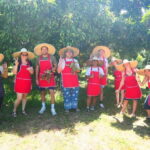
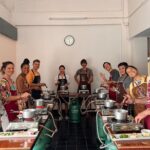
- Run in small group format (limited to 10 participants)
It’s especially good if you’ve ever felt intimidated by Thai menus. With an English-speaking instructor and an active station setup, you’re guided through each dish without getting lost.
It’s also less ideal if you want a super quiet, sit-and-listen experience. This class is energetic, with humor from the guide, and you’re doing work with your hands.
Age-wise, it’s not suitable for children under 5 and not suitable for people over 95.
Booking advice: how to make your night easier
A few practical moves help you get the most out of your session:
- Eat lightly before you go. Several people said breakfast can ruin the appetite for the dishes you make and eat.
- Wear comfortable clothes that can handle heat and food smells.
- Bring your curiosity. The market part is where you learn what Thai herbs are and why they matter.
- If you have dietary preferences, you’ll want to clarify them when you book or communicate early, since menu choices are part of how you personalize the dishes (the class supports choosing what to cook).
Also, the session runs in about 210 minutes. If you plan dinner afterward, choose something casual since you’ll already have a full Thai meal.
Should you book Chiang Mai Daddy’s Kitchen?
I’d book it if you want a Thai cooking class that feels real and repeatable. The market ingredient start, the hands-on station setup with your own wok, and the included PDF recipe e-book are the three reasons this stands out as practical value.
Skip it only if you hate cooking in a hands-on setting, want a purely observational experience, or you know you’re not comfortable eating multiple dishes in one sitting. If you’re up for learning through doing, you’ll likely leave with both great food and a method you can use at home.
If you can, plan to arrive hungry enough to enjoy what you’ll make. That single choice makes the whole class feel easier and more fun.
FAQ
How long is the Chiang Mai cooking class?
The class lasts 210 minutes (about 3.5 hours).
What is the price per person?
The price is $25 per person.
Does the class include hotel pickup and drop-off?
Yes. Hotel pick-up & drop-off are included.
What language is the instruction?
The instructor is English.
How many people are in the group?
It’s a small group limited to 10 participants.
Is the cooking class suitable for kids or very elderly guests?
It is not suitable for children under 5 and not suitable for people over 95.