REVIEW · NEW DELHI
Indian Cooking Class in an Authentic Local Home – Learn 6 Dishes
Book on Viator →Operated by Explore Real India · Bookable on Viator
There are few better ways to understand India than by cooking in a family kitchen. This hands-on Indian cooking class in New Delhi has you learning core techniques for curry, breads, rice, and dessert while cooking with a small group of up to 8. I love the warmth of the hosts, especially JD and his dad, and how practical the instruction feels as you work side-by-side. My only caution is that you’re cooking in a real home kitchen, so expect a casual setup that prioritizes doing the cooking over fancy studio comfort.
You’ll also get a lesson that goes beyond recipes. The focus is on why spices and methods matter, starting with ingredients and building flavor the way the family has done it for generations. With free cancellation up to 24 hours and a mobile ticket, it’s easy to fit into your Delhi schedule, but you’ll want decent weather since the experience requires it.
In This Review
- Key things I’d circle before you book
- A Delhi home kitchen beats a commercial studio
- Meeting point in Greater Kailash and the welcome that sets the tone
- What the 2.5 hours feels like once you’re cooking
- Spices and technique: the part you’ll actually use at home
- Curry and dals: learning the flavor-building workflow
- Bread in a family kitchen: pratha-style skills and more
- Rice dish and dessert: timing matters more than you think
- Lunch, tea breaks, and the shared meal at the end
- Vegetarian and non-veg options: plan around your preferences
- Group size and the social side (without turning it into a party)
- Price and value: what $50.22 really buys you
- Practical tips so you enjoy the class from minute one
- Should you book this Indian cooking class in New Delhi?
- FAQ
- How long is the Indian cooking class in New Delhi?
- How many people are in the group?
- What’s included in the price?
- What kinds of dishes will I learn to cook?
- Is there a vegetarian option?
- Where do I meet for the class?
- Is there an end location, or do I return to the start?
- Is the space comfortable during the cooking session?
- What’s the cancellation policy?
Key things I’d circle before you book
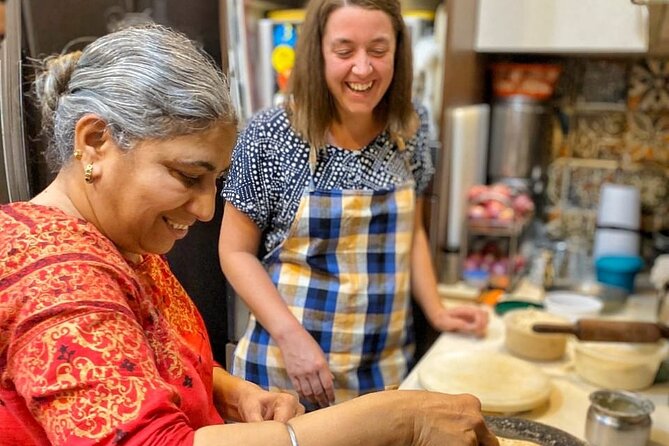
- JD and his dad host the class like family, with lots of patience and clear explanations while you cook
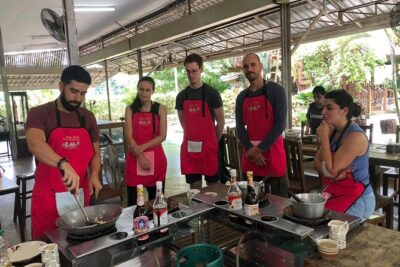
- Small-group format (max 8) makes it easy to ask questions and actually participate
- Hands-on cooking of a full meal: main dish, rice, multiple breads, and dessert
- Spice technique is the star, with tips on flavor and aroma that you can use at home
- Hygiene and comfort are taken seriously, with a spotless prep area and an air-conditioned space
A Delhi home kitchen beats a commercial studio
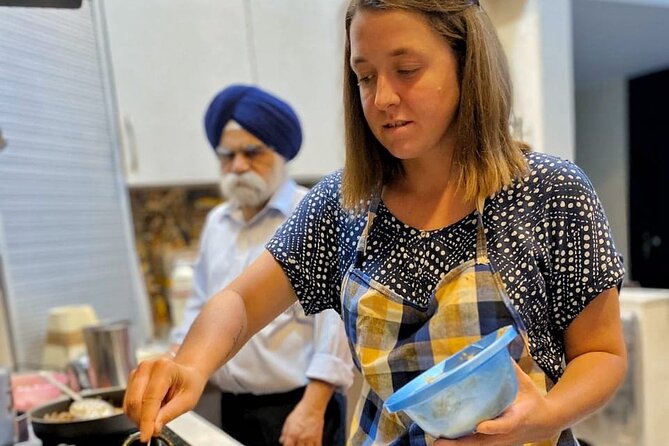
If you’ve taken cooking classes before, you know the difference right away. Here, the vibe is domestic: you’re stepping into a family home setup, not a place that feels engineered for tourists. That matters because Indian cooking is tactile. You learn faster when you can see texture, smell spices as they bloom, and taste-adjust as you go.
One thing I really like is the teaching style. JD and his dad focus on techniques and process more than just reading a recipe card. That means you’re not stuck doing random steps—you’re building a workflow you can repeat later, whether you’re cooking for one person or a small dinner back home.
You can also read our reviews of more tours and experiences in New Delhi.


Meeting point in Greater Kailash and the welcome that sets the tone
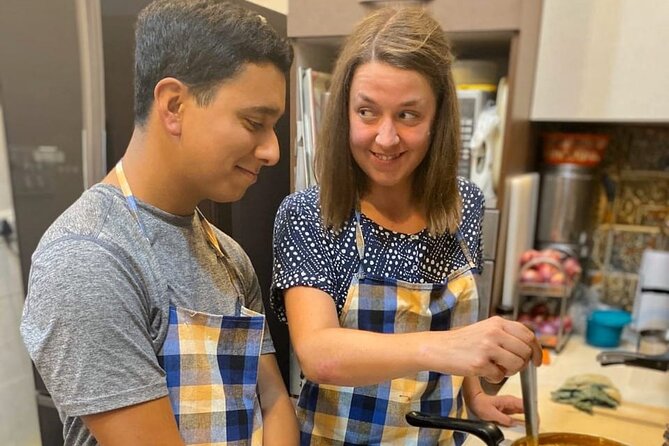
The class starts at R-142 Gk-1 Bindra’s House in Greater Kailash-1 (address given for the meeting point), and it ends back there. The location is in a well-known residential area, so once you’re there, you can relax—you’re not wandering across the city with your notebook and hope.
You’ll typically start with a warm welcome and something to sip. In past experiences, guests have arrived to coffee and/or tea with biscuits, which is a small touch, but it helps you settle in. Then you move into the kitchen area where everything is set up for you to cook, not just watch.
Also worth noting: some solo travelers have said they felt at ease in the home environment. If you prefer a tour that feels safe and friendly rather than transactional, this is the kind of setting that usually works well.
What the 2.5 hours feels like once you’re cooking
The duration is about 2 hours 30 minutes. You won’t be stuck in one long lesson where only the instructor talks. The format is structured around cooking and tasting, and it tends to flow like this:
1) You settle in, get a quick start, and understand what you’re making that day.
2) You prep with guidance, with attention to ingredients and spices.
3) You cook multiple dishes, including a curry-style main and a rice dish.
4) You make bread and learn core method details, not just assembly.
5) You finish with dessert, then sit down to share what you made.
Even with a schedule, it stays casual. Hosts are patient and practical, and you’re encouraged to participate rather than wait your turn.
Spices and technique: the part you’ll actually use at home
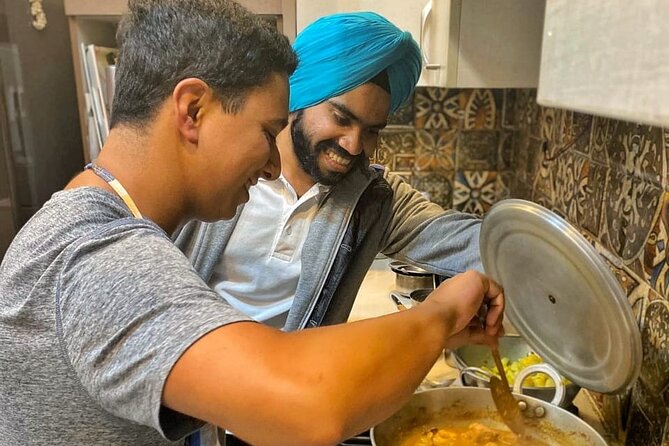
This class treats spices as the engine of flavor, not an add-on. You learn about how spices shape taste and aroma, and you get guidance on timing—when to add spices, how heat changes behavior, and what to look for as the dish comes together.
That’s the real value here. Restaurant food can taste amazing, but copying it usually fails because people don’t know the process behind it. In this home class, you’re taught a base approach: how to build flavor from ingredients and spice, then how to adjust. If you’ve ever wondered why your curry tastes flat, too sharp, or just not right, this portion is designed to fix that.
You’ll also hear some of the backstory that connects dishes to family tradition. It’s not just lore for fun. The meaning and history often explain why certain methods exist—why that spice blend belongs in that dish, or why a particular bread method matters.
Curry and dals: learning the flavor-building workflow
The main dish category is curry-style cooking. Many classes in this format include a dal component, and in this experience you’ll get hands-on practice with lentils and spice-forward seasoning.
What I like is that the instruction is process-based. Instead of only saying add this, add that, JD and his dad explain the method they use and why it works. Guests have noted they focused on spicing and techniques and that chopping time isn’t where the lesson gets wasted—so you can spend your energy learning what actually changes flavor.
As you cook, keep an eye on texture and smell, because that’s where Indian cooking becomes learnable. When spices bloom properly, they smell different. When a sauce cooks the right amount, it thickens and tastes rounded instead of watery.


Bread in a family kitchen: pratha-style skills and more
Breads are a key part of the meal, and you’ll make multiple kinds. The class description mentions three types of bread overall, while the highlights section mentions two types—so the exact mix may vary by session. What’s consistent is that you’ll get real bread-making practice, not a token demonstration.
From what guests describe, breads can include pratha-type results. And the teaching approach matters: hosts explain the process slowly enough that first-timers can succeed. You’re not just rolling dough; you learn how dough behaves and how method affects the final texture.
Bread-making is also where the family-kitchen feel shows up. You’ll likely use the family’s practiced routines and you’ll see how they manage heat and timing in a home setup. That’s useful, because it means you can translate the lesson to your own kitchen without expecting professional equipment.
Rice dish and dessert: timing matters more than you think
You’ll also cook a rice dish and finish with dessert. One dessert that comes up in guest feedback is rice pudding. Even if the exact dessert changes by day, you’ll still get practice understanding how sweetness, texture, and heat control play out at home.
Rice is where many people think they know what to do—until the class teaches them what they missed. Small adjustments can change everything: moisture level, timing, and how you manage heat after the simmer begins.
For dessert, you’ll learn why it takes patience. Sweet dishes often feel forgiving, but texture control is real work. The goal here is that you can leave with knowledge, not just a warm plate in your hands.
Lunch, tea breaks, and the shared meal at the end
This is not a snack-and-leave class. Food is part of the structure.
Included with the experience:
- Lunch
- Coffee and/or tea
- Bottled water
- Dinner
The closing moment is family-style eating, where you sit together to enjoy what you prepared and talk through what you learned. That last part is important. Cooking classes can feel disconnected if you only prepare and never taste in a social setting. Here, the table becomes the lesson review.
And honestly, the meal quality seems to exceed typical expectations. People have said the food they made landed at a level they didn’t get from restaurants during their trip. That tracks with the instruction style: you’re making each dish properly because someone is watching your method and guiding you.
Vegetarian and non-veg options: plan around your preferences
You can choose vegetarian or non-veg options. That’s a big deal in India, where cooking styles and spice behaviors can differ depending on the proteins involved.
If you’re vegetarian, you’ll still get a full, satisfying meal structure. If you’re eating non-veg, you should be able to keep the same learning flow while cooking in that track. The key advantage is that the class is designed for different diets rather than forcing everyone into one menu.
If you have strong dietary needs, you’ll want to confirm details during booking, since the available options are stated generally rather than dish-by-dish in the provided info.
Group size and the social side (without turning it into a party)
This is a small-group experience, with a maximum of 8 travelers (and it lists up to 10 travelers). That’s small enough that you don’t feel like a number, but large enough that you’ll likely meet a few new people.
What guests tend to like is that the class is intimate and interactive. You’re cooking, not listening from the back. That naturally creates conversation—especially when everyone is learning the same base flavor ideas but applying them in their own way.
If you’re traveling solo, the home setting can also feel calmer than larger group tours. People have specifically noted feeling completely at ease as a solo participant.
Price and value: what $50.22 really buys you
The price is $50.22 per person. On paper, that’s in the midrange for a 2.5-hour activity. The value comes from what’s included and what you learn.
You’re getting:
- Hands-on instruction on multiple dishes (not just one recipe)
- A full meal experience, including lunch and dinner
- Coffee/tea and bottled water
- A small-group setting and time with hosts who guide rather than rush
If you compare that to paying for cooking instruction without a meal, or paying for a restaurant meal without skill-building, the math starts making sense. You’re leaving with recipes and techniques you can actually repeat, plus the satisfaction of eating the results with others.
Is it a bargain? For many visitors, yes—especially because the emphasis is on practical cooking, not only entertainment.
Practical tips so you enjoy the class from minute one
A few simple things will help you make the most of the experience:
- Wear comfortable clothes you don’t mind getting a little kitchen-adjacent mess. You’ll be cooking.
- Expect an air-conditioned space and restroom facilities, but don’t assume it’s a spotless lab. It’s a working home kitchen.
- Bring your curiosity about spices. Asking questions about timing and flavor adjustment tends to pay off.
- If you’re sensitive to fragrance, let the hosts know early. Spices are central to the class, and you’ll likely smell and taste them throughout.
Also, the experience requires good weather. The details about what that means for you aren’t specified here, but it’s enough to plan for the possibility of a reschedule if conditions aren’t right.
Should you book this Indian cooking class in New Delhi?
Book it if you want an authentic cooking experience that feels personal and practical. This is a strong choice if you care about technique—especially how spices are used—and if you want to leave with the ability to cook an Indian feast at home. The small group size, the family-style welcome, and the hands-on pace are exactly what make the class feel worth your time.
Skip it only if you need a highly formal, strictly scripted activity in a commercial setting. The experience is centered on a real home kitchen, and it prioritizes cooking and conversation over polish.
If you’re in New Delhi and you want one activity that turns food into knowledge, this is a great way to spend an afternoon and walk away with real skills.
FAQ
How long is the Indian cooking class in New Delhi?
It’s about 2 hours 30 minutes.
How many people are in the group?
The class is described as max 8 in the highlights, and it lists a maximum of 10 travelers.
What’s included in the price?
Lunch, coffee and/or tea, bottled water, and dinner are included.
What kinds of dishes will I learn to cook?
You’ll cook a curry-style main dish, a rice dish, bread (multiple types), and a dessert.
Is there a vegetarian option?
Yes. The class mentions both vegetarian and non-veg options.
Where do I meet for the class?
You start at R-142 Gk-1 Bindra’s House, R-142, Greater Kailash-1, Block R, part-1, Greater Kailash, New Delhi, Delhi 110048, India.
Is there an end location, or do I return to the start?
It ends back at the meeting point.
Is the space comfortable during the cooking session?
The space is described as fully air-conditioned, with restroom facilities available.
What’s the cancellation policy?
You can cancel for a full refund up to 24 hours in advance of the experience start time. The experience may also be rescheduled or refunded if canceled due to poor weather or if a minimum number of travelers isn’t met.