REVIEW · NEW DELHI
Veg and Non veg : Private Cooking Class in Delhi home (7 meal)
Book on Viator →Operated by Indian Food Cooking Class · Bookable on Viator
A Delhi cooking class can feel like a shortcut to real life. This one happens in a local home kitchen with private, hands-on instruction from Preeti and Sonu, starting with spices and ending with a full sit-down meal. You’ll choose veg or non-veg options, and the whole lesson runs about 3 hours.
What I like most is the pace and clarity—expect simple steps and lots of real-time help while you chop, stir, knead, and cook. I also really love that the meal is built from classic basics: roti/parathas, cumin rice/plain rice, and dal/tarka-style lentils, plus a curry and a vegetable side. One possible drawback: it’s not hotel pickup/drop, so you’ll want to plan your own way to Uttam Nagar West Metro area.
In This Review
- Key Points to Know Before You Go
- Entering A Delhi Home Kitchen: Where the Lesson Starts With Spices
- The 3-Hour Flow: Drink, Curry Building, and Bread on the Plan
- What You Actually Cook (Veg and Non-Veg Menus)
- Curry 101: How the Gravy Dishes Get Built in a Home Kitchen
- Dal and Lentils: The Comfort Component You’ll Want to Recreate
- Breads and Rice: The Pair That Makes or Breaks the Meal
- Vegetable Side and Pakora-Style Snacks: Crunch and Contrast
- Sweet Ending: Why Dessert Matters in a Real Meal
- How Instruction Feels in Practice: Hands-On, Not Just a Show
- Recipes After the Class: Your Plan for Cooking at Home
- Price and Value: Is $47 a Fair Deal for 3 Hours and a Full Meal?
- Getting There in Uttam Nagar: Simple, But Plan Your Transport
- Who This Class Suits Best (and Who Might Want Another Option)
- Should You Book This Delhi Cooking Class?
- FAQ
- Is this a private cooking class?
- How long is the class?
- Do I choose veg or non-veg?
- What drink is included?
- What dishes are included in the meal?
- Is bottled water included?
- Where does the class meet?
- Is hotel pickup or drop-off included?
- When should I arrive?
- Do I get recipes after the class?
Key Points to Know Before You Go
- Preeti and Sonu teach in a real home kitchen, with lots of direct guidance as you cook.
- Spice-first approach: you start by learning what goes into masala and when it changes the flavor.
- Veg or non-veg menu choices with a full spread: curry, dal, breads, rice, and dessert.
- You get a drink plus bottled water, and you sit down to eat what you make.
- Recipes are sent after the class, so you can repeat the dishes at home.
- Expect active cooking—you’ll do prep, not just watch.
Entering A Delhi Home Kitchen: Where the Lesson Starts With Spices
The experience begins at a specific address in Uttam Nagar (A1, 63 Hastsal Rd, near Sunil Dairy). When you arrive, you’ll get welcomed into the home setup, not a studio. That matters because Indian home cooking is built around smell, timing, and taste—things you can’t fully learn from a demo.
The first phase is about spices. You’ll get an explanation of how spices work together, and how the same ingredients can shift flavor depending on what stage of cooking they go into. This spice start is one of the smartest parts of the class because it gives you a mental model you can reuse later, even if you change dishes.
You can also read our reviews of more tours and experiences in New Delhi.


The 3-Hour Flow: Drink, Curry Building, and Bread on the Plan
The class runs about three hours, and the rhythm stays practical. You’ll start with a hot drink—masala tea or lassi, and you’ll do the choice you’re offered. Then the cooking shifts to your main gravy dish and supporting items, while instructions stay hands-on.
One highlight is how the lesson layers skills. You don’t just learn one dish; you build a mini meal: gravy curry, lentils, rice, breads, a vegetable side, and dessert. If you’ve only eaten Indian food out, this structure helps you understand how the whole plate works together.
What You Actually Cook (Veg and Non-Veg Menus)
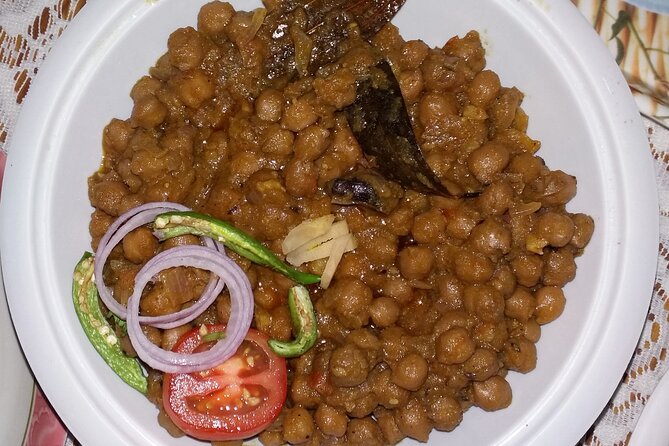
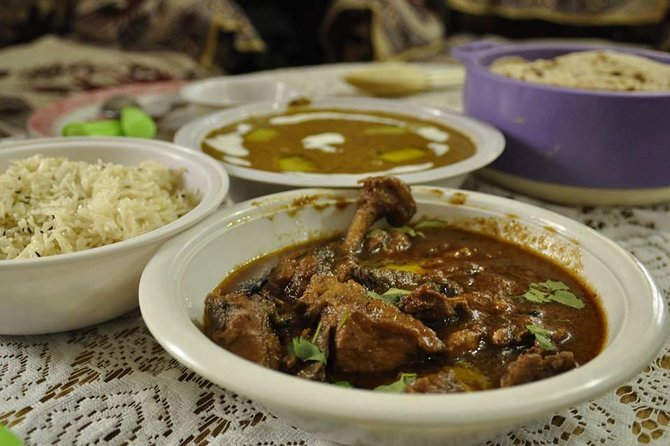
Your included menu is designed as a complete meal spread, and it varies based on your veg or non-veg choice. For the non-veg option, you’ll prepare a curry such as chicken curry or butter chicken (you choose between the available options). For veg, you’ll still cook a curry/gravy-style dish plus other core items.
Alongside your main curry, you’ll make:
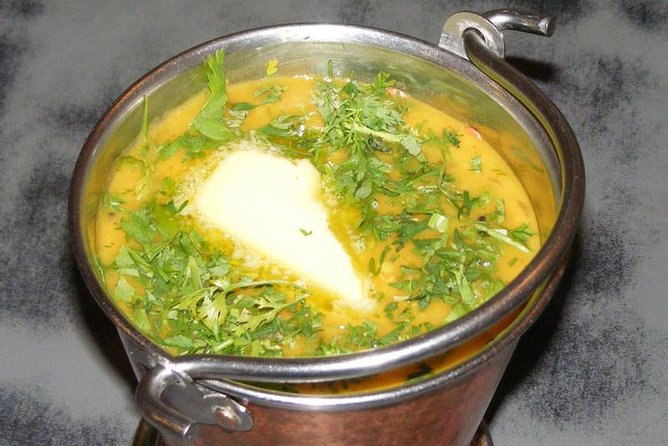
- A lentil dish like yellow dal or dal tarka (thick gravy-style lentils with onion-tomato base and ginger-garlic-green chili paste described in the class notes)
- A vegetable side from options like aloo gobhi, okra, or paneer masala (dry vegetable style)
- A rice component: cumin rice or plain rice
- Bread: roti (chapati style) or parathas
- A sweet dessert at the end
This is also where you’ll appreciate the private setup. If you ask questions while you’re doing the work—how thick should it be, what consistency to look for, how to adjust—there’s time to actually answer.
Curry 101: How the Gravy Dishes Get Built in a Home Kitchen
The curry portion is the flavor engine. You’re not just seasoning; you’re building a base and then layering spice and cooking technique so the gravy turns cohesive. The class description includes a chicken curry gravy concept with lentils and a vegetable pakora idea earlier in the overall concept.
In practice, your curry instruction tends to focus on a few repeatable moves: frying aromatics and spices, adding tomato/onion components, and simmering until the texture matches what you need for serving. That’s valuable because Indian curries can look similar in a restaurant photo, but the texture and balance are what make the dish feel right.
If you choose the butter chicken style option, you’ll likely see how richness comes from cooking method and how the sauce’s thickness changes the way the curry lands on rice and bread.
Dal and Lentils: The Comfort Component You’ll Want to Recreate
Dal is often the dish people skip learning, but it’s the backbone of most Indian meals. Here, you’ll cook yellow dal or dal tarka, described as lentils with a thick gravy base of onion and tomato, plus ginger-garlic-green chili paste. That description matters because it tells you the dal isn’t just boiled lentils—it’s seasoned and built.
You’ll learn how to judge thickness. Too thin and it turns watery with rice; too thick and it gets pasty. Getting that texture right is one of the most “transferable” cooking skills you’ll take home.


Breads and Rice: The Pair That Makes or Breaks the Meal
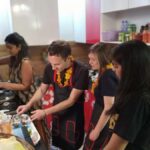
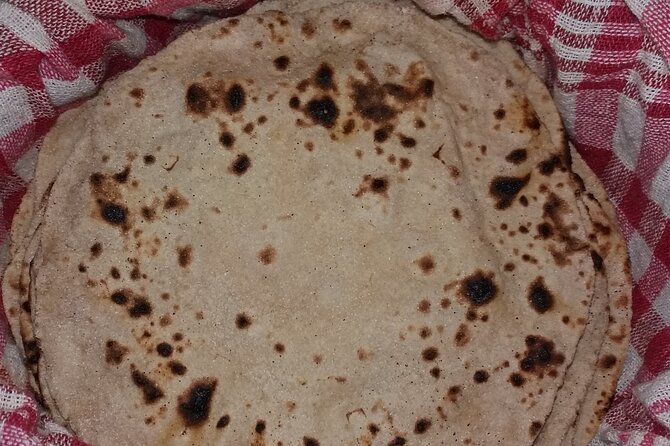
You’ll cook bread from wheat flour—roti or parathas—so you get a real sense of dough texture and cooking rhythm. Even if you’ve made flatbreads before, Indian roti is a different technique than most Western-style flatbreads. The class keeps the steps straightforward so you can focus on feel rather than guesswork.
Rice is usually handled in a simple, reliable way: cumin rice or plain rice. You’ll see how the rice choice affects what you scoop or tear with your bread. It’s a practical lesson in pairing, not just side dish preparation.
Vegetable Side and Pakora-Style Snacks: Crunch and Contrast
The meal spread includes a vegetable dry side option like aloo gobhi, okra, or paneer masala. This part is great because it teaches balance. Gravy-curry meals can get heavy, and vegetables give contrast—dry texture, different spices, and a different way of chewing.
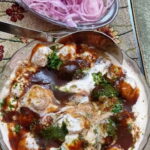
The overall class concept also includes fried snacks like vegetable pakora with mint sauce (and you may see this mentioned in the experience design and dishes taught). If it’s part of your exact menu, it’s a fun way to learn how batter and spice translate into crispness.
Sweet Ending: Why Dessert Matters in a Real Meal
Your class includes one sweet. In Indian home cooking lessons, dessert isn’t an afterthought—it’s part of the meal flow. When you make it yourself, you understand how sugar and flavor show up at the end, and why the sweet often balances spice and savory intensity.
Even if you’re not a dessert person, this gives you a fuller picture of what families actually serve.
How Instruction Feels in Practice: Hands-On, Not Just a Show
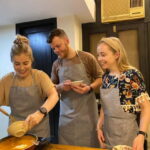
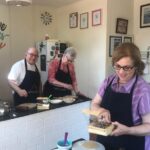
This is set up as a private cooking class at a local family home, so only your group participates. That structure is a big deal for learning because you’re not stuck waiting your turn behind a crowd.
From the teaching style described, Preeti and Sonu focus on breaking recipes into simple steps and giving you enough guidance to succeed. The kitchen environment is described as clean and modern in feedback, so you don’t have to worry about chaos while you’re learning technique.
Recipes After the Class: Your Plan for Cooking at Home
A useful part of this experience is follow-up. Several participants note that they received recipes after the class, often by email, so you can recreate what you made. There’s also mention of an English recipe collection, which is especially helpful if you want to cook without translating everything at home.
This matters because hands-on classes are great in the moment, but you only get lasting value if you can repeat the dishes. With the recipes in your inbox, you can turn this from a one-day memory into a real cooking upgrade.
Price and Value: Is $47 a Fair Deal for 3 Hours and a Full Meal?
At about $47 per person for roughly three hours, the price is strong when you consider what you get: a private home setting, instruction, multiple dishes, and a seated meal that includes a drink. In other words, you’re paying for both cooking skills and the food itself, not just a demonstration.
Group discounts can also help if you’re traveling with friends or family and want to split costs. And because the class includes several core meal components—curry, dal, bread, rice, vegetable, sweet—you’re getting more than one recipe lesson.
The one “cost” to keep in mind is that hotel pickup/drop isn’t included. If you’re staying far from Uttam Nagar West Metro, factor in transport time and cost so you arrive on time. The class also asks that you arrive 15 minutes early, which is normal, but it’s worth planning for.
Getting There in Uttam Nagar: Simple, But Plan Your Transport
You’ll meet at A1, 63 Hastsal Rd near Sunil Dairy in Uttam Nagar (Block A1). The pick-up reference point given is near Uttam Nagar West Metro station, outside gate no.4, which can help if you’re coming by metro.
Since hotel pickup/drop isn’t included, I’d treat this as a “you handle the ride” experience. That also means you control your schedule—handy if you want to pair the class with other Delhi plans the same day.
If you’re using a car or taxi, the neighborhood may feel harder to navigate than a main tourist corridor. A tip here: confirm the meeting point clearly before you leave, and aim to reach early rather than sprinting at the last minute.
Who This Class Suits Best (and Who Might Want Another Option)
This is perfect if you:
- Want real Indian cooking skills from a home kitchen, not just a restaurant-style walkthrough
- Like learning spices and technique you can reuse
- Eat a full meal and want veg or non-veg options
It may be less ideal if you want a high-level food lecture or a long market tour. This class is cooking-focused, and the schedule is built around making dishes and eating them, not spending hours sightseeing.
If you have specific dietary restrictions, there’s evidence the hosts discuss adaptations (for example, gluten-free and onion-free needs were mentioned in feedback). Still, don’t assume—ask ahead so the menu and cooking plan can match your needs.
Should You Book This Delhi Cooking Class?
Yes, I’d book it if you want an authentic Delhi meal you can understand and recreate. The strongest reasons are simple: you cook a full spread, you get private instruction from Preeti and Sonu, and you start with spices so your results make sense.
Skip it or reconsider only if you can’t get to Uttam Nagar independently, or you’re looking for something more like a guided city tour. For everyone else, this is a smart, hands-on way to learn Indian cooking from inside a real home kitchen.
FAQ
Is this a private cooking class?
Yes. It’s described as a private tour/activity, and only your group participates.
How long is the class?
It’s about 3 hours (approx.).
Do I choose veg or non-veg?
Yes. There are options for both veg and non-veg diets.
What drink is included?
You get either masala tea or lassi (you can choose which one).
What dishes are included in the meal?
The included items list a full spread: chicken curry or butter chicken (one), a dry vegetable like aloo gobhi/okra/paneer masala (one), yellow dal or dal tarka (one), cumin rice or plain rice (one), roti or parathas (one), plus one sweet.
Is bottled water included?
Yes, bottled water is included.
Where does the class meet?
Start location is at Indian Food Cooking Classes, A1, 63 Hastsal Rd, near Sunil Dairy, Block A1, Uttam Nagar, New Delhi, Delhi 110059.
Is hotel pickup or drop-off included?
No. Hotel pick up and drop are not included.
When should I arrive?
Arrive 15 minutes before at the meeting place.
Do I get recipes after the class?
Feedback indicates recipes are sent after the class (often by email).