REVIEW · MELANES
Melanes: Naxos Perivoli Farm & Cooking Class with Wood Fire
Book on GetYourGuide →Operated by Perivoli Naxian Farm Experience · Bookable on GetYourGuide
Dinner starts with picking eggs and olives. At Perivoli Naxian Farm in Melanes, you blend a real working-farm walk with a wood-fire cooking class, so the food comes with stories you can taste.
I love how the day is built on fresh, on-site ingredients. You’ll see chickens, rabbits, pigs, peacocks, and more, then collect freshly laid eggs and sample fruit straight from the trees. I also like that the cooking isn’t a hands-off demo: you prep dishes, then the meal lands with the real wood-fire style that makes Naxian home cooking feel special.
One thing to consider: transportation isn’t included, and you’ll be on your feet on farm paths in the sun for part of the experience. Also, they feed you a lot, so plan for a later dinner than usual.
In This Review
- Key highlights you’ll feel right away
- Entering Perivoli Naxian Farm in Melanes: animals, eggs, and the easy pace
- Olive grove lessons, Naxian potatoes, and picking seasonal fruit the real way
- Vineyards and vegetable gardens: where the ingredients for your meal get real
- Cooking on a wood fire: hands-on dishes you’ll actually want to make again
- Lunch, wine, bread, dessert, and preserves: why the meal feels like real value
- Practical tips before you go: shoes, sun, and planning your Naxos day
- Traditional dance option: a nice extra if you want it
- Should you book this Perivoli Farm cooking class?
- FAQ
- Where do I meet for the Naxos Perivoli Farm cooking class?
- How long is the experience?
- What’s included in the price?
- Is transportation included?
- What group size is this?
- Is there an English-speaking guide?
- What should I bring?
- FAQ
- Is there free cancellation?
Key highlights you’ll feel right away
- Small group (up to 10) keeps things personal and not rushed
- Farm animals + egg collecting make the day feel like you stepped onto real Naxos life
- Olive grove and olive-oil lessons connect ingredients to how they’re grown
- Wood-fire cooking for dishes like zucchini balls and briam/gemista
- Lots of food and local wine, plus bread, dessert, and preserves
Entering Perivoli Naxian Farm in Melanes: animals, eggs, and the easy pace
You start at the entrance of the Perivoli Naxian Farm Experience, where staff are waiting to welcome you. The vibe here is calm and family-run. You’re not herded through a checklist; you’re guided from one part of the farm to the next at a pace that lets you look around.
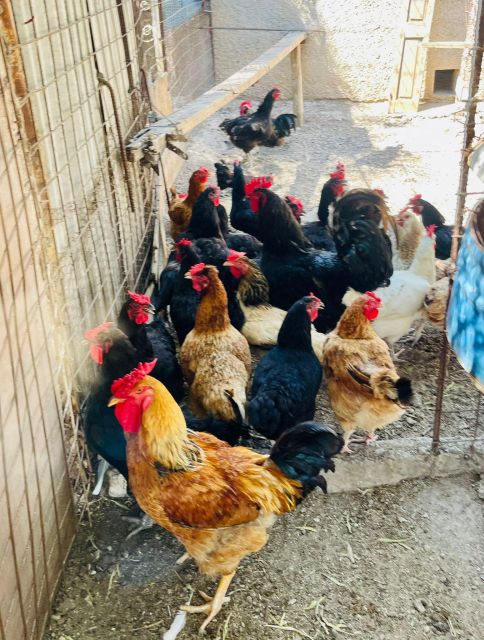
First comes the farm tour. This is where the place feels alive. You’ll be shown the animals—chickens and rabbits are part of the regular mix, and peacocks also make an appearance, along with pigs and other farm life. It’s a great way to break the ice fast, especially if you like asking questions and getting straight answers about how the farm works.
Then you collect freshly laid eggs. Even if you’ve done cooking classes before, egg collecting hits differently because it’s immediate and practical. You’re already thinking about what ends up in your omelet.
What makes this opening work for you: it sets the context. When you later chop vegetables and cook with olive oil, you understand where it came from, not just what it tastes like.
Olive grove lessons, Naxian potatoes, and picking seasonal fruit the real way
After the animal time, the tour shifts into growing and harvesting. You’ll head into the olive groves, and your guide explains how the trees are cultivated for olive oil production. This isn’t just a photo stop. You get the basics of how these orchards are cared for, which helps you understand why the oil on Naxos tastes the way it does.
Next you walk to the potato fields, where Naxian potatoes are grown. Here the focus is on why potatoes thrive in this area—climate and fertile soil—and how local farming fits the land instead of fighting it. If you’re a fan of Greek potatoes (fried, roasted, or simply seasoned), this part gives you a good reason to appreciate them beyond taste.
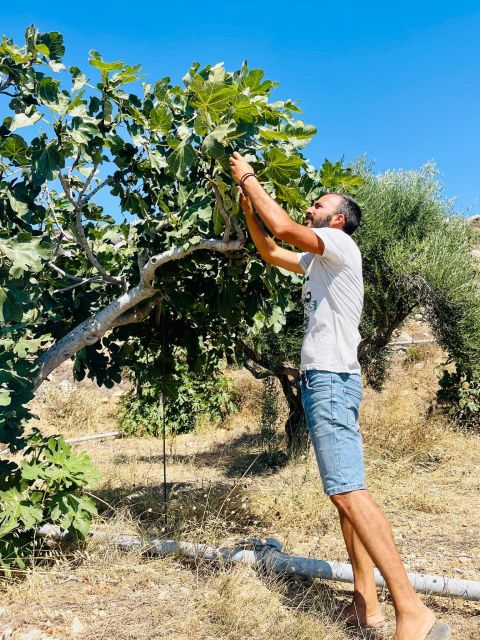
Then comes the fruit step. You’ll follow your guide to fruit trees and sample seasonal fruits. Depending on the season, you might spot and learn about trees like fig and pomegranate, and also see citrus such as lemon and lime. You’ll also notice aromatic plants and herbs around the property—reviews mention things like thyme and oregano—so you get a strong sense that this farm is about flavor, not just food.
You end up with a really useful mental map: olive trees here, potatoes there, fruit trees over the way you walked, and vegetables cultivated close to where you’ll cook later.
Vineyards and vegetable gardens: where the ingredients for your meal get real
After you’ve seen olives, potatoes, and fruit trees, the tour keeps feeding your appetite—both visually and practically. You’ll walk through the vineyard area and then head to the vegetable garden to gather seasonal produce.
This is the part I think food-focused travelers will enjoy most, because it turns into a scavenger hunt that feels grounded. You’re learning what’s in season and which vegetables are ready. And when you later make dishes like zucchini-based recipes, you already recognize the ingredient.
The garden also helps explain why the menu changes with the time of year. You’re not eating a frozen or imported version of Greek cooking. You’re eating what the farm can pick when it’s ready.
One more detail that matters: you’re walking between areas, so you’re also slowly learning the rhythm of farm work—how far you travel from one crop to the next, how the paths connect, and how the property is laid out for day-to-day care.
By the time you reach the kitchen, it feels like you’ve collected the menu from the landscape itself.
Cooking on a wood fire: hands-on dishes you’ll actually want to make again
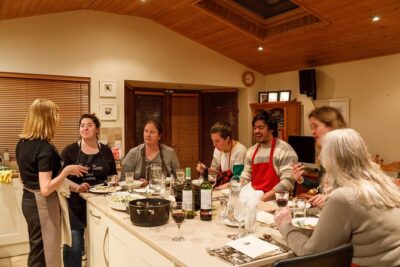
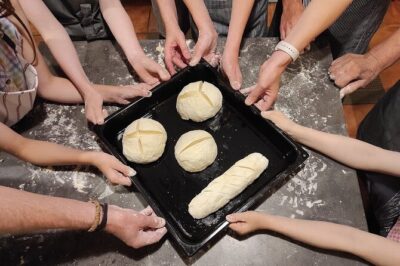
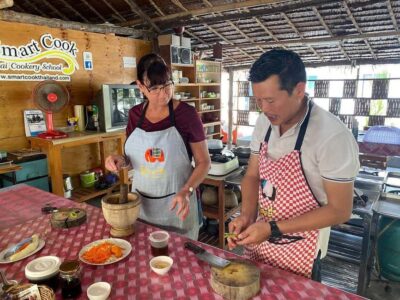
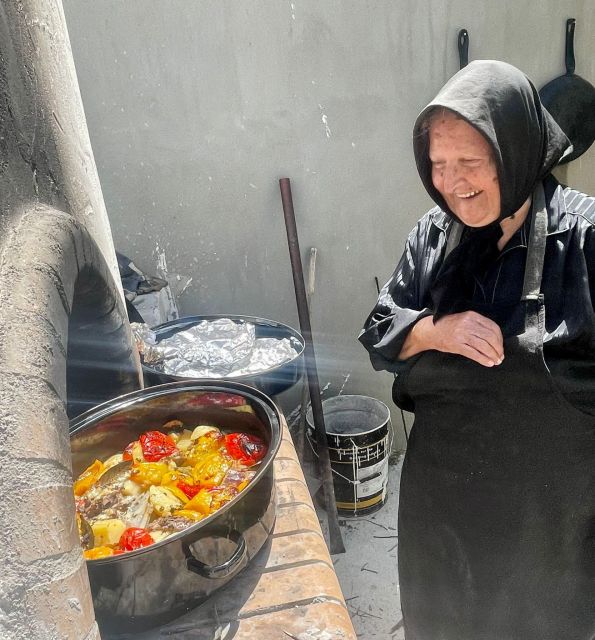
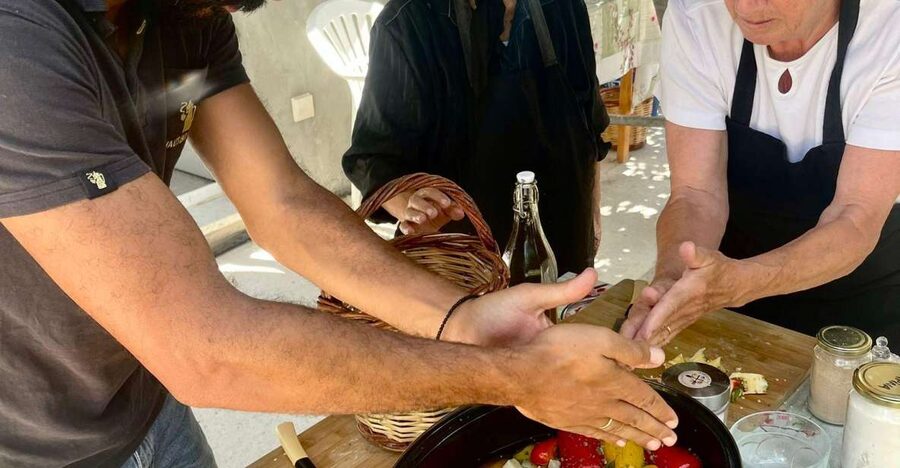
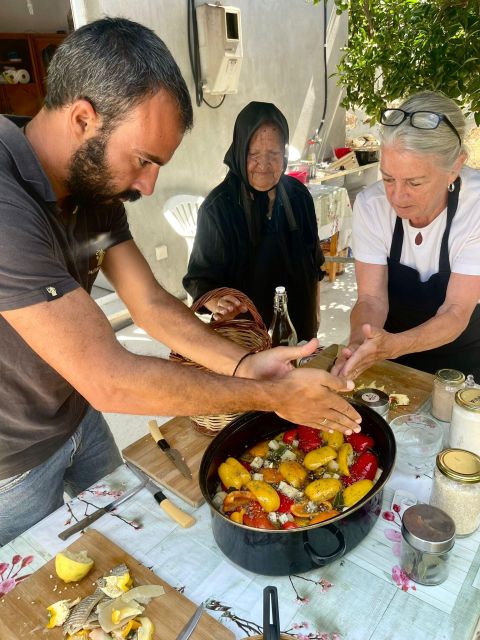
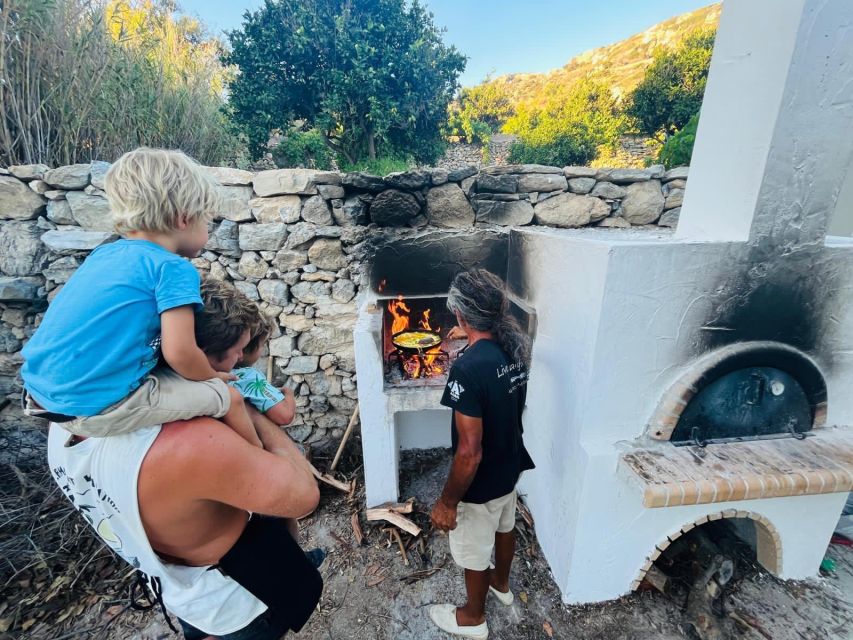
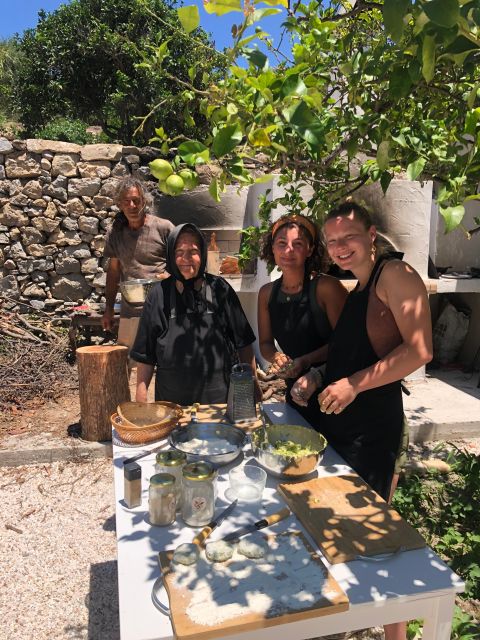
This is the heart of the experience: cooking on a wood fire. You’ll prep and participate, not just watch. You get an apron and start with ingredients that match what you saw outside—vegetables, eggs, and local cheeses.
The class commonly includes an appetizer set built around items like an omelet and zucchini balls, plus potatoes and cheese. Your main dishes may include briam (roasted vegetables) or gemista (stuffed vegetables), depending on what day’s menu is running. There’s also plenty of sipping of local wine while you cook and then while you eat.
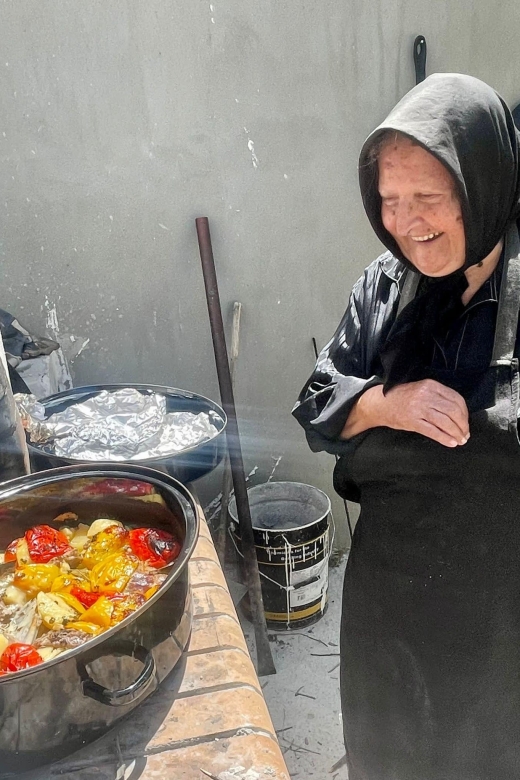
One of the best details: the wood-fire cooking is handled by the people who actually know the ovens. Many reviews mention that the family members cook on the wood stoves/wood-fired oven right alongside the class, while you’re busy prepping components at the table. That means you get the smell and heat of the real cooking process, not a staged substitute.
And yes, it helps that the guide keeps things light while staying clear. Names you may run into include Nikolas (often called Nikos or Niko), Tina, and Konstantina, depending on the day, and they’re all described as warm hosts who explain what you’re doing and why.
If you care about technique, this is where you’ll pick up practical habits: how to handle zucchini prep, how Greek flavors get balanced with olive oil and herbs, and how baked or roasted vegetable dishes become greater than the sum of their parts.
Lunch, wine, bread, dessert, and preserves: why the meal feels like real value
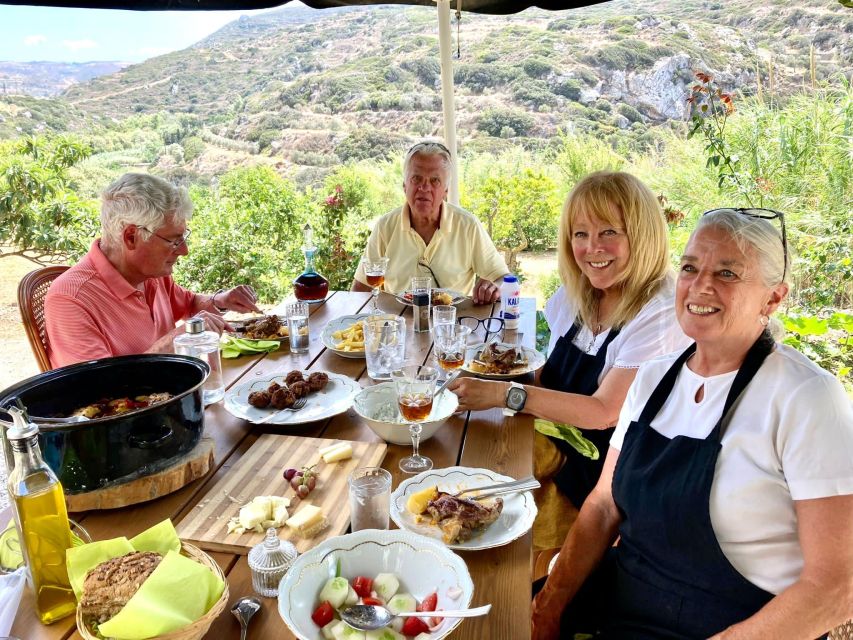
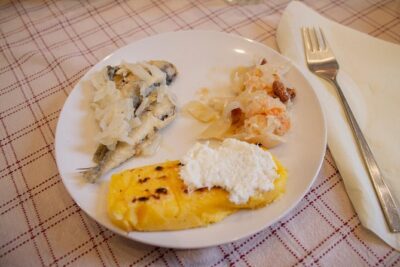
The package includes lunch, bread, dessert, and local wine. That matters because a lot of cooking experiences charge you for ingredients twice—once in the class price and again in what you eat afterward. Here, the meal is part of the deal, and it doesn’t feel like a token tasting.
From the way people describe the experience, the servings are generous enough that you should seriously plan your day around it. Multiple reviewers specifically warn you not to schedule dinner right after, because the food is a feast by the end. That’s a small downside if you’re the type who likes an early, light lunch—most people will just adapt and enjoy going full Naxian homestyle.
Dessert and homemade fruit preserves also help close the loop. You picked seasonal fruit earlier, then you taste the sweetness later. It makes the whole experience feel like one continuous story instead of separate activities glued together.
If you’re wondering about price, think value in terms of total content: 4 hours, small group size, farm tour, hands-on cooking, lunch plus wine, bread, and dessert. At $117 per person, it’s not the cheapest thing on Naxos—but it’s also not a short snack class. You’re paying for a farm family’s time, local produce, and wood-fire cooking that’s hard to replicate at home without the right ingredients and equipment.
Also, there’s often a big bonus: recipes. People mention receiving recipes after the class, which makes this feel less like a one-off event and more like a skill you can repeat later.
Practical tips before you go: shoes, sun, and planning your Naxos day
This is outdoors for much of the first half. Bring comfortable shoes and expect some walking on farm paths. Also pack sunglasses, a sun hat, and sunscreen. Comfortable clothes help because you’ll move between areas—olive grove, fields, garden, and then the cooking space.
The tour is English with a live guide, and it’s a small group capped at 10 participants. That cap is one of the reasons the experience stays friendly instead of chaotic.
Duration is 4 hours, so you can fit it into a vacation plan without it swallowing the whole day. But do plan the rest of your schedule with the meal in mind. If you’re thinking of an early dinner reservation, push it later or skip it. The lunch is substantial, and the wine keeps the atmosphere relaxed.
Transportation is not included, so you’ll want to arrange how you get from wherever you’re staying in Naxos to Melanes. If you’re planning day trips, build in extra buffer for rural travel.
Traditional dance option: a nice extra if you want it
After the meal and cooking, there’s a traditional dance afterward if you feel like joining in. It’s not mandatory in the way that performance tours can feel forced. If you’re up for it, it’s a fun cultural punctuation mark to end the afternoon on a higher note.
If you’d rather watch and take photos, you can usually enjoy the moment without turning it into homework.
Should you book this Perivoli Farm cooking class?
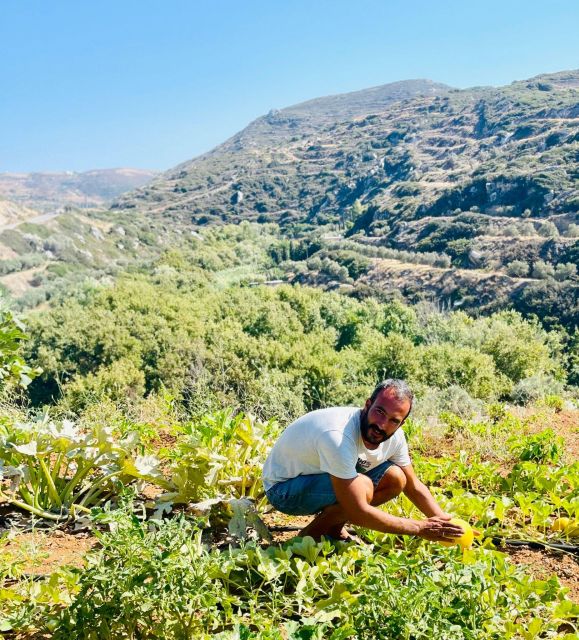
Book it if you want a Naxos experience that’s not just about eating Greek food, but about understanding where it comes from. The combination of farm tour (animals, eggs, olives, potatoes, seasonal fruit) plus wood-fire cooking plus a real included lunch and wine is hard to beat in one half-day.
You might skip it if you hate walking outdoors in the sun, or if you prefer cooking classes that are mostly indoors and tightly timed. Also, if you’re extremely sensitive to farm smells or animal areas, you’ll want to consider that you’re going to be on a working property.
If you’re the kind of traveler who likes asking questions, cooking with your hands, and bringing home recipes you’ll actually use, this is one of the more satisfying ways to spend a few hours on Naxos.
FAQ
Where do I meet for the Naxos Perivoli Farm cooking class?
You meet at the entrance of the Perivoli Naxian Farm Experience, where staff will be waiting to welcome you.
How long is the experience?
It lasts 4 hours.
What’s included in the price?
The price includes the farm tour, lunch, bread, dessert, and local wine.
Is transportation included?
No. Transportation is not included.
What group size is this?
It’s a small group, limited to 10 participants.
Is there an English-speaking guide?
Yes. The tour has a live guide in English.
What should I bring?
Bring comfortable shoes, sunglasses, a sun hat, sunscreen, and comfortable clothes.
FAQ
Is there free cancellation?
Yes. You can cancel up to 24 hours in advance for a full refund.