REVIEW · VALENCIA
Real Paella Cooking Class – Market Visit & Sangría Workshop
Book on GetYourGuide →Operated by My First Paella · Bookable on GetYourGuide
Crispy socarrat starts with a market walk. This Real Paella class pairs a real Ruzafa Market shopping stop with an intimate kitchen session led by locals who grew up making it. You’re not watching a show—you’re working the pan, learning why each step matters.
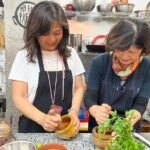
I especially love how you get to cook the way Valencians do, with socarrat as the main goal and step-by-step corrections from the team. Chefs like Anna and Jose keep things fun and focused, and they’ll make sure everyone has a turn. One possible consideration: the drinks are plentiful (bottomless sangria plus wine/beer), so you’ll want to plan for a slower pace after.
In This Review
- Market Visit + Paella Kitchen: What Makes This Valencia Class Click
- Starting at Ruzafa Market: Shop Where Locals Actually Shop
- San Valero to the Kitchen: How the 3.5 Hours Works
- Tapas, Sangria, and DO Valencia Wine While You Prep
- Valencian Paella the Real Way: Rice, Saffron, and the Base
- Mastering the Socarrat: Getting That Crispy Gold Layer
- Eating Together: Salad, Coca de Llanda, Coffee, Mistela
- Price and Value: Why $77 Can Make Sense
- Who This Class Fits Best (and Who Might Want Another Option)
- Should You Book This Paella Class?
- FAQ
- What’s the meeting point?
- How long is the Real Paella Cooking Class?
- Is the class hands-on?
- Do I get to choose between meat paella and seafood paella?
- What languages are available?
- What’s included in the price?
- Is the tour refundable if plans change?
Market Visit + Paella Kitchen: What Makes This Valencia Class Click
- Ruzafa Market over the tourist lanes: you shop like neighbors, not like camera crews.
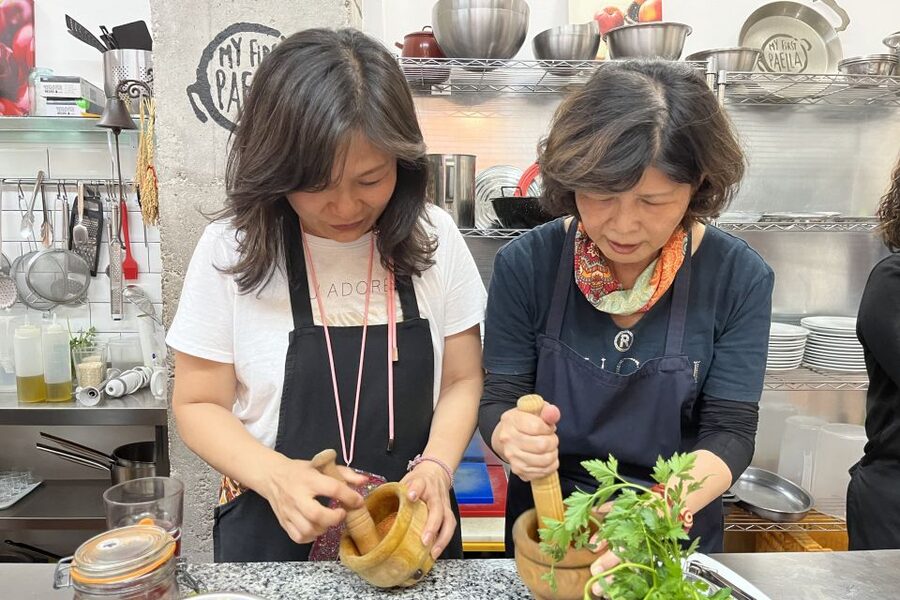
- Hands-in-the-rice teaching style: the chefs correct technique in real time, not after.
- You learn what makes paella Valencian: rice choice, saffron balance, and the right sofrito base.
- Socarrat is taught, not hoped for: you focus on timing and heat control for that crispy layer.
- Drinks and snacks aren’t an afterthought: tapas, sangria, DO Valencia wine, and beer flow while you cook.
- You finish with a real local dessert lineup: coca de llanda, coffee, and mistela.
Starting at Ruzafa Market: Shop Where Locals Actually Shop
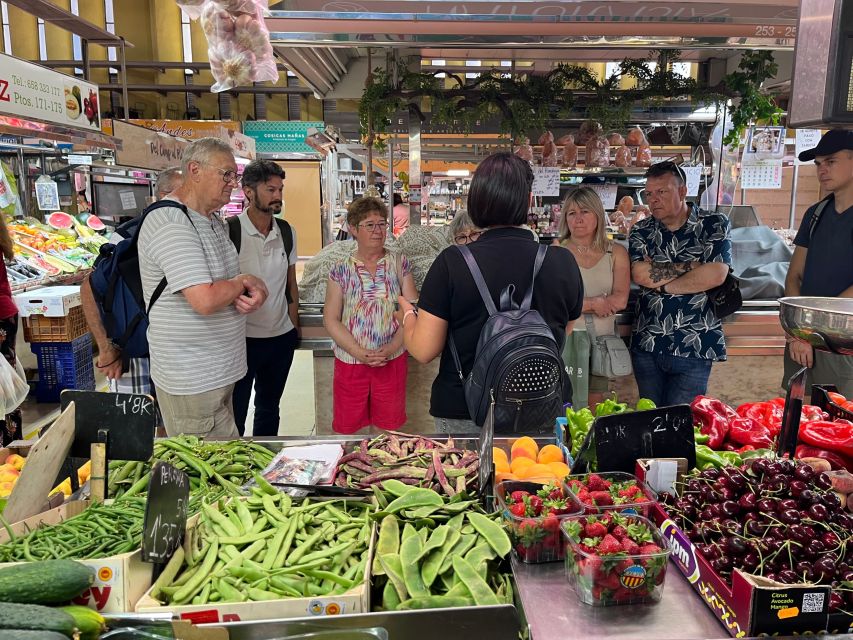
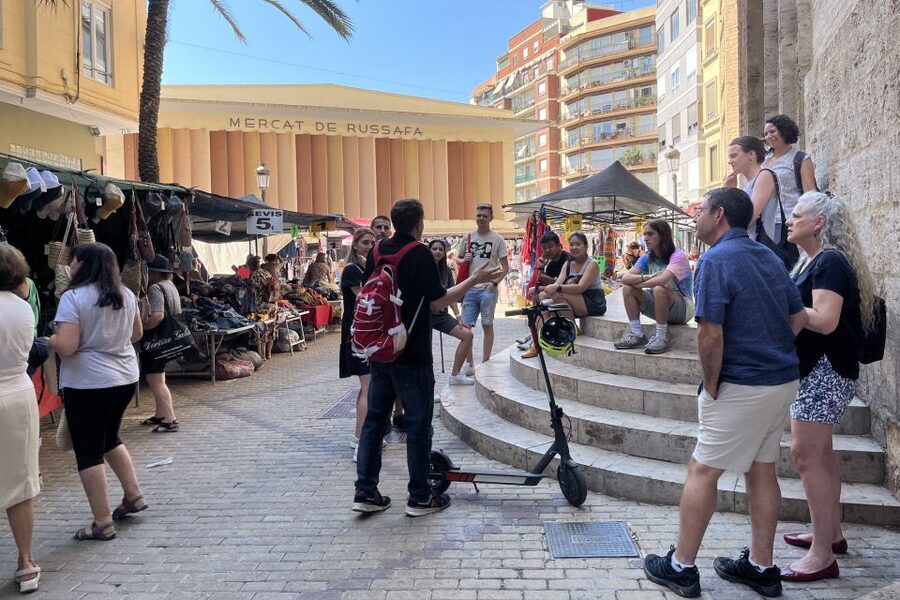
The experience begins in Ruzafa, a Valencia neighborhood where people come for daily ingredients, not souvenirs. The guide meets you at the door of the Church of San Valero, and you head out from there with a simple idea: the quality of your paella starts before the stove turns on.
At the market, you’ll see the ingredients that make a difference—fresh produce, seafood options (if you’re doing seafood paella), and the kinds of staples locals trust. More than just tasting your way around, you learn what to look for and why chefs care about freshness. It also helps you connect paella to Valencia as a place, not just a dish you order at a restaurant.
A nice bonus: this part sets the tone. People relax. Questions come naturally. And when you get back to the kitchen, you already understand the “why” behind what you’re cooking.
If you’re the type who loves getting your bearings fast through food, this market start is the right kind of grounding.
You can also read our reviews of more tours and experiences in Valencia.
San Valero to the Kitchen: How the 3.5 Hours Works
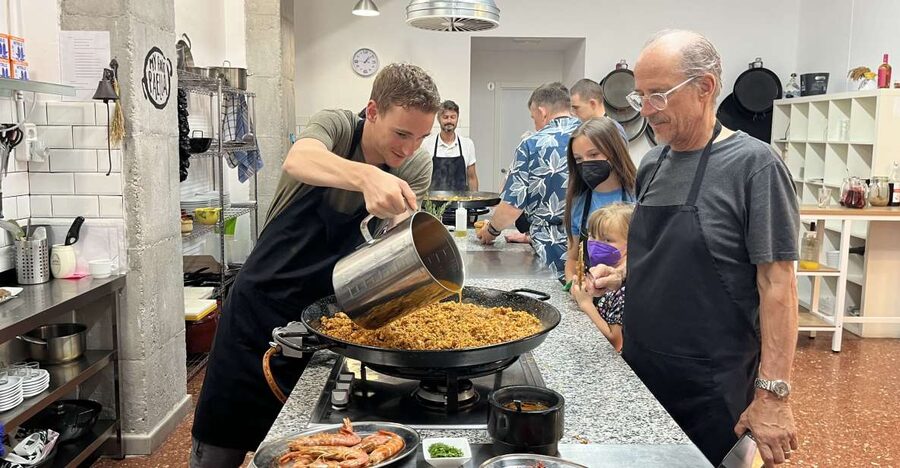
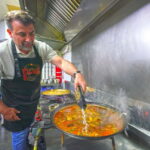
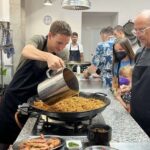
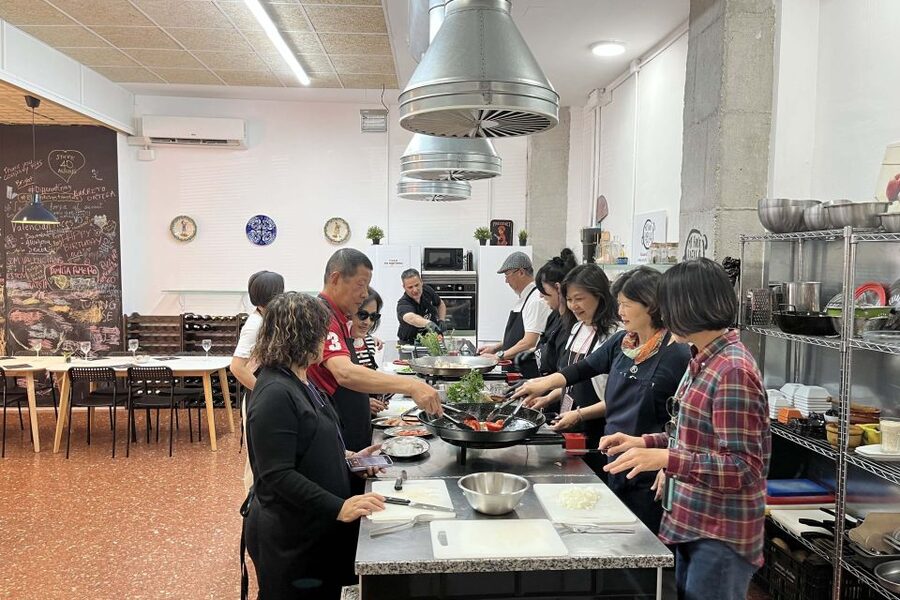
This is a 3.5-hour class, and it moves with a steady rhythm: market → tapas and drinks → cooking instruction → shared meal → dessert finish. You’re never stuck watching while others work. The format is built for participation, and you’ll do real tasks in the paella process, guided by the chef and staff.
Group sizes can vary. Some people get the feeling of a close-knit kitchen crew; others note it can be a larger group than expected. The practical takeaway for you: don’t assume it will feel like a private class. Still, the guiding team keeps things organized and encourages group camaraderie—so it rarely feels chaotic.
Because the class is short, the pace is efficient. That’s good news if you have limited time in Valencia. The downside is you won’t have hours to fuss with tiny adjustments. You’re learning technique, not doing a slow spa day with the pan.
Tapas, Sangria, and DO Valencia Wine While You Prep
Before the paella, you settle in with homemade-style tapas. Expect Spanish staples like jamón, manchego cheese, steamed mussels, patatas bravas, and olives. It’s not just snack food; it’s a warm-up for the evening’s flavors and a preview of the type of cooking Valencia does well: simple, seasonal, and built around great ingredients.
Then the drinks start—bottomless sangria plus beer and DO Valencia wine, with both alcoholic and non-alcoholic options available. You’ll even learn a bit about making sangria, not just drinking it. As a practical matter, it keeps morale high while you’re learning timing-heavy cooking steps.
One small caution: the alcohol availability is part of the design. It’s a fun part of the class, but if you’re sensitive to alcohol or just want to stay fully sharp for the cooking, pace yourself early. The class lasts long enough that you’ll feel it.
Valencian Paella the Real Way: Rice, Saffron, and the Base
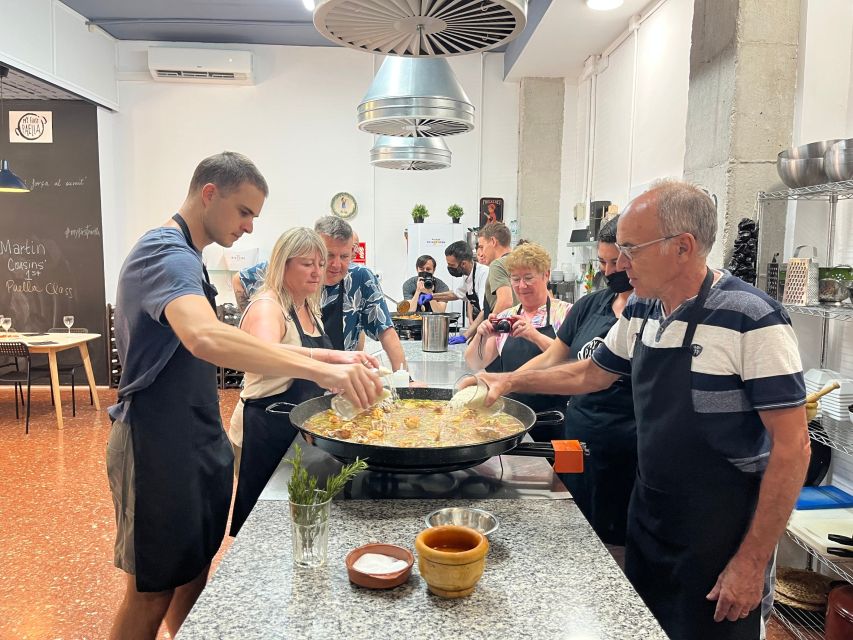
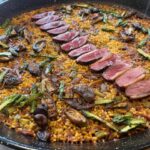
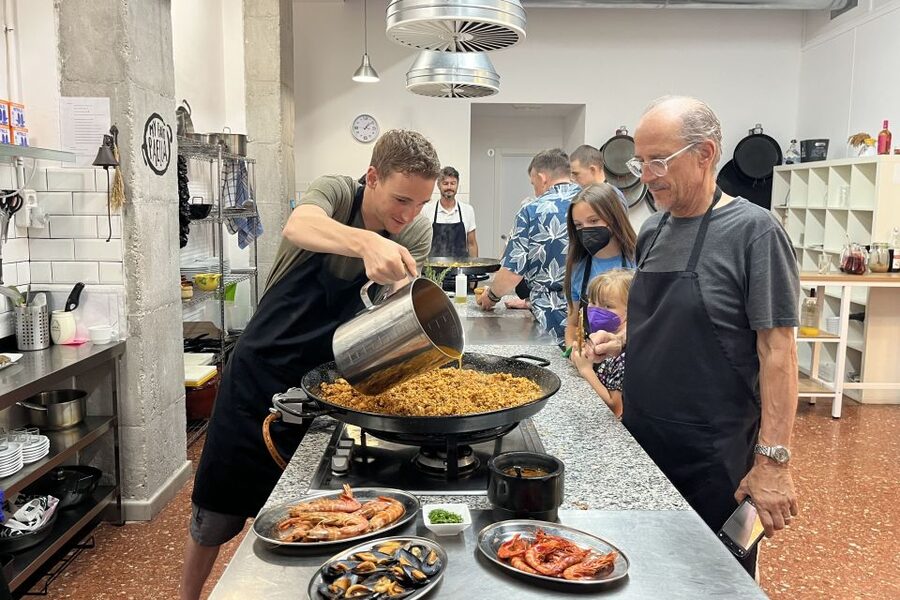
Now for the main event: paella, cooked hands-on with local instruction. You’ll either make a classic Valencian meat and vegetable paella or a seafood paella with its traditional base. The key point is you choose one style—people aren’t mixing both in the same pan.
Chefs guide you through the process step by step, including what matters most:
- Rice choice: you’ll hear why the class uses J.Sendra rice (and why paella isn’t the same as any other rice dish).
- Saffron balance: you learn what “too much” looks like—important because saffron can tip from aromatic to overpowering fast.
- Sofrito base: for seafood paella, you work with the traditional salmorreta sofrito, the flavor foundation that makes the final dish taste like Valencia and not just like seafood over rice.
This is where the class earns its reputation. It’s not vague. You get specific guidance, and you see how one change affects the pan. Even if you’ve cooked before, the chef’s corrections will help you understand paella as a method, not a recipe.
Mastering the Socarrat: Getting That Crispy Gold Layer
If paella is a performance, the socarrat is the finale. Valencians treat that crispy rice layer at the bottom as the best part, and this class makes it a learning target—not a lucky accident.
You’ll get guidance on how to build toward the crust: timing, heat management, and when to stop fiddling. The staff talk about the golden moment when the rice reaches that crisp texture without burning into bitterness.
What I like about how they teach this is that it’s not all theory. The chef watches what you’re doing and adjusts your technique. You’re learning a skill you can reuse later at home, like knowing when to let the pan do its job instead of constantly stirring.
It also changes how you eat. When you understand socarrat, you don’t treat it like a bonus. You hunt for it with intent.
Eating Together: Salad, Coca de Llanda, Coffee, Mistela
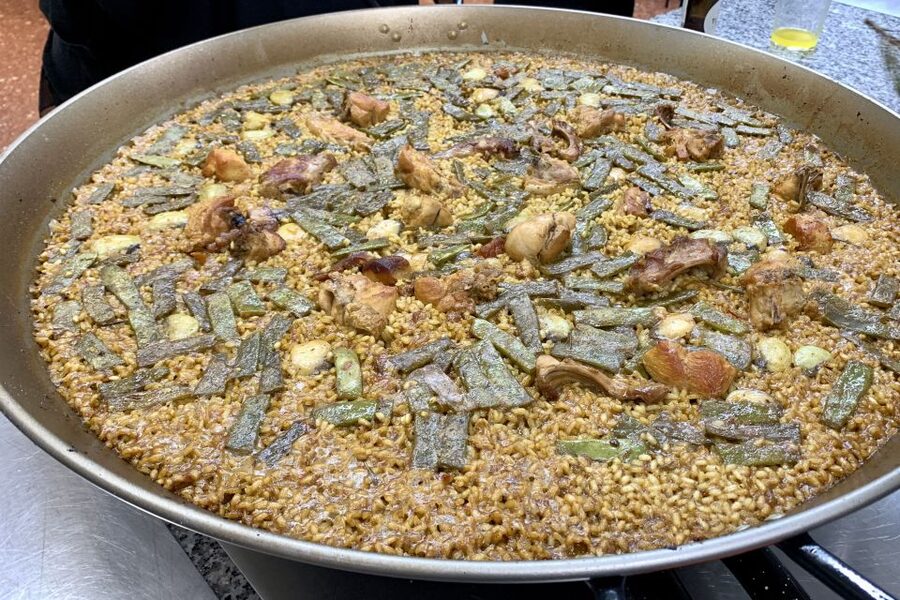
Once the paella is ready, everyone sits down to eat—one shared table meal, not a take-away situation. The meal is designed to complete the paella experience with local sides and desserts that match Valencia’s rhythm.
You’ll have Valencian tomato salad, plus seasonal fruit. Dessert is coca de llanda, the sponge-style cake that’s traditional here, followed by coffee. To finish like locals, you get a shot of mistela.
And yes, you eat what you made. That matters more than people think. Cooking classes that never quite let you taste the result can feel like a demo. Here, the whole point is that you build a meal together and then enjoy it as a group.
The flavors land in a way that makes sense: fresh acidity with tomato salad, sweetness after, and the coffee + mistela finish that rounds out the evening.
Price and Value: Why $77 Can Make Sense
$77 per person sounds like a lot until you count what’s included in a typical Valencia food day.
Here, the price covers:
- the market visit with a guide
- a chef-led hands-on paella workshop
- all ingredients
- multiple rounds of tapas
- bottomless sangria, plus beer and DO Valencia wine
- dessert, coffee, and mistela
So you’re not just paying for cooking instruction. You’re paying for the full meal experience: ingredients + skilled teaching + drinks + the final table dinner. For many visitors, that stacks up better than budgeting separately for market access, a guided activity, and a full sit-down meal with drinks.
The other value lever is skill transfer. You take home a recipe you’ll actually use. That turns the class into something you benefit from after you leave Valencia—especially because paella basics (rice, saffron, socarrat timing) are the hardest parts to get right on your own.
Who This Class Fits Best (and Who Might Want Another Option)
This experience is a great match if you:
- want a hands-on food activity, not a lecture
- love the idea of learning Valencian technique (especially socarrat)
- want a real neighborhood start with Ruzafa energy
- don’t mind that the class includes lots of sangria and wine
It may be less ideal if you:
- prefer a very low-drink environment (the drinks are part of the program)
- want a super quiet, slow, private cooking session (this is social and group-paced)
For families, it can work well because the class includes everyone in the process and keeps the vibe welcoming. Just keep in mind that the adults’ drink flow is a central part of the experience.
Should You Book This Paella Class?
If you want the best kind of Valencia souvenir—one you can cook again at home—this is an easy yes. The combination of Ruzafa Market, hands-on paella instruction, and focused socarrat coaching makes it feel both authentic and practical. You’re leaving with a recipe, a new understanding of paella method, and a meal you helped create.
Book it especially if your schedule allows only one “food experience” in Valencia. This one hits the ingredient story and the technique story, then feeds you like a local would after the work is done.
FAQ
What’s the meeting point?
Meet your guide at the door of the Church of San Valero.
How long is the Real Paella Cooking Class?
The class runs for 3.5 hours.
Is the class hands-on?
Yes. You cook paella hands-on with guidance from the chefs, and you learn techniques like achieving socarrat.
Do I get to choose between meat paella and seafood paella?
You’ll cook either a meat and vegetable paella or a seafood paella with its traditional base, depending on the paella option for your session.
What languages are available?
The class is offered in English.
What’s included in the price?
Included are the paella workshop and chef, the guided visit to Ruzafa Market, tapas, bottomless sangria, beer, wine, dessert (including coca de llanda), coffee, and a mistela shot. Ingredients for the workshop are also included.
Is the tour refundable if plans change?
Yes. Free cancellation is available up to 24 hours in advance for a full refund.