REVIEW · GALLE
Galle Unawatuna Cooking Class
Book on Viator →Operated by Galle Unawatuna Traditional Cooking Class · Bookable on Viator
Cooking here turns up your spice IQ fast. This Galle Unawatuna class is built around traditional Sri Lankan curries and old-school methods, with you learning as you cook, not just watching.
I love two things most: the small group size (max 10, so you actually get help) and the friendly teaching from Madha and her home setup, where the day feels personal and organized.
One possible drawback: you’ll be in a working kitchen for hours, so the smells and heat are part of the deal. If you’re sensitive to strong aromas, plan accordingly.
In This Review
- Key highlights you’ll care about
- Traditional Sri Lankan Curries in Galle That Feel Real, Not Performative
- Price and What You Actually Get for $30
- Pickup, Mobile Ticket, and a Smooth Start
- The Market-and-Spice Stage: Where Curry Flavor Starts
- Inside Madha’s Home Kitchen: How the Traditional Cooking Works
- The Dishes You’ll Learn: Curries, Rice, and Sweets (Plus Seafood)
- Lunch and Dinner: The Best Part Is Eating What You Cook
- Who This Cooking Class Is For (and Who Should Think Twice)
- Practical Tips Before You Go (So You Enjoy the Whole Day)
- The Right Way to Get Value From a Sri Lankan Cooking Class
- Should You Book the Galle Unawatuna Cooking Class?
- FAQ
- How much does the Galle Unawatuna Cooking Class cost?
- How long is the cooking class?
- What meals are included?
- Is pickup offered?
- How many people are in the group?
- What happens after I book?
- What is the cancellation policy?
- Are service animals allowed?
Key highlights you’ll care about
- Max 10 travelers means more hands-on coaching and less waiting around
- Madha’s traditional home-kitchen teaching keeps it authentic and practical
- Market to spices to stove so you understand ingredients before you cook
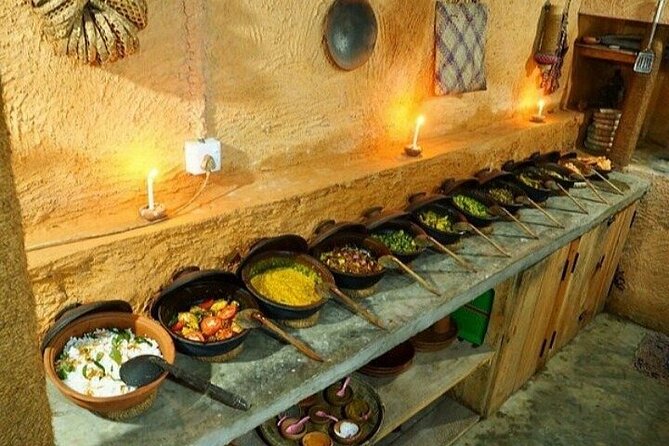
- Six curries plus a seafood dish gives you variety, not the same plate twice
- Lunch and dinner included so you get to taste what you just made
- Mobile ticket and confirmation at booking makes it easy to plan your day
Traditional Sri Lankan Curries in Galle That Feel Real, Not Performative
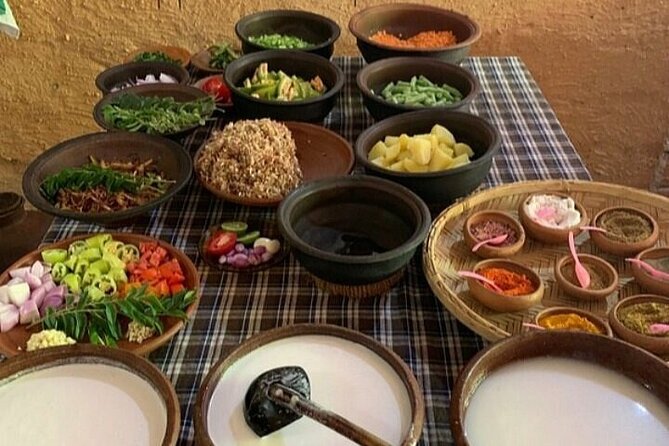
If your Sri Lanka trip plan includes food, this is the kind of activity that helps you understand what you’re eating back home. The focus here is Sri Lankan healthy curries, cooked the traditional way, and taught in a format that mixes demonstration with learning-by-doing.
This class also has a smart “value per hour” setup. You’re paying around $30 for about 3 hours 30 minutes, and lunch plus dinner are included. For many people, that means you’re not just paying for a class—you’re also funding a full meal experience that you get to recreate later.
I also like the small-group feel. With a maximum of 10 travelers, you’re less likely to get lost in the crowd, and it’s easier to ask questions when you’re dealing with spices and timing. That matters because curry cooking is more about balance and technique than memorizing a recipe.
The only watch-out is that this is an active cooking class. You’ll smell like spices by the end, and the focus is on cooking multiple dishes, including spicy items and seafood.
You can also read our reviews of more tours and experiences in Galle.
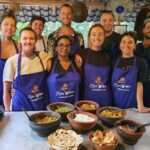
Price and What You Actually Get for $30
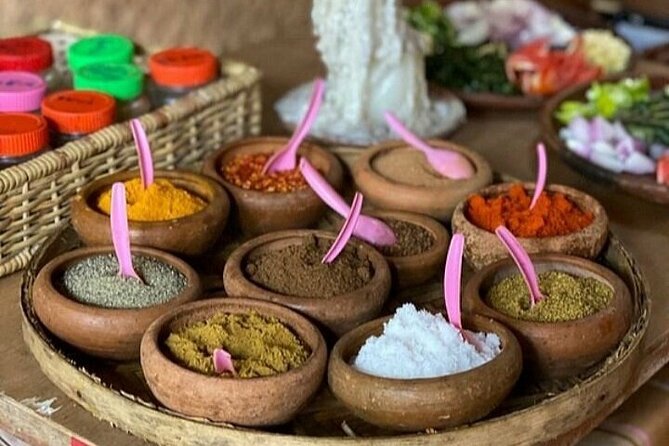
At $30, the biggest question is whether this is mostly a demo or whether you truly get to cook. The class description and the way it’s run point to the second option: you learn to make several dishes with local chefs, including curries and sweets, plus rice.
You also get lunch and dinner included. That’s a big part of the value. If you’re comparing it to eating in restaurants during your trip, you’d likely spend a similar amount (or more) for meals alone. Here, the meals come with context: you learn what’s inside the dishes and how Sri Lankan curry flavors are built.
The duration also feels right for this format. 3 hours 30 minutes gives enough time to go from ingredients to cooking to eating without dragging on into a long half-day tour.
One more value factor: pickup is offered (not guaranteed as “every guest at every address,” but it’s part of the experience options). If your hotel is close enough, pickup can save you the hassle of figuring out local transport for a home-kitchen activity.
Pickup, Mobile Ticket, and a Smooth Start
Your day can start with pickup offered from your location, then you head out for the ingredient portion of the class. You’ll also get a mobile ticket, and you receive confirmation at the time of booking, which helps reduce uncertainty.
The activity is described as near public transportation, which is useful if you end up self-arranging your route. It gives you a fallback if pickup details are limited for your area.
This matters because cooking classes in Sri Lanka are often best enjoyed when you’re not rushing. When you start calmly, you can pay attention during the spice-and-ingredient part of the program. And that’s where you learn how to think like a cook, not just copy a dish.
The Market-and-Spice Stage: Where Curry Flavor Starts
A big chunk of learning happens before anyone touches a pot. The experience includes time at a market where you’re introduced to fruits, vegetables, and spices—basically the building blocks of Sri Lankan cooking.
For curry lovers, this is more than shopping. You get to connect ingredients to flavor and function. You also learn that Sri Lankan cuisine isn’t just “spicy.” It’s about layering: how aromatics set the base, how curries get body, and how different proteins (vegetables, fish, meat) fit into the same flavor universe.
One practical win: when you understand the ingredient lineup, you can shop more confidently later in Galle or Unawatuna. Even if you don’t cook at home, you’ll be better at recognizing what’s going on in the dishes you order.
Also, don’t underestimate the sensory part. Markets mean bright produce, strong spice smells, and lots of color. If you’re the kind of traveler who likes to look, ask, and learn, this part is usually where the day becomes memorable.
Inside Madha’s Home Kitchen: How the Traditional Cooking Works
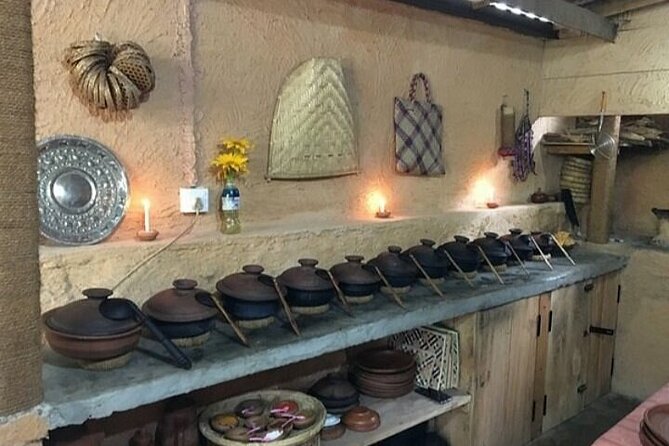
The cooking class is held at Madha’s home, which is a huge part of why it feels authentic. Instead of a rented classroom kitchen, you get a real household cooking space and, as some people report, you may even meet family members during the experience.
That setting changes the vibe. It’s friendlier, more flexible, and it supports the goal of teaching traditional methods. You’ll be guided by local chefs through the cooking process—spending time on preparation and cooking, then eating what you make.
The teaching approach is built around a traditional demo style focused on Sri Lankan healthy curries. The class includes six different curries, and you’ll also work on related items like rice and sweets.
In a home-kitchen setting, expect things to feel hands-on and practical. You might get tips that don’t come from a cookbook: how to adjust spice intensity, how to approach ingredient prep, and how to judge when a curry is ready.
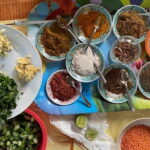
The Dishes You’ll Learn: Curries, Rice, and Sweets (Plus Seafood)
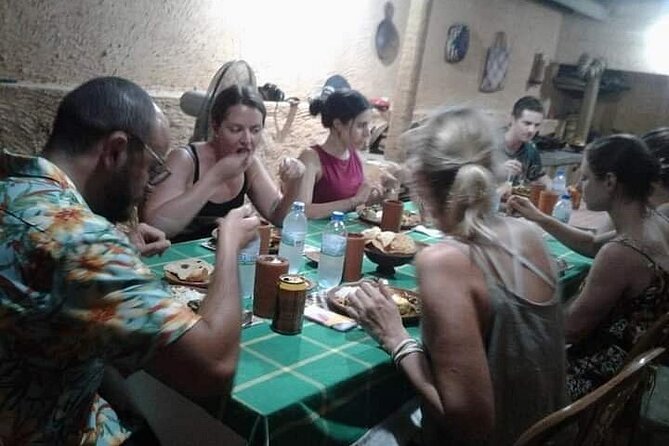
This is not a single-dish workshop. You’re learning a sequence that leads to a table full of food. The program centers on curries—six different curries, including a seafood dish—so you get a strong sense of how Sri Lankan curry flavor adapts across proteins.
From the description, you can expect to learn how to make:
- spicy sweets
- rice
- curry with vegetables
- curry with fish
- curry with meat
- additional popular food varieties and sweets
And yes, there’s real variety. The “healthy curries” angle doesn’t mean bland food—it means these dishes are meant to be flavorful while using familiar local ingredients and methods.
One detail that stands out from the experience feedback is that people have made a large number of dishes (some reports mention 13 dishes). That’s a sign that the class isn’t tiny in scope, even though it’s only about 3.5 hours.
If you’re curious about seafood curry in Sri Lanka, you’re covered. The class includes a seafood dish, which is often harder to understand until you see how the ingredients come together and how the curry base is applied.
Lunch and Dinner: The Best Part Is Eating What You Cook
This experience includes lunch and dinner, which turns the class into a full food arc instead of a stop-and-go cooking lesson.
You’re not only learning. You’re also tasting your results as part of the program. That’s huge for learning because it helps you notice what you got right (texture, thickness, spice level) and what you might tweak next time.
It also makes the day more budget-friendly. Even if you were only curious about curries, paying for two meals included plus cooking time is a strong deal at this price.
If you’re a planner, this also reduces decision fatigue. After the class, you don’t need to hunt for dinner plans or estimate how hungry you’ll be. The schedule already includes the eating portion.
Who This Cooking Class Is For (and Who Should Think Twice)
This class is a great match if you want:
- real Sri Lankan curries you can recognize in restaurants afterward
- an organized, small-group setting with guidance from local chefs
- a cultural food experience in a home-kitchen environment
- lunch and dinner included
It’s also a smart choice for couples, solo travelers, and friends who want something active that still feels relaxed. With a maximum of 10 travelers, you’re not stuck in a large tour group.
A possible mismatch: if you hate spice smells, or if you’re looking for a calm, mostly observational cooking experience, this may feel a bit intense. The class focuses on cooking multiple dishes, including spicy sweets, so you’ll be surrounded by curry aromas and involved in the process.
Practical Tips Before You Go (So You Enjoy the Whole Day)
A few common-sense prep steps can help:
- Wear comfortable clothes you don’t mind getting kitchen-scented.
- Plan for spice aromas. Even if you don’t touch much, the air will do the job for you.
- If you’re sensitive to heat, tell your instructor early. Curry can range in intensity, and you’ll get better results when adjustments are discussed.
- Eat a light breakfast if you can, since breakfast isn’t included. (Not mandatory, but it can make the later meals more enjoyable.)
If you’re traveling with dietary restrictions, you’ll want to ask about ingredient choices when you book. The description lists a range of curries and sweets, including fish and meat, so not every dish will fit every plan.
The Right Way to Get Value From a Sri Lankan Cooking Class
To get the most out of this type of class, I recommend focusing on a few learning goals rather than trying to memorize everything:
- Pay attention to how the curry base is built.
- Notice how vegetable, fish, and meat versions differ.
- Taste, then think about what you’d adjust: spice level, saltiness, thickness.
- Ask simple questions while you’re cooking, not after you’ve moved on to the next pot.
Because the class includes rice and sweets alongside curries, you get broader context for Sri Lankan meals. It’s easier to understand the cuisine as a whole when sweet and savory both show up at the table.
And since you’re in a small group, you’ll likely get more room to ask those questions. That turns the day from food entertainment into real culinary insight.
Should You Book the Galle Unawatuna Cooking Class?
If you like food that’s hands-on, small-group, and truly Sri Lankan, I’d book it. The reasons are simple: it’s good value at $30 with lunch and dinner included, it’s taught in a traditional home-kitchen setting by Madha, and it covers multiple curries—including a seafood dish—plus rice and sweets.
I’d only hesitate if you want a very formal classroom setup, or if you strongly dislike the smell of spices and curry while cooking. For most people, though, the trade-off is worth it because the result is more than a meal—it’s an understanding you can carry into the rest of your trip.
FAQ
How much does the Galle Unawatuna Cooking Class cost?
The price is $30.
How long is the cooking class?
It lasts about 3 hours 30 minutes.
What meals are included?
Lunch and dinner are included. Breakfast is not included.
Is pickup offered?
Pickup is offered.
How many people are in the group?
The class has a maximum of 10 travelers.
What happens after I book?
Confirmation is received at the time of booking, and you get a mobile ticket.
What is the cancellation policy?
You can cancel for free up to 24 hours in advance for a full refund. If you cancel less than 24 hours before the experience’s start time, you won’t be refunded.
Are service animals allowed?
Yes, service animals are allowed.