REVIEW · BARCELONA
Barcelona: Paella Cooking Class with Market Visit and More
Book on GetYourGuide →Operated by Gastronomic Arts Barcelona · Bookable on GetYourGuide
Paella here starts in a real market. I love how the class begins at La Boqueria with a chef who helps you shop smarter, and I love the hands-on paella method that aims for socarrat, the crispy rice layer.
One possible drawback: if your group has different diets, the class can shift (like moving from seafood to chicken or vegetarian), and that can affect how evenly you share prep stations. Still, the staff asks about dietary needs at the start, so it’s not a guessing game.
This is a tight, 3-hour experience built for people who want more than a meal. You get a market walk, a cooking lesson you can actually repeat later, and a whole spread—sangria, tapas, dessert, and paella—without needing to be a confident cook.
In This Review
- Key takeaways before you book
- Paella starts at La Boqueria, not in a classroom
- The kitchen setup: where you go from ingredients to a real paella pan
- Your paella choice: seafood, chicken, or vegetarian
- The sangria workshop: part skill, part social fuel
- Tapas tasting and dessert: the meal feels like Barcelona, not filler
- What makes the paella lesson click (and what to watch for)
- Group size and participation: why this feels personal
- Location and timing: the easiest way to fit this into your day
- Price and value: is $95 actually fair?
- Who should book this paella class
- Should you book this Barcelona paella class?
- FAQ
- Is the La Boqueria market visit included every day?
- How long is the class?
- What time does the class start?
- What do I cook?
- Can the class accommodate dietary needs?
- Is sangria included?
- Are tapas and dessert included?
- Do I get the recipes to take home?
- Is coffee included?
- What languages are the instructors?
- What if I’m late?
- Is there free cancellation and pay later?
Key takeaways before you book
- La Boqueria shopping first: learn what to pick and why, right at the stalls near Las Ramblas
- You cook, you don’t watch: step-by-step paella prep (so you can replicate it at home)
- Sangria workshop included: fresh fruit + Spanish wine, plus a farewell toast
- Tapas + dessert, not just paella: seasonal bites and a classic Spanish sweet to close
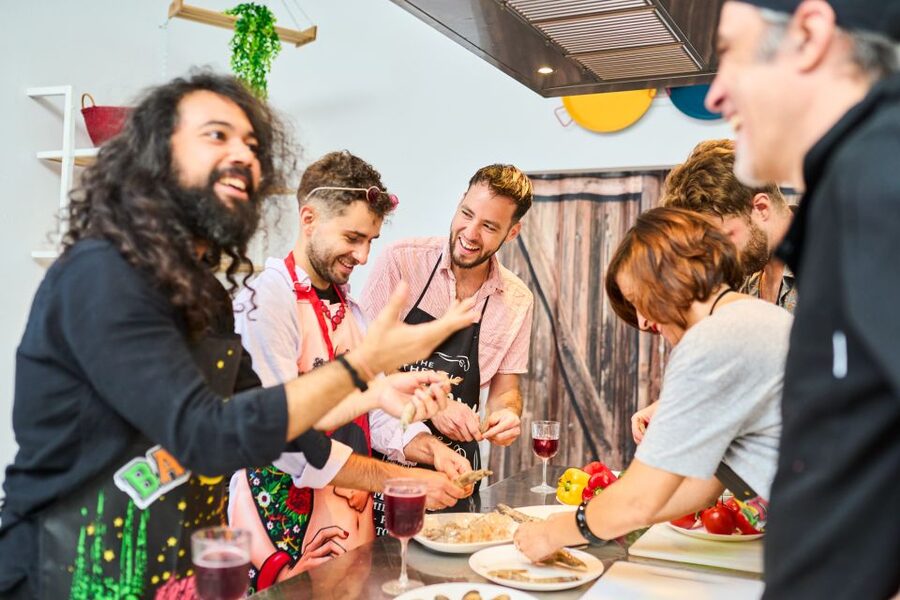
- Small, personal group feel: get involved and learn from chefs like Maria, Hugo, Simon, Yaya, Alberto, and others
- Market timing matters: Sundays, public holidays, and a late 21:00 slot may skip the market visit
Paella starts at La Boqueria, not in a classroom
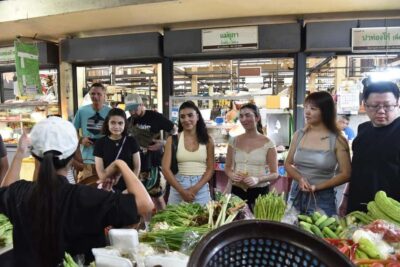
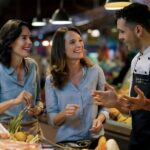
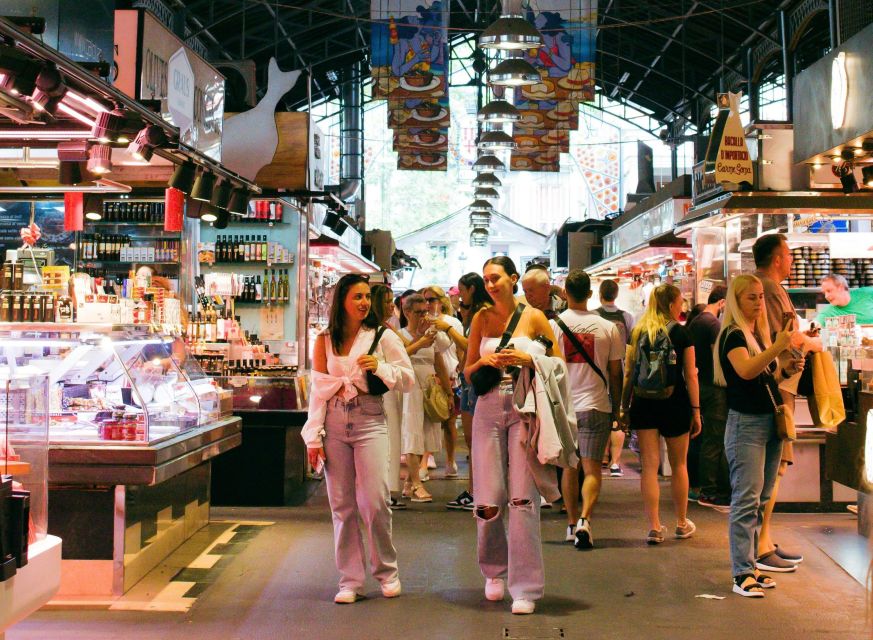
If Barcelona has a food stage, Mercado de la Boqueria is it. This class starts with you walking the market with your chef guide, close to Las Ramblas, and that choice changes everything. Instead of learning paella ingredients in theory, you see the goods first—seafood, vegetables, spices—and you learn how to select what actually matters for flavor.
I especially like that the market part is not treated like a photo stop. You’re guided through buying fresh ingredients, with real explanations on what to look for. In past sessions, chefs like Maria and Hugo have led the market portion and then carried that logic straight into the cooking.
Practical tip: market visits involve light walking. Go in comfortable shoes and be ready for a bit of navigating crowds and stalls. Also, the class asks you to arrive early so you don’t miss key info at the start. If you’re late, you can meet the group at the kitchen about 40 minutes after the class starts.
You can also read our reviews of more tours and experiences in Barcelona.
The kitchen setup: where you go from ingredients to a real paella pan
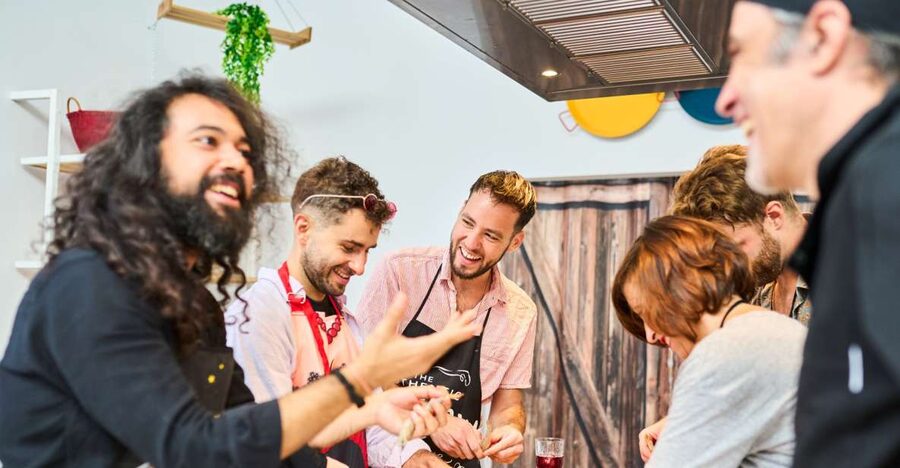
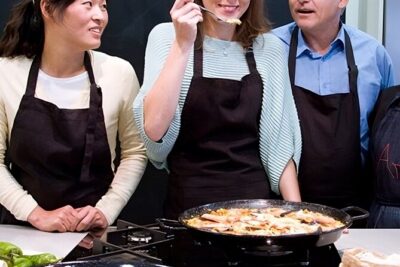
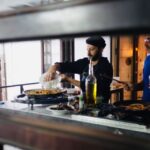
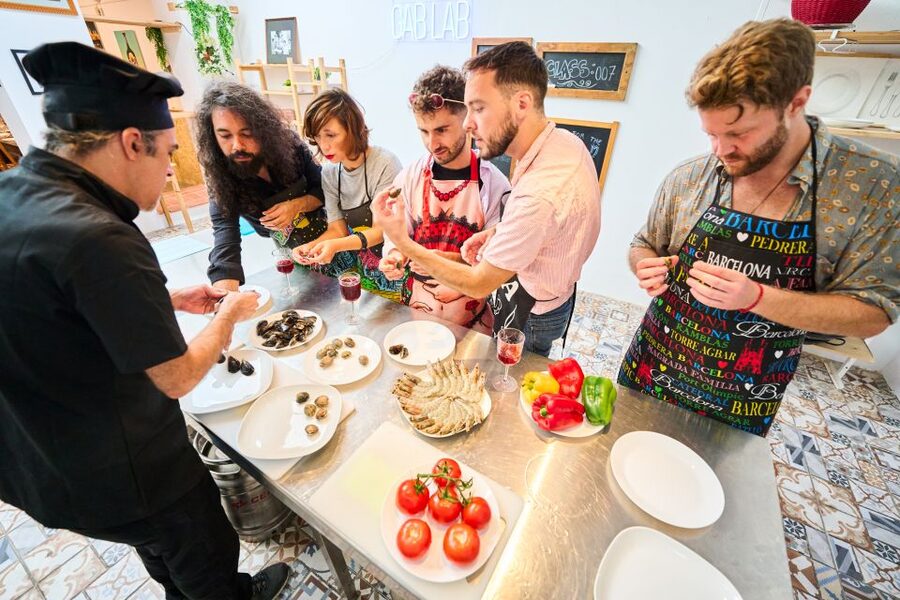
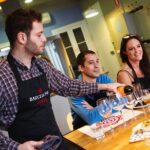
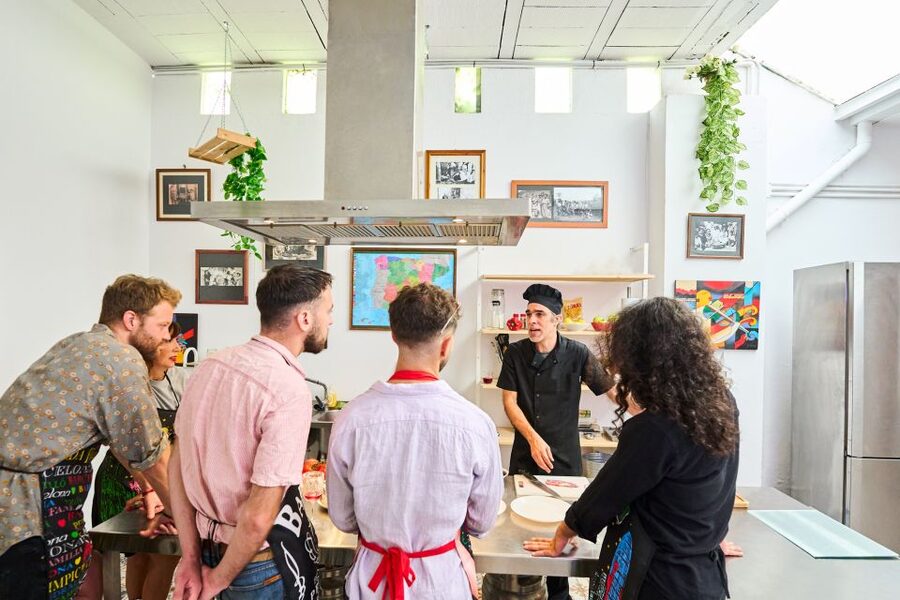
After shopping, you head to a nearby kitchen—just a short trip—where the vibe shifts from market energy to cooking mode. You put on an apron, get set up, and usually start with your drink moment right away (more on that in a second).
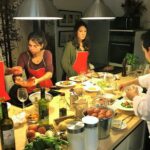
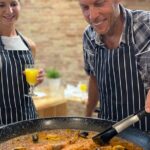
This is the part that makes the experience feel worth it. The class is designed to be interactive. Instead of a chef talking at you, you’re working. Many people like this because it’s simple enough for beginners, but structured enough that even experienced cooks leave with new details.
The paella lesson follows a classic logic:
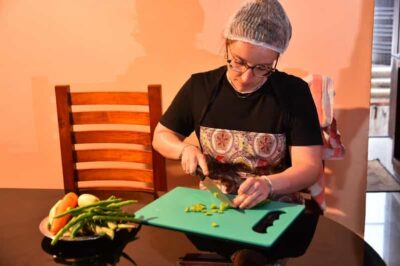
- you prep ingredients with guidance
- you build the base flavor (including sofrito techniques)
- you cook the rice in a way that targets texture
- you learn what leads to that crisp socarrat layer
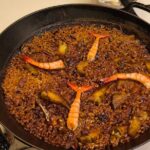
And yes, you’ll be making real paella—not just assembling a plate that someone else cooked.
Your paella choice: seafood, chicken, or vegetarian
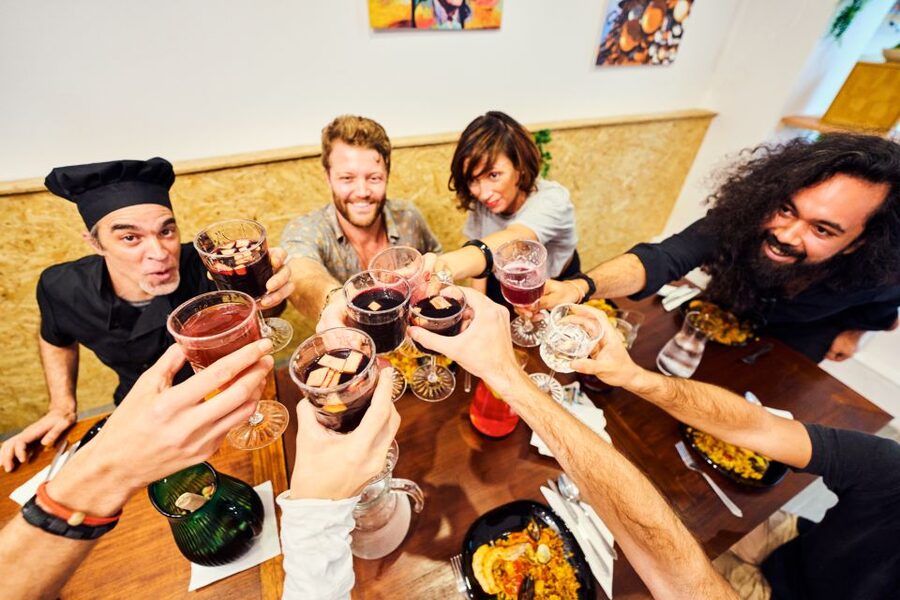
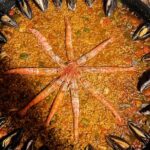
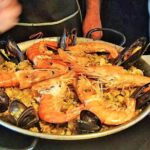
The class is built around the traditional paella format, and the menu line-up is flexible: you can prepare seafood, chicken, or vegetarian paella depending on the session and dietary needs. The chefs ask about dietary requirements at the beginning, so you’re not stuck with a one-size-fits-all plan.
This flexibility is a strong value point. Several people noted they were able to make a chicken paella when seafood wasn’t their thing. That’s helpful because paella isn’t only about seafood. The method and flavor structure still make sense with different proteins.
One note to consider: a small number of experiences mention that when a non-seafood diet is involved, group setup can feel a bit uneven—like someone ending up at a separate station. I can’t guarantee how your group will be arranged, but it’s smart to show up early, speak up during the dietary check-in, and ask your chef how they’ll manage your station and portion of the process.
The sangria workshop: part skill, part social fuel
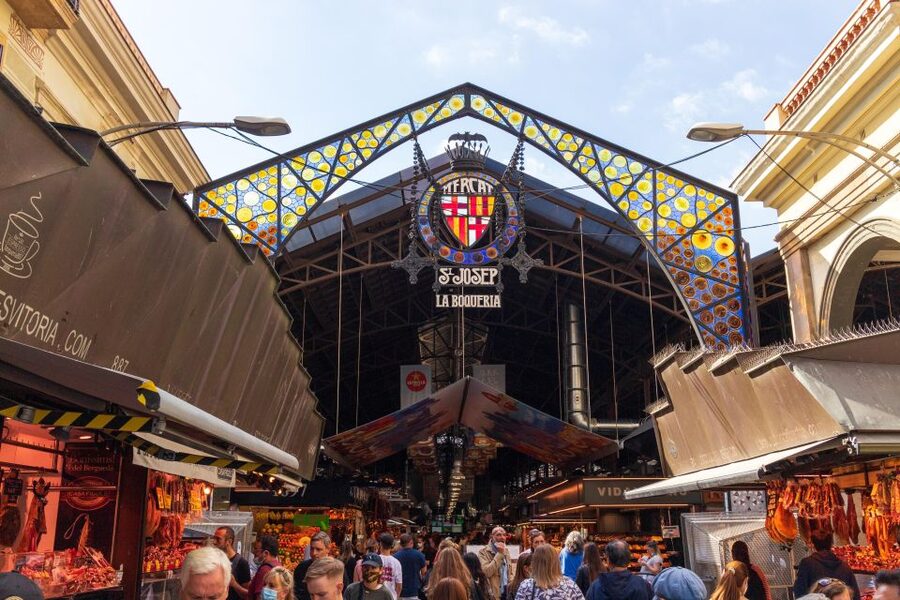
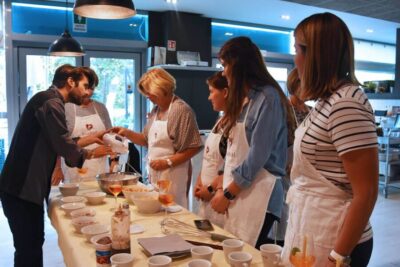
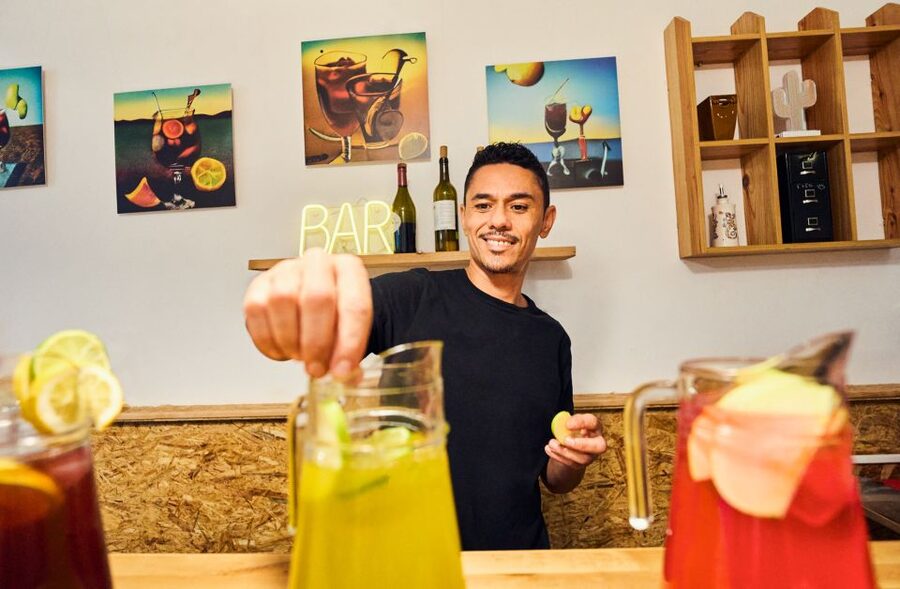
Paella teaches you technique, but sangria teaches you momentum. You’ll mix your own sangria using fresh local fruit and Spanish wine, then sip and toast as part of the flow of the class.
A few practical things I like about this:
- You’re not just drinking while watching someone else work. You’re doing a step with guidance.
- Non-alcoholic sangria is provided, along with bottled water and juice, so you’re not forced into alcohol to join the fun.
- The farewell toast is included, which gives the whole 3 hours a proper ending rhythm—not a random “okay, done.”
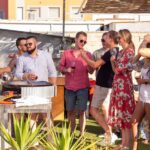
Also, some classes can feel more like a dinner party than a cooking demo. The group-cooking format tends to bring people together fast.
Tapas tasting and dessert: the meal feels like Barcelona, not filler
Your paella meal is family-style, and it’s paired with a selection of seasonal tapas. This matters because it frames paella as part of Spanish eating culture, not a standalone “special event” dish.
In addition, you’ll end with dessert. The experience description calls out sweet closing, and the real-world menu has included classics like an almond cake in some sessions. There’s also a dessert show-cooking component, which adds that last bit of theatre without turning the class into a stage show.
What makes the paella lesson click (and what to watch for)
Paella is famous for being simple-looking and hard-to-get-right. The good news: this class focuses on the steps that actually make the difference.
Here are the key skills you’re likely to learn while you’re cooking:
- Sofrito flavor building: why it’s the base and not just “chopped stuff in a pan”
- Rice cooking control: how timing and heat affect texture
- Socarrat targets: how to create that crispy bottom layer without burning
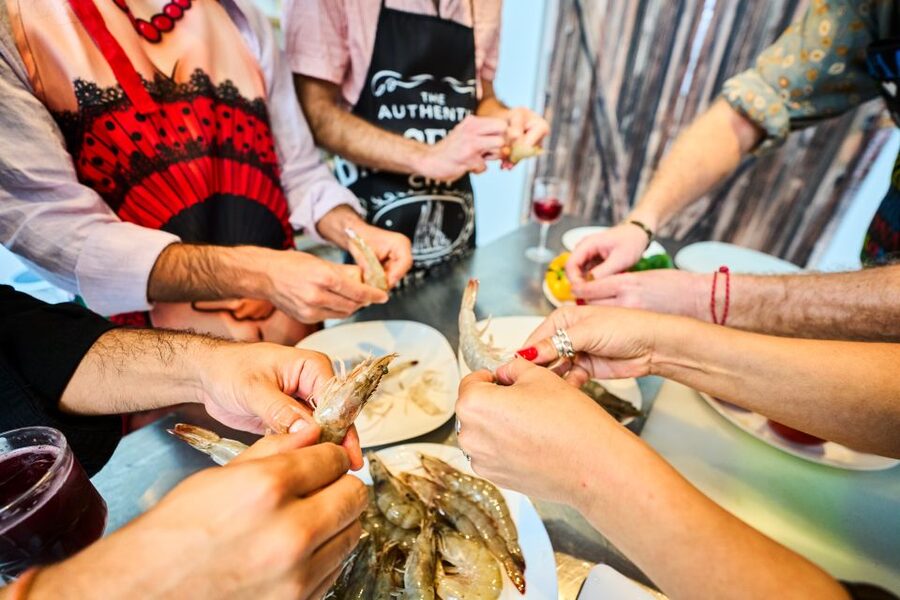
- Seafood prep logic: if you’re doing seafood paella, the chefs guide you through handling ingredients
People have pointed out that the seafood instruction can be hands-on and even includes small practical details, like prep steps you’d never figure out from a recipe alone. That’s one reason these classes are better value than a generic cooking booklet.
And you’ll take recipes home by email, so you’re not left guessing what you did when you get back to your kitchen.
Group size and participation: why this feels personal
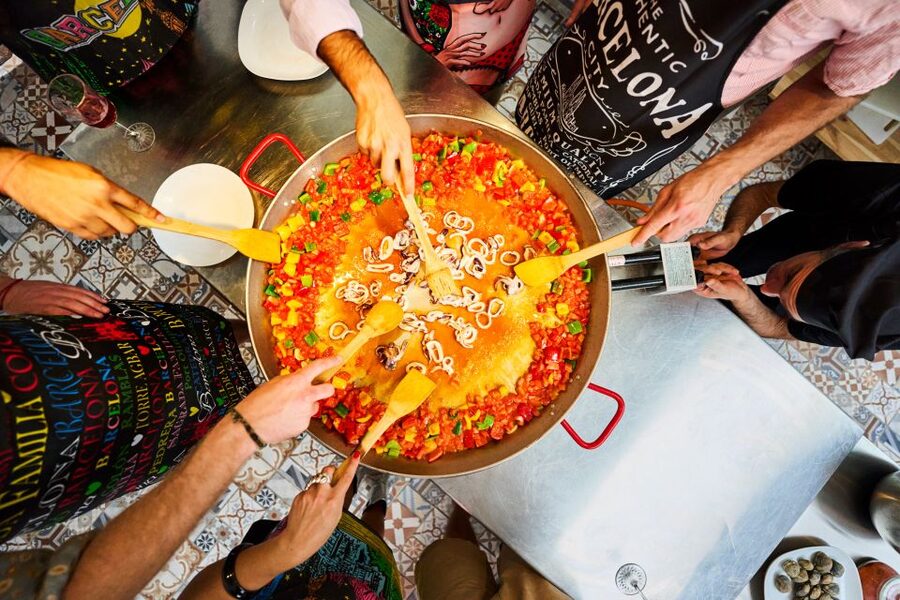
One of the most common reasons for the high ratings is the fact that everyone stays involved. Small-group format means you’re more likely to chop, mix, assemble, and cook rather than hover.
That personal feel can be great for:
- couples on a short city trip
- families (including older kids and teens, who tend to enjoy the hands-on pacing)
- solo travelers who want easy conversation without awkward icebreakers
Some people specifically mentioned chefs working hard to make sure everyone had a role. It’s also common to hear that instructors are friendly and keep the energy up while teaching.
Location and timing: the easiest way to fit this into your day
The class is centrally located, minutes from the market area, and it runs about 2.5 to 3 hours. Starting times are listed at 10:00, 11:00, 14:00, 18:00, and 19:00, every day.
If you want the least-stress plan, pick the time that matches your eating rhythm:
- 10:00 or 11:00 works nicely if you want paella as your main lunch or early late lunch plan.
- 14:00 is a solid mid-afternoon option.
- 18:00 or 19:00 is good if you’d rather keep evenings free for walking and tapas afterward.
One more timing detail: the market visit is not included on Sundays, public holidays, and during the 21:00 class. On those days, the experience still happens, but the market walk isn’t part of it—so plan accordingly if La Boqueria is your main draw.
Price and value: is $95 actually fair?
At $95 per person for 3 hours, this sits in the mid-range for a food experience in Barcelona. The real question is what you get for the money, and here the value stacks up.
You’re paying for more than cooking:
- Market visit with ingredient guidance (except the days it’s excluded)
- Hands-on paella instruction (not a demo)
- Sangria-making workshop
- Seasonal tapas
- Dessert show-cooking plus dessert to eat
- All ingredients and cooking tools
- Recipes emailed so you can recreate it later
- Non-alcoholic options plus water/juice
If you’ve ever paid for a tour that ends with one tiny tasting plate, this feels different. The class functions like an actual meal plus a skill lesson. For many people, that combo is the sweet spot: you go home with food memories and a real method you can repeat.
Still, your personal value call depends on what you want:
- If you love seafood and want market-to-pan instruction, you’ll likely feel the price is a steal.
- If you don’t eat seafood, the class can still work (chicken or vegetarian paella), but your enjoyment may hinge on how your specific diet is handled at the prep stations.
Who should book this paella class
You’ll likely love it if you:
- want a hands-on cooking class where you actually cook
- like learning ingredient selection at a real market
- want sangria + tapas + dessert as part of the meal
- want something fun for mixed skill levels, from beginner to more serious cook
- travel with friends or family and want shared activity time that doesn’t feel stiff
You might think twice if:
- your group has multiple dietary needs and you’re worried about fair participation at prep stations
- you’re booking on a day when La Boqueria isn’t included (like Sundays or public holidays) and you’re specifically after the market walk
Should you book this Barcelona paella class?
If you want paella that’s more than a restaurant memory, I’d book it. The market-first approach, the step-by-step paella method (including socarrat focus), and the fact that you leave with recipes make it a practical Barcelona experience. Add sangria, tapas, and dessert, and you get a full food arc in just 3 hours.
If seafood isn’t your thing, don’t automatically skip—just go in with the mindset that the chef will adjust your paella to your needs. Arrive on time, speak up early during the dietary check-in, and you’ll give yourself the best odds of feeling fully included in the cooking process.
FAQ
Is the La Boqueria market visit included every day?
No. The market visit is not included on Sundays, public holidays, and during the 21:00 class. It’s treated as an integral part of the experience when it is offered.
How long is the class?
The class lasts about 3 hours (running time is between 2.5 to 3 hours).
What time does the class start?
Starting times are 10:00, 11:00, 14:00, 18:00, and 19:00.
What do I cook?
You’ll learn to prepare traditional paella with options that can include seafood, chicken, or vegetarian paella, with step-by-step guidance.
Can the class accommodate dietary needs?
Yes. The chef asks about dietary needs at the beginning of the session. There’s no need to contact them in advance based on the info provided.
Is sangria included?
Yes. You’ll do a sangria-making workshop, and non-alcoholic sangria is included as well as bottled water and juice.
Are tapas and dessert included?
Yes. You’ll have a selection of seasonal tapas and finish with dessert, including dessert show-cooking.
Do I get the recipes to take home?
Yes. Recipes and tips are provided by email so you can recreate the paella later.
Is coffee included?
No. Coffee isn’t included.
What languages are the instructors?
The instruction is offered in English and Spanish.
What if I’m late?
If you’re late, you can meet the group at the kitchen about 40 minutes after the class starts, or wait at the kitchen (there’s guidance to use a doorbell above the mailbox).
Is there free cancellation and pay later?
Yes. Free cancellation is available up to 24 hours in advance for a full refund, and there’s a reserve now & pay later option (book now and pay nothing today).