REVIEW · CHIANG MAI
Chiang Mai: Cooking Class, Market and Thai Herbs Garden Tour
Book on GetYourGuide →Operated by Thai Cottage Home Cookery School · Bookable on GetYourGuide
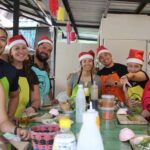
Your curry starts with a mortar and pestle. This Chiang Mai cooking class pairs a local market hunt with a hands-on session where you make everything from scratch, then eat it in the organic kitchen garden. I love that you get both the shopping context (why each ingredient matters) and the real cooking practice, including pounding curry paste. One heads-up: pickup runs on a set window and can be affected by traffic, and drinks aren’t included.
I also like how flexible the menu options are. You can steer the heat level, and the school says vegan, vegetarian, gluten-free, halal, and allergy needs are welcome with alternative ingredients ready. Guides also get real points for keeping things fun and not stiff, with instructors like Balloon, Toy, Flook, Wave, and Toey showing up in the guide lineup.
At about $28 and with hotel pickup/drop-off included, this feels like strong value for an experience that fills your stomach and teaches you the method, not just the recipe.
In This Review
- Key highlights you’ll feel right away
- Why this Chiang Mai cooking class feels practical, not performative
- The local market run: herbs, spices, and ingredient logic
- The Thai herbs garden: where your food gets its start
- Hands-on cooking: soups, stir-fries, and the dishes you can actually choose
- Making curry paste from scratch: the signature skill of the day
- Mango sticky rice and garden dining: eating is part of the learning
- Value for about $28: what you truly get
- Timing and pickup: how the 4–4.5 hours usually feel
- Who should book this, and who should skip
- Quick tips so you get the most from the day
- FAQ
- What is the duration of the Chiang Mai cooking class?
- What dishes will I cook and eat?
- Is hotel pickup and drop-off included?
- Can I choose how spicy the food is?
- Do they offer vegetarian, vegan, halal, or gluten-free options?
- Are drinks included?
- Should you book this Chiang Mai Cooking Class with market and herbs garden?
Key highlights you’ll feel right away
- Market shopping with an instructor, so herbs and spices make sense when you cook them
- Curry paste from scratch using a mortar and pestle, with choices like red, green, Panang, Massaman, or Khao Soi
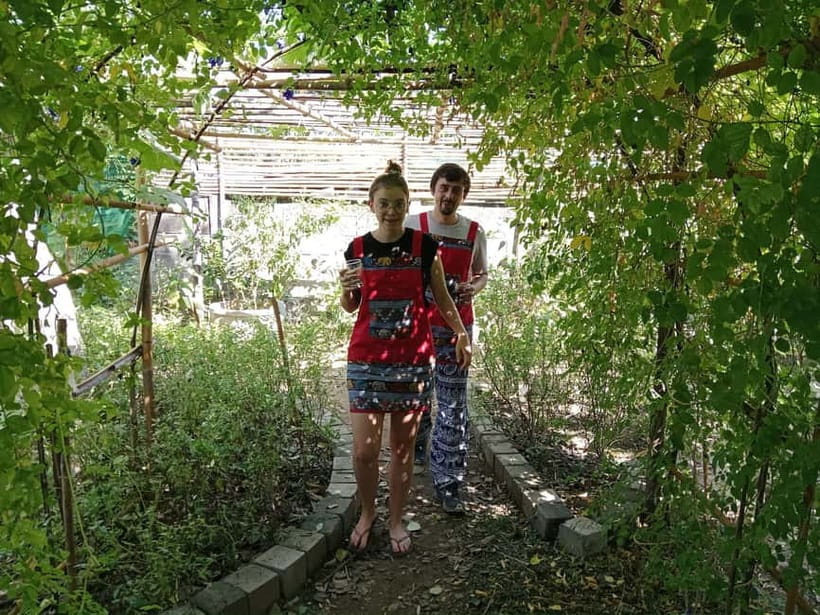
- Hands-on cooking in a family kitchen garden, where your food is grown and cooked in the same day flow
- A lot of food for one session, including soup, mains, curry, and mango sticky rice
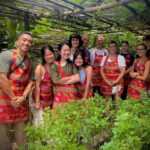
- English-speaking guide who keeps the class light and practical
- PDF recipe book after class, so you’re not stuck guessing at home
Why this Chiang Mai cooking class feels practical, not performative
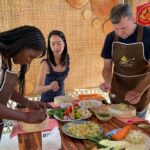
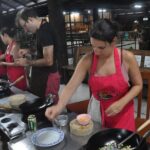
If you’ve taken cooking classes before, you might know the pattern: watch a demo, chop a little, then leave before you really understand the flavors. This one does the opposite. You shop first, then cook, then eat what you made, right there on-site.
The vibe is family-kitchen real. You’re not just following steps—you’re learning what each ingredient is doing in the dish. That matters because Thai cooking is built on balances: sour, salty, sweet, heat, and aroma all at once. When you understand that, you can recreate the food at home without turning every dish into a guessing game.
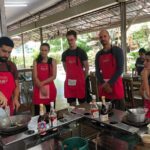
Also, the class is built to keep moving. Even though you’re cooking multiple dishes, the format keeps it organized, and many people comment that the stations stay clean and the team runs smoothly.
You can also read our reviews of more tours and experiences in Chiang Mai.
The local market run: herbs, spices, and ingredient logic
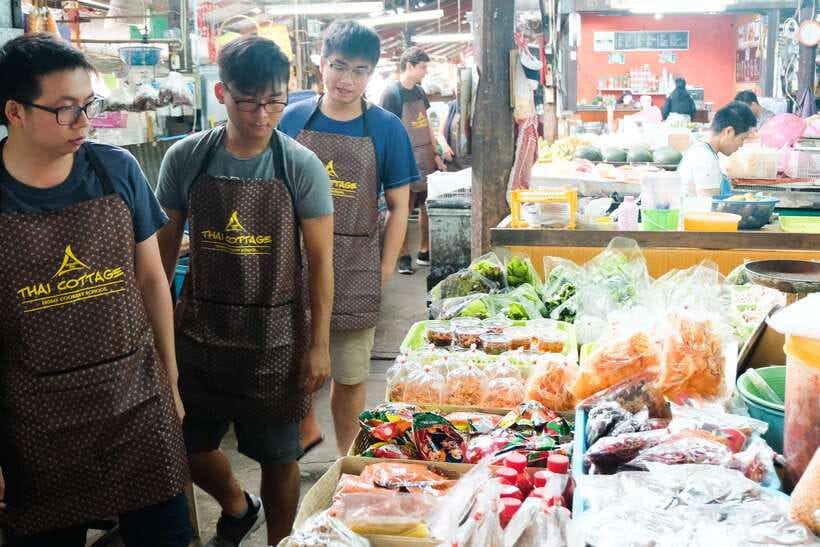
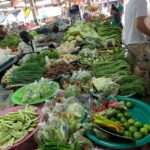
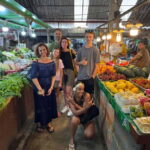
The experience starts with hotel pickup (or a meeting point if your hotel is farther from the pickup area). Then you head to a local market where your instructor helps you pick herbs and key ingredients used in Thai cooking.
This part is more valuable than it sounds. Markets aren’t just shopping; they’re where you see the “why” behind Thai flavors. You’ll handle ingredients that look similar at the grocery store but behave very differently once they’re in soup paste or curry.
In the market, you get time to roam and, in many cases, grab snacks and small souvenirs. That’s one of the nicest ways to break up a tour day—you’re not stuck in a vehicle the whole time, and you get to see how everyday Chiang Mai food happens up close.
One practical tip: come with an open mind about smells. Thai herbs can be intense in the best way. If you think you hate something, try to understand it first, then decide. Your instructor can explain what each ingredient contributes before it hits the pan.
The Thai herbs garden: where your food gets its start
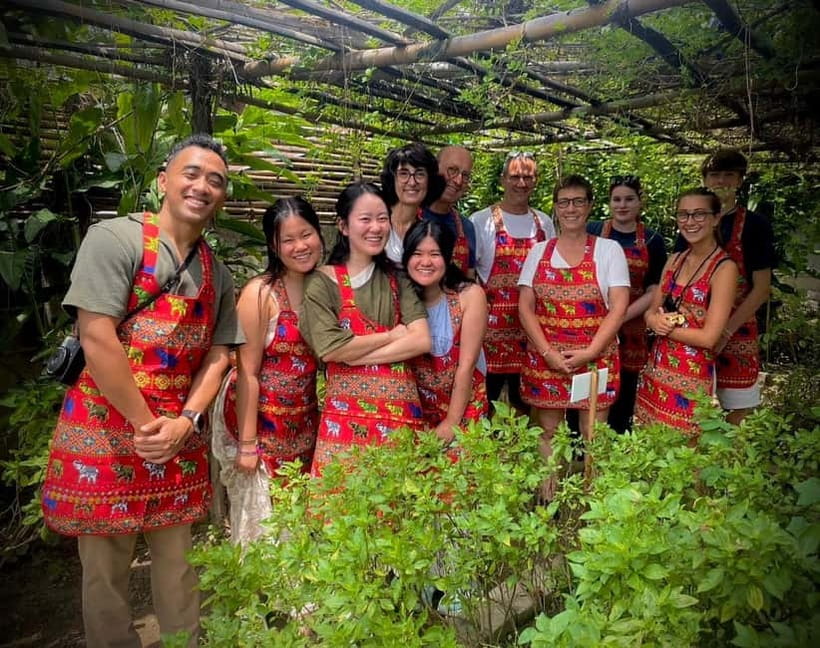
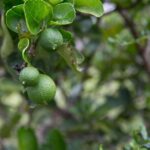
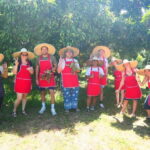
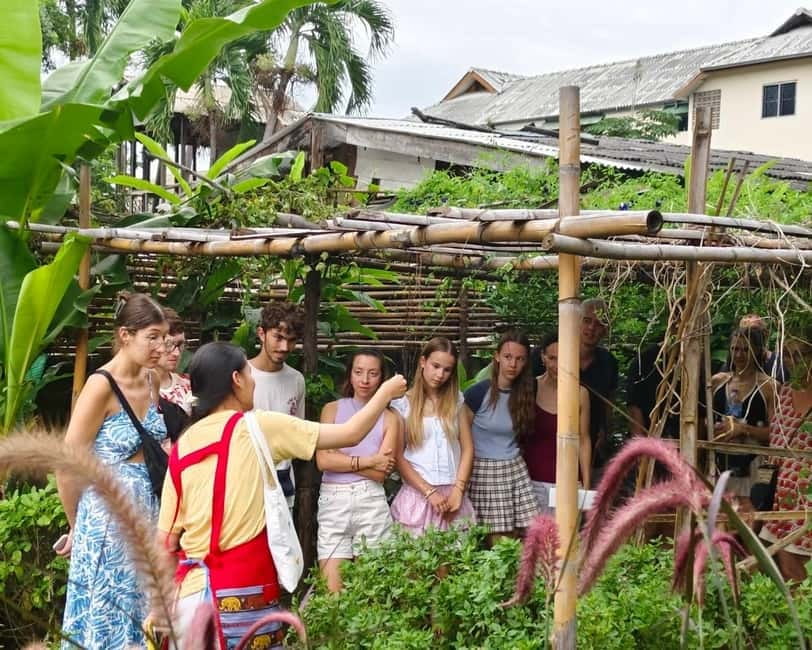
After the market, you drive to the cooking location, where the organic herb garden is part of the experience. Even if you’re not a plant person, you’ll likely appreciate the logic: Thai flavor doesn’t come from one ingredient—it comes from a blend, and herbs are the foundation.
This is also one of those moments where you’ll slow down a bit. You’re not just watching cooking instructions; you’re seeing the environment that supports the ingredients you’ll use. That makes the class feel more grounded and less like a staged food show.
If you’re the type who takes notes and wants to learn what you’re actually eating, the garden portion is a big help. It sets you up to understand why the curry, soups, and stir-fries taste the way they do.
Hands-on cooking: soups, stir-fries, and the dishes you can actually choose
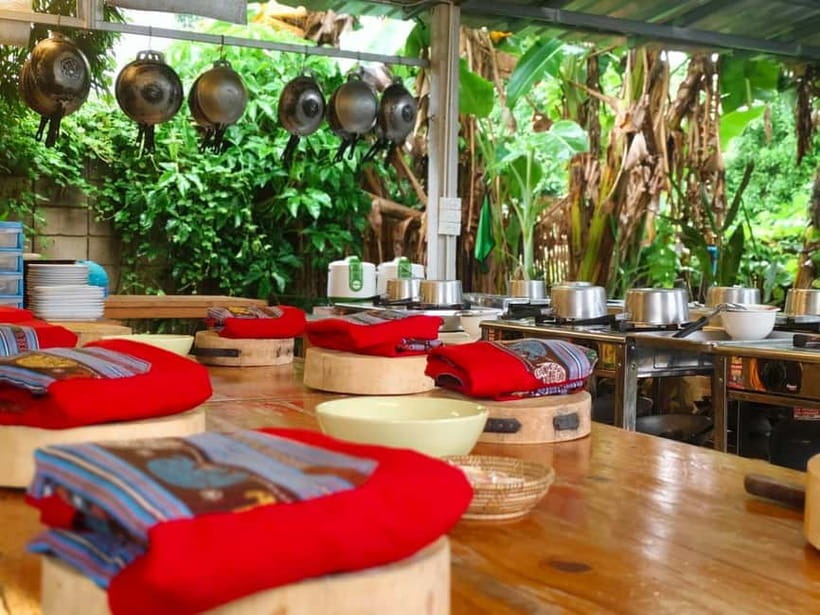
Once class begins, you choose from a variety of dishes across categories. The exact choices available can vary, but these options are specifically mentioned:
Starter options
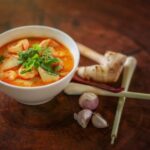
- Hot and sour prawn soup
- Local chicken soup
- Chicken in coconut milk
- Turmeric chicken soup
Main course options
- Pad Thai
- Chicken fried rice
- Fried chicken with cashew nuts
- Pad Kra Pao
You’ll also make sweet sticky rice with mango at the end.
What I like about this setup is that it respects variety. If your group has different tastes, you don’t all end up making the same dish. And because the cooking method matters more than the dish name, you’ll still learn the core Thai technique behind each plate.
Also, don’t underestimate portion sizes. Multiple guides and past participants emphasize that there’s plenty to eat. So yes—you should show up hungry. The class is structured for eating what you cook, not tasting a tiny sample and then calling it a meal.
Making curry paste from scratch: the signature skill of the day
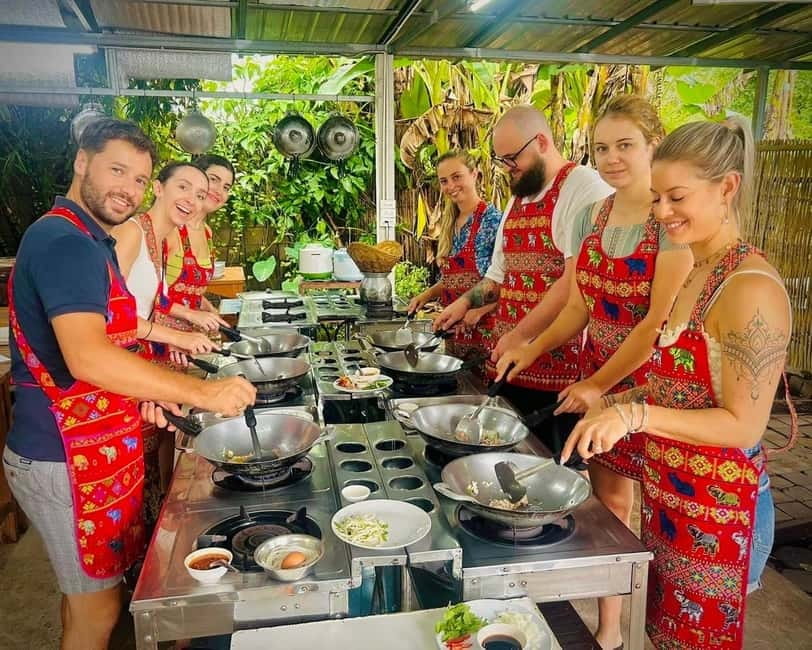
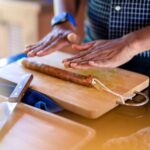
If there’s one moment that defines this cooking class, it’s the curry paste part. You prepare your own curry paste using a mortar and pestle, which is the best way to learn texture and aroma control.
You can choose from paste options like:
- red curry
- green curry
- Panang curry
- Massaman curry
- Khao Soi curry
That choice matters because each curry style carries a different balance of spices and flavor direction. Even if you already know what curry you like, making the paste yourself teaches you what you’re actually tasting.
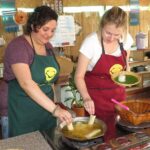
After your paste is ready, you’ll use it to cook a chicken and coconut milk curry. This is where the class clicks for many people: you don’t just follow steps, you watch how paste transforms when it hits heat and coconut milk.
If you’re planning to cook at home later, this is the skill to prioritize. Most recipe books tell you what curry paste should taste like. This experience helps you understand how it gets there.

Mango sticky rice and garden dining: eating is part of the learning
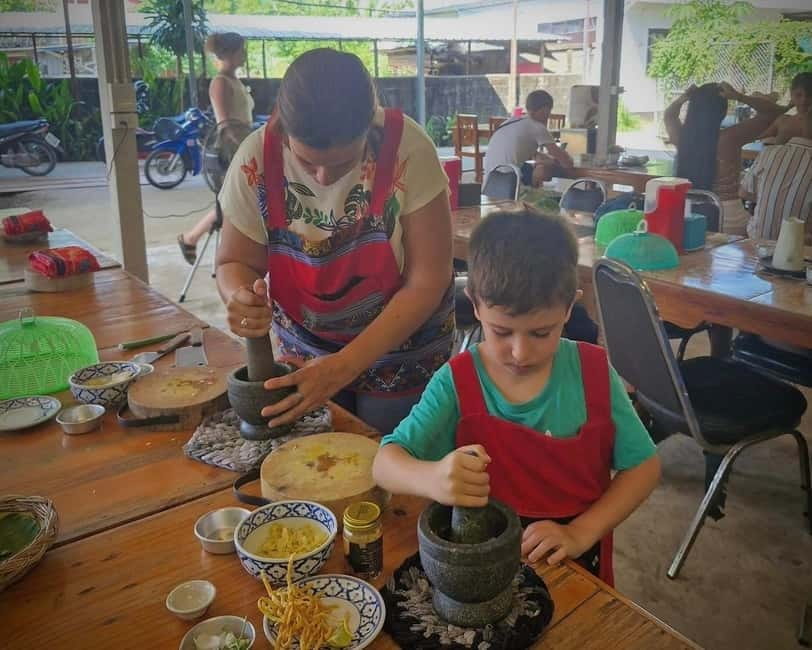
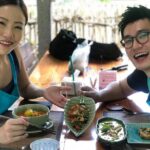
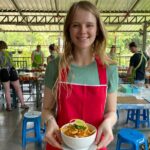
Once cooking is done, you eat in true Thai tradition in the organic kitchen garden. This is a quiet advantage: you’re not racing to finish and then leaving. You get time to eat what you made while it’s still fresh and hot.
The dessert is sweet sticky rice with mango. It’s simple, but it’s also a great closer because it balances the salt, heat, and richness of the meal.
One small planning note: drinks aren’t included. You’ll want to bring cash or be prepared to purchase what you like on-site, depending on the setup that day.
Value for about $28: what you truly get
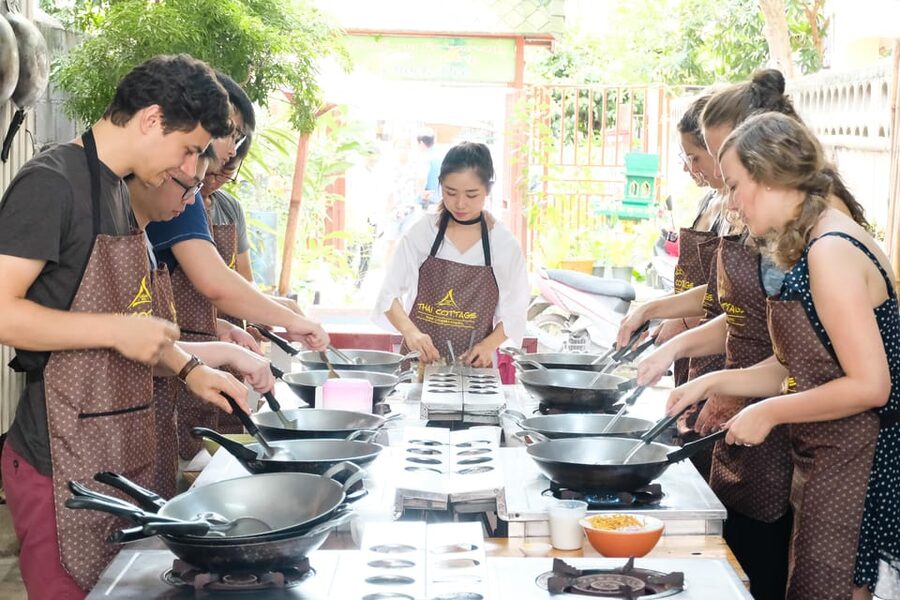
Let’s talk value in a real way. For around $28, you’re paying for a package that includes:
- hotel pickup and drop-off
- a local market visit
- hands-on cooking class with a local chef
- all ingredients
- a PDF recipe book after class
- English instruction
That’s not just a cooking lesson. It’s also ingredient education, market time, and meal production. Many cooking classes separate these pieces—this one tries to keep them together so the learning sticks.
The PDF recipe book adds extra value because you’re not stuck remembering every ratio. And because the curry paste is made by hand in a mortar and pestle, you’ll likely be more confident cooking those dishes again.
For most budgets, it’s hard to match this level of food + instruction at a low single-person price point, especially in Chiang Mai where you’ll find plenty of half-day options.
Timing and pickup: how the 4–4.5 hours usually feel
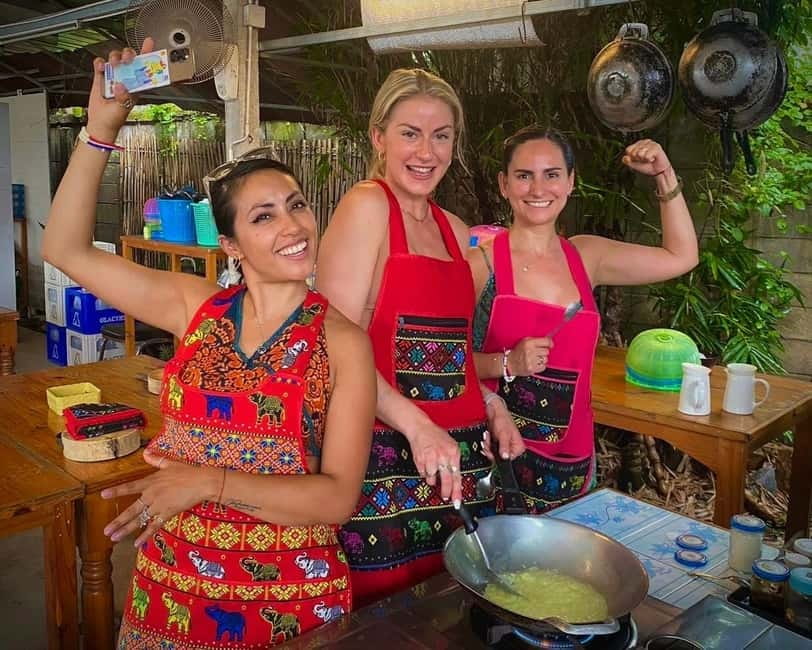
The experience runs about 4 to 4.5 hours. Starting times vary by the slot you choose (morning, brunch, afternoon, evening), with pickup windows listed as:
- Morning: 8:30–9:00
- Brunch: 11:00–11:30
- Afternoon: 13:30–14:00
- Evening: 16:30–17:00
Pickup is included for many hotels inside about 3 km of Chiang Mai Old Town. If your hotel is farther away, you’ll be asked to meet at a meeting point so the schedule stays fair to the whole group.
Traffic can cause delays, so don’t plan a tight connection right after the pickup window. Think of this as a main event for the time block—because once you’re in the market and then cooking, the day moves with the class flow.
Who should book this, and who should skip
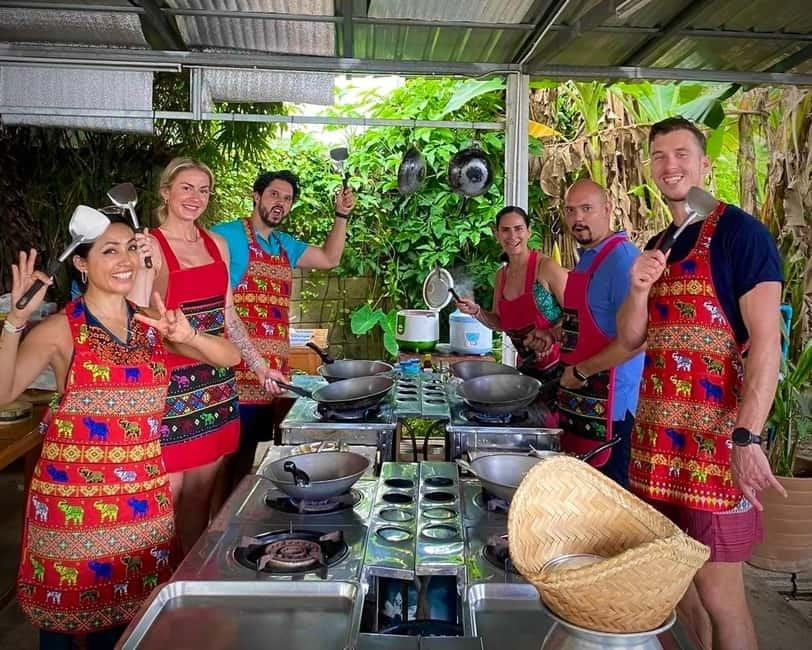
This is a great fit if you:
- want a hands-on Chiang Mai cooking class with market context
- care about curry paste and want to learn the actual method
- like eating what you cook and want a full meal experience
- have dietary needs, since vegan, vegetarian, gluten-free, halal, and allergy accommodations are available with alternatives
You might skip it if you:
- need a super quiet, hands-off experience (this is an active class)
- hate spicy flavors even when adjustable (you can choose spicy or non-spicy, but the food may still smell strongly of Thai herbs)
It’s also not suitable for children under 5 years old, and it’s not recommended for people over 95 years old.
Quick tips so you get the most from the day
- Wear comfortable clothes. You’ll be moving between market, garden, and cooking stations.
- Bring an open mind about herbs. Your instructor will explain what you’re tasting and why.
- Show up with some hunger. The class is built for making multiple dishes, and there’s a lot to eat.
- Tell the guide your spice preference up front so your dishes match your comfort level.
- If you have dietary needs, mention them clearly when booking so the alternatives are ready.
As a bonus, the class being run by English-speaking instructors means you won’t have to fight the explanations. Past participants often highlight how clearly instructors guide the process and keep the group laughing while the cooking stays organized.
FAQ
What is the duration of the Chiang Mai cooking class?
The experience lasts about 4 to 4.5 hours, depending on the selected starting time.
What dishes will I cook and eat?
You’ll choose from options such as hot and sour prawn soup, local chicken soup, chicken in coconut milk, or turmeric chicken soup for starters. For mains, options include Pad Thai, chicken fried rice, fried chicken with cashew nuts, or Pad Kra Pao. Dessert is sweet sticky rice with mango.
Is hotel pickup and drop-off included?
Yes. Hotel pickup and drop-off are included, with free transfer available within about 3 km of Chiang Mai Old Town. If your hotel is farther, you’ll be asked to meet at a designated meeting point.
Can I choose how spicy the food is?
Yes. You can make your food spicy or non-spicy to suit your preference.
Do they offer vegetarian, vegan, halal, or gluten-free options?
Yes. Vegan, vegetarian, gluten-free, halal, and allergy needs are welcome, with alternative ingredients available.
Are drinks included?
No. Drinks are not included.
Should you book this Chiang Mai Cooking Class with market and herbs garden?
Yes, if you want real Thai skills you can repeat, not just a one-time meal. The combination of market shopping, organic herb garden context, and hands-on curry paste work gives you the “how” behind the flavors. And with hotel pickup/drop-off plus a PDF recipe book included, the value is strong for a full 4–4.5-hour food-focused outing.
If you want to be extra strategic, pick the curry paste type that matches your taste, then choose a starter that sounds most fun to you. Come hungry, plan a buffer for pickup timing, and you’ll leave with both a full stomach and a better sense of how Thai cooking builds flavor.