REVIEW · ROME
Rome: Pizza Cooking Class in Piazza Navona with Drinks
Book on GetYourGuide →Operated by IPM COETUS SRL · Bookable on GetYourGuide
Pizza lesson in the heart of Rome. This class at Antica Trattoria Agonale is all about making real pizza step-by-step, with the fun of Piazza Navona right outside and an English-speaking instructor guiding you through the process.
I also love the pacing: you start with a drink (prosecco), eat bruschetta before your pizza, then finish with limoncello or coffee. One consideration: it is not suitable for gluten intolerance, so plan around that before you book.
In This Review
- Key Things That Make This Class Worth It
- Where You Start: Antica Trattoria Agonale by Piazza Navona
- The Pizza-Making Part: How the Class Works in 2 Hours
- Bruschetta Before Pizza: Why This Order Makes Sense
- Drinks in the Middle of Rome: Prosecco, Wine/Beer, and Limoncello or Coffee
- Small Group Energy: Up to 10 People, Real Help
- What You’ll Actually Take Home (Besides Cravings)
- Price and Value Check: Is $48 Really Fair?
- Who This Works Best For (And Who Should Skip It)
- Quick Practical Tips So Your Pizza Day Goes Smoothly
- Should You Book This Pizza Class in Piazza Navona?
- FAQ
- Where do I meet for the class?
- How long is the experience?
- How big is the group?
- What’s included in the price?
- Is the class offered in English?
- Are there dietary options?
- Is it suitable for people with gluten intolerance?
- Can I cancel and get a refund?
Key Things That Make This Class Worth It
- Piazza Navona location: you’re learning and eating in the thick of Rome’s most central squares.
- Small group (up to 10): you get real attention while you make dough and build your pizza.
- A full meal flow: bruschetta first, then your own pizza, then a sweet/caffeine finish.
- Drinks are part of the plan: prosecco at the start plus wine/beer/soda during the meal.
- English instruction: the teaching is clear, and you can ask questions as you work.
- You leave with the method: many people come away with recipe guidance for making it again at home.
Where You Start: Antica Trattoria Agonale by Piazza Navona
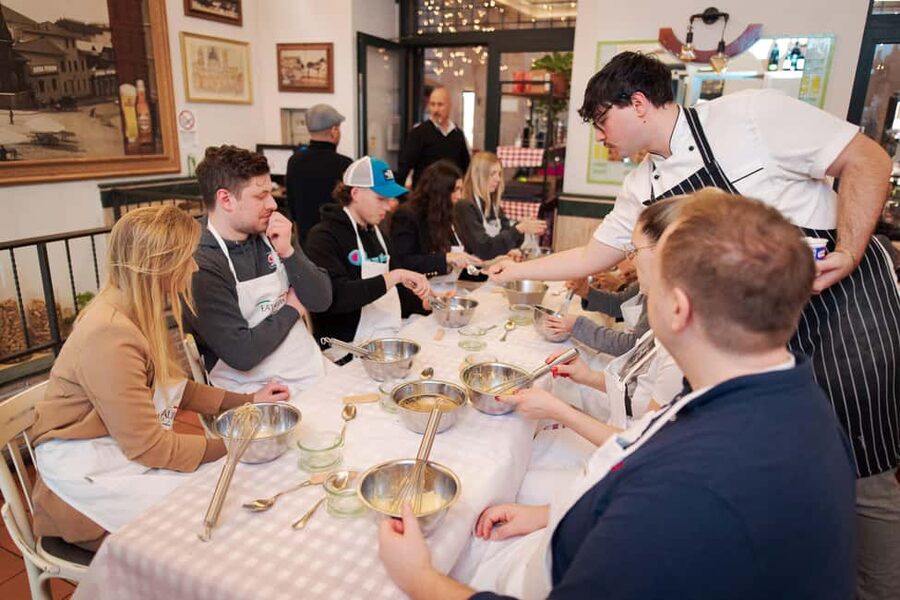
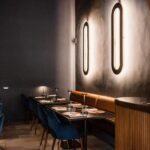
You meet inside Antica Trattoria Agonale, right at the entrance area of Piazza Navona, on the corner of Corsia Agonale and Corso del Rinascimento. That matters more than it sounds. When a class is in a lively, walkable place like this, you’re not losing time to transit, and you can pair the experience with a proper stroll through the square afterward.
Inside, you’ll get a warm welcome and a glass of prosecco to start. It’s a small thing, but it sets the tone: this isn’t a distant demo where you watch from the sidelines. You’re already in it as soon as you arrive.
Also, the meeting point being inside the restaurant helps. Rome can be tricky for first-time navigation, and having a clear corner location keeps stress low before cooking begins.
You can also read our reviews of more tours and experiences in Rome.
The Pizza-Making Part: How the Class Works in 2 Hours
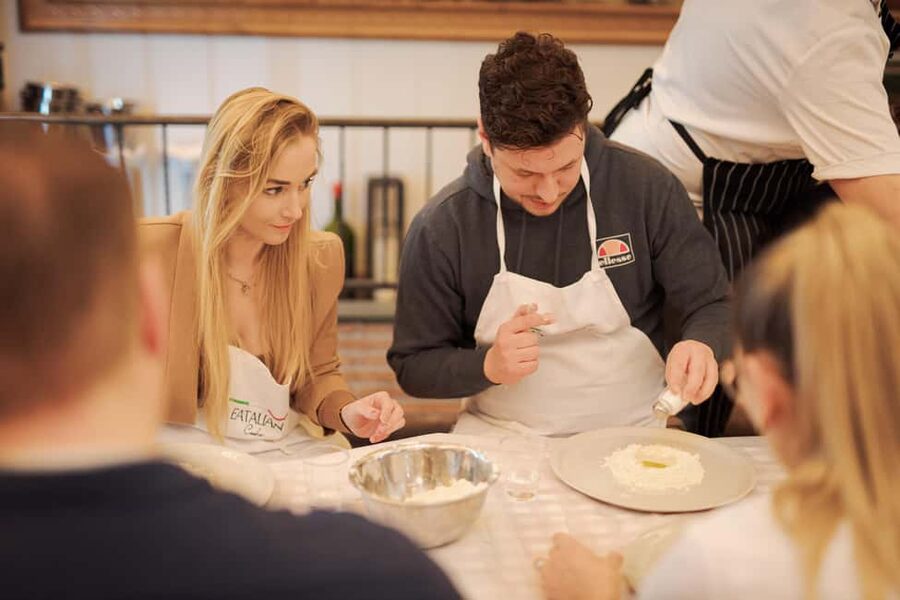
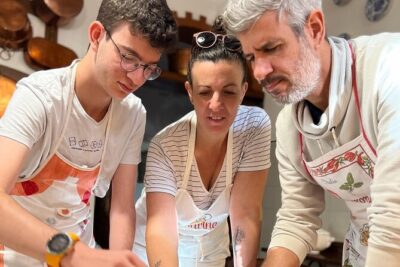
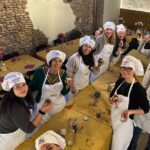
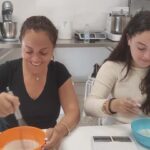
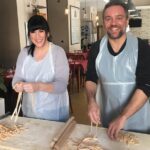
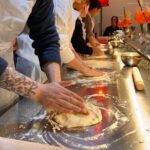
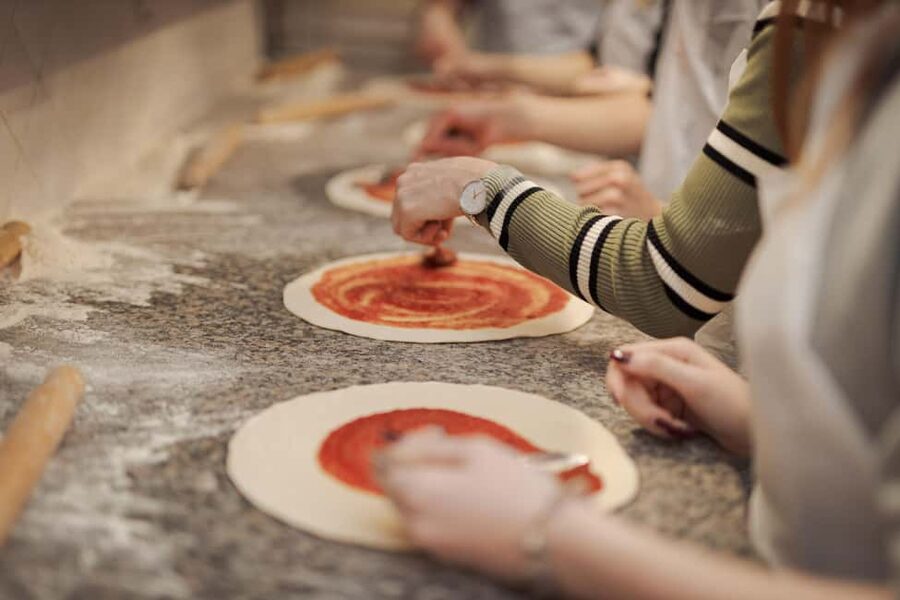
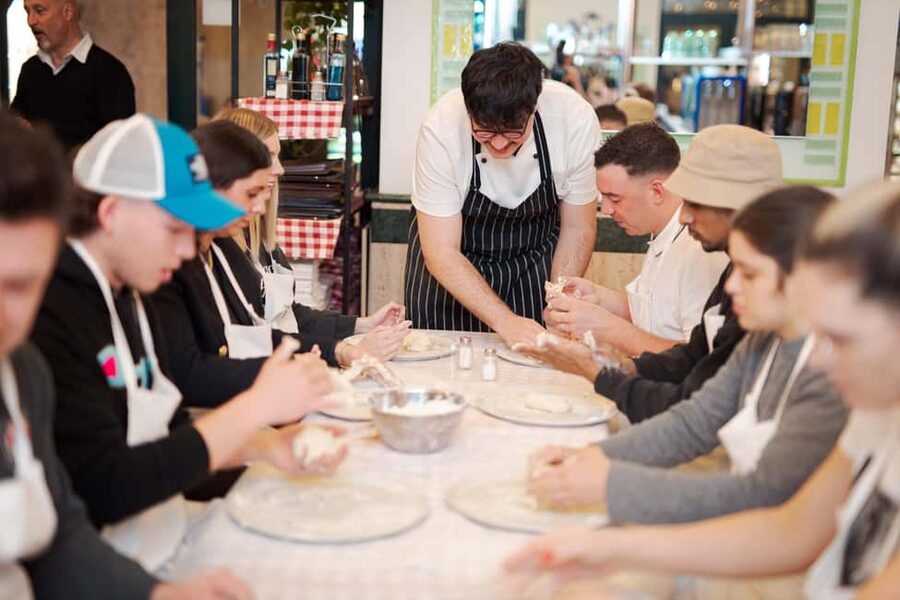
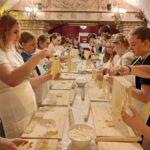
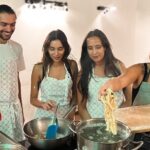
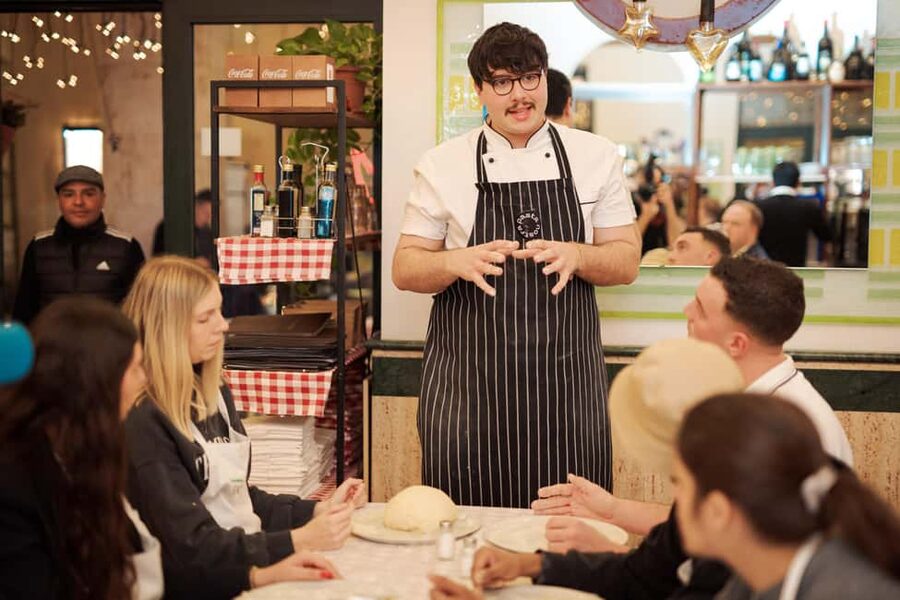
This is a hands-on class designed around learning the pizza method, not just decorating a finished crust. A professional instructor walks you through each stage, and you follow along as the group works with ingredients to make your own pizza.
In practical terms, you should expect a workflow like this:
- learn the basics of the dough process and pizza base building
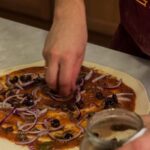
- choose and prepare toppings
- assemble your pizza in your own area
- have your pizza baked so you can taste what you made
From the way people describe the experience, the best part is that it’s interactive. In past sessions led by instructors such as Cleo, Luca, Simone, Sarah, Elisa, and Bea, the tone tends to be upbeat and patient—especially when someone in the group needs extra help with the hands-on steps.
That matters if you’re not a confident cook. You don’t need special skills. You just need to show up ready to work your hands for a short time.
One more note on expectations: this is only 2 hours, so the class is focused. You’ll likely learn the process and the core technique, but you won’t have time for a long culinary lecture or deep troubleshooting for every possible pizza problem. Think skill-building, not a full workshop.
Bruschetta Before Pizza: Why This Order Makes Sense
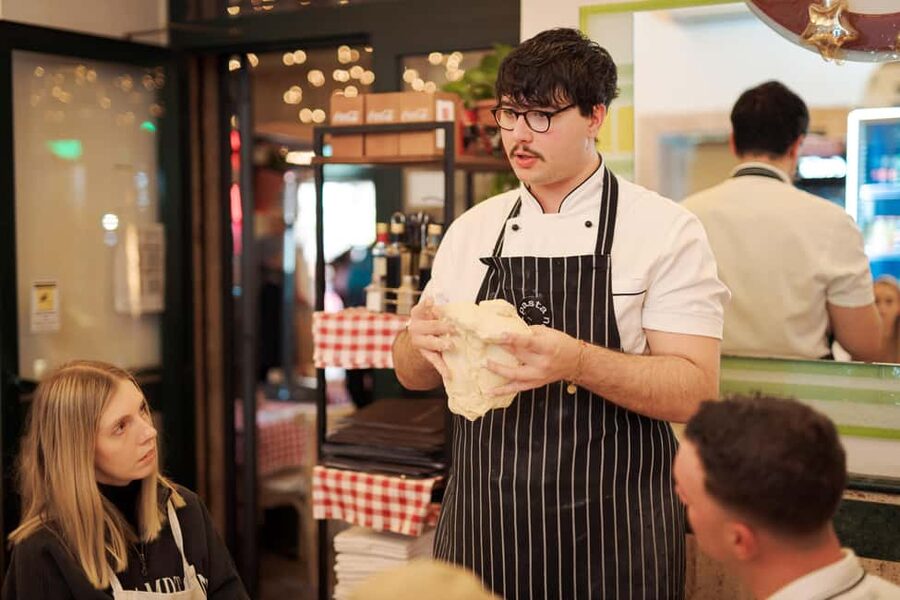
You’ll be seated at the osteria after the pizza-making steps, and the meal starts with bruschetta before you dig into the pizza you made. I like this order because it keeps the experience anchored in Italian eating, not only Italian cooking.
Bruschetta gives you an immediate taste of the flavors that sit at the center of a lot of simple Roman/Italian meals: olive oil, tomatoes, garlic, herbs—comfort food that doesn’t hide behind complicated technique. Then, when you switch to pizza, you’re already tuned in to the flavor profile you’ll build on your own.
You also get a chance to slow down while waiters handle the service. That’s good because you’ve been working up a bit of appetite. Several people mention that after the class there’s a proper sit-down moment, not just a quick bite.
Drinks in the Middle of Rome: Prosecco, Wine/Beer, and Limoncello or Coffee
Food classes are often stingy with the “Italy part.” This one doesn’t treat drinks like an afterthought.
You start with a glass of prosecco. During the meal, the waiters serve water and also bring either wine, beer, or soda (you can think of it as a simple beverage pairing so you don’t have to decide everything yourself). At the end, you finish with limoncello or coffee.
For me, this is part of the value. You’re paying for a structured experience—ingredients, instruction, and cooking time—and the drinks turn that meal into something you’d actually want to have even if you weren’t learning pizza. People repeatedly call out the limoncello as a fun end-cap, and coffee works just as well if you prefer something less sweet.
Practical tip: if you want to keep the evening easy, choose your drinks with your schedule in mind. You’ll be in a central area, so it’s easy to keep walking after, but you may not want to do a lot of extra drinking if you still plan museums or a long dinner.
Small Group Energy: Up to 10 People, Real Help
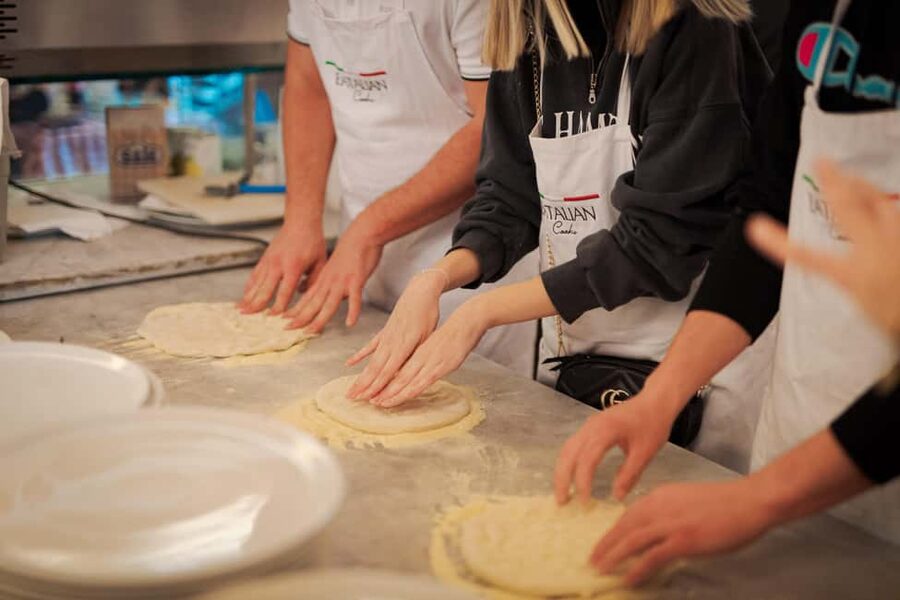
A maximum of 10 participants is a big deal for a cooking class. It keeps the instructor’s attention from getting stretched, and it makes the session feel like a shared kitchen moment instead of an assembly line.
The reviews highlight how instructors are prepared to help people one-on-one, including parents working with kids. For families, that’s reassuring: people describe their children being able to join the process and build a pizza base, while adults get the technique they came for.
If you’re traveling solo, a small group still helps because you don’t spend the whole time feeling like a stranger. You’ll be working next to others, talking as you assemble your pizza, then sharing the meal afterward.
English instruction is also key. When the steps are explained clearly, you spend less time guessing and more time learning why the dough/toppings approach matters.

What You’ll Actually Take Home (Besides Cravings)
This class isn’t only about eating pizza in Rome. The best outcomes are the ones that stick with you afterward.
First, you get hands-on practice with pizza basics: dough handling, assembly, and topping choices. Even if you don’t remember every exact step, you’ll understand the logic of what makes pizza work.
Second, many people leave with recipe guidance they can use later. Some sessions even provide a link people can access at home. If you’ve ever tried to recreate a trip food memory later and ended up with something totally different, this is the difference between guessing and repeating success.
Finally, you’ll likely understand what makes a pizza feel right in the first place: not just ingredients, but process and timing. That’s the part you can apply whether you’re making pizza in an oven at home or adapting with whatever cookware you have.
Price and Value Check: Is $48 Really Fair?
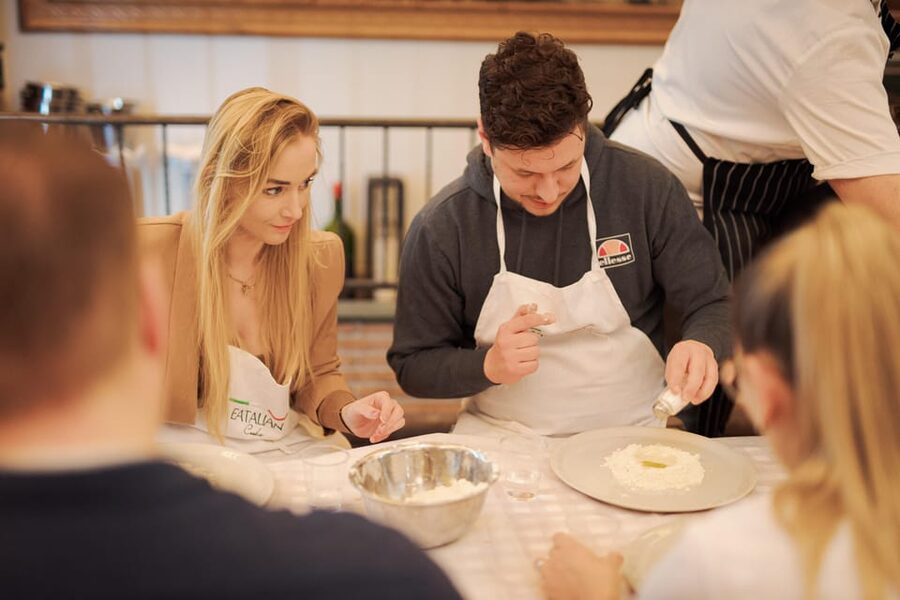
At $48 per person for about 2 hours, you’re paying for more than a meal. You’re buying:
- a professional English-speaking instructor
- pizza ingredients and hands-on prep
- bruschetta
- prosecco plus additional drinks during the meal
- a finishing drink choice (limoncello or coffee)
When you add up typical restaurant pricing for even part of that—prosecco, a proper meal component like bruschetta, and then a finishing liqueur—the class starts to look more like a package than a standard “food tour.”
You’re also getting a location advantage. Being in the Piazza Navona area reduces time spent coordinating transport and makes the experience easy to fit into a day of sightseeing. Central Rome experiences can add costs fast; this class bundles the best of both worlds: a prime setting and a structured activity.
The only time value feels less impressive is if you only care about eating and not about learning. If that’s you, you might choose a restaurant instead. But if you want the skill and the fun of making the pizza yourself, the price looks reasonable.
Who This Works Best For (And Who Should Skip It)
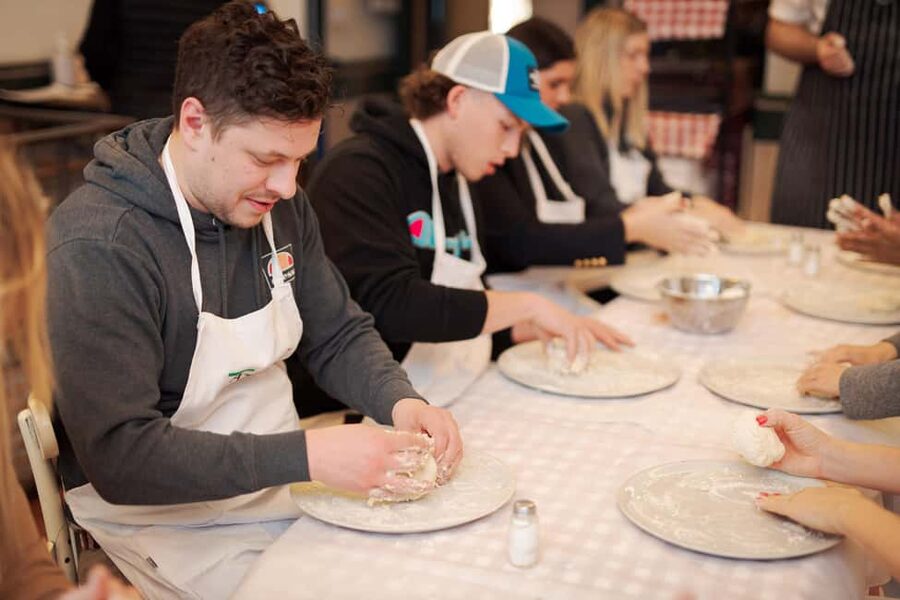
This class fits well if you:
- want a hands-on activity in central Rome without a long travel plan
- like food experiences where you also learn technique
- enjoy a social setting with a small group
- travel with teens or older kids who can handle a short, focused cooking session
It also seems family-friendly within the age limits. The information says children under 7 are not suitable, and people describe cooking with kids around that school-age range. If your kids are younger than that, choose a different food activity.
Who should skip it:
- anyone with gluten intolerance, since it is explicitly not suitable
- anyone who wants a long, slow meal with no structured cooking steps
If you have a different dietary requirement, the class says vegetarian and other diets are supported, with the key step being to inform the provider when booking. That’s your green light—just make sure you tell them your needs clearly.
Quick Practical Tips So Your Pizza Day Goes Smoothly
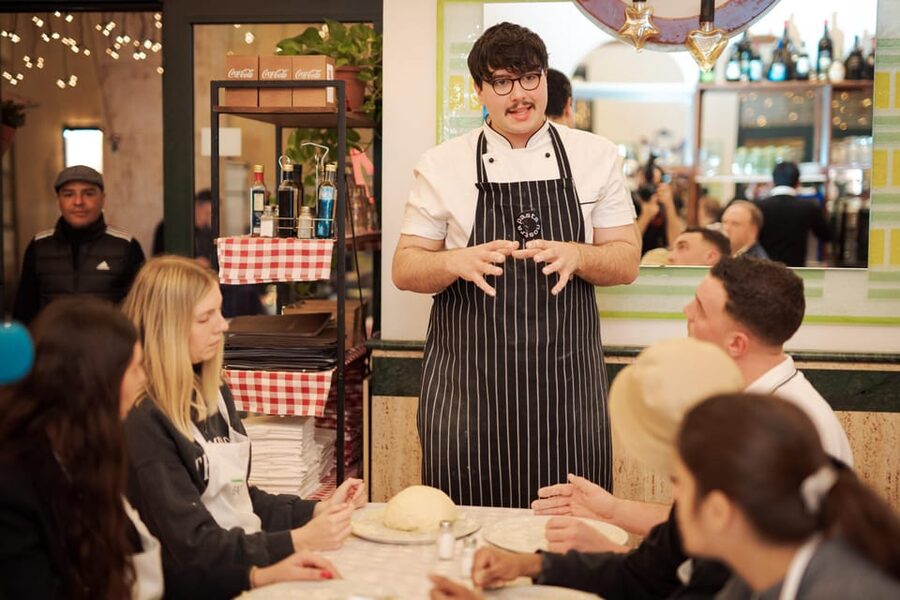
- Wear clothes you don’t mind getting a little flour on. This is hands-on dough work.
- If you’re planning other stops right after, keep your drink choice moderate. You’ll be enjoying drinks during the experience.
- Ask questions while you’re working, not after. The group format makes in-the-moment coaching the most useful.
- If you want to repeat the pizza at home, pay attention to the assembly and bake-ready stage. That’s what changes outcomes the most.
Should You Book This Pizza Class in Piazza Navona?
I think it’s a strong pick if you want an easy, central Rome experience that mixes cooking and eating in a way that actually teaches you something. The small group size, the hands-on instruction, and the full drink-and-meal flow make it feel like good value rather than a quick gimmick.
Book it if you’ll enjoy working with dough, eating bruschetta, and taking a pizza you made from oven to plate. Skip it if gluten is a deal-breaker for you, or if you’d rather spend your time on sightseeing instead of cooking.
If your idea of a great Rome day is good food, a clear plan, and a skill you can repeat later, this one is worth adding to your schedule.
FAQ
Where do I meet for the class?
Meet inside Antica Trattoria Agonale, on the corner of Corsia Agonale and Corso del Rinascimento.
How long is the experience?
The class lasts 2 hours.
How big is the group?
It’s a small group limited to 10 participants.
What’s included in the price?
You get the instructor, pizza ingredients, bruschetta, a glass of prosecco, and additional drinks during the meal (wine, beer, or soda), plus limoncello or coffee at the end.
Is the class offered in English?
Yes. The instructor teaches in English.
Are there dietary options?
Vegetarian options are available, and other diets can be supported if you inform the provider when booking.
Is it suitable for people with gluten intolerance?
No. It is not suitable for people with gluten intolerance.
Can I cancel and get a refund?
Yes. You can cancel up to 24 hours in advance for a full refund.