REVIEW · TENERIFE
Mojo Workshop Cooking Class in Ancient Canarian Village
Book on GetYourGuide →Operated by Casa Carmen · Bookable on GetYourGuide
Tenerife’s food culture hits different in Chirche, where you’re surrounded by old terrace fields and the slow pace of rural life. I like that the class is hands-on (mortar and pestle, not just watching) and that the tasting comes with real explanations for why each flavor combination works. One thing to consider: this is not set up for mobility limits, and Chirche is a small village where getting there by car can be a bit tricky.
The hosts also bring the day to life. Chef Ave leads the cooking with a cruise-ship level of polish, while Erik adds the stories that turn sauces into something you can actually picture in context. You’ll get a short, fun, very focused 2-hour experience that still ends with enough food to feel like a meal, not a snack.
In This Review
- Mojo Workshop at Casa Carmen: Key Points You’ll Notice
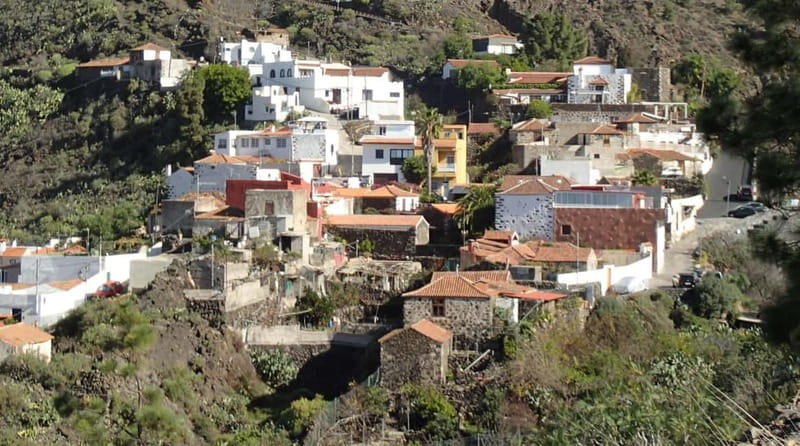
- Why Chirche Makes This Mojo Class Feel More Than Food
- The 2-Hour Flow: What Happens During the Workshop
- Red and Green Mojo: The Skills You’ll Actually Take Home
- Chef Ave and Erik: Cooking Instruction With Real Storytelling
- Food Pairing: Why This Workshop Feels Like a Meal
- Price and Value: Getting More Than You Pay For
- Getting There: Meeting Point and Practical Transport Tips
- Who Should Book This Mojo Workshop
- Should You Book This Mojo Workshop in Ancient Canarian Village?
- FAQ
- How long is the Mojo Workshop Cooking Class?
- What is the price per person?
- Where is the workshop located?
- Is transport included?
- Is the class taught in English?
- Is it a small group?
- What will I cook and eat?
- Does the workshop include refreshments?
- Are there any accessibility restrictions?
- What are the cancellation and booking options?
- Is this activity suitable for very young babies?
Mojo Workshop at Casa Carmen: Key Points You’ll Notice
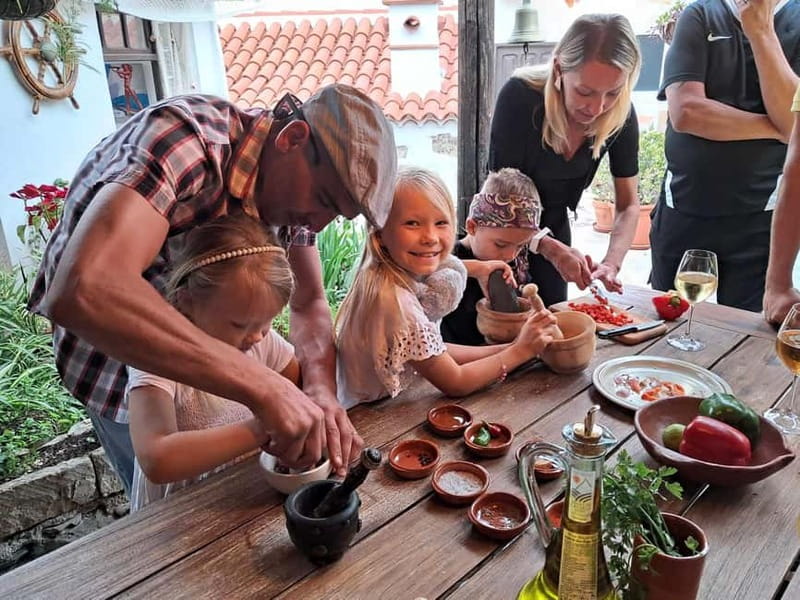
- Small-group format (up to 8 people) makes questions and hands-on help feel personal.
- Mortar-and-pestle method teaches technique you can repeat at home.
- Red and green mojo flavors come with the why behind ingredients and traditions.
- Chef Ave and Erik blend cooking instruction with entertaining Tenerife stories.
- Tasting and pairings go beyond bread and sauce, with local foods and drinks.
- Chirche’s historical setting adds atmosphere you won’t get in a restaurant kitchen.
Why Chirche Makes This Mojo Class Feel More Than Food
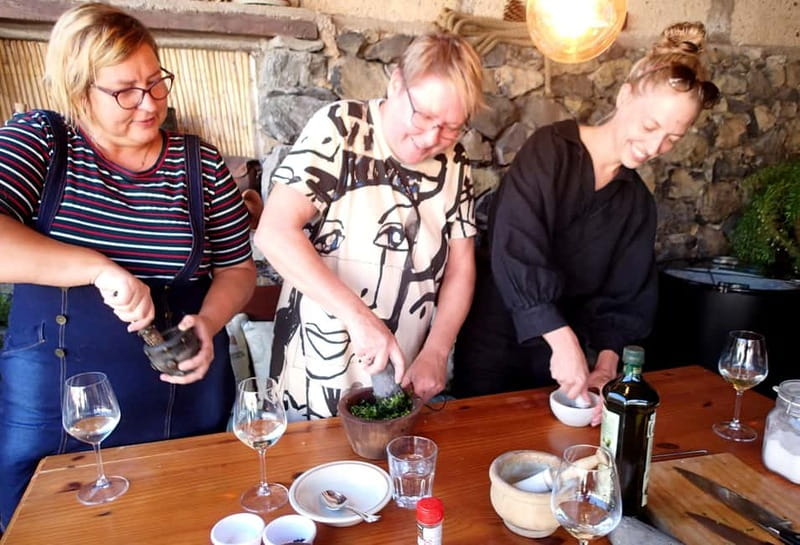
A cooking class is often just ingredients plus steps. This one starts somewhere better: Chirche, a historically minded village in south Tenerife with visible old-school agriculture in the background. Think ancient terrace fields and threshing grounds—so you’re not just learning about Canarian food, you’re seeing the kind of place that shaped it.
I like that the setting is part of the teaching. When the instructor talks about origins, it doesn’t feel like a lecture. It feels like you’re connecting a sauce to a landscape, a farming rhythm, and a household way of eating.
And yes, the day is centered on mojos, but it’s also a gentle cultural reset. If your Tenerife plan so far has been beach days and long bus rides, this workshop gives you a different pace: calm, local, and slightly theatrical in the best way, thanks to Erik’s storytelling.
You can also read our reviews of more tours and experiences in Tenerife.
The 2-Hour Flow: What Happens During the Workshop
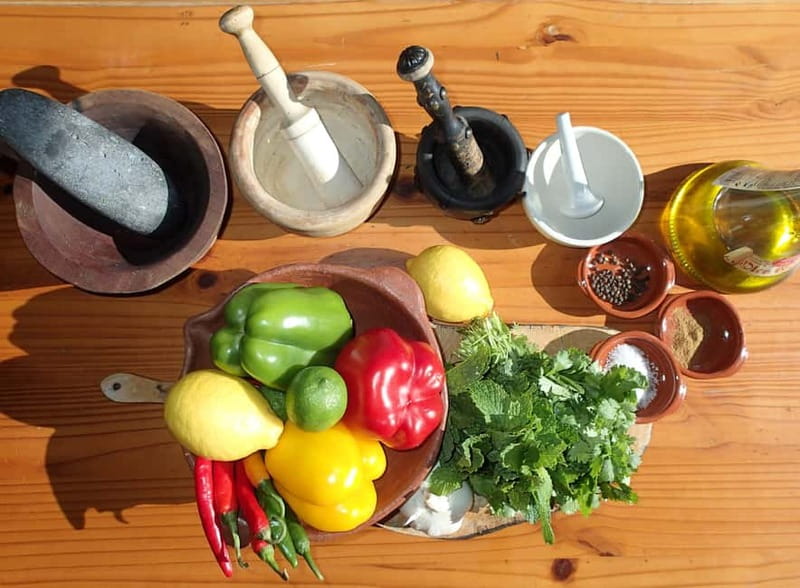
This experience is designed to stay tight and fun—2 hours from start to finish. You’ll begin at the meeting point at Casa Carmen in Chirche (C/ San Felipe, Nº 18, 38688). From there, the workshop follows a simple rhythm: intro, cooking, then tasting and pairing.
Here’s what you can expect, in the order that makes sense for first-timers:
1) Welcome and a quick taste of context
You’ll get introduced to what mojos are and how they fit into Canarian meals. Since the workshop includes storytelling, you’re not only learning recipes—you’re learning how people talk about food: where ingredients came from, how sauces were used, and why certain pairings feel natural.
2) Hands-on mojo preparation
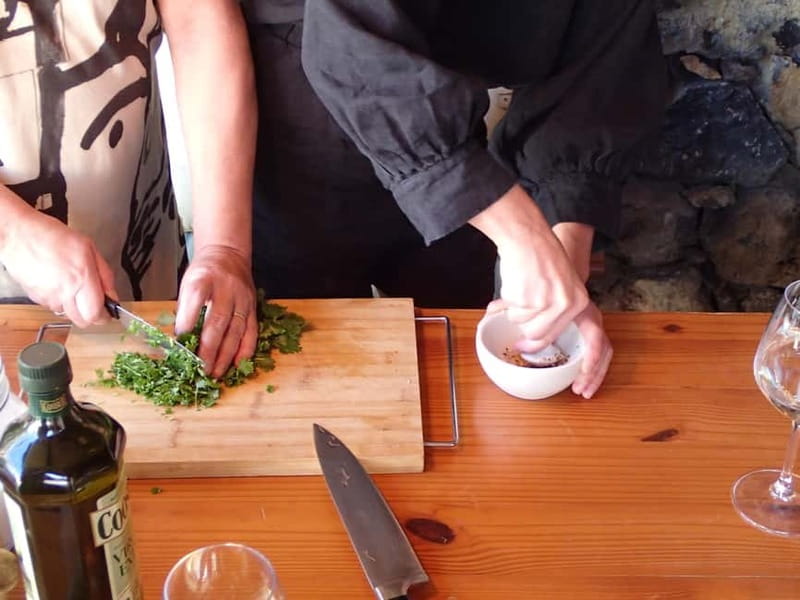
You’ll create traditional mojos using local fresh ingredients. The class uses a mortar and pestle, so you’ll learn the texture and blending method instead of relying on a blender shortcut. If you’ve never made mojo before, this is friendly enough for beginners, but still real enough to leave you with usable technique.
3) Tasting and food pairing
After you make your sauces, the tasting brings them into context. You’ll enjoy the authentic Canarian flavors while the instructor continues explaining what you’re tasting and why it works. Some participants come in expecting sauce with bread; others end up with a full-feeling spread of local foods and drinks, which is a big part of the value.
4) Wrap-up and refreshments
Refreshments are available during the event. The tone stays relaxed, and the small group size keeps it from turning into a crowd-control production.
Red and Green Mojo: The Skills You’ll Actually Take Home
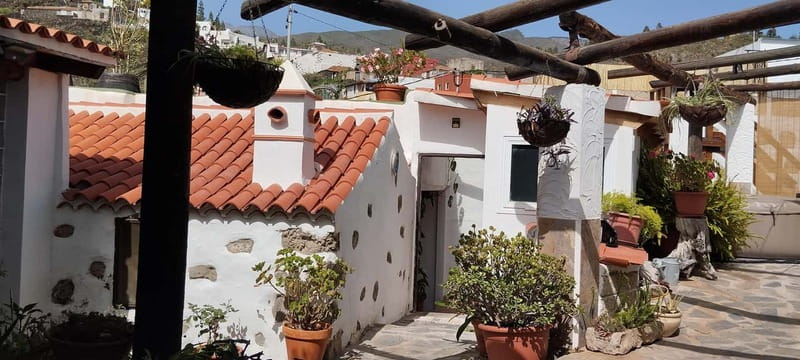
The headline is mojos—and in practice, that usually means the classic red and green styles. The useful part isn’t just that you’ll know which ingredients go where. You’ll learn how the sauce behaves when you crush, mix, and balance it.
Here’s what this kind of class typically teaches (and why it matters):
- Texture and thickness: Mortar-and-pestle mixing changes the mouthfeel. That’s the difference between a sauce that tastes homemade and one that tastes like something poured from a jar.
- Balance: Mojo isn’t only about heat or only about tang. The instructor guides you toward a blend that tastes complete with potatoes and tapas-style foods.
- Pairing logic: You’ll get an explanation of what goes with what. That turns your new sauces into an actual meal plan for later, not just a one-off activity.
Also, this workshop doesn’t lean on mass-market ingredients. A key selling point here is local specialties. Even if you’re an adventurous eater, it’s satisfying to learn and taste things you wouldn’t easily find in regular supermarkets.
Chef Ave and Erik: Cooking Instruction With Real Storytelling
The instructor, Chef Ave, brings serious culinary experience, including long-standing service as chef de cuisine on cruise lines. That combination matters. It usually means a calm teaching style, clear guidance, and a kitchen flow that doesn’t waste your time.
Then there’s Erik, who adds the narrative thread. In reviews, people consistently mention that the storytelling is engaging and not just decorative. You’re getting the background of recipes and island food culture in a way that feels like conversation, not a script.
If you’re the kind of traveler who remembers how a dish tastes but also wants to remember why it tastes that way, this pair works well. Ave handles the how. Erik handles the why. And because it’s a small group, you’re more likely to ask follow-up questions without feeling rushed.
Food Pairing: Why This Workshop Feels Like a Meal
Mojo is the star. But the tasting is where the experience becomes memorable, because the workshop doesn’t treat sauce like a demo prop.
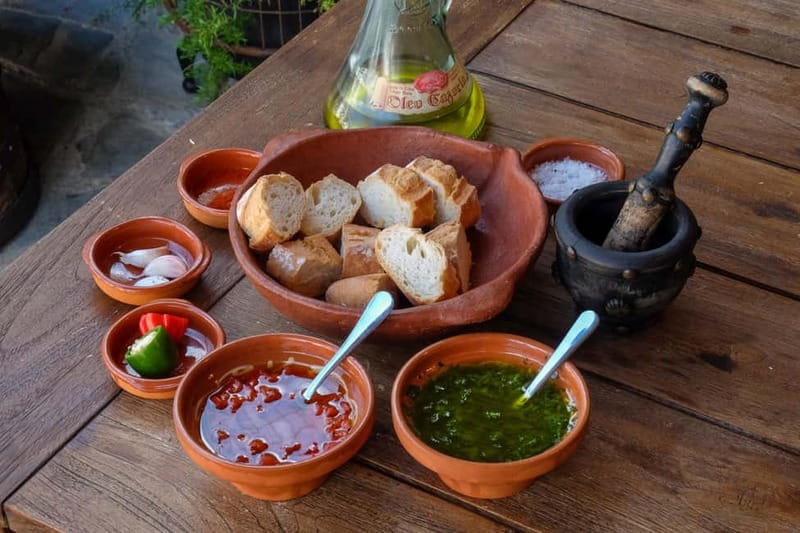
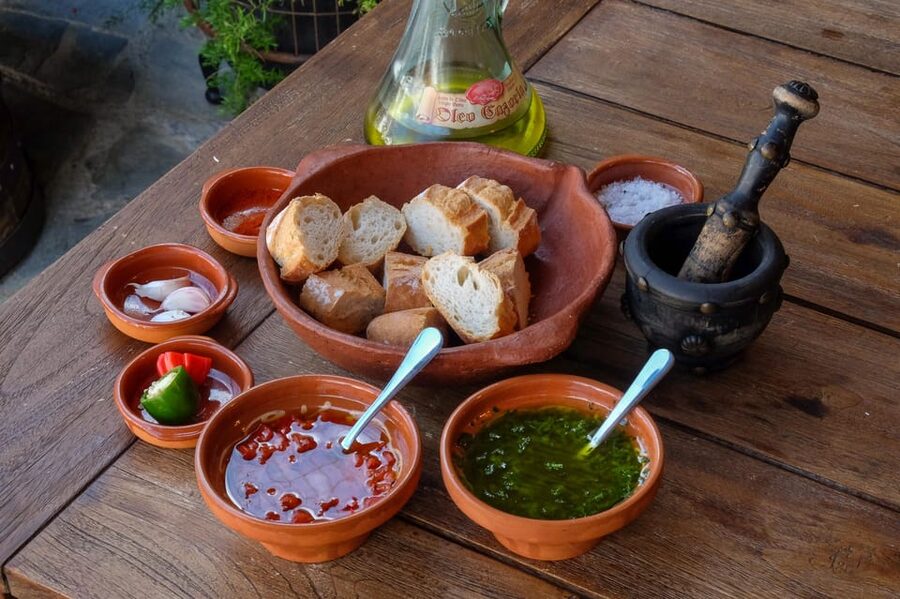
You’ll enjoy pairing the mojos you make with authentic Canarian foods. From what participants describe, that can include items like Canarian potatoes, tapas-style snacks, and local drinks such as wine or beer, plus non-alcoholic options like lemonade (including lemongrass lemonade in at least some cases). The mix helps you understand mojo as a table companion, not just a condiment.
This matters for value. If a cooking class only feeds you a few bites, it’s easy to feel like you paid mainly for entertainment. Here, many people mention it feels like more of a full lunch than a tiny tasting. Even if you’re not expecting a big plate, plan your day as if you’ll eat well here.
Price and Value: Getting More Than You Pay For
At $34 per person for a 2-hour session, this lands in the budget-friendly range for what you’re getting—especially compared with the cost of a restaurant meal plus a separate tour.
Here’s why it feels like good value:
- Small group limit (up to 8) means more attention per person.
- Hands-on coaching with mortar and pestle is instruction you can use later.
- Tasting plus pairing adds substantial food and drink, not just sauce sampling.
- Local specialties are part of the point, not an afterthought.
- Setting in Chirche brings atmosphere that many urban classes can’t replicate.
The best part is that it feels like hospitality. People return because they remember the hosts and the relaxed tone, not only the recipe.
Getting There: Meeting Point and Practical Transport Tips
You meet at Casa Carmen, C/ San Felipe, Nº 18, 38688 Chirche, South Tenerife. There’s an optional pick-up service available from the South Tenerife area, and you’ll get detailed driving instructions by email.
Transport isn’t included, so you’ll want to plan for that. If you’re driving yourself, keep in mind that Chirche can be confusing to reach because it’s a small village with local roads. One of the more repeated practical tips is simply: take your time, follow the instructions carefully, and don’t assume it’s like driving to a big resort.
If you’re staying in the south and want to skip the stress, the optional pick-up is worth considering. It’s also a good move if you want the day to feel easy from the moment you arrive.
Who Should Book This Mojo Workshop
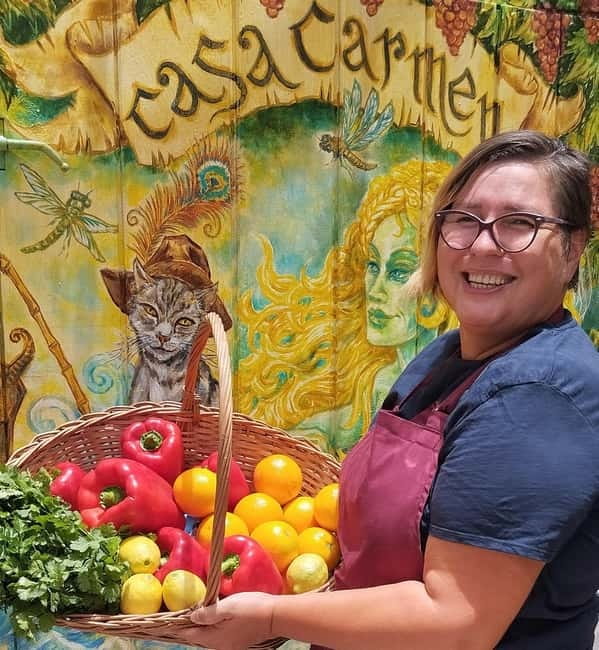
This fits best if you want a real, local-feeling food experience that doesn’t require culinary confidence.
You’ll enjoy it most if you:
- love Canarian flavors and want to learn the real sauce styles (red and green)
- like short, focused activities that still include culture and stories
- prefer small groups over big tour crowds
- want something you can repeat at home using technique, not just ingredients
It’s not designed for wheelchairs or people with mobility impairments. Also, it’s not suitable for babies under 1 year. If your group includes someone with limited mobility, it’s worth looking for an alternative experience rather than hoping the venue can adapt.
Language is English, and the class is led in English, so you won’t feel lost if you don’t speak Spanish.
Should You Book This Mojo Workshop in Ancient Canarian Village?
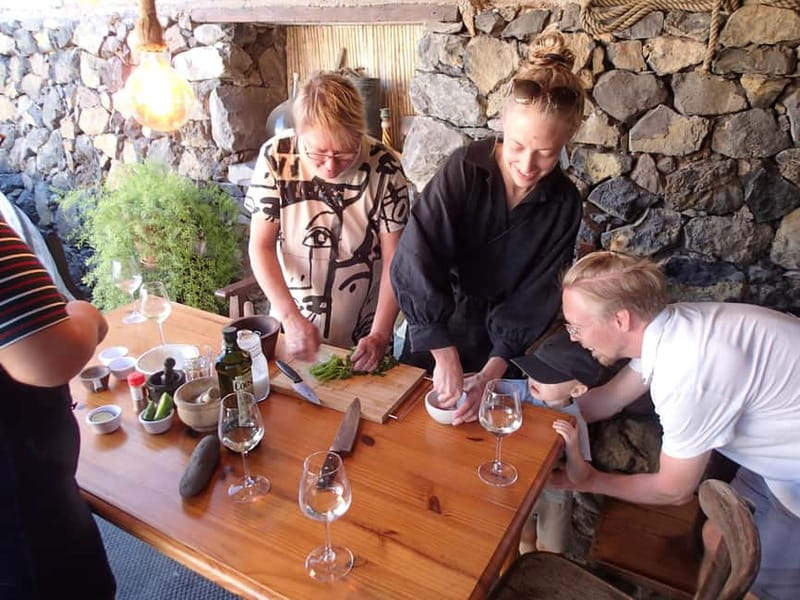
If your Tenerife trip needs one solid day that’s more than a photo stop, book it. This is the kind of experience where the food is the headline, but the place and the storytelling are what keep it from feeling like a generic cooking class.
I especially recommend it if:
- you’re food-curious and want the background behind flavors
- you hate tourist-heavy evenings and want a calmer village setting
- you want a small-group activity with actual teaching and enough tasting to feel satisfied
If you’re only looking for a quick snack or a purely hands-off activity, you might find it less aligned. But if you want to learn sauce technique, taste local pairings, and spend 2 hours in a historic village with warm hosts, this hits the mark.
FAQ
How long is the Mojo Workshop Cooking Class?
The duration is 2 hours.
What is the price per person?
The price is $34 per person.
Where is the workshop located?
It takes place in Chirche, South Tenerife, Spain. The meeting point is Casa Carmen, C/ San Felipe, Nº 18, 38688 Chirche.
Is transport included?
No. Transport is not included, but optional pick-up is available from the South Tenerife area.
Is the class taught in English?
Yes, the instructor teaches in English.
Is it a small group?
Yes. It’s limited to a small group of up to 8 participants.
What will I cook and eat?
You’ll learn to create traditional mojos using local fresh ingredients, and you’ll enjoy the tasting afterward.
Does the workshop include refreshments?
Yes. Refreshments are available during the event.
Are there any accessibility restrictions?
People with mobility impairments and wheelchair users are not suitable for this activity.
What are the cancellation and booking options?
There is free cancellation up to 24 hours in advance for a full refund, and you can reserve now and pay later.
Is this activity suitable for very young babies?
No, it is not suitable for babies under 1 year.