REVIEW · ROME
Rome: Roman Master Chef Cooking Class with Wine
Book on GetYourGuide →Operated by The Roman Food Tour · Bookable on GetYourGuide
Pasta starts with your hands. This class is interesting because you learn handmade fettuccine and build a classic tiramisu while an English-speaking chef keeps the steps clear. I like how hands-on it is, and I also like that you finish with a real dessert that matches what you see on Roman menus. One thing to consider: the timing can run a little later than you expect, so don’t stack it right up against a tight plan.
You’ll also sip fine Italian wine and limoncello as you cook, plus coffee, soft drinks, and water. After the work, you sit down and enjoy what you made in a Roman restaurant setting or on an outdoor terrace, depending on the day and setup. It’s a strong pick for your first days in Rome because it turns Italian food from something you order into something you can repeat.
In This Review
- Key Things That Make This Roman Cooking Class Worth It
- Why This Class Feels More Roman Than Just Another Food Tour
- What You’ll Make: Handmade Fettuccine and Layered Tiramisu
- Handmade Roman fettuccine
- Tiramisu with coffee flavor and cocoa
- Inside the Restaurant: How the Cooking Session Actually Runs
- Drinks During Class: Wine, Limoncello, and When to Pace Yourself
- Dietary Options: How Flexible Is It, and What You Should Do
- Price and Value in Rome: What $32 Really Buys
- Timing, Logistics, and the One Thing to Keep Flexible
- Who This Cooking Class Is Best For
- Potential Downsides to Know Before You Book
- Should You Book This Roman Master Chef Cooking Class?
- FAQ
- How long is the Roman Roman Master Chef Cooking Class with Wine?
- What will I learn to cook?
- Is the class taught in English?
- What drinks are included?
- Are dietary options available?
- Where do I meet for the class?
Key Things That Make This Roman Cooking Class Worth It
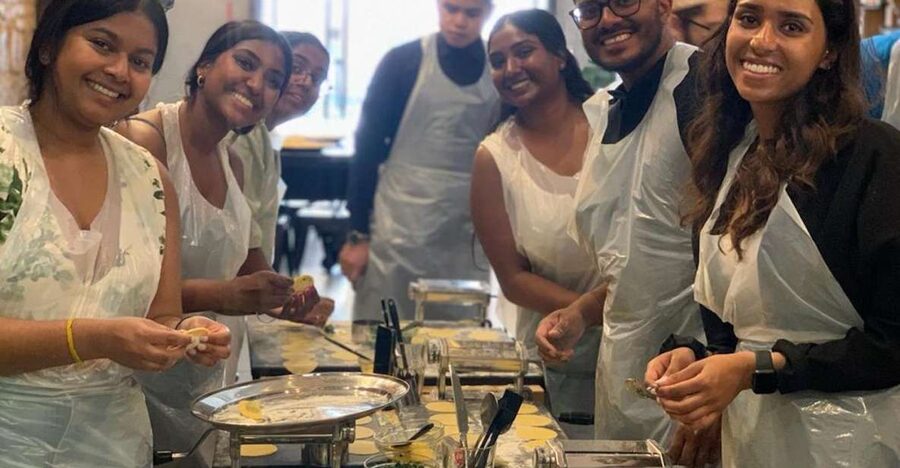
- Fettuccine from scratch: you’re not just assembling dinner; you’re making pasta dough and shaping it into fettuccine.
- Tiramisu, done properly: a layered coffee-flavored dessert finished with cocoa.
- Wine and limoncello during class: you get a tasting vibe while still focusing on technique.
- English instruction from a real chef team: names that have taught recent sessions include Sid, Eleonor, Eddie, Giacomo, and Mathilde.
- Take-home recipes: you leave with instructions designed to help you recreate what you learned.
Why This Class Feels More Roman Than Just Another Food Tour
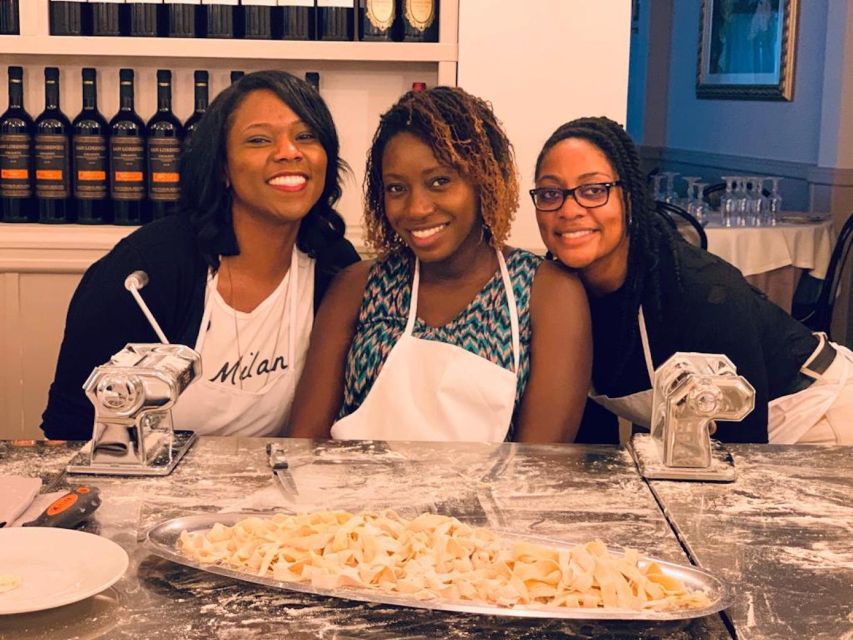
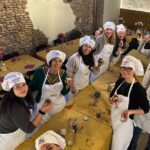
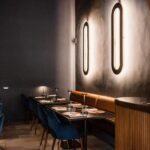
Rome has a way of making food feel personal. This cooking class leans into that. You’re working inside a Roman restaurant atmosphere while learning Roman-style pasta basics and finishing with a proper tiramisu. That matters, because it keeps you from treating Italian food like a souvenir. You learn the steps you can repeat later.
I like the balance here: it’s hands-on cooking plus a social meal. You’re standing at the workstations during the class, then you switch into relaxed mode and eat what you made. For many people, that’s the best part of a Rome activity like this: you leave with both technique and a full stomach.
You can also read our reviews of more tours and experiences in Rome.
What You’ll Make: Handmade Fettuccine and Layered Tiramisu
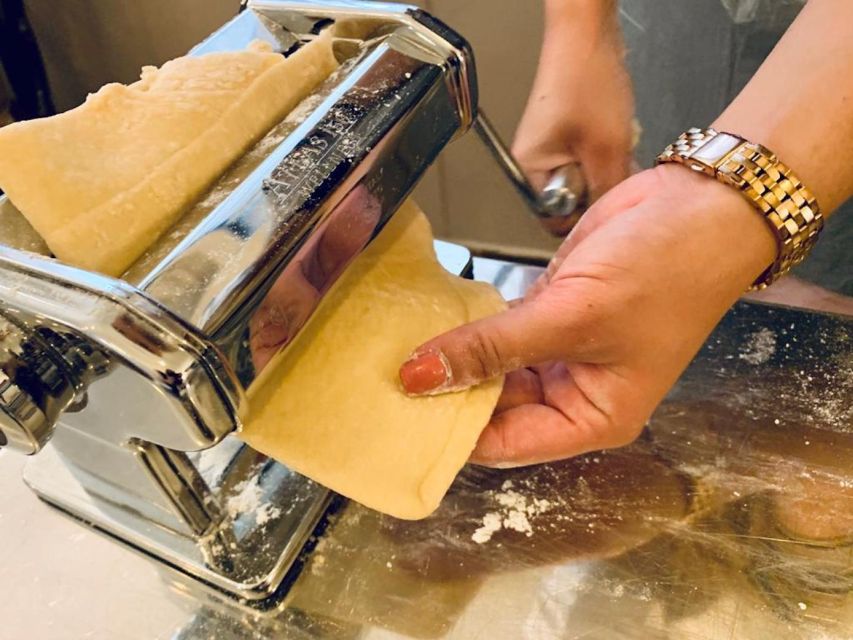
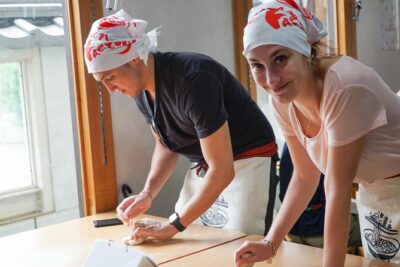
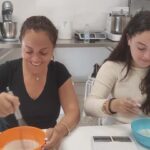
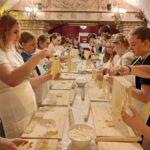
This isn’t a demo class. You’re actively involved, from ingredient prep to the final shapes and layers.
Handmade Roman fettuccine
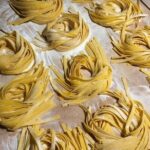
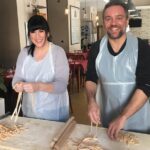
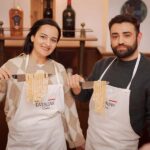
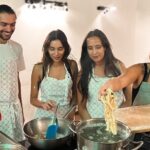
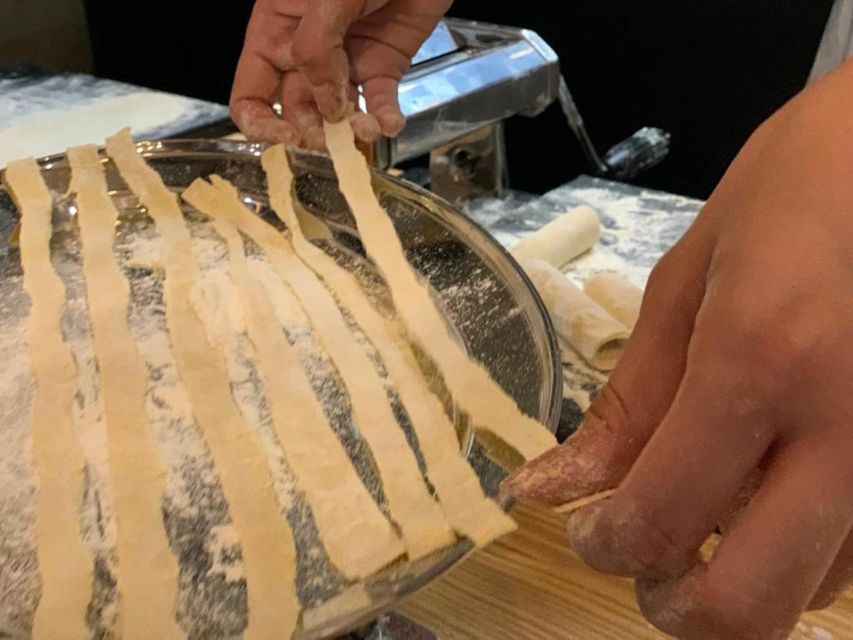
The heart of the experience is the pasta. You’ll learn how to prepare fresh Italian pasta from scratch, with an emphasis on handmade fettuccine. That means you’re learning the rhythm of making dough and working it into something you can cut and shape into fettuccine. The goal isn’t to impress anyone with speed. The goal is to understand the process well enough to do it again at home.
If you’ve ever tried boxed pasta and felt unimpressed, this is your reset. Fresh pasta is a different world, even when the ingredients are simple. And once you’ve handled the dough yourself, you start to understand why Italians argue about texture the way others argue about football.
Tiramisu with coffee flavor and cocoa
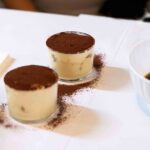
Then you move to tiramisu. You’re making the classic layered Italian dessert with coffee flavor and cocoa. The important thing here is that tiramisu isn’t just a cake with frosting. It’s a construction—layers, timing, and the way the coffee elements interact with the cream and the cocoa finish.
I like that the class gives you a dessert that’s instantly recognizable. You won’t struggle to explain what you made to friends back home. And you’ll have a go-to recipe for birthdays, holidays, and any moment you want to look like you have your life together.
Inside the Restaurant: How the Cooking Session Actually Runs
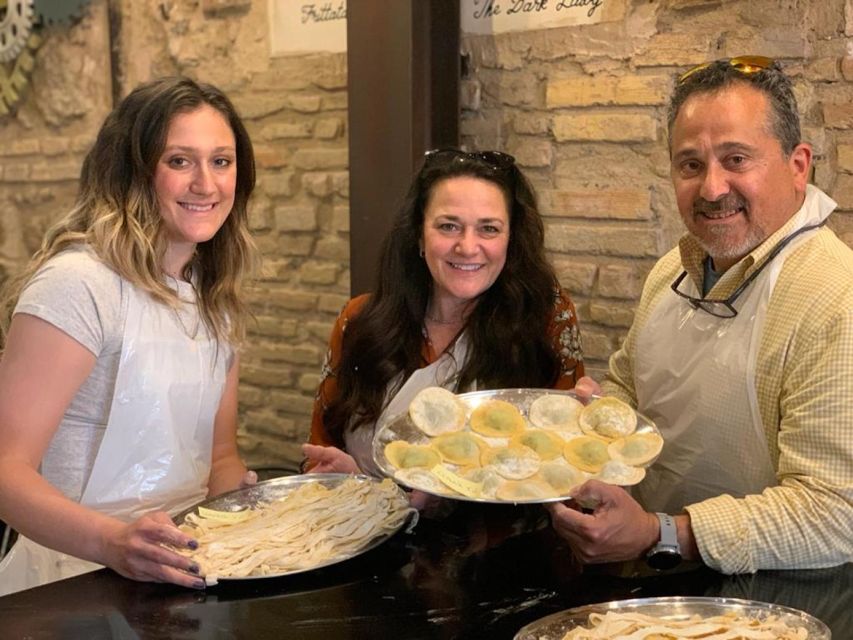
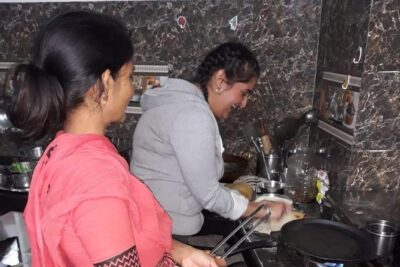
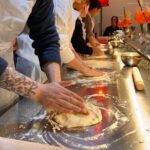
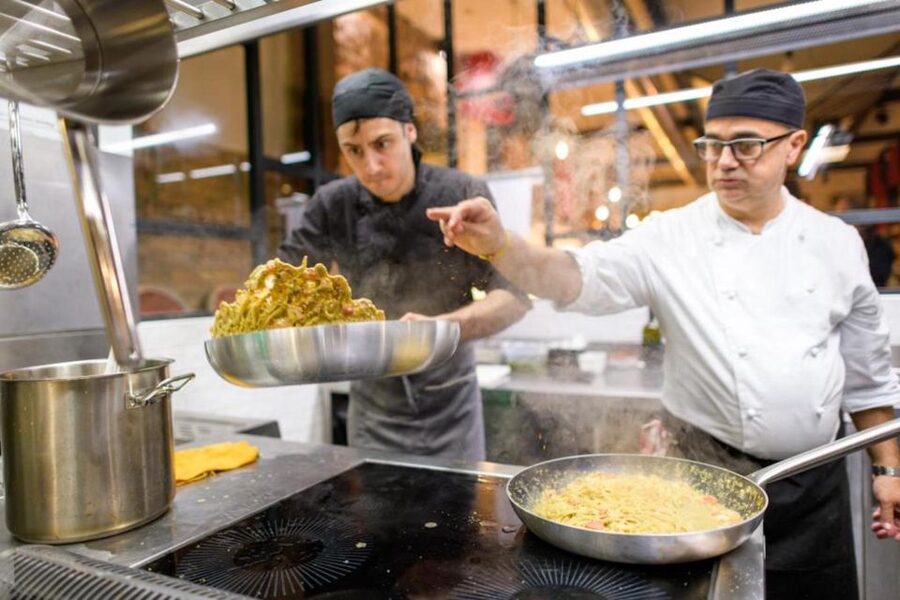
The class starts by getting you set up with the tools and ingredients. Then your chef guide walks you through the method so you can follow along and succeed, even if you’re new to Italian cooking.
English instruction is a key point. If you’re the type who worries about language during cooking classes, this one is designed for you. You’ll get step-by-step guidance in English, so you can focus on the technique rather than translating in your head.
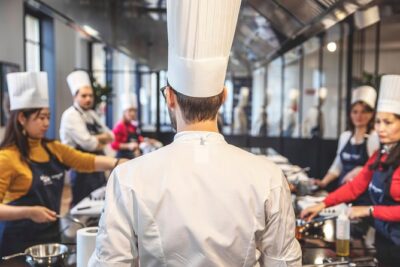
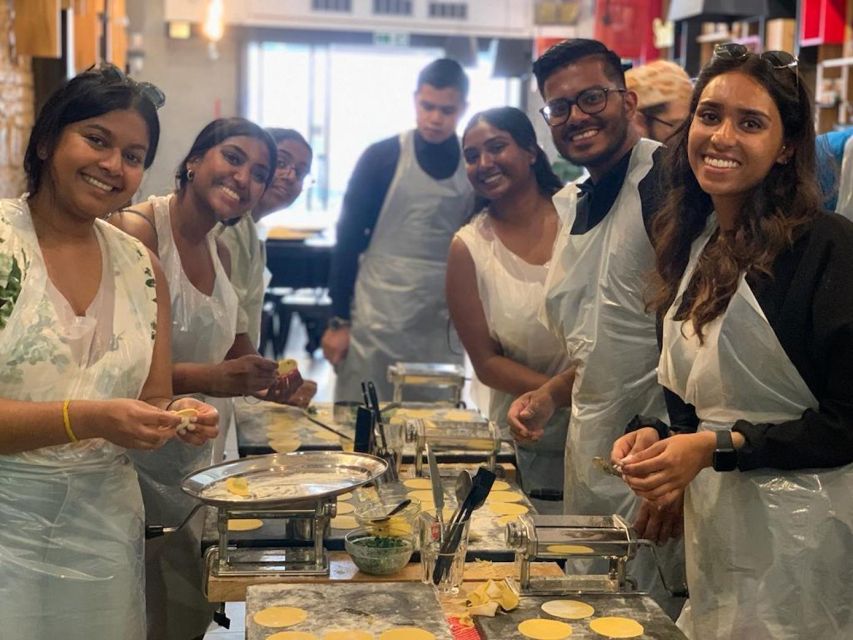
Group size can make or break a class like this. In recent sessions, it’s been around a dozen people, which helps the chef keep an eye on everyone without turning it into a chaotic kitchen free-for-all. You still get interaction and you don’t feel lost.
One more detail that matters: once you finish cooking, you don’t just leave with a recipe card. You sit down to eat. That meal is part of the value. You’re tasting your work right away, while the method is still fresh.


Drinks During Class: Wine, Limoncello, and When to Pace Yourself
The class includes fine Italian wine and limoncello, plus coffee, soft drinks, and water. That’s not just a perk. It changes the tone. Cooking gets easier when you’re relaxed and having fun, and the drinks help keep things social.
Still, keep it sensible. Two to three hours in a working kitchen adds up, and pasta-making takes focus. If you’re drink-sensitive, you can lean on water and soft drinks during the active cooking parts. The class is built to work even if you’re not going hard on alcohol.
One practical tip: if you start with a hot drink like coffee or another warm option, it can help you feel steady as you move between sweet and savory steps. The overall vibe is light, with room for laughs and conversation, but you’re still making real food.
Dietary Options: How Flexible Is It, and What You Should Do
The activity supports dietary needs. Vegetarian and vegan options are available, and lactose intolerant diets can be supported. The rule is simple: you need to inform the activity provider when booking.
I like that this isn’t treated as an afterthought. If you’re traveling with dietary restrictions, you’ll be happier if you plan ahead rather than hoping substitutions happen automatically.
If you’re vegan or lactose intolerant, ask what the chef can do for structure and texture. Tiramisu is the one dessert that often gets tricky with dairy swaps, so it’s worth checking early how they handle it for your specific needs.
Price and Value in Rome: What $32 Really Buys
At $32 per person for 2.5 to 3 hours, this is one of the more practical “experience meals” in Rome. Why? Because you get multiple things at once: a real cooking session, a chef guide, a finished pasta and tiramisu you can eat, and included drinks. Most food experiences either feed you or teach you. This does both.
Also, you’re taking something home. The take-home recipes are the difference between a class you enjoyed and a class you can recreate. Even if you only make tiramisu once at home, that recipe is still worth the price. Homemade pasta is the kind of skill that makes future meals feel special.
One small consideration: if you’re the type who wants a full multi-course menu with sauces and everything from scratch, this class focuses on the core targets—fettuccine and tiramisu. You might feel like you could go further. Still, for the time and price, you’re getting a clear, achievable Roman cooking win.
Timing, Logistics, and the One Thing to Keep Flexible
Meeting point may vary depending on the option booked, so confirm your exact location when you book. The duration is listed as 2.5 to 3 hours, and that range matters because it sets your day planning.
Also, remember the earlier note: start times can shift a bit. If you have a show or a train right after, leave padding. Rome runs on its own clock, and a cooking class is one of the activities most likely to take the last minute personally.
The upside: free cancellation up to 24 hours in advance and the reserve now & pay later option make it easier to fit this into your schedule without stress.
Who This Cooking Class Is Best For
This works especially well for:
- First-timers in Rome who want a hands-on food skill, not just photos
- Couples and small friend groups who want an activity that ends in a meal
- Anyone who loves Italian desserts and wants to learn tiramisu beyond ordering it
- Foodies who care about technique and want to understand dough and layering
If you’re traveling solo, it can also be a friendly option because you’re working in a group around the same stations. You share the same food outcome, and the chef interaction helps the experience feel social without being overwhelming.
Potential Downsides to Know Before You Book
Nothing is perfect, so here are the realistic considerations based on what the format implies:
- If you want a deeper lesson on making sauces from scratch, this class may feel focused mainly on pasta and tiramisu.
- The start time can run a little later than you expect, so you’ll want some buffer afterward.
- Since it’s an active cooking class, it’s not ideal if you’re trying to squeeze in a very rushed itinerary with zero downtime.
That said, the trade-off is clear: you get technique, you get to eat what you made, and you get recipes to repeat it later.
Should You Book This Roman Master Chef Cooking Class?
I’d book it if you want a Rome activity that gives you something real: pasta skills, dessert know-how, and a meal that feels like you cooked it for a reason—not just because the timer said so. The $32 price feels fair for the combination of instruction, food output, and included wine/limoncello.
I’d skip it only if you’re looking for a broader Italian cooking itinerary (lots of courses, many different dishes, and multiple sauce-making lessons). This is targeted. You come out with fettuccine and tiramisu—and you can be proud of both.
If you’re planning your first Rome week and want one day to feel like you learned something, not just you did something, this is a smart choice.
FAQ
How long is the Roman Roman Master Chef Cooking Class with Wine?
It runs about 2.5 to 3 hours.
What will I learn to cook?
You’ll make handmade fettuccine pasta from scratch and tiramisu.
Is the class taught in English?
Yes, the instructor is English-speaking.
What drinks are included?
The class includes fine Italian wine and limoncello, along with coffee, soft drinks, and water.
Are dietary options available?
Yes. Vegetarian, vegan, lactose intolerant, and other diets are supported. Tell the activity provider your needs when booking.
Where do I meet for the class?
The meeting point can vary depending on the option you booked, so check the exact details when you reserve.