REVIEW · PHUKET
Phuket: Authentic Thai Cooking Class
Book on GetYourGuide →Operated by Phuket Thai Cooking Academy · Bookable on GetYourGuide
Four dishes, one Thai kitchen, zero guesswork. This Phuket class is interesting because it starts with real ingredient shopping at a local market, then moves to a clean, air-conditioned lake-side school kitchen where you cook at your own station with the guidance of chefs like Ploy (and instructors such as Newle). Two things I like a lot are the market tour before you cook and the fact you choose your own four dishes, so the class fits your tastes instead of forcing a fixed menu. The setup is designed for both beginners and experienced home cooks.
One thing to consider: you’ll eat a lot. The meal portion is generous, and the experience is mostly about cooking and eating, not long winding discussions between steps.
In This Review
- Key highlights worth your attention
- From Patong pickup to a full afternoon of cooking (210 minutes)
- The market tour: where Thai flavor starts
- Phuket Thai Cooking Academy: clean kitchen, lake-side setting, your own station
- Techniques that actually transfer home: knife work, stir-frying, curry, and seasoning
- Choosing four dishes: Pad Thai, curries, Tom Yum, and Thai desserts
- The big meal at the end: sharing, learning, and not wasting food
- Digital recipes: the real reason this class keeps paying off
- Price and value: is $70 for 4 dishes worth it?
- Should you book this Phuket Thai Cooking Class?
- FAQ
- How long is the Phuket Thai Cooking Class?
- What’s included in the price?
- Do I get to choose what dishes I cook?
- Is the instructor English-speaking?
- Does the class provide ingredients and cooking equipment?
- Is pickup and drop-off included from hotels?
- What if I’m booking for 1 or 2 people?
- Will I get recipes to use at home?
- Are vegetarian options available?
Key highlights worth your attention
- Market tour that teaches ingredient choices, not just shopping stops
- Pick 4 dishes from a wide menu, including classics like Pad Thai and curry
- Hands-on stations with step-by-step coaching on knife skills, stir-frying, and seasoning
- Lake-side school setting plus air-conditioned comfort for the practical part
- Certificate and take-home digital recipes to help you cook again later
- Fruit carving or coconut milk prep adds a hands-on Thai touch beyond the stove
From Patong pickup to a full afternoon of cooking (210 minutes)
This is a half-day experience, about 210 minutes, built to take you from hotel convenience to a real cooking school rhythm. You’re not left guessing where to go or when to arrive. Pickup and drop-off are part of the deal, so you can focus on learning Thai techniques and eating what you make.
The class begins with transport to the local market. That matters more than it sounds. Thai cooking isn’t just about recipes on paper. It’s about choosing the right herbs, spices, vegetables, and proteins and understanding how they behave in a pan or pot. By the time you reach the academy, you’re already thinking like a cook.
One small logistics point to keep in mind: pickup and drop-off is included for 3 or more guests. If you’re booking as 1 or 2 people, there’s an additional 400 Baht per person fee for the transfer. That doesn’t make the class bad for small groups, but it does change the value math—especially if you’re comparing against other cooking options in Phuket.
Expect the tone to be friendly and practical. Multiple instructors are involved during the cooking time, and the class is organized enough that even if you’re new to cooking, you won’t feel lost.
You can also read our reviews of more tours and experiences in Phuket.


The market tour: where Thai flavor starts
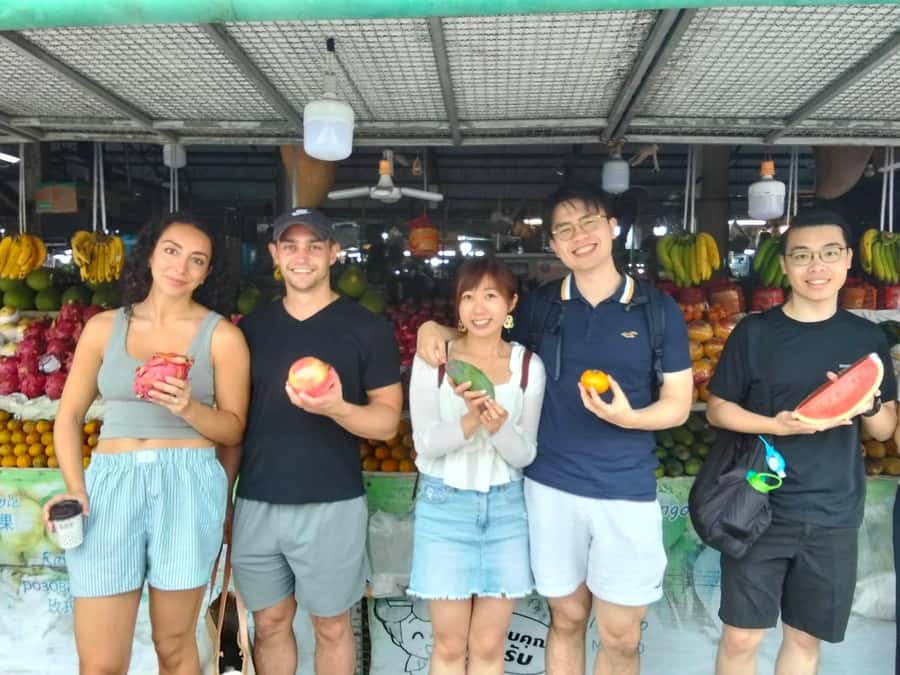
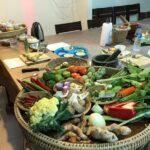
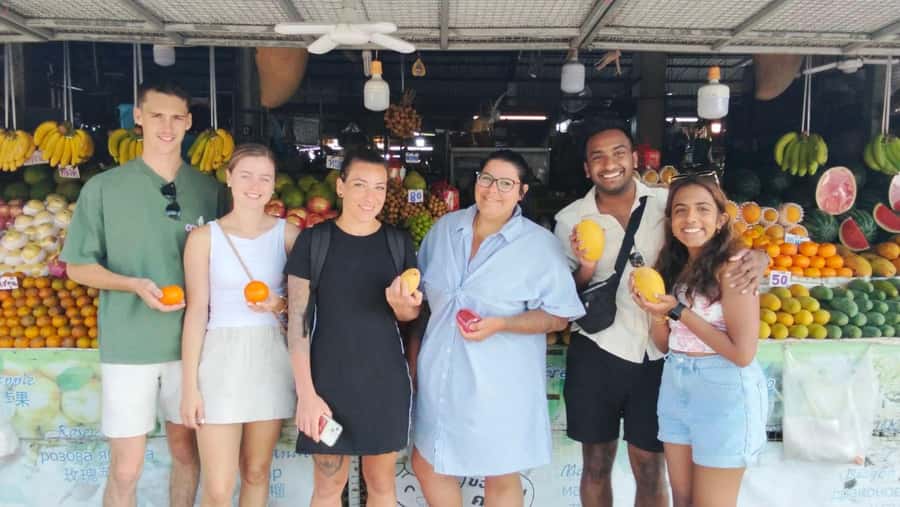
The market stop is where you get your biggest education per minute. Instead of being shown a list, you’re walking through a real food environment with an English-speaking guide/chef, learning what to look for and why it matters.
What you’re paying for here is the ingredient decision-making:
- How to select aromatic herbs and produce that won’t fade in heat
- Which spices and seasonings give you the right Thai balance
- How proteins and vegetables fit into specific dishes
Chefs such as Ploy are known for teaching in a calm, helpful way, with humor that keeps things light. You’re not just standing there watching. You’re learning the logic so you can recreate dishes later, instead of memorizing steps like a robot.
You’ll also get the naming and “use” part of the instruction. In Thai cooking, many ingredients are strongly linked to flavor goals—sweet, sour, salty, spicy. Once you hear how the pieces work together, dishes like curry and salads make more sense. You start understanding why a recipe tastes good before you even touch a wok.
Practical tip: if you wear strong perfume or heavy cologne, you might want to keep it light. Markets involve smells from many foods and spices, and you’ll enjoy the lesson more if you don’t fight with your own scent.
Phuket Thai Cooking Academy: clean kitchen, lake-side setting, your own station
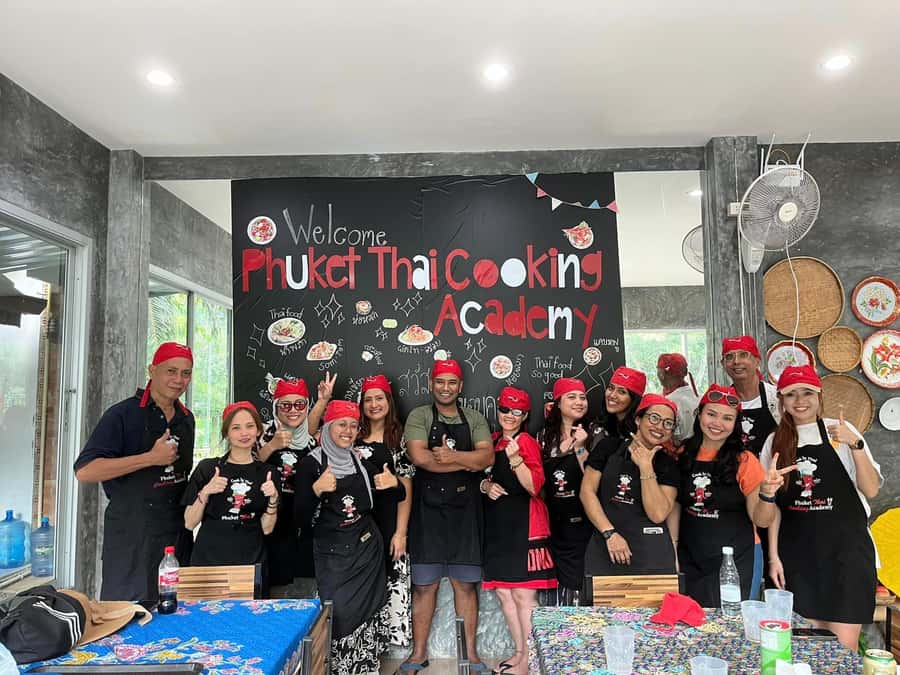
After the market, you head to the Phuket Thai Cooking Academy kitchen, described as clean and real—like an actual cooking school, not a demo stage. You’ll be in an air-conditioned space, which is a big deal in Phuket humidity.
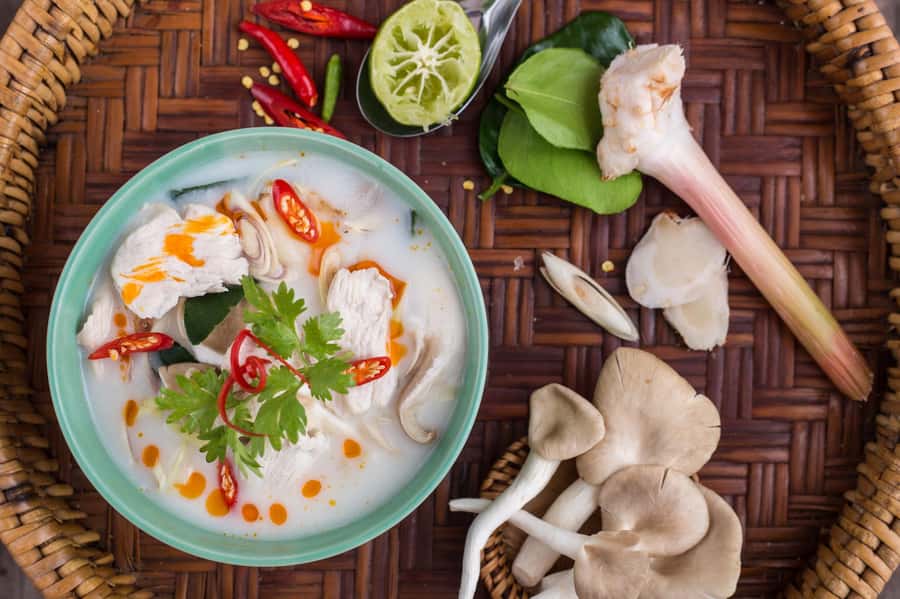
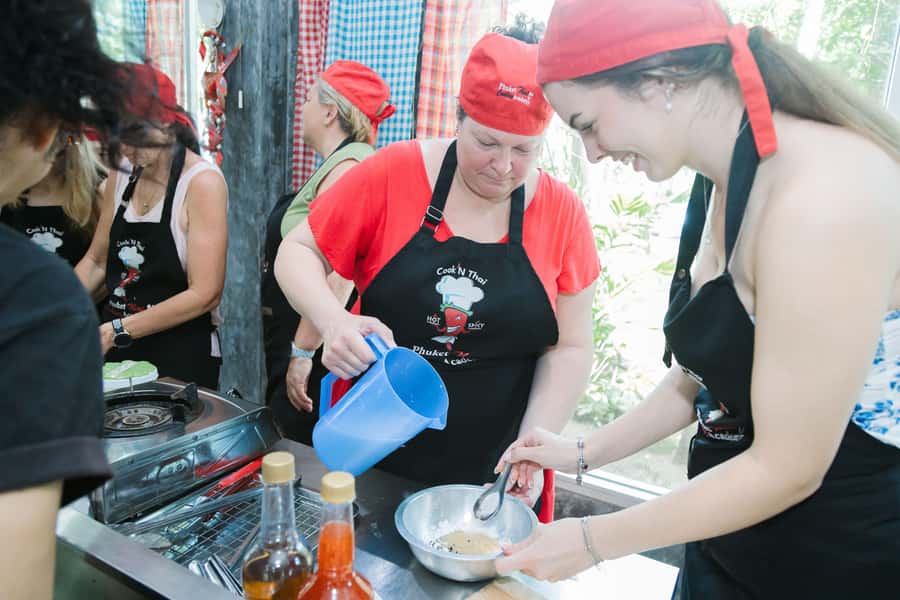
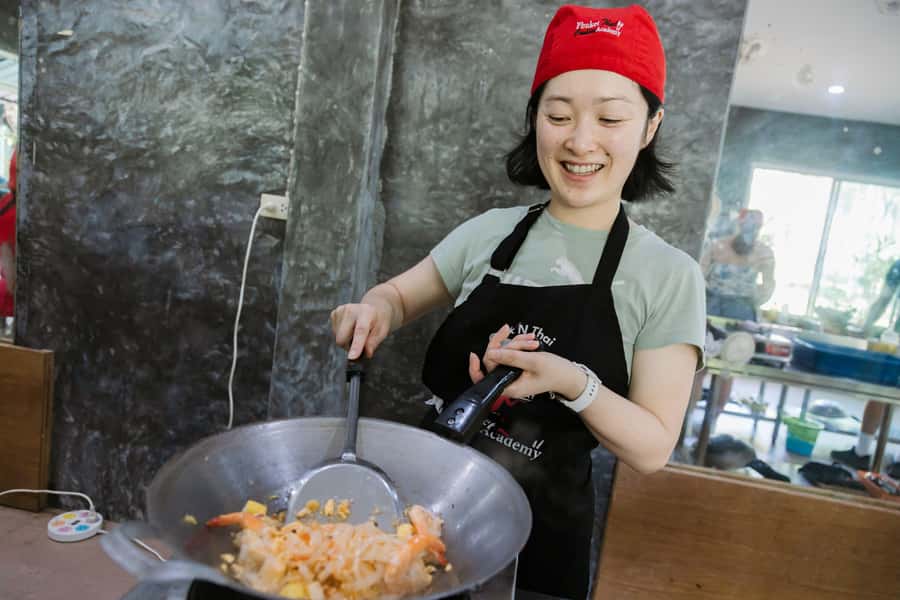
You also get your own cooking station. That sounds basic, but it changes the learning. You’re not waiting your turn or sharing utensils with strangers. You can practice knife skills, control your stir-fry heat, and adjust seasoning in real time.
Expect a welcome drink and a short intro to the dishes you’ll cook. Each guest selects four recipes, and the kitchen is set up so you cook individually while instructors circulate. Instructors like Ploy (and other chefs on hand) help people keep moving—calmly, step-by-step, and with clear guidance.
Facility details that show up again and again in the experience:
- Portions and ingredients are prepared so you can cook instead of measuring forever
- There’s enough support from instructors during the hands-on phase
- The environment feels organized, which reduces kitchen stress
If you want a cooking class that feels structured and beginner-friendly, this setup is a major plus.
Techniques that actually transfer home: knife work, stir-frying, curry, and seasoning
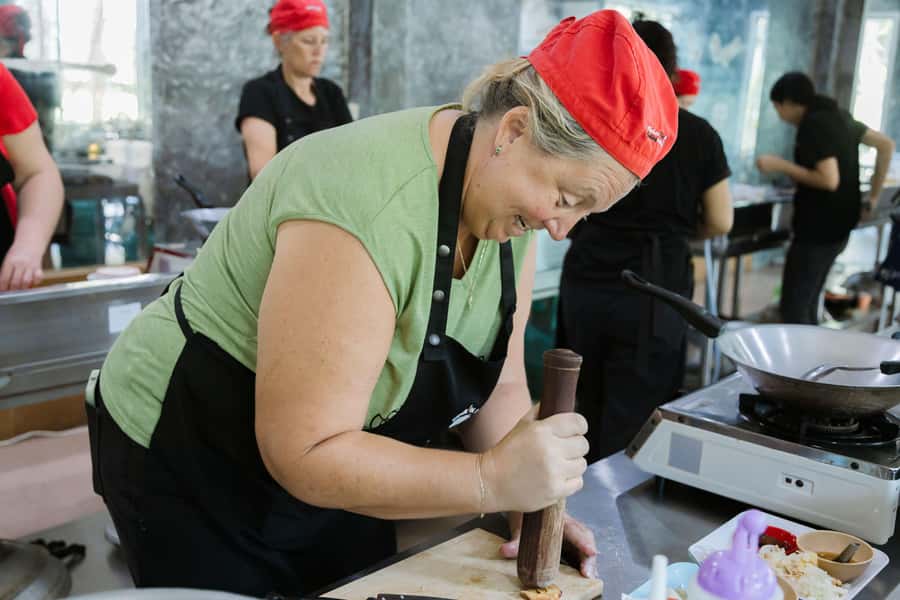
A good cooking class teaches technique, not just what to order. Here, the chef demonstrations cover the core Thai moves you’ll use again and again.
During the cooking session, you get guided instruction on:
- Knife skills (so you can prep with confidence)
- Stir-frying (timing and heat control)
- Curry preparation (building flavor with proper steps)
- Proper seasoning (the part people most often get wrong)
One of the most useful things about the way the class is taught is that you taste and adjust as you go. Thai recipes often depend on balance. That’s why people mention learning the sweet-sour-spicy secret and discovering their own mistakes—like common trouble spots in Pad Thai or papaya salad.
You’re also not stuck following one fixed path. Because you choose your four dishes, you get practice across different cooking styles. A curry teaches you patience and aroma building. A stir-fry teaches you fast heat management. A salad teaches you balancing acidity and salt. Desserts, meanwhile, remind you that Thai sweets aren’t just sugar—they’re texture, timing, and the right finishing touch.
A subtle but valuable detail: the chef explains ingredient flavors and uses, not just the recipe name. That helps when you run into differences at home—like ingredient brands, spice strengths, or vegetable freshness.
Choosing four dishes: Pad Thai, curries, Tom Yum, and Thai desserts
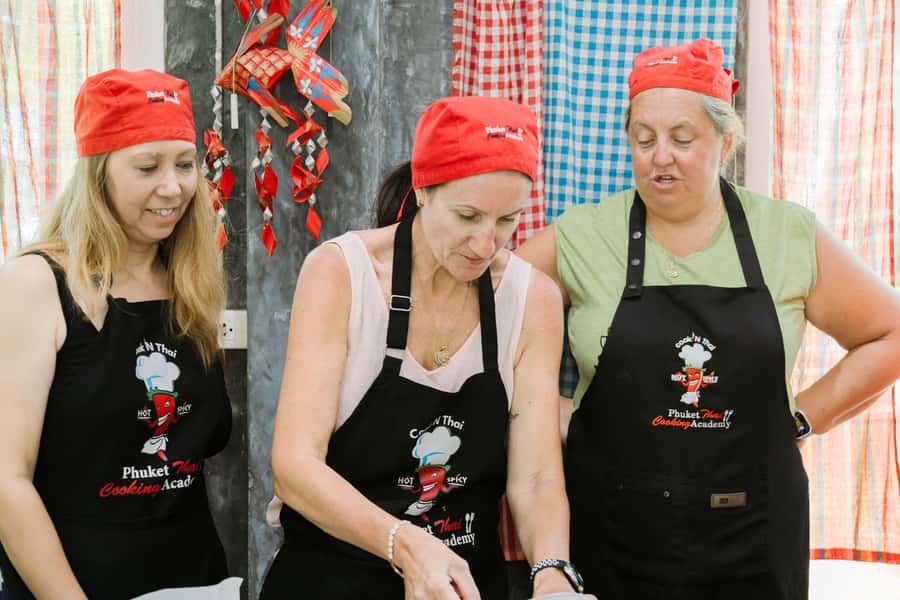
This class is built around choice. You pick from over 16 authentic Thai recipes, then cook four dishes that match your preferences. That’s one of the best ways to get value from a cooking class: you’re not paying for dishes you don’t want.
Common selections include:
- Pad Thai
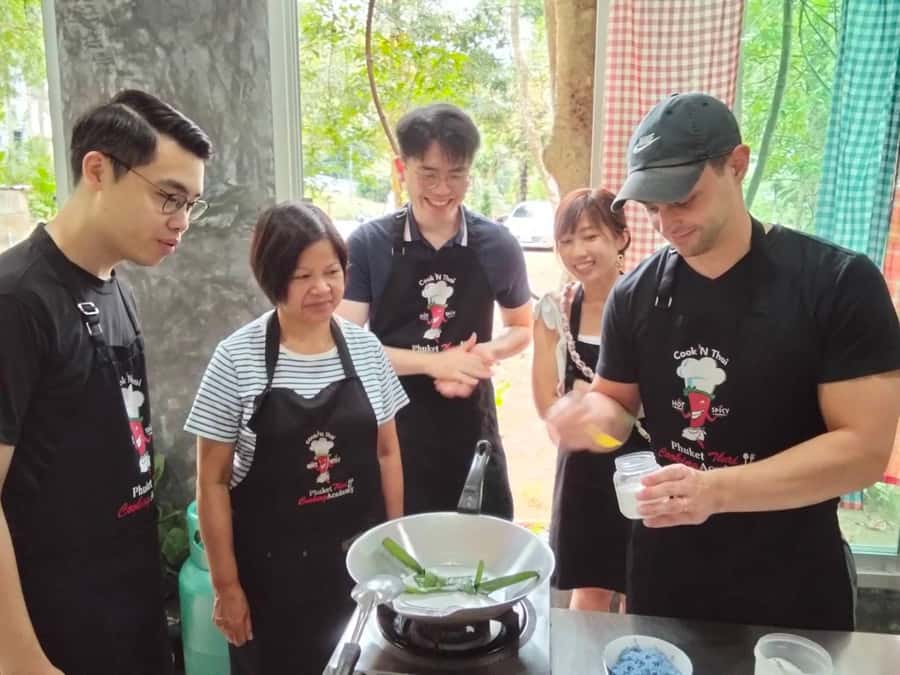
- Tom Yum Goong
- Green curry
- Papaya salad
- Fried rice noodles
- Mango with sticky rice
- Deep-fried bananas
You can also mix vegetarian and non-vegetarian dishes, which matters if you’re traveling with someone who doesn’t want meat every time. The class is set up so people can share a variety of plates at the end.
How the cooking usually works:
- The chef demonstrates the technique for each dish.
- You cook alongside the instruction, using your own station and provided equipment.
- Instructors correct and guide when you need it.
- You taste, adjust, and then plate the finished food.
Food volume is part of the point. A lot of people come hungry, then discover they need to leave space for the feast. Multiple guests mention it’s hard not to overeat because everything is delicious and you’re actively involved in making it.
Bonus Thai touch: there’s also a hands-on “extra” included—either fruit carving or coconut milk preparation. In at least some versions of the class experience, guests have even made coconut cream from scratch, which is the kind of detail that makes you feel like you learned something you can’t easily copy from a cookbook.
And yes, you eat what you cook. Then you sit with the group and share the results.
The big meal at the end: sharing, learning, and not wasting food
After cooking, you sit down to enjoy the meal you prepared. This is the part where the class clicks. You get to taste your own work, compare it to what others made, and understand why Thai cooking is so flavor-driven.
If you’re the type who likes to see results quickly, this class delivers. You’re not waiting until the end of a long lecture. You cook, taste, adjust, and then eat.
It also helps you catch mistakes while the memory is fresh. People often notice errors in dishes like Pad Thai or papaya salad during the cooking process, then understand what to correct. That feedback loop is exactly how you improve at home.
One practical warning: plan to wear something comfortable. This isn’t a light snack. Several people note they couldn’t get up afterward because the meal is so filling.
If you want a mini souvenir from the experience beyond the recipes, you’ll also get a certificate of achievement. It’s not life-changing, but it’s a nice formal touch for a class day that feels like more than a casual tour.
Digital recipes: the real reason this class keeps paying off
The meal is fun, but the long-term value is the take-home learning. You’ll get access to a digital recipe book after the course. That means you can recreate your favorites when you get back to your normal grocery store world.
I like that the recipes are tied to the dishes you personally chose. If you cooked green curry, you’ll have a guide for green curry that matches the way you were taught to build flavor. If you made mango sticky rice, you can run the dessert again and see if your texture improves.
How to use the digital recipes so they actually help:
- Cook one dish first, not all four
- Shop for the same key ingredients you remember from the market tour
- Taste and adjust based on your own palate, just like you did in class
Also, if you’re tempted to buy a wok after this class, you’re not the only one. People often leave with a new piece of cookware because stir-frying is easier when you’re set up for it.
And if you’re thinking about what else to do nearby, the area has extra options. One booking mentions a waterfall just minutes away after class if you want a short stretch of legs before heading back.
Price and value: is $70 for 4 dishes worth it?
At $70 per person for about 210 minutes, the biggest value question is whether you’re getting more than a cooking demo.
Here’s what you do get for that money:
- Hotel pickup and drop-off (with the 3+ guest condition)
- A market tour that teaches you ingredient selection
- An English-speaking instructor and chef guidance during cooking
- All ingredients and equipment
- Tea or coffee
- The included Thai extras (fruit carving or coconut milk prep)
- A sit-down meal featuring what you cooked
- Digital recipes to reuse later
- A certificate
That package is why this tends to feel worth it. You’re paying for the full workflow: ingredient choices, technique coaching, and a finished meal plus recipes. If you compare to options that only teach one dish or skip the market, the value becomes clearer.
The only time the price feels less fair is if you’re booking solo or as a duo and must add the 400 Baht per person transfer fee. Still, the class structure is hands-on, so you’re not paying for empty watching time.
Also, the transport quality gets a lot of positive attention, with a high share of reviewers giving a perfect score for transport. In Phuket, that small comfort detail matters, because you want your energy for cooking, not for stress.
Should you book this Phuket Thai Cooking Class?
Book it if you want a hands-on class where you can choose your dishes, learn core Thai techniques, and come home with the tools to cook again. This is especially good for food lovers who learn best by doing: shopping for ingredients, practicing knife work, tasting and adjusting seasoning, and then eating the results.
Skip it or think twice if you’re looking for a slower-paced cultural experience with lots of group hang time. The focus is clearly cooking and eating. One potential drawback is that the day can feel structured around tasks rather than conversation.
If you go, go with an appetite and a plan:
- Pick dishes you truly want, including at least one that’s different from the others (curry vs. noodles vs. dessert).
- Don’t arrive full. You’ll cook a lot, then you’ll eat a lot.
- Consider booking with at least 3 people if you want pickup included without the extra fee.
This class is one of the easier ways to leave Phuket with real cooking skills, not just photos.
FAQ
How long is the Phuket Thai Cooking Class?
The duration is 210 minutes.
What’s included in the price?
Included are hotel pickup and drop-off, an instructor/chef, the market tour, tea or coffee, all ingredients and equipment, a certificate of achievement, and fruit carving or coconut milk preparation.
Do I get to choose what dishes I cook?
Yes. You select four dishes from over 16 authentic Thai recipes.
Is the instructor English-speaking?
Yes, the instructor is listed as English.
Does the class provide ingredients and cooking equipment?
Yes. All ingredients and equipment needed are provided.
Is pickup and drop-off included from hotels?
Pickup and drop-off are included for 3 or more guests.
What if I’m booking for 1 or 2 people?
For bookings of 1 or 2 customers, there’s an additional fee of 400 Baht per person for pickup and drop-off.
Will I get recipes to use at home?
Yes. You get digital recipes you can access later to recreate the dishes.
Are vegetarian options available?
Yes. The class has dishes that work for vegetarian preferences, with people specifically noting there is variety for vegetarians.