REVIEW · OSAKA
Katsu Curry OR Bento Making Cooking Class & Local Shop Tour
Book on GetYourGuide →Operated by Osaka Cooking Base · Bookable on GetYourGuide
Curry night turns into a city stroll. This Osaka Cooking Base experience mixes a short local shop tour with a hands-on Japanese home-meal cooking session where you learn either katsu curry or bento boxes with step-by-step guidance. I like that it’s built for real results you can repeat at home, and I also like the cultural conversation angle, where guides like Miyako, Yuka, and Tomoko help connect ingredients to everyday Japanese life. The main drawback to consider is that the time is tight at about 150 minutes, so it’s not the kind of class where you’ll master lots of extra dishes.
The meeting point is clear but easy to mess up if you’re careless: you’ll start in front of the large main gate of Osaka Tenmangu Shrine (not the smaller back gate). After that, you head out for a few local shop stops, guided with English support and translation help, before moving to the kitchen for the cooking portion. With a small group size (limited to 8), it tends to feel personal, not factory-style.
By the end, you’ve made lunch (katsu curry or your bento), and you’ll know what to buy and how to put it together next time. If you’re the type who wants a deeper food experience than just eating and taking photos, this is a strong pick for an Osaka morning.
In This Review
- Key things worth knowing
- Osaka Tenmangu Shrine: the start that gives the tour its backbone
- Local shop tour: learning what to buy (and why it matters)
- Katsu curry vs. bento: two classic meals, taught in a usable way
- If you choose katsu curry
- If you choose bento-making
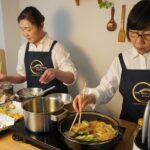
- The kitchen portion: step-by-step teaching that works for beginners
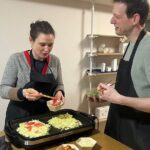
- What you actually eat: the lunch you made, not just a snack
- Price and value: how $83 fits the time and the ingredients
- Logistics that will save you stress
- Who this is best for in Osaka
- Should you book this Osaka Cooking Base class?
- FAQ
- How long is the Katsu Curry or Bento making cooking class?
- Where do I meet the guide?
- What dishes will I learn to cook?
- Is the class taught in English?
- Is the group size small?
- What’s included in the price?
- Do I need to reserve in advance?
- Is free cancellation available?
- Can I reserve now and pay later?
- Is there anything I should bring or plan for?
Key things worth knowing
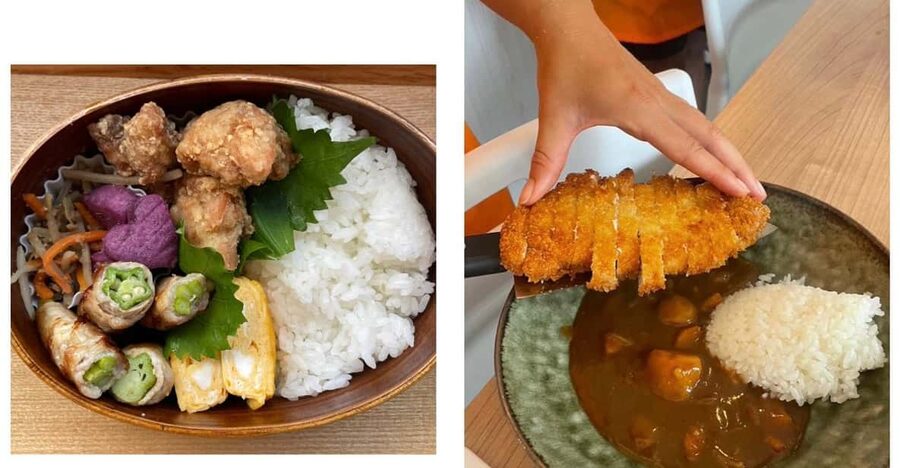
- Two meal options: choose between katsu curry and bento-making, both classic Japanese home comfort foods
- Market-to-kitchen flow: you shop at a few local stores, then cook what you found
- English instruction + translation help: you’re not left to guess the steps
- Small group size: limited to 8 participants, with some sessions running even smaller
- Culture through food: you can ask questions about Japan as you cook and eat
- Optional sake tasting/drinks: available if you want to make the experience a bit more adult
Osaka Tenmangu Shrine: the start that gives the tour its backbone
Most cooking classes in Japan start with a clipboard and a menu. This one starts with location sense. You meet at Osaka Tenmangu Shrine, and that matters because it frames the day as part of the neighborhood, not just a kitchen appointment.
You’ll want to arrive with time to orient yourself. The instruction is straightforward: meet in front of the large main gate, not the smaller back gate. That detail is small, but it saves you from the “where are you?” scramble that can cost you the first chunk of the experience.
From there, the pace makes sense. You don’t get dumped into the cooking immediately. Instead, you start with the kind of place where Japanese food culture is tied to daily routines—then you move toward shops and ingredients you’d actually encounter if you lived here.
You can also read our reviews of more tours and experiences in Osaka.

Local shop tour: learning what to buy (and why it matters)
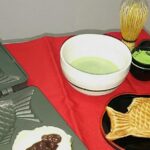
The shop portion is one of the best parts because it answers the question you’ll have later at home: what exactly should I buy, and what’s the point?
Instead of hitting a giant food market and buying random items, you visit a few local shops. That’s important. It keeps the focus on understanding common ingredients and how they show up in Japanese home meals. You’ll also get translation support while you shop, so ingredient names and usage don’t become a guessing game.
What I like about this approach is that it builds confidence. When you later recreate the dish, you’re not just following a recipe—you’re recognizing the role of each component. And because the shops are local rather than souvenir-heavy, you’re more likely to learn what’s practical to find back home (or what you can substitute).
Also, this is where the cultural exchange starts. The format is built for conversation. You can ask questions about Japan, the area, and food habits while your guide explains what you’re seeing in the shops.
Katsu curry vs. bento: two classic meals, taught in a usable way
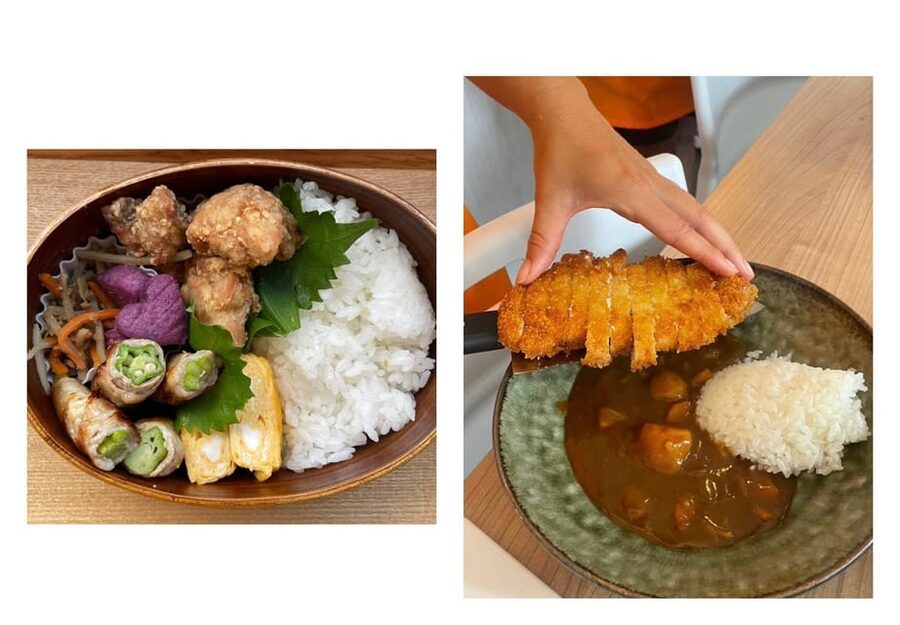
You’ll cook either katsu curry or bento. The class is set up so you come away with a method, not just a finished plate.
If you choose katsu curry
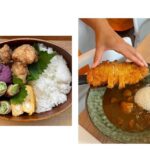
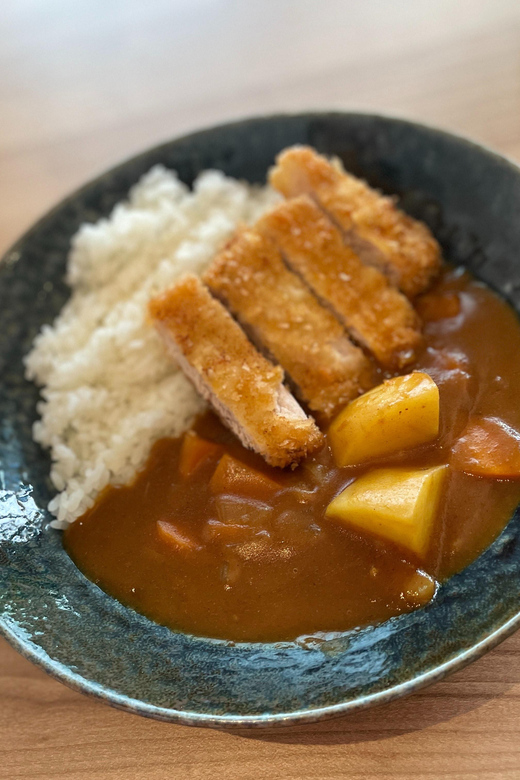
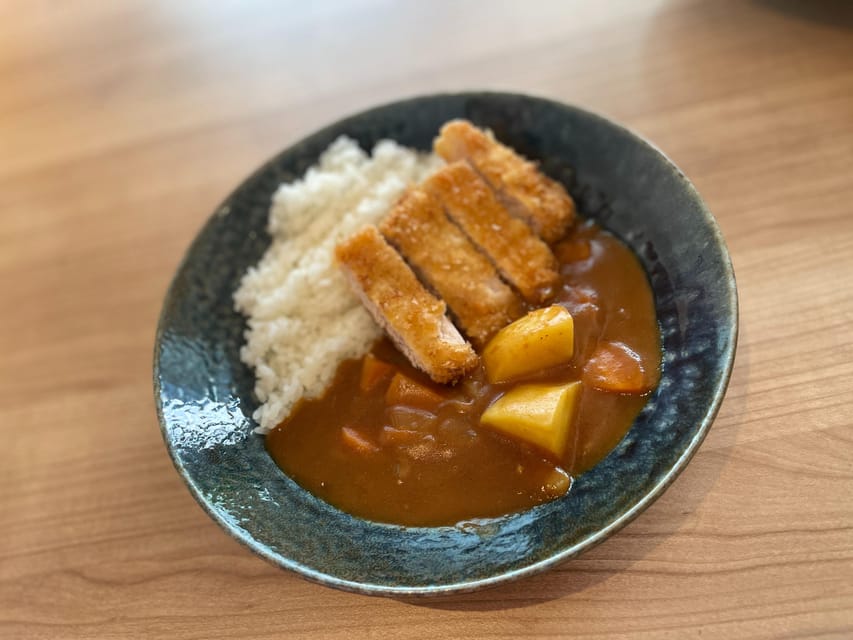
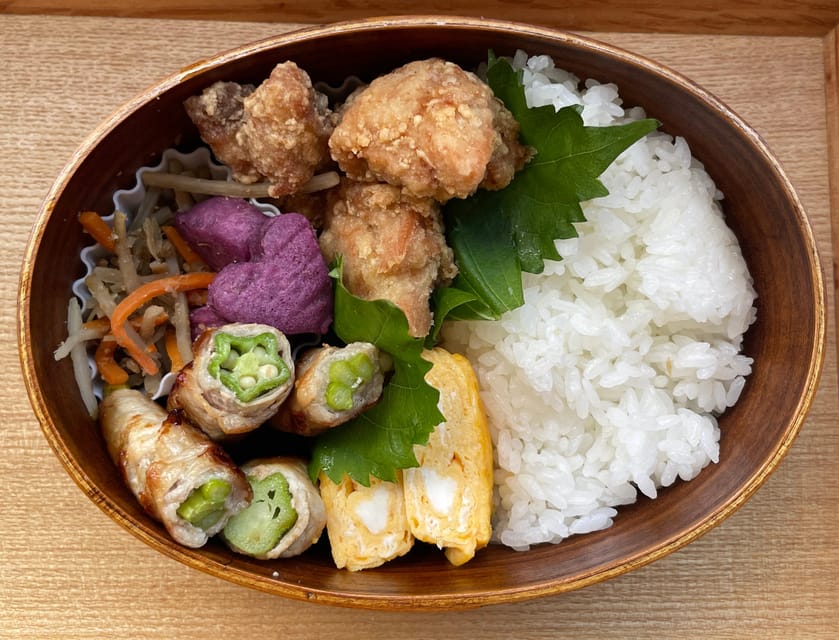
Katsu curry is comfort food with structure: crispy breaded cutlet over curry sauce, often served with rice. In a class like this, the value is learning the sequence and the logic—how to keep the breading crisp, how to manage the sauce, and how to assemble so it tastes like a real home meal rather than a “made-for-tour” version.
You’ll get step-by-step guidance for each stage. That pacing helps because katsu depends on timing. If you rush, the texture suffers. If you follow the steps, you get the right chew on the cutlet and the right coating of sauce over rice.
If you choose bento-making
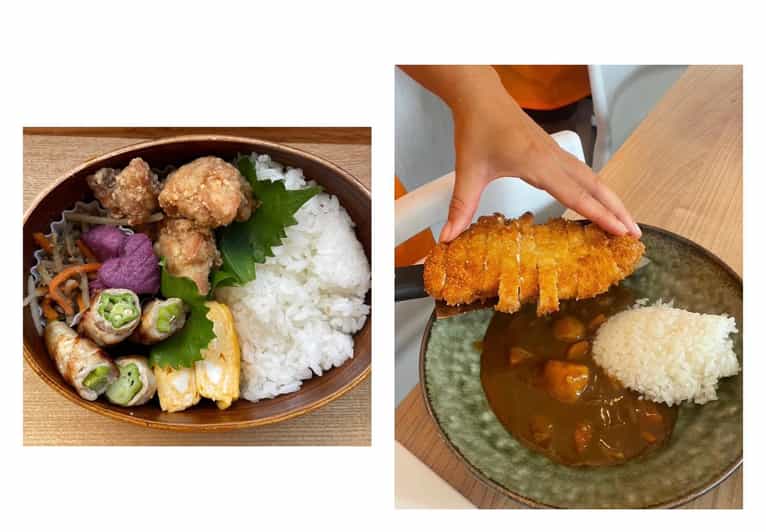
Bento is practical Japanese planning in a lunchbox. Even if you don’t eat bento often, learning it teaches you how Japanese cooks think about portioning, balance, and presentation.
You’ll build your bento with guidance through the process, and the best part is that the result feels like an achievement. One family experience really nailed this: kids and adults enjoy the hands-on building stage, and you get that satisfaction of assembling your own lunchbox from scratch.
Bento also makes the cooking skills feel more portable. Once you understand how to structure a bento, you can adapt it for leftovers and seasonal ingredients later.
The kitchen portion: step-by-step teaching that works for beginners
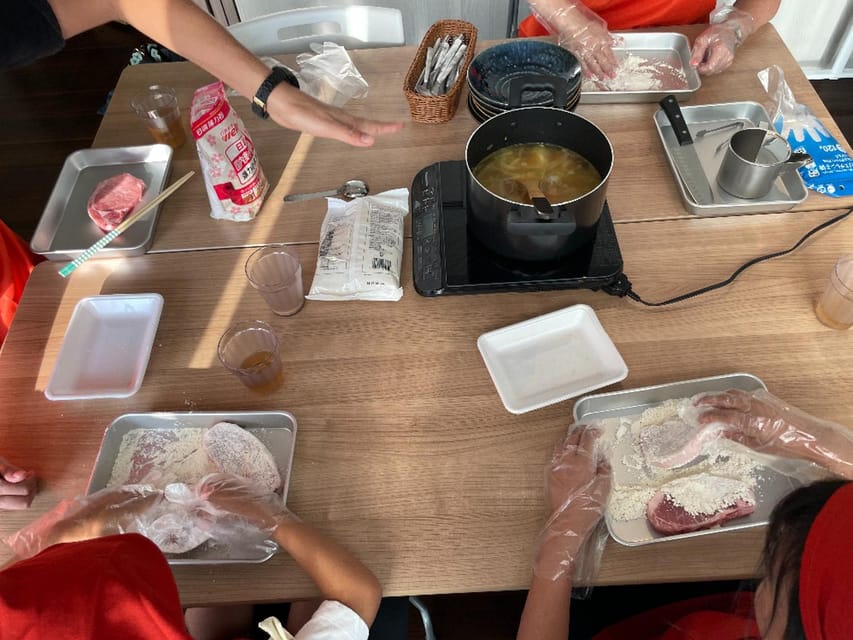
This isn’t an advanced “master chef” workshop. It’s closer to a real home-cooking lesson where your guide wants you to succeed.
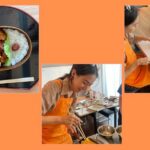
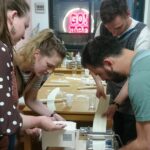
The class format is set for all ages, and you can feel that in how instruction is handled. The guide walks you through each step carefully, and translation support means you’re less likely to miss a key technique because of language barriers.
From the guidance I’ve seen in similar small-group classes, the biggest difference between a good cooking class and a frustrating one is whether the teacher expects you to know Japanese kitchen shorthand. Here, the steps are explained enough that you can keep moving without stopping every minute to decode what something means.
You’ll also be encouraged to ask questions while you cook. That makes a difference. If you’re curious about why certain ingredients go together, you’ll get real answers instead of vague nods. If you’re wondering how to adapt the dish at home, the conversation component is where you get those practical tips.
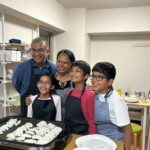
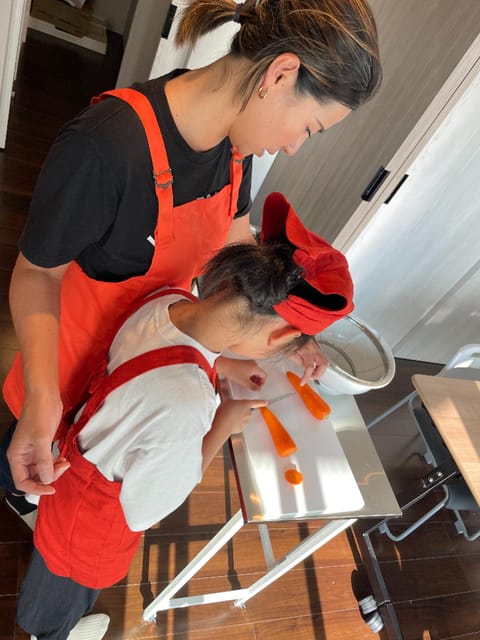
Guides on recent sessions have been especially helpful and patient—especially when children were involved. If you’re traveling with kids, that matters. It’s easier when the teacher can handle a lot of questions without rushing the whole group.
What you actually eat: the lunch you made, not just a snack
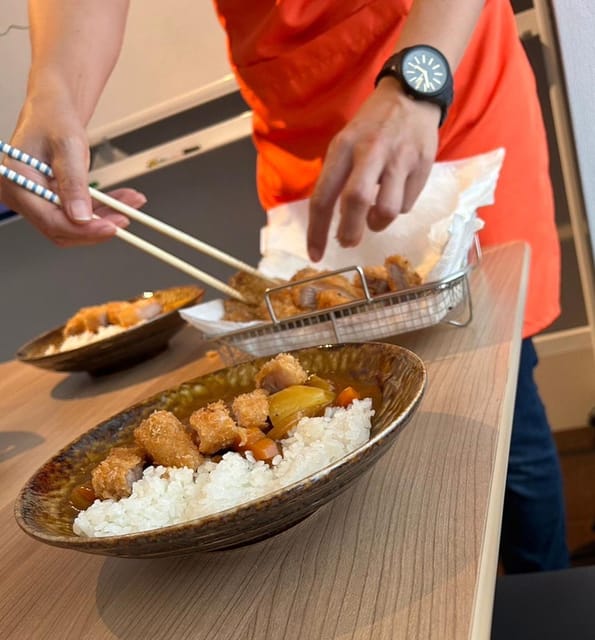
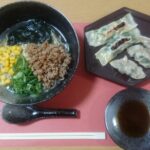
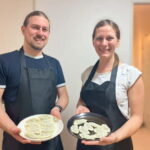
Your meal is included, and it’s one of the best value pieces of the class. This is not a “watch and taste” situation. You’re eating what you cooked: katsu curry or your bento.
That matters because your brain remembers taste plus process. You’ll be able to reproduce the dish later because you’ve felt how the sauce thickness changes, how the breading behaves, or how bento components taste together.
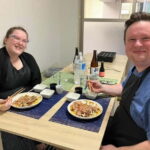
If you opt for drinks, you may also find sake tasting and other drink options included as optional add-ons (beyond water). If you like pairing food with local culture, this can make the meal feel like a fuller experience rather than just ending with lunch.
Price and value: how $83 fits the time and the ingredients
At $83 per person for about 150 minutes, you’re paying for three things at once:
First, you’re paying for a guided experience that starts at Osaka Tenmangu Shrine and includes local shop stops. Second, you’re paying for hands-on instruction in English with translation help. Third, you’re paying for the meal itself.
In other words, you’re not just buying a recipe. You’re buying the structure that helps you shop, cook, ask questions, and leave with something you can repeat.
Is it a bargain? For a cooking class in a major city, it’s reasonably priced—especially because it’s small group (limited to 8) and includes both teaching and food. Where you should be honest with yourself is time: 150 minutes means you’ll focus on one main dish experience, not a large multi-course training session. If you want to learn five recipes in one day, this won’t satisfy that.
But if your goal is to take home a confident, repeatable dish, this is solid value.
Logistics that will save you stress
Here are a few practical points that can make or break the first 15 minutes:
- Arrive at the large main gate of Osaka Tenmangu Shrine. The small back gate is the one you want to avoid.
- Expect the tour to include shop walking and then a kitchen session, so wear shoes you can move comfortably in.
- The class is English-led, with translation support, so you don’t need to hunt for phrases in Japanese.
- If you want sake or other drinks, plan to ask about the optional part during the session flow.
Timing-wise, the duration is 150 minutes. That’s long enough to do real work, but short enough that you should protect your day schedule and not cram in something far away right after.
Who this is best for in Osaka
This class makes the most sense if you want more than eating out.
You’ll likely love it if:
- you enjoy hands-on activities and want a home-cooking skill, not only a restaurant meal
- you’re curious about why ingredients matter in everyday Japanese cooking
- you want a small-group experience where you can actually ask questions
It’s also a good fit for families. One family-focused session showed how patient teaching can handle children’s questions while keeping adults engaged.
If you’re traveling solo, you can still get a personal feel because the group is capped and the format supports interaction. And if you’re a couple or friends, cooking together is a fun change of pace from Osaka’s street-food wandering.
Should you book this Osaka Cooking Base class?
Book it if you want a clear path from local ingredients to a dish you can recreate at home—either katsu curry or a bento box. The small group size, English instruction with translation help, and the built-in conversation make it feel more like a cultural exchange than a quick demo.
Skip it if you’re looking for a long, in-depth workshop with multiple separate dishes and lots of technical detail across different cuisines. At 150 minutes, the class stays focused, which is great for most people—but it’s not built for deep specialization.
If your Osaka plan includes a morning that needs one memorable, practical activity, this is the kind of experience that gives you something to cook later, not just photos to show now.
FAQ
How long is the Katsu Curry or Bento making cooking class?
The class runs for about 150 minutes.
Where do I meet the guide?
You meet in front of the large main gate of Osaka Tenmangu Shrine. Be careful not to go to the small back gate.
What dishes will I learn to cook?
You’ll learn to make either katsu curry or bento boxes.
Is the class taught in English?
Yes. The instructor is English, and translation assistance is provided.
Is the group size small?
Yes. It’s a small group limited to 8 participants.
What’s included in the price?
The tour includes a local shop tour (a few shops) and the food (katsu curry or bento). Drinks are optional, including the possibility of sake tasting.
Do I need to reserve in advance?
Yes. You must make your reservation at least 24 hours in advance.
Is free cancellation available?
Yes. You can cancel up to 24 hours in advance for a full refund.
Can I reserve now and pay later?
Yes. You can reserve your spot and pay nothing today.
Is there anything I should bring or plan for?
You should plan for a short walking tour before the cooking session, and you may want to consider whether you’d like the optional drinks such as sake tasting.