REVIEW · OSAKA
Cooking Class for Ramen and Gyoza in a Quiet Old Osaka House
Book on Viator →Operated by JP tourism · Bookable on Viator
Old Osaka, hands-on dinner time. This cooking class turns a simple food stop into a real lesson in ramen and gyoza—taught in English by Ayumi in her renovated 90-year-old kitchen studio. Two things I really liked: the class feels personal with a small group (max 6), and Ayumi makes it feel like you’re cooking with friends, not following a script. One thing to consider: it’s a full sit-and-cook meal session, so you’ll want to plan your day around the near 3-hour timing.
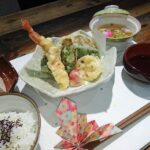
The flow is friendly and practical: you start with an intro to Japanese ingredients and condiments, then you cook together and eat what you make. You’ll also get Japanese-made chopsticks in origami-style holders, which is a nice little souvenir you’ll actually use later. If you have allergies or restrictions, you’ll need to flag them when you book—communication matters here.
In This Review
- Key Things I’d Put on Your Radar
- Stepping Into a 90-Year-Old Osaka Kitchen Studio
- What You Cook: Soy-Sauce Ramen and Homemade Gyoza
- Soy-sauce ramen lunch
- Gyoza with homemade wraps
- How Ayumi’s English-Led Teaching Works
- The Class Flow: From Ingredients to a Shared Meal
- Step 1: Meet the ingredients and condiments
- Step 2: Cook together, not separately
- Step 3: Eat what you made
- Why the Price Feels Fair for This Osaka Experience
- Location and Timing: Getting There Smoothly
- What to Do If You Have Food Allergies or Restrictions
- Who This Class Is Best For
- Shared vs. Private Class
- Should You Book This Ramen and Gyoza Cooking Class?
- FAQ
- How long is the cooking class?
- Is the class taught in English?
- What’s included in the lunch?
- How many people are in the group?
- What about food allergies or dietary restrictions?
- Is there a private class option?
- Where does the class start?
- Are chopsticks included?
Key Things I’d Put on Your Radar
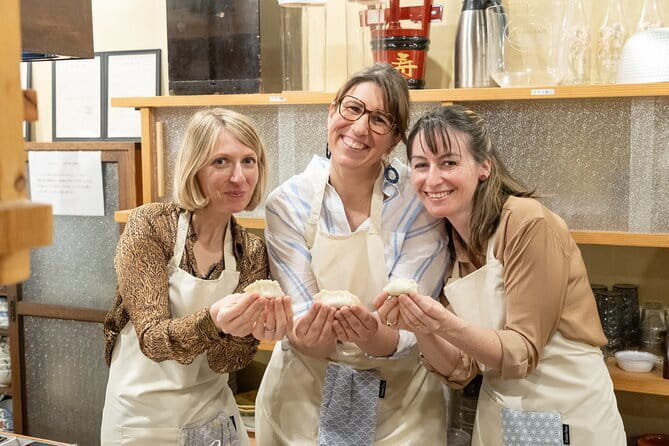
- A small class (up to 6) so you can actually see and do the steps, not just watch.
- English instruction from Ayumi, whose teaching style comes from real home cooking.
- 90-year-old house atmosphere, renovated into a kitchen studio that feels calm and special.
- Lunch is included: soy-sauce ramen with pork toppings plus gyoza with homemade wraps and pork/beef/vegetable filling.
- All participants get chopsticks in an origami-style holder with cute decorations.
Stepping Into a 90-Year-Old Osaka Kitchen Studio
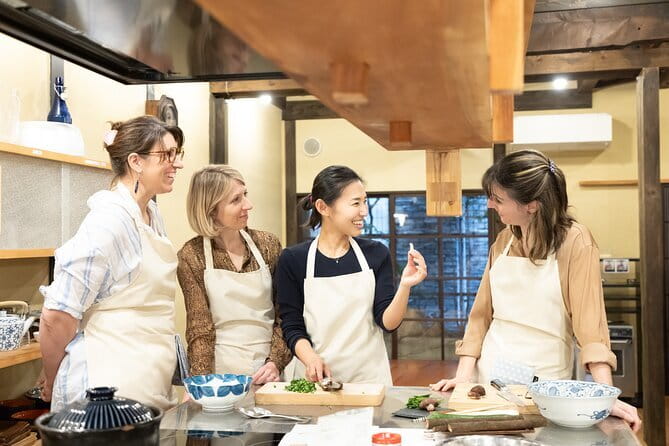
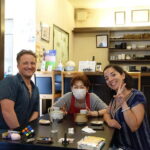
Osaka can be loud and neon-bright, sure. But this experience is the opposite mood: you’re learning food in a quiet kitchen studio inside a renovated house that’s about 90 years old. That matters more than you might think. When the space feels lived-in and warm, you relax, ask questions, and actually pay attention to the small cooking cues.
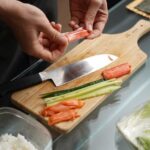
The studio setup is designed for hands-on cooking. You’re not stuck at the back of a classroom watching someone else work. Instead, you’re part of the group rhythm—learning ingredients, then moving into cooking steps together, then sitting down to eat.
Another practical plus: the class runs in English. Ayumi’s English is described as very good, and the class has a clear structure that helps you stay oriented even if you’re new to Japanese home cooking. When teaching is organized and the language is clear, you waste less time guessing.
One more detail that adds comfort: the class is capped at a maximum of 6 travelers. With that size, the instructor can keep an eye on what you’re doing and help if your gyoza folding, or your ramen cooking pace, needs adjustment.
You can also read our reviews of more tours and experiences in Osaka.

What You Cook: Soy-Sauce Ramen and Homemade Gyoza
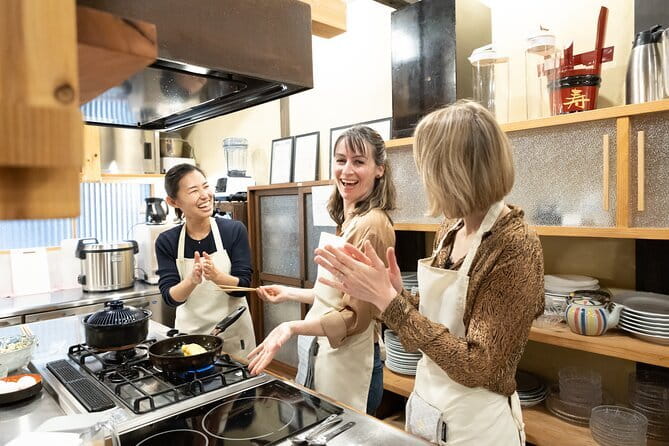
This is not a class where you just assemble items. You learn how to make both ramen and gyoza, then you eat them. And yes, lunch is included—so you’re paying for a meal and a lesson together, not just one or the other.
Soy-sauce ramen lunch
Your lunch centers on ramen in a soy sauce-based soup with pork toppings. That’s a very classic direction. Soy-sauce ramen is approachable, and it teaches you how Japanese home cooking balances flavor depth with simple ingredients. You’ll spend time learning about the ingredients and cooking methods that make the soup and toppings work.
Even if you’ve had ramen in Osaka before, the big difference here is learning why certain ingredients matter and how they come together. You’re not just ordering; you’re building.
Gyoza with homemade wraps
Next up is gyoza with homemade wraps and a filling made with pork/beef and vegetables. Homemade wraps are a big deal in a class setting because they change the texture and bite. Pre-made wrappers exist everywhere in supermarkets, but learning the wrap step helps you understand the dough feel and how that affects the end result.
Gyoza is also the part where you’ll likely notice technique right away. Folding and shaping make the difference between decent and crisp-edged. With a small group, you can get feedback when you need it rather than waiting until the end.
How Ayumi’s English-Led Teaching Works
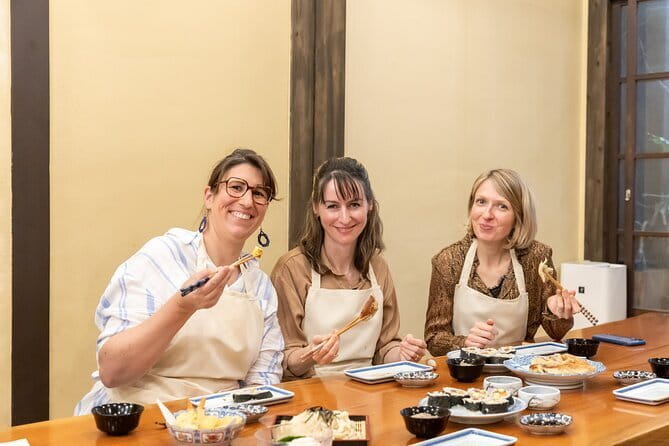
Ayumi teaches in a way that feels friendly and organized. In the class, you’ll start with an introduction to ingredients and condiments that are common in Japanese kitchens. This isn’t a random lecture. It’s the foundation you’ll use immediately while you cook.
That first stage is smart for two reasons:
- You get context before you start moving your hands. If you know what an ingredient does, the cooking steps feel less like following instructions and more like understanding a system.
- Condiments make more sense. Japanese home cooking relies on small flavor boosters. Learning what’s typical helps you replicate flavors later at home, not just the final dish.
Ayumi is local and grew up eating Japanese home cooking daily. She’s also a certified dietary education instructor, with more than 5 years of experience teaching cooking classes at home and at school. That combination shows up in the way the lesson is organized and how practical it feels.
One of the standout themes from past participants is how Ayumi makes it feel like you’re cooking with friends. That’s not just about being nice. When a teacher sets a relaxed tone, you’re more likely to ask questions about steps you don’t understand, and those small questions can save you during the cooking.

The Class Flow: From Ingredients to a Shared Meal
Here’s how your session generally moves, and why each stage is worth it.
Step 1: Meet the ingredients and condiments
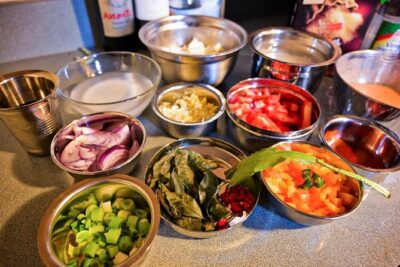
You begin with an intro to ingredients and condiments used in Japanese kitchens. This gives you a mental map. You’ll likely recognize some items from Japanese grocery stores or home cooking shows, but the point is learning how they’re used together.
Step 2: Cook together, not separately
After that, you cook and work through the ramen and gyoza as a group. The class is designed for you to actively participate. With the group capped at 6, it’s realistic to get help when needed.
Expect plenty of back-and-forth conversation. You’ll also have a chance to exchange ideas about food cultures and customs. This is part of why the class feels more than just culinary instruction.
Step 3: Eat what you made
Then you sit down and eat together. The meal is included: ramen with pork toppings and gyoza with homemade wraps and savory pork/beef/vegetable filling. This is where the whole lesson clicks, because you taste the result while it’s still fresh in your mind.
If you like food experiences that create a memory you can repeat later, this “cook then eat” format helps you remember what you did, what worked, and what you might adjust next time.
Why the Price Feels Fair for This Osaka Experience
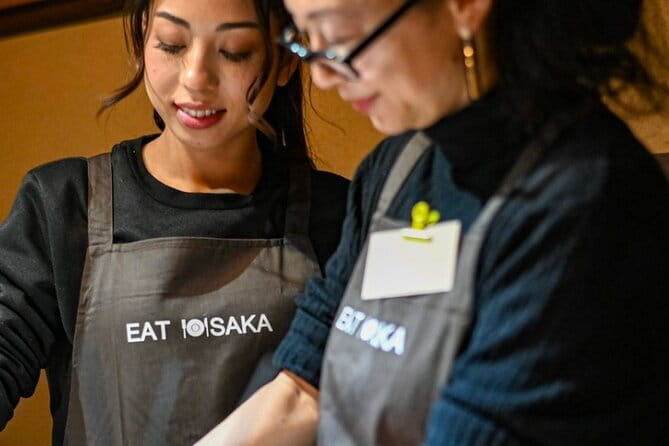
The price is $93.44 per person for about 2 hours 45 minutes, and it includes lunch (ramen plus gyoza) along with the teaching. It’s also a small group class, maximum 6 travelers.
At first glance, that can feel like a lot compared to grabbing a meal in Osaka. Here’s the honest way to judge value:
- You’re buying skill + ingredients + lunch. Cooking classes usually cost more than a restaurant meal because you’re paying for instruction and the time. Here, you also get a real meal out of it.
- Small-group size improves the payoff. With only 6 people, you get more attention and more chances to do the steps. That makes the class more efficient for learning.
- The setting and “host factor” matter. A renovated 90-year-old house turns the class into an experience, not just a transaction. And Ayumi’s warm, organized teaching style can make the learning curve easier.
Also, timing matters for availability. On average, this is booked about 38 days in advance. If your dates are set, I’d book earlier rather than waiting, because small classes fill.
Location and Timing: Getting There Smoothly
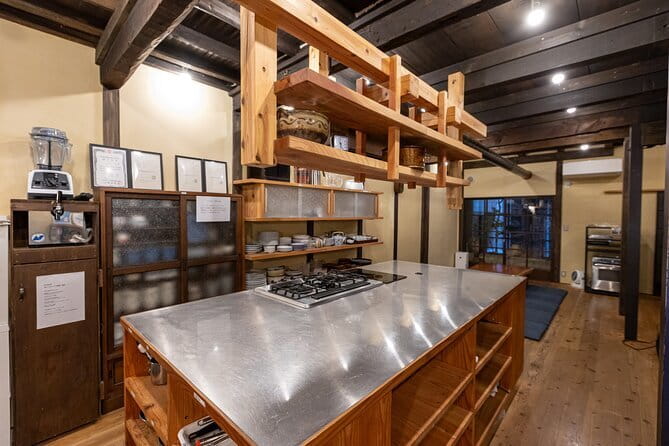
You meet at 6 Chome-13 Tanimachi, Chuo Ward, Osaka, 542-0012, Japan, starting at 10:30 am. The activity ends back at the meeting point.
This is a good time slot if you like eating earlier and freeing up your afternoon. Because it’s close to public transportation, you shouldn’t need complicated planning to reach it. If you’re staying in Osaka Castle, Namba, or Umeda areas, you’ll likely find a practical route by train, then a short walk.
One practical note: private transportation is not included, so plan on using public transit or whatever local plan you already have.
What to Do If You Have Food Allergies or Restrictions
If you have food allergies or dietary restrictions, tell the organizer when you book. The class states they’ll do their best to accommodate.
That’s all you can reasonably ask for, but it’s still on you to be specific during booking. Don’t just say food allergy—spell out what to avoid. Japanese cooking can involve multiple ingredients and cross-contact realities, so earlier communication helps you get the best answer.
Who This Class Is Best For

This experience fits best if you want something more meaningful than a standard restaurant meal.
I think it’s especially good for:
- Food-focused travelers who want a skill you can repeat at home.
- Couples or small groups who enjoy a social vibe without large crowds.
- Beginners who learn best through guided steps and clear English instruction.
- Anyone who loves the idea of Japanese home cooking in a calm setting.
It may be less ideal if you want a very fast, drop-in activity. This is a full cooking-and-lunch session, near 3 hours, and you’ll get the most out of it if you’re ready to participate.
Shared vs. Private Class
There’s a shared class option, and there’s also a private class available if you contact the provider directly. The class notes that children under 6 should book a private class if they’re attending, which is important for pacing and supervision.
Should You Book This Ramen and Gyoza Cooking Class?
Book it if you want a small-group, English-led cooking lesson where lunch is included and the teaching is built around real Japanese home cooking. Ayumi’s background and the way participants describe her—warm, friendly, organized—suggest you’ll feel comfortable even if your cooking skills are rusty.
Skip or reconsider if your schedule is too tight for a nearly 3-hour session, or if you want a more hands-off experience. This class works because you get involved.
If your goal in Osaka is to take home more than photos—something you can cook again—this is a strong choice.
FAQ
How long is the cooking class?
The class lasts about 2 hours 45 minutes.
Is the class taught in English?
Yes, the cooking class is offered in English.
What’s included in the lunch?
You’ll eat ramen in a soy sauce-based soup with pork toppings, plus gyoza with homemade wraps and pork/beef and vegetables fillings.
How many people are in the group?
The maximum group size is 6 travelers.
What about food allergies or dietary restrictions?
You should tell the provider when booking about any allergies or restrictions, and they will try their best to accommodate.
Is there a private class option?
Yes, private classes are available, but you need to contact the provider directly to book.
Where does the class start?
The meeting point is 6 Chome-13 Tanimachi, Chuo Ward, Osaka, 542-0012, Japan.
Are chopsticks included?
Yes, all participants receive Japanese-made chopsticks in holders made with origami and cute decorations.