REVIEW · NEW YORK CITY
Private NYC Cooking Class: Learn to Cook Indian and Soul Food in East Harlem
Book on Viator →Operated by Traveling Spoon · Bookable on Viator
Three hours, one home kitchen, real food lessons.
This 100% private cooking class in East Harlem pairs Soul, Tamil, and Caribbean flavors in a way you can actually reproduce, hosted by Kylie in her small apartment kitchen. You’ll start with a fresh homemade juice, hear stories about life in New York, and then learn (hands-on or as a demo) while you work through three dishes from scratch. I also like how the menu focuses on technique, not just eating.
My second favorite part is that you share the meal you helped make, and you leave with recipes you can use again later. One thing to keep in mind: the setting is a cozy apartment, so it can feel like a close working space, and the example menu includes prawn, so if you don’t eat shellfish, flag it ahead of time and ask about swaps.
In This Review
- Key highlights worth booking
- East Harlem, Small Kitchen, Big Cultural Mix
- Meeting Kylie: Juice, Stories, and Your Menu Day Plan
- The Cooking Portion: 3 Dishes, 2 Hours, Real Technique
- What You’ll Make: Examples You Can Expect to Practice
- Sitting Down to Eat: Where the Experience Clicks
- Wine or Beer Included: A Nice Touch With a Practical Side
- Price and Value at $116 for a Private Class
- Dietary Needs: How to Get Vegetarian or Gluten-Free Meals Right
- Who Should Book This East Harlem Cooking Class
- Should You Book This East Harlem Cooking Class?
- FAQ
- What kind of cooking class is this?
- How long is the experience?
- Do you cook hands-on or just watch?
- What dishes are included?
- Is alcohol included?
- Are vegetarian or gluten-free options available?
- Are recipes included?
- Is hotel pickup included?
- Who might join the hosts during the meal?
- Is there a cancellation refund available?
Key highlights worth booking
- Private class in Kylie’s East Harlem home with only your group
- Soul + Tamil + Caribbean techniques using recipes passed down through families
- About 2 hours of cooking or demo, then sit down to eat together
- Wine or beer included, so you can enjoy the meal without extra stops
- Recipes provided so you can recreate the dishes at home
- Vegetarian and gluten-free options available if you request them
East Harlem, Small Kitchen, Big Cultural Mix
I like cooking classes that don’t feel like a production. This one happens in a real home in East Harlem with host Kylie, so you get that grounded, everyday hospitality right away. The point isn’t just to make food. It’s to learn the why behind flavors: how spice blends are built, how frying techniques work, how chutneys balance heat, and how South Indian-style elements show up in a wider Caribbean-and-Soul world.
What makes it especially appealing is the fusion angle. You’ll be cooking a blend of Soul, Tamil, and Caribbean dishes, connected through shared ingredients and similar cooking logic—things like balancing fat, acid, and heat; layering spices; and using the same idea of comfort food across different cultures.
The experience also stays practical. You’ll focus on a short menu you can master in a single sitting, rather than trying to “collect” dishes like souvenirs.
You can also read our reviews of more tours and experiences in New York City.
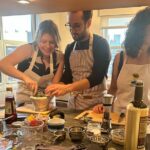
Meeting Kylie: Juice, Stories, and Your Menu Day Plan
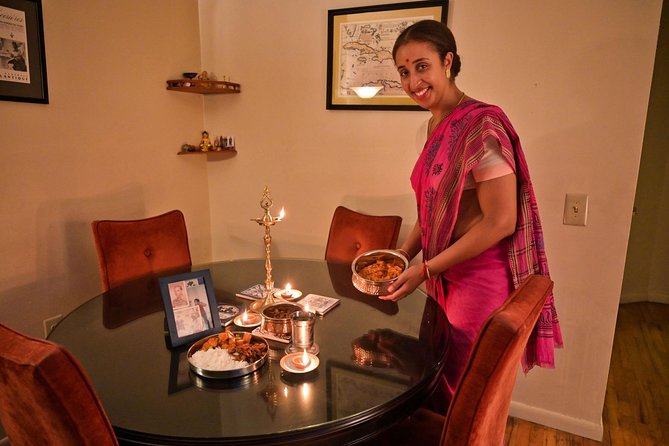
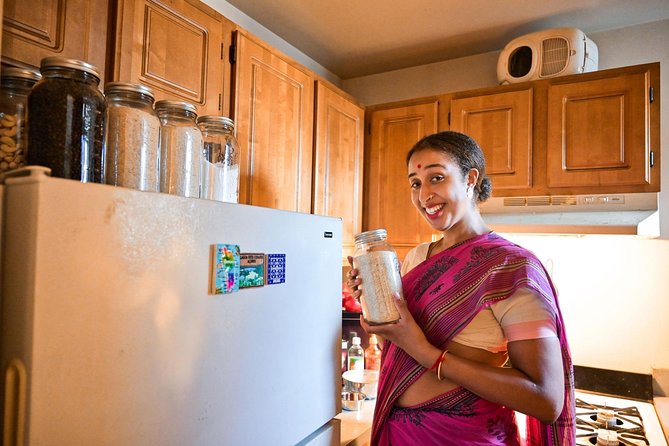
You meet in East Harlem, and you’re brought into Kylie’s kitchen process right from the start. The first step is simple but memorable: a fresh homemade juice—passion fruit or starfruit are mentioned as possibilities—while Kylie talks through her day plan and shares stories about city life.
This opening matters more than it sounds. It puts you in a relaxed rhythm before you touch anything sharp, hot, or spicy. You’re also getting context for the recipes. Kylie will explain what you’re making and how it fits into the mix of influences she and her family share.
You can expect the class flow to feel like cooking with someone who cares about both flavor and clarity. Based on your preference, Kylie can offer a hands-on class or a demo style, which is a great option if you want to learn without feeling rushed in a tight kitchen.
Tip: since you’ll likely have alcohol included, plan your arrival and return so you’re not stressed about getting home right after the meal.
The Cooking Portion: 3 Dishes, 2 Hours, Real Technique
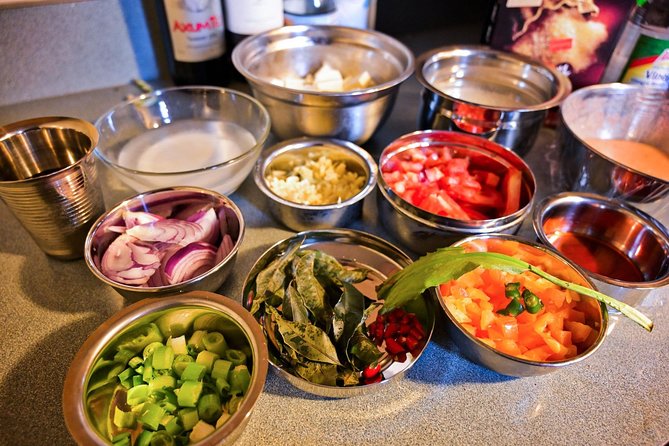
The cooking time is about 2 hours, and that’s where you’ll get the best value from the session. You’ll either cook alongside Kylie or watch her prepare, depending on what you want. Either way, you’ll get a close look at how three dishes come together from scratch.
In terms of what you’ll learn, the class is structured around technique. You’re not just repeating steps from a card. You’re picking up the cues that tell you when something is ready—consistency in batter, browning cues for frying, timing for crepe-style dosai, and how a curry develops with layering.
The menu can vary by day, but you’ll likely see a mix like this:
- Vadai (fried dumplings) as a starter idea in the sample menu
- Prawn curry alongside South Indian elements in the sample menu
- Dosai (savory rice crepes) paired with curry in the same menu concept
- Cornbread appearing as another comfort-food side in the sample menu
- Payasam as a dessert possibility
Other menu possibilities are also described, which helps you understand the range:
- Appetizers like tostones or fried plantains
- Fried rice flour dumplings with chutney
- A main concept like prawn curry served with dosai, rice and peas, and even sides like avocado
- Dessert like payasam again
If you love food learning, this is a sweet spot: you get enough variety to taste different textures, but not so many dishes that nobody has time to teach you properly.
What You’ll Make: Examples You Can Expect to Practice
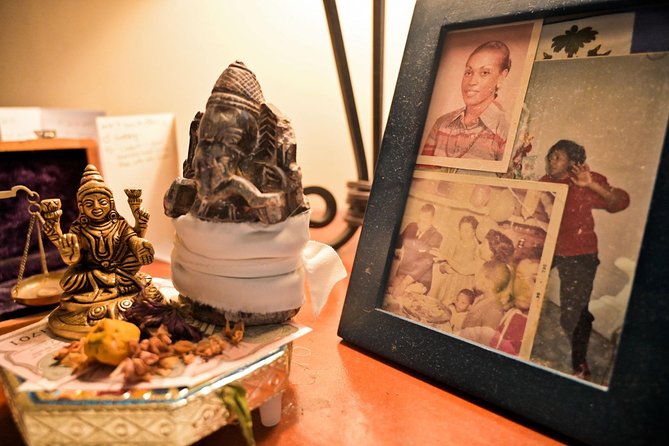
Let’s talk specifics, because the dishes are where the experience becomes useful at home.
Vadai (fried dumplings)
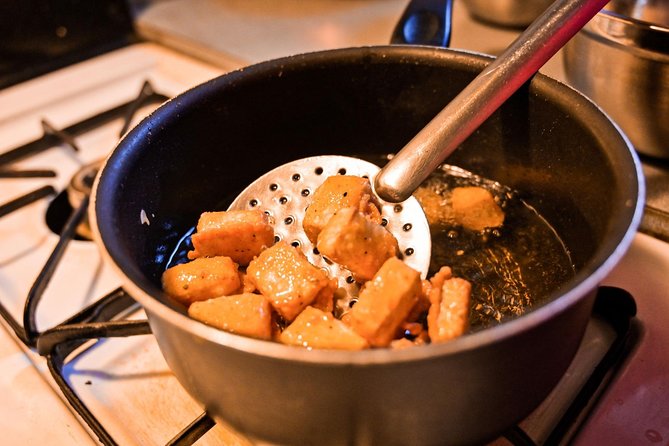
You’ll get a lesson on frying and how to judge readiness based on appearance and texture. Fried snacks like this can go wrong fast if oil temperature and batter feel are off. Watching or doing it with guidance helps you understand the small shifts that make the difference between crisp and greasy.
Prawn curry
Curry here isn’t just a sauce. It’s a system. You’ll learn how ingredients and seasoning combine, and how the curry supports the rest of the plate—especially the breadlike or crepe-like parts. Since the sample includes prawns, if you’re not into seafood, request adjustments early so you don’t end up surprised at the stove.
Dosai (savory rice crepes)
Dosai has its own pacing and technique. The class format should make the biggest skills easier to grasp: heat control, batter spread, and the timing that gets you the right texture. Even if you’ve cooked crepes before, dosai has its own personality, and that’s the fun.
Cornbread and payasam
These rounds out the comfort-food side. Cornbread gives you something familiar but still tied to how the meal is structured. Payasam brings dessert into the same story as the rest of the food—sweet, creamy, and meant to be part of the final sit-down moment, not an afterthought.
And if your menu day includes appetizers like plantain dishes or chutney-based dumplings, treat those as bonus lessons. You’re learning how Caribbean-style comfort snack ideas and South Indian flavor balancing show up on the same table.
Sitting Down to Eat: Where the Experience Clicks
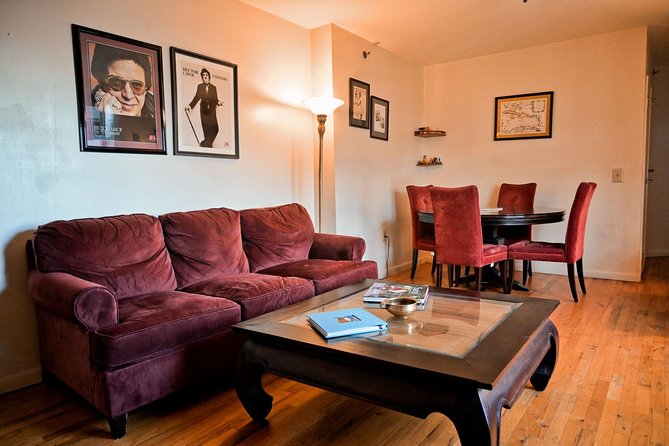
The best cooking classes end with a real meal. This one does. After the cooking portion, you sit down with Kylie and share what you helped prepare. That shared table time is where the day’s lessons turn into something emotional, not just technical.
You’ll also get a chance to talk with Kylie during the meal. It keeps the vibe personal, and it’s one of the reasons the experience feels memorable rather than transactional. On days when Kylie’s husband Madhav is available, he joins you at the table, which adds another layer of home-family storytelling.
This is also when you can taste and connect. You’ll notice how chutney changes the bite, how curry depth changes after sitting, and how fried items hold up differently once they cool slightly. Those small observations are what help you cook better later.
Practical note: the class includes wine or beer, so if you plan to walk, use public transit, or bike afterward, keep it easy and pace yourself.
Wine or Beer Included: A Nice Touch With a Practical Side
Including wine or beer makes the meal feel like an event rather than a lesson-with-a-snack. It’s included as part of the experience, and gratuities are also included, so you’re not scrambling to figure out what costs extra.
Still, be smart about it. You’re in someone’s home, cooking and eating within a few hours. If you’ll be having alcohol, plan your transport so you don’t feel rushed right after the class ends.
Price and Value at $116 for a Private Class
At $116 per person for about 3 hours, the value depends on what you’re buying: space, time, and teaching.
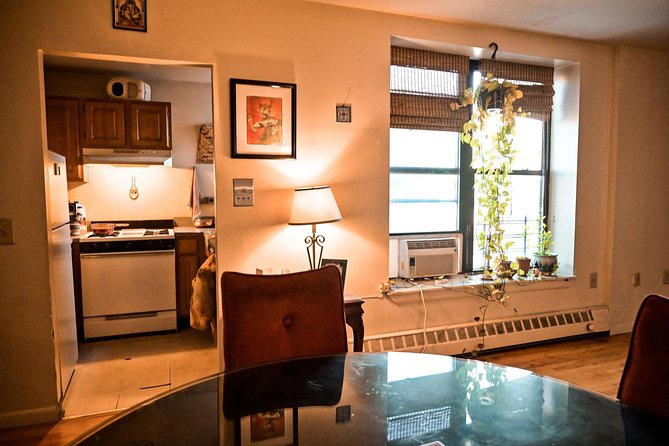
This isn’t a large group demo where you stand at a distance. It’s a private class in a home kitchen with your host Kylie and only your group participating. That matters, because private teaching is what lets you ask questions while the food is still on the heat, and it’s what makes the recipes feel doable later.
You also get a few extras that improve value:
- Wine or beer included
- Recipes provided to take home
- Gratuities included
- Vegetarian and gluten-free options if requested
Compared to more formal cooking studios, the home setting can feel more casual—but in a good way. If you care about authenticity and learning, you’re paying for an efficient, personal experience, not for a big branded venue.
Dietary Needs: How to Get Vegetarian or Gluten-Free Meals Right
The experience offers vegetarian and gluten-free options upon request. That’s a big deal, because it means you can plan the class around your needs rather than trying to “pick around” the menu after you arrive.
For best results, request your dietary preferences clearly ahead of time. The sample menu includes items like prawn curry, so the kitchen may need time to adjust dishes and cooking flow.
If you’re gluten-free, ask what’s being adapted. You’ll likely still get the core technique lessons—frying, curries, crepes or similar components—just tailored to your constraints. The fact that the class is private helps here. The host can focus on your group instead of trying to manage a one-size-fits-all menu.
Who Should Book This East Harlem Cooking Class
This is ideal if you:
- Want a private, in-home cooking experience instead of a crowded event
- Like learning techniques and not just collecting recipes
- Enjoy South Asian and Caribbean flavors, especially dishes like dosai, curry, and fried snacks
- Want a meal with conversation and a personal host, not just a scripted performance
- Appreciate taking home recipes you can recreate
It may not be perfect if you:
- Really dislike close quarters in a small kitchen
- Have strict food rules and want a fully customized menu with no risk of seafood presence (in your example menu, prawn appears, so you’ll want to coordinate)
Should You Book This East Harlem Cooking Class?
If you’re the type of traveler who loves learning from real people in real kitchens, I think this is an easy yes. The mix of Soul, Tamil, and Caribbean techniques, the home-table meal, and the fact that you receive recipes to cook at home makes it feel like more than a one-night outing.
I’d book it particularly if you can see yourself enjoying wine or beer with dinner and you’re comfortable getting to East Harlem on your own. If you want a private class that teaches you how to cook the food you’re eating, this one is built for that.
FAQ
What kind of cooking class is this?
It’s a private cooking class in East Harlem with your host Kylie. Only your group participates.
How long is the experience?
It’s listed as about 3 hours.
Do you cook hands-on or just watch?
Based on your preference, Kylie can offer either a hands-on class or a demo style. You’ll learn by cooking or watching your host prepare three dishes from scratch.
What dishes are included?
The sample menu includes Vadai, Prawn curry, Dosai, Cornbread, and dessert like Payasam. Other days may include items like tostones, fried plantains, fried rice flour dumplings with chutney, and sides such as rice and peas or avocado.
Is alcohol included?
Yes. Wine or beer is included.
Are vegetarian or gluten-free options available?
Yes. Vegetarian and gluten-free options are available upon request.
Are recipes included?
Yes. You get recipes to cook at home.
Is hotel pickup included?
No. Hotel pickup and drop-off are not included, and the experience ends back at the meeting point.
Who might join the hosts during the meal?
On days that Madhav is available, he will join you at the table.
Is there a cancellation refund available?
Yes. Cancellation is free, with a full refund if you cancel up to 24 hours in advance of the start time.
—
If you tell me your dietary needs (and whether you prefer hands-on or demo style), I can help you decide what to request before you go.