REVIEW · PAROS
Paros: Cooking Class with Greek Meal & Wine
Book on Viator →Operated by MTM Experiences · Bookable on Viator
Parian cooking class with Greek meal and wine is a fun way to spend an afternoon in Paros. You’ll work with local cooks in a small group (English-friendly) and then eat what you helped make—no restaurant menu guesswork, just real technique and real flavors.
I especially like the hands-on format—everyone gets time at the prep stations and can jump in, even if you’re not a confident cook. I also like that the night isn’t only about food: you’ll get a brief introduction to local traditional dance, so the whole meal feels like a mini Paros celebration led by instructors like Vivian, Maria, and Abdul.
One possible drawback to think about: the class includes local house wine with your meal, and many people describe drinks as flowing. If you’re avoiding alcohol or want a very quiet, low-energy experience, plan accordingly and let the team know your preference.
In This Review
- Key points before you go
- Paros cooking class basics: what happens in 3.5 hours
- Meeting point at Anezina and how pickup keeps it simple
- Welcome ritual: wine, aprons, and getting your station ready
- Hands-on Greek cooking: from starters to dessert
- What you’ll actually do in the kitchen (and why it feels inclusive)
- Greek dancing lesson: the short cultural break that fits the meal
- The shared lunch: what’s on the table and how wine plays in
- Small-group size (and max travelers): why you’ll feel part of it
- Price and value in Paros: is $140.29 worth it?
- What to bring and what to ask for before the class
- Who should book this Paros cooking class
- Should you book this Paros cooking class?
- FAQ
- How long is the Paros cooking class?
- What is included in the price?
- Is pickup offered from hotels?
- Do I need cooking experience?
- What language is the class taught in?
- Is alcohol included?
- What kind of food will I cook and eat?
- Are recipes provided after the class?
- Is it suitable for people with dietary restrictions?
- What is the group size?
Key points before you go
- Small-group feel: capped at 15 (and listed with a max size of 25), so you’re not lost in a crowd
- Learn directly, cook directly: guidance comes from local cooks, not printed recipes you never use
- Full Greek meal pacing: prep, cook, then sit down together to eat what you made
- Wine is part of the meal: local house wine is included during lunch
- Dance lesson included: you’ll get a short intro to Greek traditional dance
- Recipes for home: you’ll leave with the recipes for the dishes prepared
Paros cooking class basics: what happens in 3.5 hours
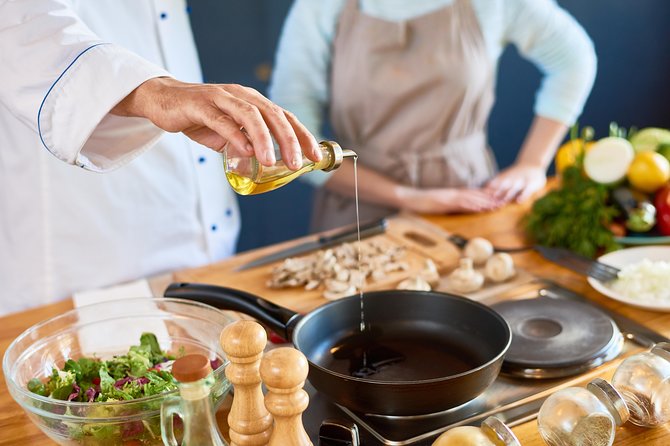
This is a 3 hours 30 minutes class designed for people who want serious food value without giving up a whole day. In that time, you’re not just watching—you’re in the kitchen, learning steps, prepping ingredients, and assembling dishes through guided instruction.
The structure also makes sense for vacation mode. You start by getting oriented, move through a sequence of appetizers and mains (and, yes, dessert), then end with a shared meal. By the time you’re done, you’ve got both a full belly and recipes you can actually use later.
You can also read our reviews of more tours and experiences in Paros.
Meeting point at Anezina and how pickup keeps it simple
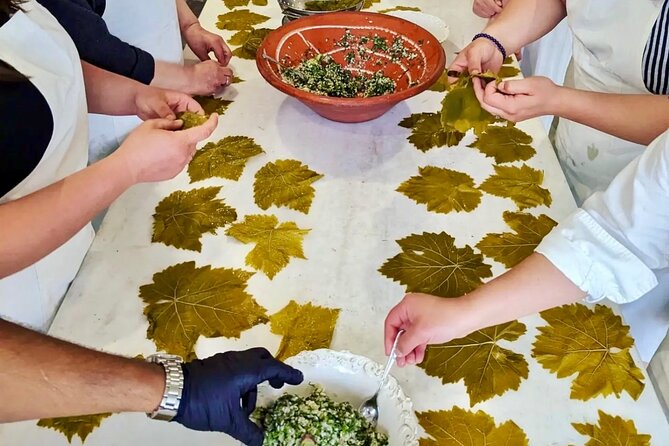
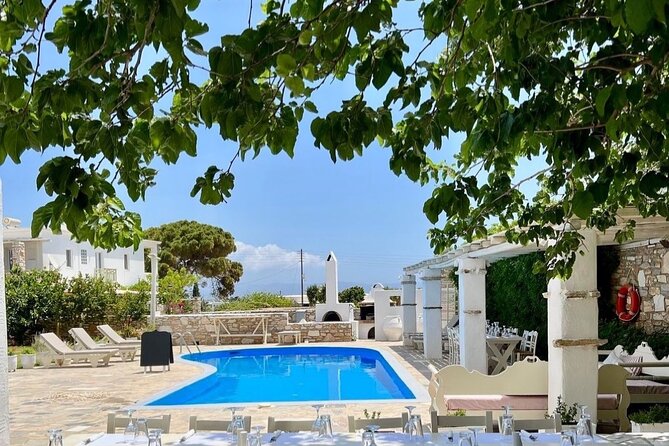
The class meets at Anezina Hotel & Village, Naousas, Drios 844 00, Greece. If you’re staying nearby, pickup is offered and included—hotel lobby or a nearby appointed location—so you don’t need to figure out transport for a single activity.
Why this matters: Paros can be easy to navigate on a normal day and tricky when you’re squeezing in an extra stop. Having pickup/drop-off built in removes that stress, especially if you’re coming from Naousa or a hotel outside the main lanes.
Welcome ritual: wine, aprons, and getting your station ready
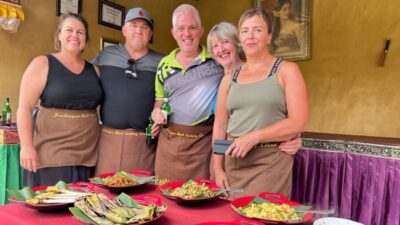
Your experience starts with a welcome that keeps things relaxed and social. You’ll typically receive headwear and an apron, and there’s a start drink—people describe it as a glass of house wine right away—while the team sets you up for cooking.
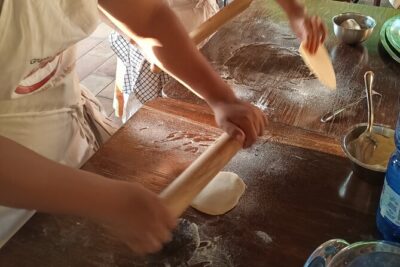
Then the class moves into stations. The vibe is very participatory: instructors guide technique, and you can help with chopping, measuring, and assembling. One review even described different groups preparing ingredients before the instructors bring it together, which is a smart way to keep the pace moving without anyone standing around.
Hands-on Greek cooking: from starters to dessert
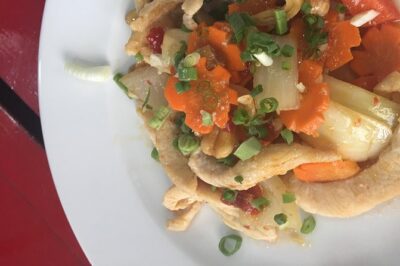
The class is built around making a satisfying full Greek meal, step by step, from appetizers through dessert. The exact dishes can vary, but based on what past classes included, you should expect to work on several recognizably Paros-friendly classics.
Here are examples that came up repeatedly in descriptions:
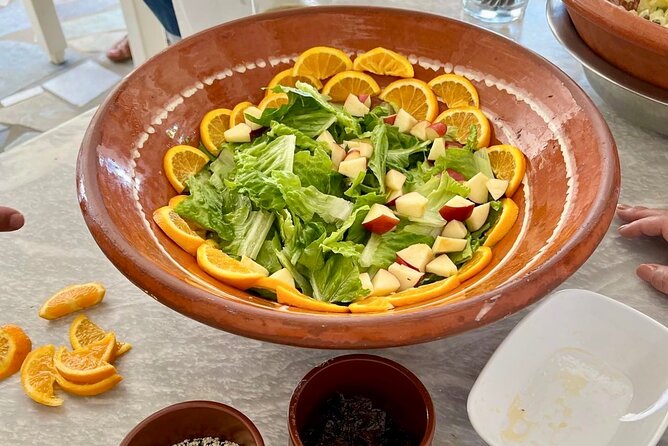
- Anezina-style salad and other appetizer components
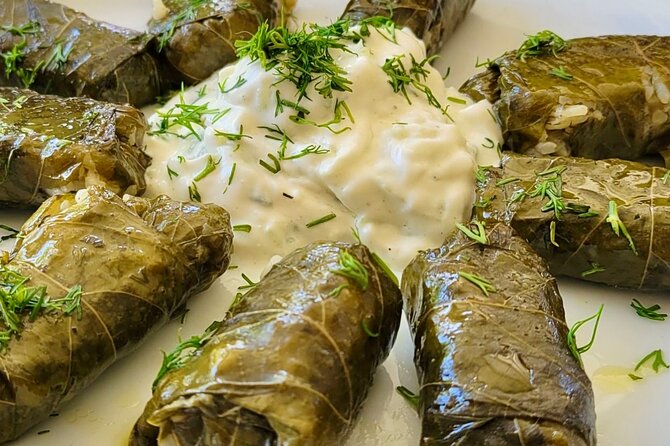
- Dolmades (stuffed grape leaves)
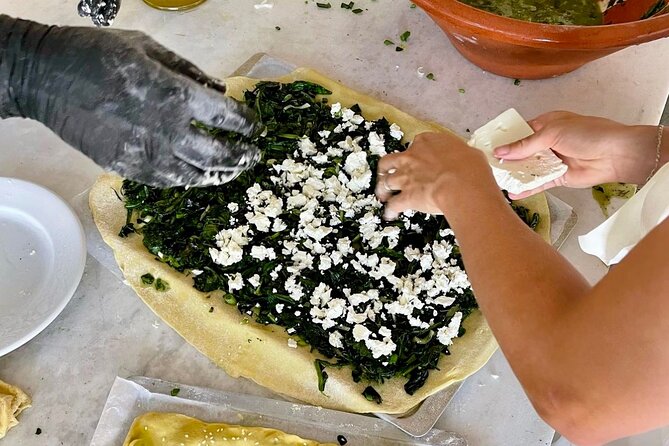
- Spanakopita or spinach-and-cheese pie
- Chicken with orzo
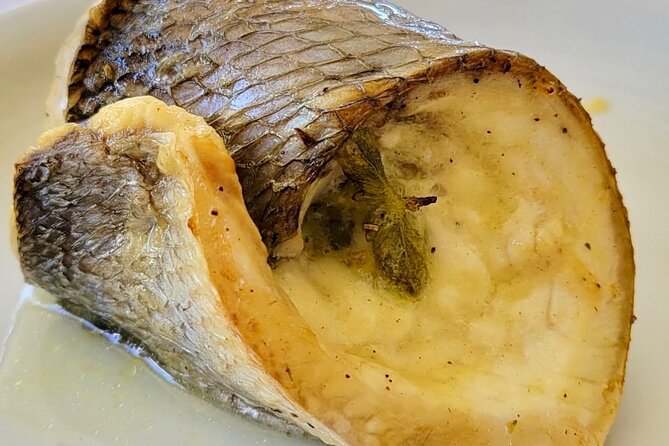
- Lemon-stuffed sea bass
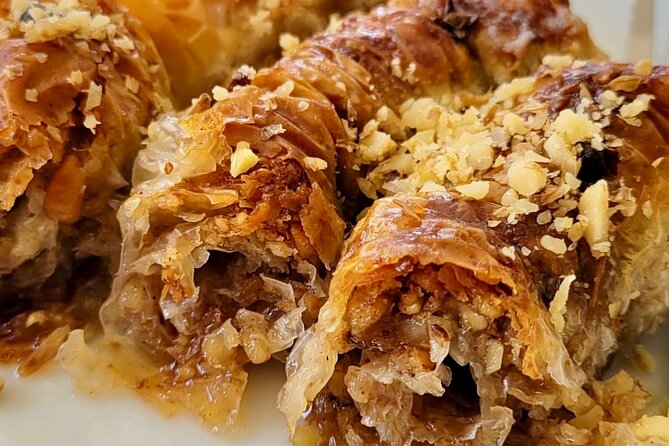
- Baklava for dessert
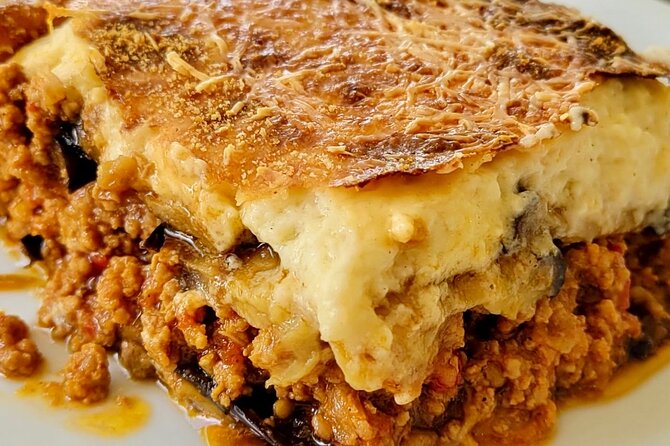
- Dishes like moussaka, stuffed tomatoes, mussels, and tzatziki also show up in some sessions
What’s the real benefit? You learn how Greek cooking decisions happen in the kitchen—how a filling is built, how sauces behave, and what to watch for as you cook. Even if the prep sounds like work (chopping is chopping), the class is paced so you’re never stuck doing just one task for hours.
And you don’t need experience. That’s a big deal on vacation. The team’s job is to translate the process into steps you can follow, so you can feel successful by the time lunch arrives.
What you’ll actually do in the kitchen (and why it feels inclusive)
A lot of cooking classes quietly fail the “participation” promise. This one seems to take participation seriously. Reviews repeatedly mention that the instructors involve everyone and keep multiple stations running so solos and couples both get hands-on time.
You’ll also get small technique moments that help you cook with confidence at home. One person mentioned even filleting fish during their class. You might not see fish every time, but the broader point is that the instructors are comfortable teaching practical skills—not only assembly.
If you’re traveling solo, this is especially appealing. The class setup encourages interaction at the tables and stations, and the friendly structure helps you feel included rather than awkward.
Greek dancing lesson: the short cultural break that fits the meal
After some cooking and before (or around) the shared dinner, you’ll get a brief introduction to a local traditional dance. Reviews describe laughter, music, and a quick moment where you’re not holding a spoon.
Why it works: it breaks the “work in the kitchen” stretch and turns the food into a shared experience. It’s also the kind of activity that doesn’t require coordination. You follow along, try a few steps, and then you’re back to being part of the group dinner.
The shared lunch: what’s on the table and how wine plays in
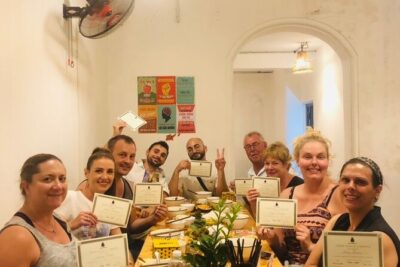
Your lunch is included, and it’s not a separate catered meal. It’s the dishes you prepared together. That means you get a clear line from effort to payoff: you made it, so you know what it should taste like.
Local house wine is included with your meal. Many reviews describe it as plentiful—so the overall tone can feel like a relaxed celebration rather than a strict tasting-only event.
Good to know: if you’re not drinking, you can still enjoy the class, but you’ll want to be mindful of the group energy. The best approach is to tell the organizers your preference and dietary needs before you go.
Small-group size (and max travelers): why you’ll feel part of it
This class is marketed as small-group, and the numbers reflect that. You’ll see a cap of 15 mentioned in the class description, and the overall listing also states a maximum of 25 travelers.
In plain terms, that size range usually means:
- you can get questions answered without waiting
- you’re less likely to get stuck watching
- the instructors can rotate attention across the stations
So if you hate tours where you just shuffle from one stop to another, this should feel more like a shared workshop. It also tends to be a great fit for families, couples, and food-focused friends who want one memorable evening (or afternoon) that’s active.
Price and value in Paros: is $140.29 worth it?
At $140.29 per person, the value comes from stacking what you normally pay for separately:
- a full cooking session (around 3.5 hours)
- lunch made from your work
- local house wine during the meal
- pickup/drop-off included
- the recipes for what you cooked
If you compare that to paying for a meal plus a separate paid activity, the pricing starts to make sense. You’re buying time, instruction, and the ability to take home the dishes’ method—not just the finished plate.
The only caution is expectation-setting. This isn’t a quiet chef’s workshop where every dish is plated like a museum piece. It’s a lively, interactive class that mixes cooking with celebration, including dance and wine.
What to bring and what to ask for before the class
You don’t need previous cooking experience. Still, a few practical things can help you enjoy it more:
- Wear clothes you don’t mind getting a little messy. You’ll be in an apron, but kitchen life happens.
- If you have dietary restrictions, say so ahead of time. The operator asks you to inform them.
- If you have strong preferences about alcohol, communicate that early. Wine is included with the meal.
One review specifically praised accommodations for a child with a nut allergy. That’s encouraging, but the responsible move is still to notify the team so they can plan safely.
Who should book this Paros cooking class
This is a strong match if you want:
- a hands-on Paros food experience
- a full Greek meal instead of a snack-only demo
- small-group attention and easy participation
- something fun and social, with a little dance and wine
It also works well for first-timers to Greek cooking, because the instruction is built to guide you through steps you can repeat later. If you’re the kind of traveler who likes learning how food is made (not only where to eat it), you’ll probably leave with a new approach to Greek flavors.
Should you book this Paros cooking class?
I’d book it if you want one activity that gives you more than a meal—kitchen skills, recipes, and a social atmosphere tied to Parian food culture. The class is priced like an experience, not like a quick show, and the included lunch, wine, pickup, and recipe handoff are the combo that makes it feel fair.
Skip it (or at least think twice) if you strongly prefer alcohol-free events or you’re looking for a totally quiet, formal tasting. Otherwise, this is exactly the kind of day-trip plan that turns a vacation meal into something you can recreate—and laugh about—back home.
FAQ
How long is the Paros cooking class?
It runs for about 3 hours 30 minutes.
What is included in the price?
The class includes cooking instruction, lunch, pickup/drop-off transfer, recipes of the dishes prepared, local house wine with your meal, and a brief introduction to traditional dance.
Is pickup offered from hotels?
Yes. Pickup is offered, and pickup/drop-off transfer is included. You’ll need to provide the exact hotel details.
Do I need cooking experience?
No. There’s no need for previous cooking experience.
What language is the class taught in?
The experience is offered in English.
Is alcohol included?
Yes. Local house wine is included during your meal.
What kind of food will I cook and eat?
You’ll prepare a full Greek meal step by step, ranging from appetizers to desserts, and then you’ll enjoy the dishes you made for lunch.
Are recipes provided after the class?
Yes. You receive the recipes of the dishes prepared during the class.
Is it suitable for people with dietary restrictions?
You should inform the organizers about any dietary restrictions in advance so the team can prepare accordingly.
What is the group size?
The class is described as capped for an intimate atmosphere, and the tour information lists a maximum of 25 travelers.