REVIEW · HOI AN
Private cooking class tour with Master Chef
Book on GetYourGuide →Operated by Lantern restaurant and cookingclass · Bookable on GetYourGuide
Hoi An kitchens teach you faster than cookbooks. In this private master-chef class, you shop like a local and then cook Vietnamese dishes step by step, not just watch from the side. I especially liked the market time because it teaches you how to pick ingredients, not just what to cook.
I also love that the chef has you making Hoi An crispy spring rolls and the punchy flavors behind green mango with prawn salad and sweet-and-sour chili sauce. One consideration: if you have food allergies, double-check ingredients early, because the menu can change based on what’s available.
In This Review
- Key Things I’d Bet You’ll Enjoy
- From Pickup in Hoi An to a Real Cooking Start
- The Market Tour: More Than a Walk, It’s Ingredient Training
- The Organic Garden Stop That Changes How You Taste Herbs
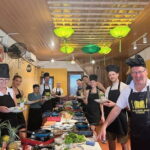
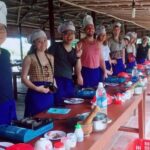
- Cooking Class With a Master Chef: Where Your Hands Do the Work
- What You’ll Cook: Spring Rolls, Mango Salad, Sauce, and Pho
- Star appetizers and sauces you’ll make
- Main course comfort: Hanoi-style beef or chicken noodle soup
- Dessert to close out the meal
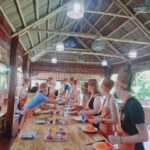
- Eating What You Cook: The Best Way to Learn Taste
- Private and English-Led: How You Get Personal Coaching
- Price and Value: Is $39 a Person Fair?
- Timing Options That Actually Fit a Hoi An Day
- Practical Tips: What to Bring and How to Get the Best Results
- Who Should Book This Hoi An Master Chef Class?
- Should You Book This Master Chef Cooking Tour in Hoi An?
- FAQ
- What does the cooking class menu include?
- Is the market tour included?
- Do you visit an organic garden?
- How long is the experience?
- What time slots are available?
- Can I cancel for a refund?
Key Things I’d Bet You’ll Enjoy
- Market shopping that actually helps you buy like a local, including how ingredients are displayed and what to look for.
- Hands-on cooking of set Vietnamese favorites like spring rolls, green mango salad, and pho (beef or chicken noodle soup).
- Organic garden context that makes herbs and greens feel less mysterious on your plate.
- A patient, friendly English-speaking guide who keeps the class fun while you cook.
- Private, small-group feel, so you can ask questions and get personal corrections.
- A complete meal you finish yourself, including dessert of mixed fresh fruit.
From Pickup in Hoi An to a Real Cooking Start
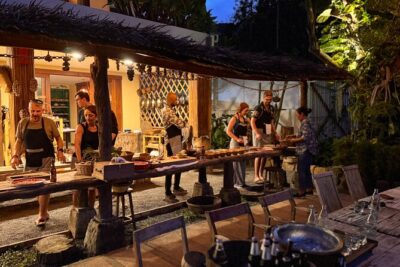
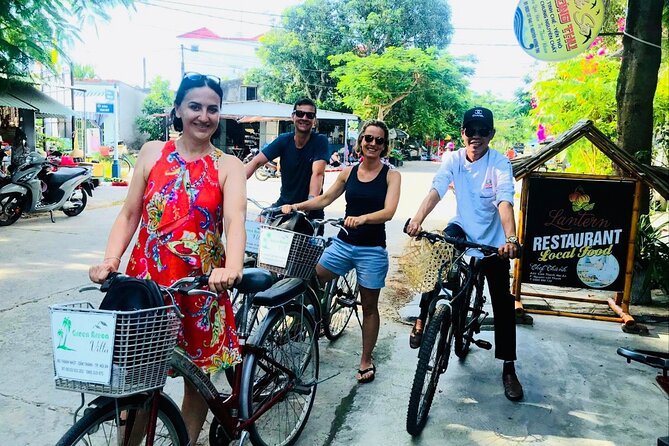
Most cooking classes in Vietnam start with a lecture. This one starts with movement—your day begins when you’re picked up in Hoi An and taken to where the ingredients live. It keeps the energy up and gives you a head start on the flavors you’ll be chasing later.
You also get choice in the timing. There are afternoon and evening sessions for the cooking-only option, but if you want the full experience, there’s an option that adds a local market and an organic garden. The exact pickup timing depends on the slot you choose, so it’s worth confirming your start time and where you’ll be collected from.
You can also read our reviews of more tours and experiences in Hoi An.
The Market Tour: More Than a Walk, It’s Ingredient Training
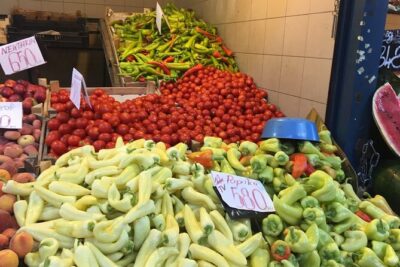
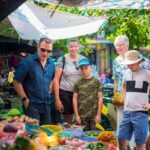
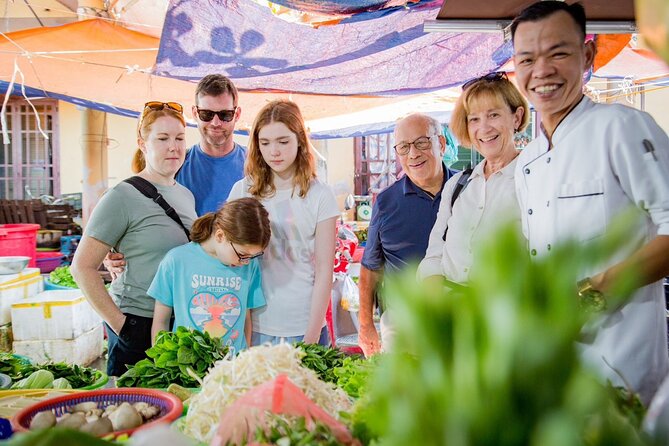
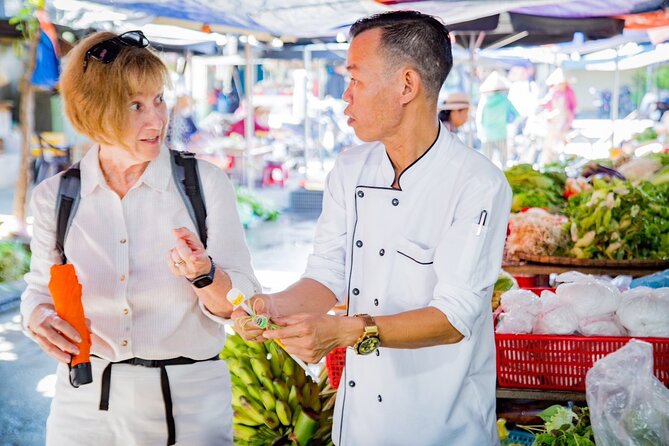
If you choose the option that includes the market, you’ll head straight to a local shopping area and learn how to deal with sellers. This is where the class becomes more useful for your life after Vietnam.
Here’s what I like about this style of market visit: you’re not just looking. You’re learning the practical parts—what produce looks like when it’s fresh, how ingredients are bundled and sold, and how to ask for what you want. Even when markets are quieter at certain holidays, a good guide can still connect the dots for you, so you understand what you’re seeing and why it matters for cooking later.
It’s also the point where you can choose to buy ingredients for your class. That means when the cooking starts, you’re already familiar with the key items, textures, and smells.
The Organic Garden Stop That Changes How You Taste Herbs
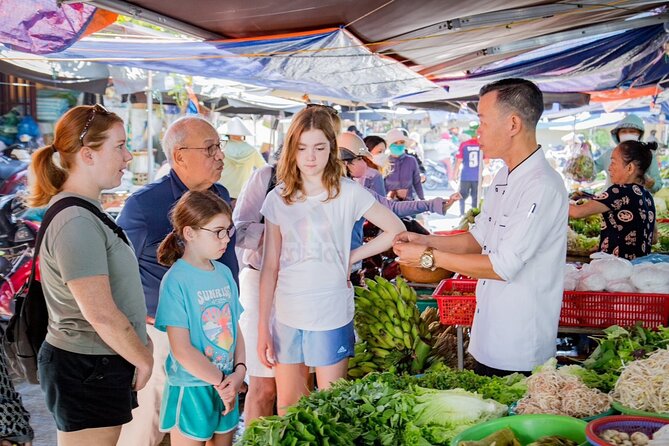
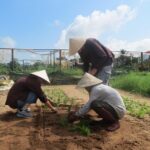
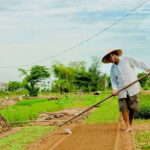
One part you’ll only get with the longer option is a visit to an organic garden. This stop matters because Vietnamese cooking relies heavily on fresh herbs and greens. When you see where they grow, the salad and noodle dishes stop being a random mix of toppings.
You’ll typically get a quick look at the vegetables and herbs before you head into the kitchen. In one version of the experience, the chef and family show cooking at their home after visiting the vegetable garden. That kind of setup can make the whole day feel more personal, and it often means you’ll ask better questions because you’ve already seen the ingredients in context.
If you’re the type who likes to understand the why behind flavors, this garden visit is a strong add-on.
Cooking Class With a Master Chef: Where Your Hands Do the Work
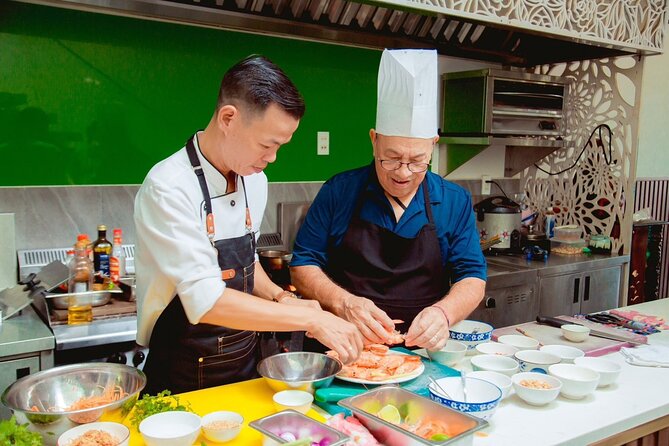
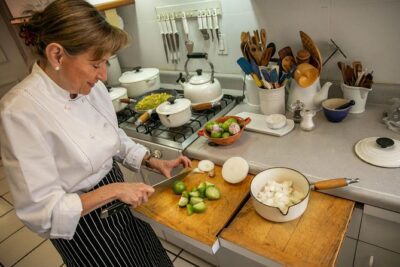
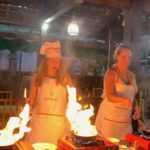
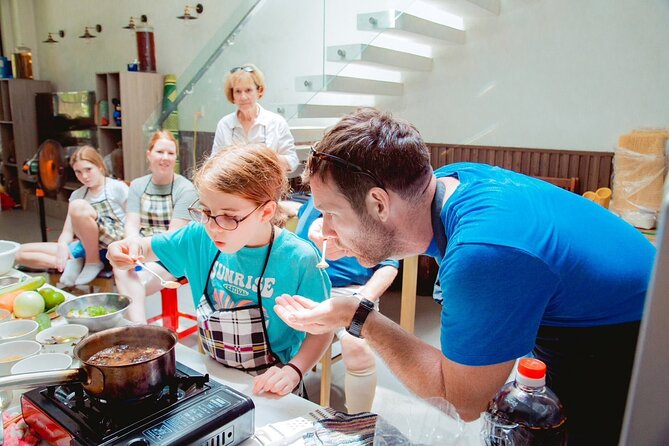
The cooking portion is led by a professional chef with many years of Vietnamese cooking experience. The teaching style is hands-on and usually broken into clear steps, which is ideal if you don’t cook much at home.
You’ll learn both traditional and modern Vietnamese dishes. The class is designed so you practice key techniques instead of only assembling dishes at the end. That includes sauces, salads, and frying/rolling—skills that help you recreate these foods later.
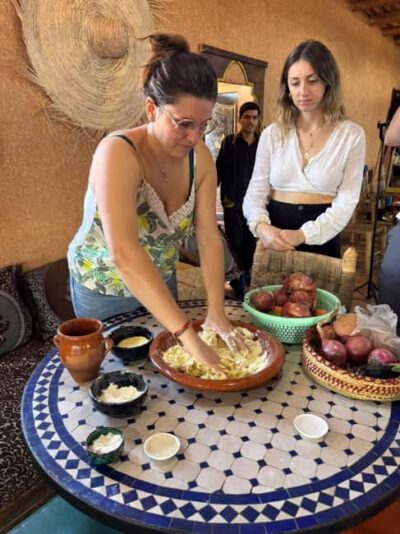
In the kitchen, the best part is the feedback loop. When the chef corrects your technique, you instantly taste the difference. And because this is a private class, you’re not competing for attention while everyone else flails with chopsticks and a skillet.
What You’ll Cook: Spring Rolls, Mango Salad, Sauce, and Pho
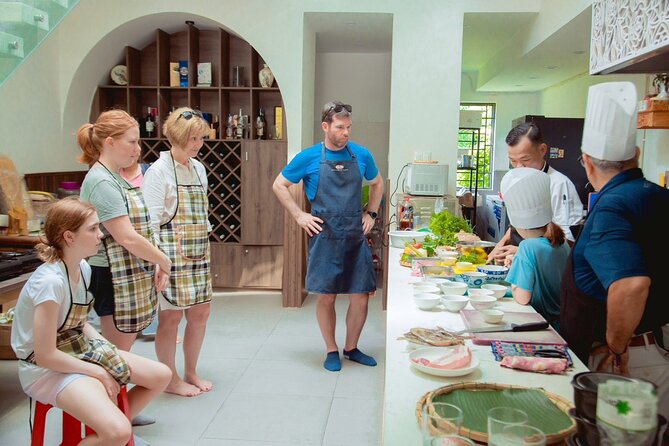
The menu is built around bright flavors, fresh ingredients, and satisfying comfort food. Your session includes a full run of dishes—so you’re not just learning one thing.
Star appetizers and sauces you’ll make
You’ll prepare items such as:
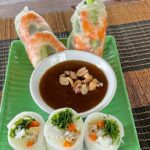
- Hoi An crispy spring rolls
- Green mango with prawn salad
- Sweet and sour chili sauce
Spring rolls are often where cooking classes get either impressive or disappointing—crispy outside, soft inside, and not greasy. A well-run class focuses on the dough/rolling approach and the frying timing so you get the texture right. For the green mango salad, you’ll learn how to balance tang and seasoning so the mango doesn’t turn into plain sour.
Then there’s the sauce. Vietnamese sweet-and-sour chili sauce is one of those things you can smell from across the room. Making it yourself teaches you how small adjustments affect the final taste.
Main course comfort: Hanoi-style beef or chicken noodle soup
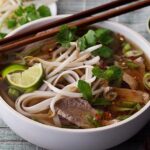
For the main course, you’ll cook Hanoi beef noodle soup or chicken noodle soup (pho style). This part is valuable because it shows you how Vietnamese kitchens build flavor in layers. Even if you don’t nail every detail on the first try, you’ll leave with a clearer sense of what makes the broth taste the way it does.
Dessert to close out the meal
You finish with mixed fresh fruit. It’s simple, but it helps you reset your palate after fried and tangy dishes. Plus, it’s a good reminder: Vietnamese meals often end with something fresh instead of something heavy.
Eating What You Cook: The Best Way to Learn Taste
Here’s a practical thing I love about cooking classes like this: you eat right after you cook. That matters because flavor changes as dishes cool, sauce thickens, and herbs wilt. Tasting at the right moment is part of the lesson.
You’ll also notice how your earlier market choices connect to the final plate. If you picked or handled ingredients carefully, the whole meal tastes more coherent. If you rushed, you feel it immediately. Either way, you come away with real feedback you can use next time.
And yes, the meal is delicious—this experience has a strong reputation for food that actually hits the mark, not just food that looks good in photos.
Private and English-Led: How You Get Personal Coaching
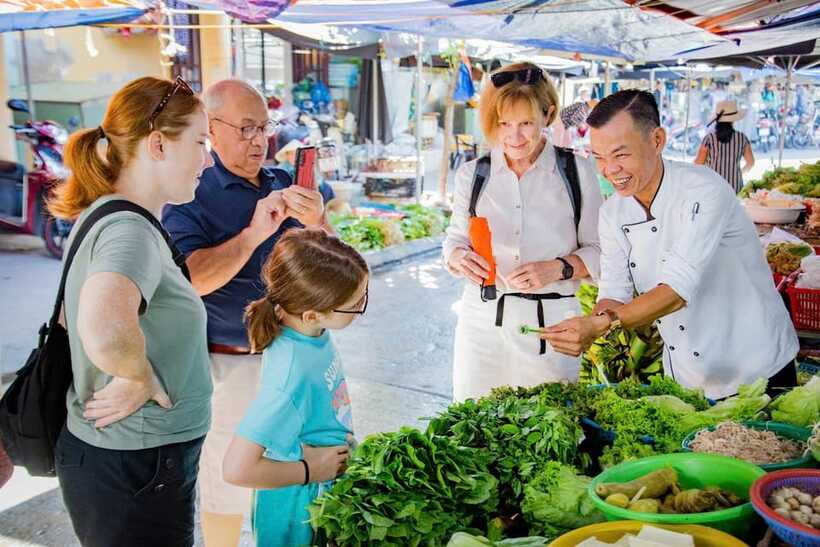
This is a private group experience, led by an English-speaking guide. That changes everything about the class pace. You can ask questions while you’re cooking, not only after you finish.
One recurring theme from the way the chef teaches here is patience. You’ll get advice that’s specific to your dish and your technique. It’s the difference between learning a recipe and learning how to cook.
You’ll also appreciate the guide’s personality. In some versions of the experience, the chef and host feel very personable, and the vibe is relaxed enough that you stop worrying about messing up and start focusing on doing it right.
Price and Value: Is $39 a Person Fair?
At $39 per person for a full day of cooking (and sometimes the market + organic garden), the value is all about what you get:
- A professional chef running the class
- Ingredient handling and cooking support
- A complete meal you cook and eat
- Optional add-ons like the market tour and organic garden
- A private setup that keeps the instruction personal
If you tried to recreate this on your own, you’d spend real money just on ingredients plus a meal out—and you still wouldn’t have the hands-on coaching. So the price feels fair because the class includes more than a simple demo. You do the work, and you leave with a menu you can repeat.
The one pricing variable is which option you choose. The cooking-only slot can be shorter and simpler, while the option with market and garden packs in more context. If you’re in Hoi An for a limited time, the market add-on is the best value per hour.
Timing Options That Actually Fit a Hoi An Day
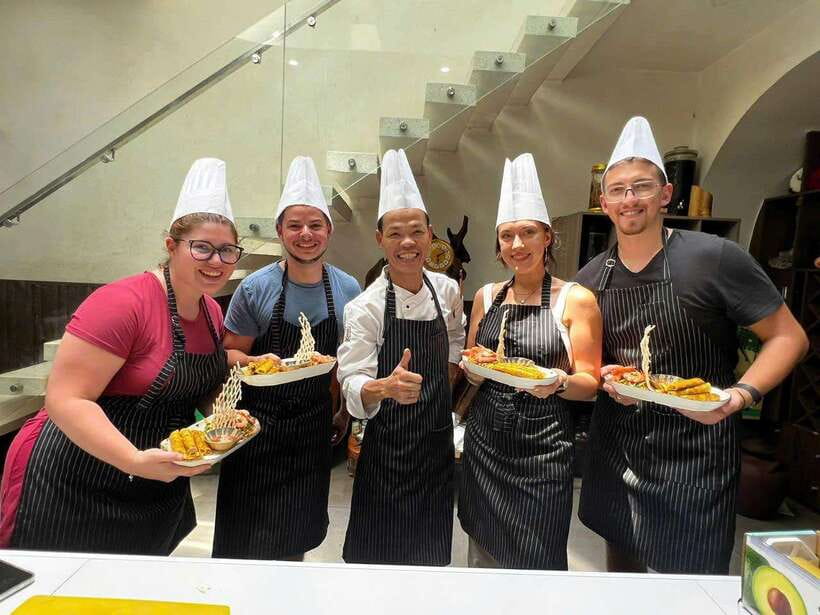
You can choose from three cooking-only time windows:
- 10:30am to 12:30pm
- 3:30pm to 5:30pm
- 6:00pm to 8:00pm
If you want the market and organic garden included, there are longer blocks such as:
- 9:00am to 12:30pm
- 2:30pm to 5:30pm
That flexibility helps because Hoi An can be a mix of beach time, walking, and side trips. I’d pick the earlier slot if you want the day to stay light afterward, and I’d pick the evening slot if you’d rather finish with a satisfying home-style meal and not rush anywhere.
Pickup is arranged from your hotel in Hoi An by car or motorbike, depending on the option. Since pickup/drop-off details are described differently across booking choices, confirm your exact plan when you reserve.
Practical Tips: What to Bring and How to Get the Best Results
This is a hands-on cooking experience, so dress like you’ll be in a working kitchen. Comfortable clothes matter more than looking sharp. You’ll be moving around, chopping, and possibly doing hands-on prep.
Bring:
- Camera (you’ll want photos of the market ingredients and the finished dishes)
- Water (and you should also have water available during the class)
- Comfortable clothes
- Cooking equipment if requested for your specific booking
A few “don’t sabotage your class” tips:
- Plan your timing so you’re not rushing afterward.
- Let the guide know about any dietary restrictions or allergies before you cook.
- Don’t smoke during the experience.
Also, expect that the menu can change based on ingredient availability. That’s normal, and it’s usually a sign the chef is adapting in real time, not following a script.
Who Should Book This Hoi An Master Chef Class?
This tour is best for you if you want more than a tourist version of Vietnamese food. You’ll like it if you enjoy learning technique, shopping for ingredients, and eating what you make.
It’s also ideal if you:
- Want a private setup rather than a crowded group class
- Prefer English instruction and direct coaching
- Like Vietnamese favorites like spring rolls, mango salad, and pho
It’s not suitable for:
- Children under 9
- People with food allergies (confirming is essential, but the listing says it’s not for allergies)
If you’re traveling solo or as a couple, the private format helps you avoid the awkward moments where you’re waiting your turn. If you’re cooking confidently already, you’ll still benefit from the sauces and the ingredient approach.
Should You Book This Master Chef Cooking Tour in Hoi An?
I’d book it if your goal is to leave Hoi An with real Vietnamese cooking skills, not just a good meal. The combination of market buying, (optional) organic garden context, and hands-on cooking makes this class practical. And at $39, it’s one of the more sensible ways to spend a day in Central Vietnam because you get instruction and a full meal bundled together.
Skip it only if you have serious food allergies or you don’t want to cook at all. Otherwise, this is a fun, friendly day that turns Vietnamese cuisine from something you order into something you can actually make.
FAQ
What does the cooking class menu include?
You’ll cook a menu that includes salad and appetizer items, main courses, and dessert. Dishes mentioned include sweet and sour chili sauce, green mango with prawn salad, Hoi An crispy spring rolls, and Hanoi beef or chicken noodle soup, then mixed fresh fruit for dessert.
Is the market tour included?
The market tour is optional. If you choose the option that includes it, you’ll visit a local market and learn how to buy ingredients from sellers.
Do you visit an organic garden?
Yes, the experience includes a visit to an organic garden in the option that pairs the market tour with the garden stop.
How long is the experience?
It’s listed as 1 day. The timing depends on which option you choose and whether you do cooking only or cooking plus the market and garden.
What time slots are available?
Cooking-only times are listed as 10:30am–12:30pm, 3:30pm–5:30pm, or 6:00pm–8:00pm. The market and organic garden option lists times such as 9:00am–12:30pm or 2:30pm–5:30pm.
Can I cancel for a refund?
Yes. You can cancel up to 24 hours in advance for a full refund.