REVIEW · BUDAPEST
Easy Cooking Class Budapest – with Market Walk (local wine & pálinka included)
Book on Viator →Operated by Easy Cooking Budapest · Bookable on Viator
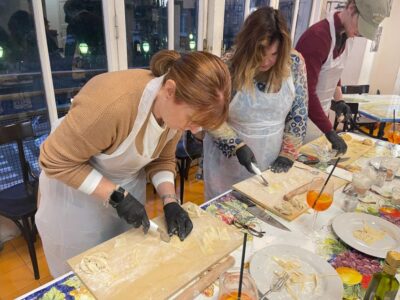
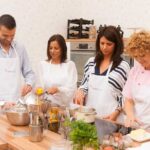
Hungarian food is better when you buy it first. This Central Market Hall walk plus chef-led cooking class turns Budapest’s everyday flavors into a hands-on afternoon. You’ll sample Hungarian staples like pálinka and sweet bread pudding, then cook a full meal that you’ll actually eat at the table.
I love the combo: market browsing with tastings, followed by a kitchen session where you make dishes step by step. I also love the payoff: a 4-course home-cooked lunch with local wine, not just a demo or a quick bite.
One thing to consider: there’s no hotel pickup, so you’ll want to get yourself to the meeting point at Vámház krt. 1-3 by the 11:00 am start time.
In This Review
- Key things to know before you go
- Central Market Hall: where Hungarian flavors start
- What you’ll actually do in the market
- A quick timing note
- Getting from the market to the kitchen (and why it matters)
- Expect a friendly, teacher-style pace
- Pálinka, wine, and the Hungarian flavor story
- Why the drink part isn’t just for fun
- The cooking class menu: what you’ll learn to make
- Starter: körözött (cottage cheese dip)
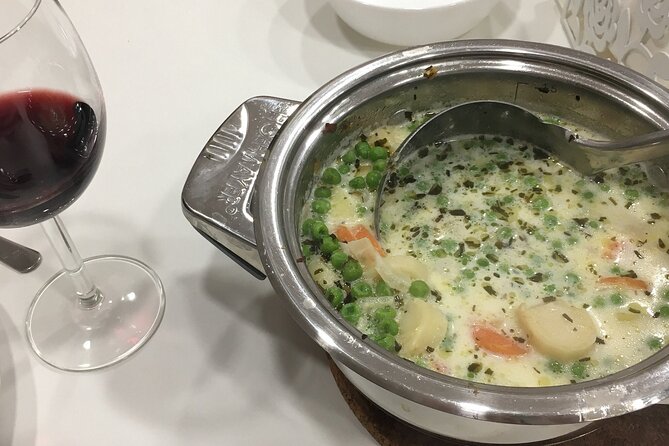
- Starter: green peas soup with tarragon
- Main course choice: chicken paprikás with nokedli or stuffed cabbage
- Dessert: mákos guba (poppy seed bread pudding)
- How the class works in real time (step-by-step energy)
- If you have dietary needs
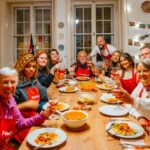
- Eating what you make: the 4-course lunch experience
- What the lunch feels like
- Practical eating tip for this kind of class
- Small-group value: why max 12 matters more than it sounds
- Meet-the-chef energy: what to expect from the hosts
- Price and value: what $143.61 buys you
- Who should book this cooking class (and who might skip it)
- Should you book Easy Cooking Budapest with Market Walk?
- FAQ
- What is the duration of the Easy Cooking Class Budapest with Market Walk?
- What time does the tour start?
- Where is the meeting point?
- Where does the tour end?
- Is hotel pickup and drop-off included?
- What’s included in the price?
- Is an English guide available?
- Are vegetarian options available?
- What is the maximum group size?
- What is the cancellation policy?
Key things to know before you go
- Central Market Hall ingredient shopping: you’ll learn what locals buy and why.
- Wine and pálinka included: expect a guided tasting tied to what you’re cooking.
- A real 4-course lunch: körözött, green pea soup, paprikás or stuffed cabbage, then mákos guba.
- Small group size (max 12): easier questions, more hands-on time.
- Vegetarian option available: tell the operator ahead of time so they can plan.
- Recipes and techniques focus: the goal is that you can recreate this at home.
Central Market Hall: where Hungarian flavors start
Your afternoon begins at the Central Market Hall area (meeting point: Vámház krt. 1-3, 1093). This is the kind of place where the food isn’t just for show. It’s where you see ingredient choices that make Hungarian cooking feel practical and seasonal.
A market walk here is useful in a way a normal food tour often isn’t. You’re not only tasting; you’re learning what to look for. That means you pick up mental shortcuts like what ingredients tend to show up in classic meals, how Hungarian cooking balances creamy, savory, and sweet, and what “comfort food” looks like in real portions.
You can also read our reviews of more tours and experiences in Budapest.
What you’ll actually do in the market
Plan on a guided flow that includes:
- tasting small samples as you go
- getting ingredient context (what it is, how it’s used)
- shopping for what ends up in your cooking session
Even if you’ve visited markets before, this stops you from drifting into tourist mode. You’ll have a purpose: buy ingredients that connect directly to your lunch.
A quick timing note
The start time is 11:00 am, and the overall experience is about 5 hours. That’s long enough to shop, taste, cook, and eat without rushing, but short enough that you’ll still feel sharp afterward. It’s a good “main event” if you want a food-focused Budapest day without turning it into a whole-day marathon.
Getting from the market to the kitchen (and why it matters)
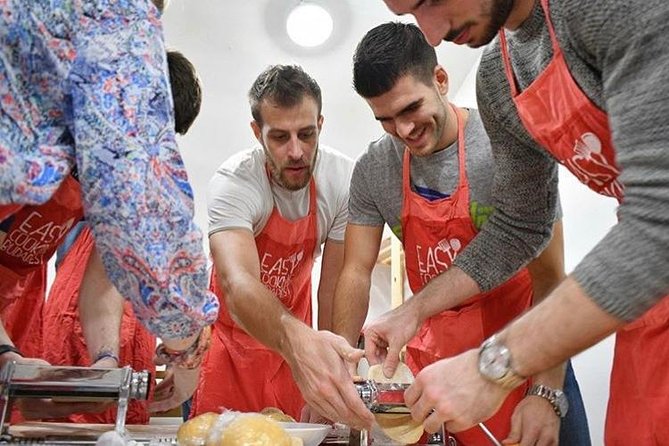
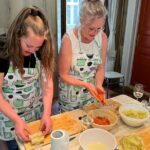
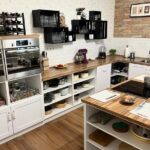
After the market walk, you head to the kitchen for the cooking portion. This handoff is the secret sauce of this class. Instead of watching someone cook, you’re moving from ingredients you picked out to techniques you’ll use immediately.
This is also where the experience becomes more than just a meal. You get a structured sequence:
1) a kitchen introduction
2) a spirit tasting and overview
3) cooking together while enjoying Hungarian wines
4) eating the dishes you made
That order matters because it keeps everything connected. The flavors you tasted in the market start to make sense on a chef’s timeline, not just as random samples.
Expect a friendly, teacher-style pace
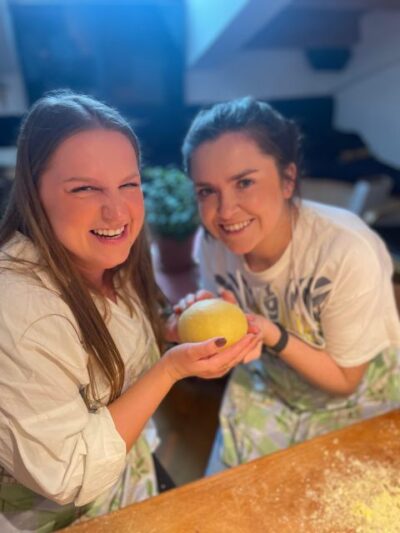
Cooking classes vary wildly. Some feel like you’re being herded through steps. Here, the class style leans personal and relaxed, and the small-group size (max 12) helps. In the reviews, people repeatedly singled out the chef-hosts—like Ildy, Kata, Cecilia, Zita, and Viki—for making the room feel like you’re learning in someone’s home kitchen.
You’ll still be cooking, not just watching, and you’ll get techniques you can actually repeat later.
Pálinka, wine, and the Hungarian flavor story
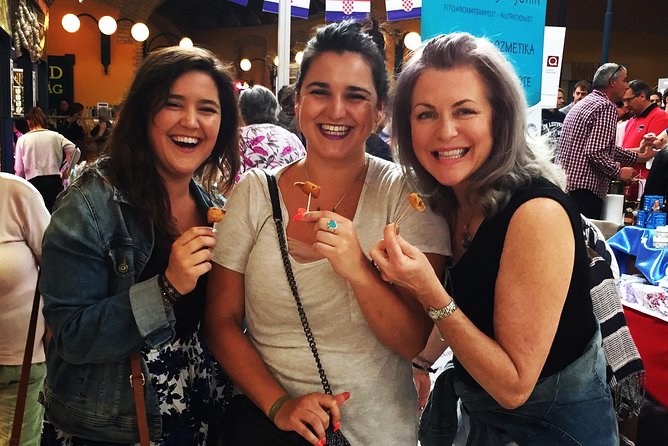
Hungary has a particular relationship with drinks: spirits and wine show up alongside food, not as an afterthought. In this class, you get a chance to taste pálinka and local wines as part of the experience, with an introduction tied to the menu.
Why the drink part isn’t just for fun
When a class includes tasting like this, it’s usually not random. The value is that it gives you a reference point. After the spirit intro, you’ll taste and cook with more awareness. You’ll notice how sweetness, acidity, and spice show up in Hungarian dishes, even when they’re built from simple ingredients.
And yes, it’s enjoyable. But the practical bonus is that you’ll remember the flavor logic when you cook the same dish later.
The cooking class menu: what you’ll learn to make
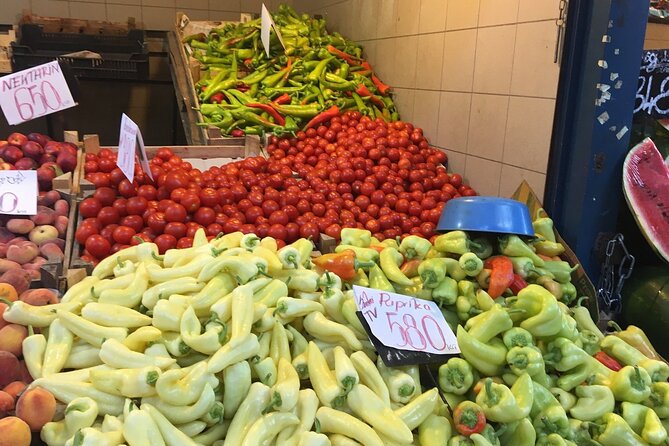
This is a hands-on 4-course setup, and the dishes are classic enough that you’re not stuck eating something you’ll never see again. Here’s the menu you’ll work toward:
Starter: körözött (cottage cheese dip)
Körözött is creamy, tangy, and built for bread-and-conversation eating. You’ll learn how to mix it so it stays spreadable and flavorful. This matters because Hungarian comfort food often starts with a simple base and then builds punch using seasoning and texture.
Starter: green peas soup with tarragon
This one is a nice change of pace from heavier starters. You’ll get a feel for balancing herbal notes (tarragon) with the sweetness of peas. It’s also a good example of why Hungarian cooking can feel both hearty and fresh, depending on the dish.
Main course choice: chicken paprikás with nokedli or stuffed cabbage
You’ll either make:
- Chicken paprikás with nokedli: paprikás is about paprika flavor, creamy texture, and tender chicken, and nokedli brings that satisfying comfort-carb element.
- or Stuffed cabbage: a different kind of comfort, where the filling and cabbage cook together into a unified bite.
From a learning perspective, both options teach key skills: seasoning strategy, timing, and how to manage texture so the finished dish doesn’t turn flat.
Dessert: mákos guba (poppy seed bread pudding)
Mákos guba is the kind of Hungarian dessert that makes sense once you’ve tasted it: sweet, soft bread, poppy seed flavor, and a custardy feel. It’s also a great last course because you end with something deeply local rather than a generic “cake shaped like a cake.”
How the class works in real time (step-by-step energy)
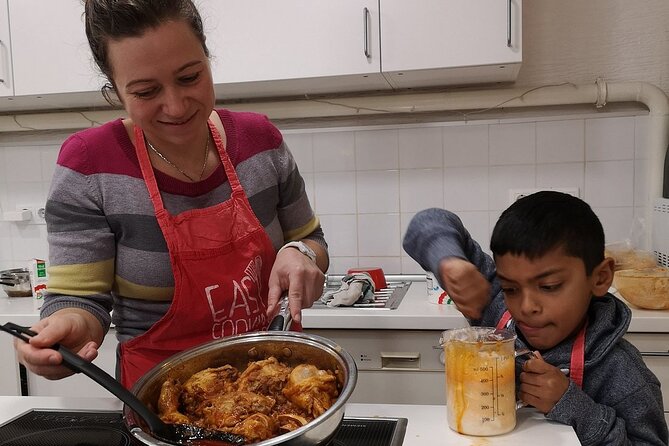
The class is structured around cooking together, with breaks for tasting and eating. You’ll likely:
- start with an ingredient-driven intro
- cook in phases (starter, then soup/different components, then mains, then dessert)
- keep the group moving so nobody feels stuck waiting
The small group size (max 12) makes a difference. When you need clarification, you can actually ask it without shouting across a room. In reviews, people praised how the hosts guided technique without making it intimidating.
If you have dietary needs
The operator says dietary requirements can be accommodated if you advise at booking, and a vegetarian option is available. That’s important because classic Hungarian dishes can include meat and sometimes bread-based components. If you need changes, send them early so the kitchen can plan.
Eating what you make: the 4-course lunch experience
This isn’t a “cook and leave” format. You eat. And since the lunch includes beverages and a wine tasting, the meal becomes the reward for your work.
What the lunch feels like
Because you’re building a sequence of starters, soup, main, and dessert, the meal naturally paces itself. It’s ideal for people who like to taste multiple things in one sitting but don’t want to overdo it with constant snacking. You’ll get a full Hungarian lunch rhythm—creamy first, warm soup next, then a hearty main, then sweet poppy seed dessert.
Practical eating tip for this kind of class
Go a little easy on extra bites during the market so you don’t arrive at the kitchen starving and then run out of room. The market tastings are part of the fun, but your main lunch is the bigger part of the value.
Also, if you’re offered wine and pálinka tastings, take small pours. Sip so you can stay present for cooking and not feel sloppy mid-class.
Small-group value: why max 12 matters more than it sounds
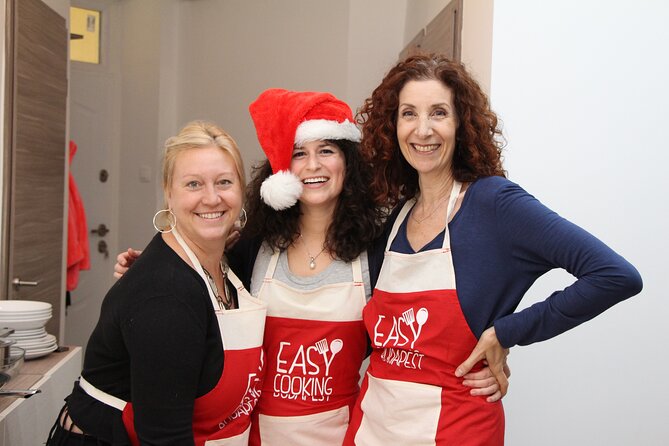
Max 12 travelers isn’t just a number. It changes how the class feels.
- you can get personal help with technique
- questions don’t get lost
- you’re more likely to actually cook, not just assist
In the reviews, multiple people talked about the experience feeling intimate and personal. One even mentioned being fortunate to be in a very small group, and that’s exactly the kind of environment where you learn faster and feel comfortable asking why a step matters.
If you’re the type who learns best by doing, this setup works.
Meet-the-chef energy: what to expect from the hosts
You can learn recipes from anyone, but a good host changes the whole experience. The reviews highlighted chefs/hosts such as Kata and Cecilia for warmth and teaching style, with Zita and Viki also mentioned as engaging guides.
In practical terms, that usually means:
- clear instructions for cooking steps
- good explanations of what you’re tasting and why
- an easy flow between market facts and kitchen technique
This is also why people called it authentic. The focus isn’t just on food photos—it’s on how Hungarian dishes actually come together.
Price and value: what $143.61 buys you
At about $143.61 per person for roughly 5 hours, you’re paying for a bundle: market time, ingredient tasting, cooking instruction, and a 4-course lunch with beverages and wine.
Here’s why that can be worth it:
- A market walk alone doesn’t feed you a full plated meal.
- A cooking class alone often leaves you with a smaller tasting or just one dish.
- This format gives you the full arc: shop, cook, eat, and taste drinks tied to the menu.
Also, the class includes snacks, beverages, and food tastings, which helps justify the price versus a simpler class where you’re only provided instruction and a single small sample.
If you love food as a hands-on activity—rather than only eating on the go—this is a strong value.
Who should book this cooking class (and who might skip it)
You’ll be a good match if:
- you want an authentic Hungarian food lesson, not just a restaurant stop
- you enjoy markets and learning what real ingredients look like
- you want to leave with techniques you can repeat at home
- you like group learning with enough attention from the chef
You might consider another option if:
- you strongly prefer guided sightseeing with monuments over food-focused activity
- you have complex dietary restrictions and haven’t planned to message the operator in advance
- you hate the idea of tasting alcohol beverages, since pálinka and wine tastings are part of the format
Should you book Easy Cooking Budapest with Market Walk?
If you’re planning a Budapest trip and you want one memorable “do something” food experience, I think you should book this. The combination of Central Market Hall shopping, chef-guided cooking, and a real 4-course lunch makes it feel like an event, not a stop on your itinerary.
It’s especially compelling when you value practical learning. You’re not just eating Hungarian dishes—you’re building understanding of how they’re put together, then taking that knowledge home with you.
If you do book it, message your dietary needs early (vegetarian and other requirements are supported), and plan to arrive ready to taste, cook, and eat in one smooth 5-hour window.
FAQ
What is the duration of the Easy Cooking Class Budapest with Market Walk?
It’s about 5 hours (approx.).
What time does the tour start?
It starts at 11:00 am.
Where is the meeting point?
The start meeting point is Budapest, Vámház krt. 1-3, 1093 Hungary.
Where does the tour end?
The activity ends back at the meeting point.
Is hotel pickup and drop-off included?
No, hotel pickup and drop-off are not included.
What’s included in the price?
The tour includes beverages, food tasting, meals as per the itinerary, snacks, wine tasting, and a local guide.
Is an English guide available?
Yes, it’s offered in English.
Are vegetarian options available?
Yes. Vegetarian options are available if you advise at time of booking.
What is the maximum group size?
The tour has a maximum of 12 travelers.
What is the cancellation policy?
You can cancel for free up to 24 hours in advance for a full refund.