REVIEW · BUDAPEST
Hungarian Cooking Class with Iconic Dishes
Book on GetYourGuide →Operated by Cooking Hungary - Culinary Experiences · Bookable on GetYourGuide
Paprika turns cooking into a mini tour. This small-group Hungarian cooking class in central Budapest has you make one famous dish in 2.5 hours, with lots of practical technique and tasting along the way. I especially like the hands-on prep and cooking you do yourself, and how Marti ties the food to everyday Hungarian life through stories. The one drawback to consider: you pick just one menu option, so you will not sample all four dishes in the same session.
You meet at Flavors of Budapest on Király u. 77 and then head to a private, cozy studio kitchen in the center. Expect Hungarian wine plus homemade soft drinks and mineral water during the class, then leave with take-home recipes and kitchen tips you can actually use.
In This Review
- Key things I’d mark on your Budapest map
- A cozy Budapest studio where dinner starts in your hands
- Pick one classic: goulash, paprikash, stuffed cabbage, or Hortobágy crêpe
- Goulash soup (beef and celery)
- Chicken paprikash with small dumplings
- Stuffed cabbage (pork, dairy, egg)
- Savoury meat crêpe – Hortobágy style
- Vegetarian and allergy options
- The 2.5-hour flow: from ingredient setup to eating your own Hungarian meal
- What you eat and sip: homemade soft drinks, wine, and a farmer’s plate
- Drinks included
- Farmer’s plate and Hungarian bites
- Marti’s cultural stories: food as a map of Hungary
- Kitchen tips and take-home recipes you can use right away
- Price and value: why $102 can make sense here
- Who should book this Hungarian cooking class
- Simple planning notes (so your evening runs smoothly)
- Should you book this cooking class?
- FAQ
- How long is the Hungarian cooking class?
- Where does the class meet and end?
- What is included in the price?
- What dishes can I choose from?
- Is it a small group?
- Are drinks included?
- Can I request vegetarian or other dietary accommodations?
- Are ingredients and kitchen tools provided?
- What about booking and payment flexibility?
- What is the cancellation policy?
Key things I’d mark on your Budapest map
- Choose your iconic main: Goulash soup, Chicken paprikash with dumplings, Stuffed cabbage, or a Hortobágy-style savory meat crêpe
- Small group, real practice: up to 8 participants means you get hands-on help, not just watching
- Tastings while you cook: Hungarian bites and drinks are part of the experience, not an afterthought
- Marti’s stories connect food to life: Hungarian customs and history, plus Jewish community context
- Take-home recipes and tips: you leave with enough guidance to repeat the meal for family or friends
A cozy Budapest studio where dinner starts in your hands
A cooking class can be either showy or useful. This one leans very practical. You are not just eating Hungarian food; you are learning the steps to put it together yourself, then getting to sit down and enjoy what you made.
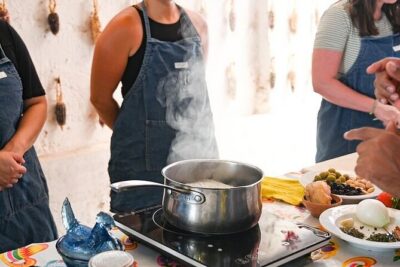
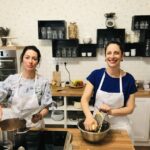
The setting helps. The class takes place in a private, cozy studio apartment kitchen in central Budapest. It has the feel of a careful home setup rather than a factory-style classroom. That matters because Hungarian cooking is about timing, comfort, and small decisions. In a small room, you notice those things—like how long something needs to simmer or when a texture changes—without being rushed.
You can also read our reviews of more tours and experiences in Budapest.

Pick one classic: goulash, paprikash, stuffed cabbage, or Hortobágy crêpe
The biggest decision is simple: you choose one dish from four options. That choice shapes the whole evening because the prep, cooking style, and final meal are all different.
Goulash soup (beef and celery)
If you love hearty comfort, goulash soup is the go-to. This option includes beef and celery, and you’ll be guided through making it from scratch. Goulash is also a great gateway dish because it teaches you how Hungarian-style flavor building works in a bowl: warm spices, a rich base, and the kind of slow-cooked depth that makes the whole meal feel cohesive.
Chicken paprikash with small dumplings
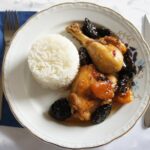
Chicken paprikash is famous for a reason. You’ll cook it with small dumplings, and the ingredients list includes dairy, egg, and flour—so you’re not only making sauce and chicken, you’ll also get hands-on with the dumplings component. It’s a satisfying choice if you want something a bit lighter than soup but still deeply Hungarian in feel.
Stuffed cabbage (pork, dairy, egg)
Stuffed cabbage has that classic slow-food comfort vibe. This menu option includes pork plus dairy and egg, and it usually means more assembly work than the soup. If you like cooking that looks like a project—folding, stuffing, building layers—this is the one that turns into a true family-style dinner.

Savoury meat crêpe – Hortobágy style
This one is for people who want something slightly outside the usual tourist list. It’s a savory meat crêpe with a Hortobágy style, with dairy, egg, and flour in the mix. You’ll get practice with a different kind of cooking rhythm: making and handling a batter-based component, then adding the savory meat element.
Vegetarian and allergy options
If you want a vegetarian version, you just need to let the organizer know in advance. For dietary needs like gluten-free, lactose-free, or nut allergy, you can ask. The tour explicitly supports these requests, so it’s worth using that flexibility rather than trying to “guess” later.
The 2.5-hour flow: from ingredient setup to eating your own Hungarian meal
This experience runs for 2.5 hours. That time window is long enough to actually cook, taste, and learn—but short enough that you still feel the momentum.
Here’s what the flow feels like in practice:
1) Meet, settle in, and get the plan
You start at Flavors of Budapest at Király u. 77. From there, the group moves to the studio kitchen where everything is set up. Because it’s limited to 8 participants, you won’t be squeezed into the background. You can ask questions without waiting forever.
2) Get oriented to the dish you chose
Once you’re in the kitchen, you focus on just one menu option. That sounds simple, but it’s actually a quality factor. You are not juggling four recipes at once. You learn the ingredient logic for that dish, then build skills you can repeat later.
3) Hands-on prep and cooking
The heart of the class is your cooking practice. The experience is designed around the idea that you learn through doing: chopping, mixing, assembling, and cooking in the right order. The instructor provides “tips, tricks & cultural insights,” so you’re not left guessing. You also get all ingredients and kitchen tools, so you are not shopping or bringing gear.
4) Tasting Hungarian bites during the session
While you cook, you also get Hungarian bites and drinks. This makes the class feel like a meal in progress, not a prep session that turns into dinner at the end. If you’re the type who gets hungry waiting for food, this helps keep the evening comfortable and fun.
5) Sit down with your dish and drinks
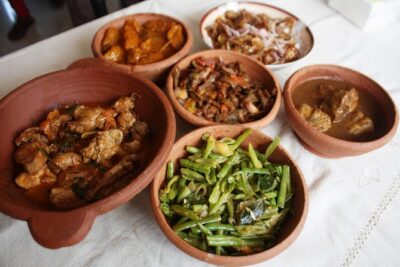
At the end, you enjoy the homemade Hungarian dish you made, plus a farmer’s plate. You also have drinks during the session—wine and homemade soft drinks—so it all ties together as an evening meal, not a lecture.
What you eat and sip: homemade soft drinks, wine, and a farmer’s plate
A lot of classes claim food and drinks, but quality varies. Here, the menu includes specifics.
Drinks included
You get:
- Wine (white and/or red)
- Two types of homemade soft drinks
- Mineral water (still or sparkling)
That mix matters because Hungarian meals often feel like a set: savory food, warm spices, and something to cut the richness. Homemade soft drinks also keep things interesting for people who don’t want alcohol.
Marti also has a strong connection to wine culture. From what I’ve picked up through the experience details, she grew up in a wine region and really knows her stuff. If you’re the kind of person who likes to understand what you’re drinking, you’ll likely enjoy the way she talks about it.
Farmer’s plate and Hungarian bites
You also get a farmer’s plate during the experience. Think of it as an assortment designed to match what you’re cooking and keep you tasting while you work. Since you’re making a classic Hungarian dish, this kind of starter platter helps you understand how the meal fits together.
Marti’s cultural stories: food as a map of Hungary
The cooking is the main event, but the stories are part of why the class feels like travel. The experience includes lots of stories about Hungarian customs, culture and history, and the tone is personal rather than textbook.
Marti shares context that helps recipes make sense. You learn about everyday life and the way traditions shape what people cook and how they eat. In the same way that a local guide can explain a neighborhood in a few sentences, Marti explains the human side of the food without turning it into a lecture.
There’s also a meaningful Jewish community thread mentioned in the experience details. Marti draws on family recipes from her husband’s grandmother’s books, and that family connection turns history into something you can taste. It’s the difference between learning facts and understanding why something is cherished.
Kitchen tips and take-home recipes you can use right away
The class includes all recipes and useful kitchen tips to take home. That’s not a small detail. A cooking class that gives you nothing to reproduce later is basically entertainment. This one is built to become a repeatable skill.
What you’ll likely find useful in the notes:
- the ingredient choices tied to the dish you made
- practical advice for handling the steps in the right order
- reminders about textures and consistency you should aim for
Even if you are not an experienced cook, you should be able to follow the take-home recipes, especially since the class provides the full ingredient and tool setup during the session. You’re not learning on hard mode.
Price and value: why $102 can make sense here
$102 per person for a 2.5-hour small-group cooking experience in central Budapest is not cheap. But it also isn’t just you paying for food.
You’re paying for:
- a small group capped at 8, which means more attention in the kitchen
- a professional chef guiding your hands-on cooking
- one iconic homemade dish plus a farmer’s plate
- wine, homemade soft drinks, and mineral water
- all ingredients and kitchen tools
- take-home recipes and kitchen tips
If you compare this to trying to learn the same dish on your own, the value becomes clearer. Shopping, ingredient quantities, and figuring out technique takes time—and Hungarian recipes often rely on method, not just ingredients. Here, the class supplies the whole workflow so you walk away with both the meal and the knowledge to re-create it.
Who should book this Hungarian cooking class
This is a good fit if you:
- want an authentic Budapest evening that focuses on real food craft
- like smaller group experiences where you can ask questions
- enjoy learning through stories, not just tasting
- plan to cook at home afterward and want take-home instructions
It’s also a smart choice if you’re tired of overly commercial sightseeing days. In a class like this, the center of gravity is the kitchen, and the cultural insight flows from the food itself.
If you’re traveling with friends who have different food preferences, the drink and bite portion helps keep everyone included while the main dish stays consistent for the group option chosen.
Simple planning notes (so your evening runs smoothly)
- Duration: 2.5 hours, so plan it as a main evening activity.
- Group size: limited to 8 participants, which is a big part of the comfort and attention.
- Meeting point: start at Flavors of Budapest, Király u. 77, 1077 Hungary, and the experience ends back at the meeting point.
- Dish choice: you select one of the four iconic options, and that’s what you cook and eat.
- Dietary needs: you can request vegetarian, gluten-free, lactose-free, and nut allergy accommodations—just tell the organizer.
Should you book this cooking class?
If you want a Budapest night that feels personal, practical, and genuinely tied to Hungarian flavors, I’d say yes. The best reason to book is the mix: you cook one iconic dish with real guidance, you eat what you made with included wine and homemade drinks, and you leave with recipes plus kitchen tips to repeat it later.
Hold off only if you’re expecting a buffet-style tasting of multiple dishes in the same class. This is a focused session built around doing one thing well.
FAQ
How long is the Hungarian cooking class?
The experience lasts 2.5 hours.
Where does the class meet and end?
You start at Flavors of Budapest, Király u. 77, 1077 Hungary, and the activity ends back at the meeting point.
What is included in the price?
The class includes one iconic dish (from the available menu choices), Hungarian bites, drinks (wine, homemade soft drinks, and mineral water), a farmer’s plate, recipes, and useful kitchen tips.
What dishes can I choose from?
You can choose one of these: goulash soup, chicken paprikash with small dumplings, stuffed cabbage, or a savory meat crêpe (Hortobágy style).
Is it a small group?
Yes. The group is limited to 8 participants.
Are drinks included?
Yes. Drinks included are mineral water, homemade soft drinks, and wine (white and/or red).
Can I request vegetarian or other dietary accommodations?
Yes. Vegetarian is available if you let the organizer know. Gluten-free, lactose-free, and nut allergy accommodations are also possible—just request them.
Are ingredients and kitchen tools provided?
Yes. All ingredients, kitchen tools, and equipment are provided.
What about booking and payment flexibility?
The listing offers reserve now & pay later, so you can book and pay nothing today.
What is the cancellation policy?
You can cancel up to 24 hours in advance for a full refund.