REVIEW · COLOMBO
Authentic Sinhalese Cooking Class in Colombo with a Local Family
Book on Viator →Operated by Traveling Spoon · Bookable on Viator
Food tastes different when it comes from a real kitchen. This Colombo experience is all about learning Sinhalese home cooking with Shasikala and her family—plus a possible market stop first.
I especially like the hands-on, private format: you’re not watching from the sidelines. You’ll learn to make three dishes from scratch, then eat what you cooked. The main consideration is that there’s no hotel pickup, so you’ll want to plan how you’ll reach the Mayura Mawatha meeting point.
In This Review
- Key Things I’d Watch For
- A Dehiwala Home Kitchen Where Sinhalese Flavors Start
- Getting To the Meeting Point (Without Hotel Pickup)
- Kirulapone Market Visit: Spices, Fruit, and Choosing Your Ingredients
- The Three-Dish Cooking Class (1 Hour Hands-On)
- Coconut Sambol: Small Effort, Big Flavor
- Fish or Chicken Curry: A Template You Can Replicate
- Seasonal Vegetable Dish: Learning What Changes With the Calendar
- Taking It From Market To Meal: Eating What You Made
- How Shasikala’s Family Turns A Cooking Class Into Culture
- Menu Flexibility: Lunch vs Dinner, and Dietary Requests
- Price and Value: What $148 Covers in Real Terms
- Who This Cooking Class Is Perfect For
- Practical Tips Before You Go
- Should You Book Shasikala’s Sinhalese Cooking Class?
- FAQ
- What is included in the private cooking class and meal?
- How long is the experience?
- Do I have to go to the market?
- What dishes will I learn to cook?
- Is the class private or shared with other people?
- Can the menu be adjusted for dietary needs?
- Where do I meet the host family?
Key Things I’d Watch For
- Market choice changes the whole morning/afternoon: you may start with the Kirulapone Market and return by tuk tuk.
- You choose your menu and timing: lunch or dinner class options, and dishes can vary by season.
- Old-school kitchen style: the cooking happens in Shasikala’s family kitchen, not a commercial studio.
- You’ll cook three core dishes: a seasonal vegetable, coconut sambol, and fish or chicken curry.
- Diet requests are handled: vegetarian, vegan, and halal options are possible if you ask ahead.
- The family interaction is the point: this is a cultural visit as much as a cooking lesson.
A Dehiwala Home Kitchen Where Sinhalese Flavors Start
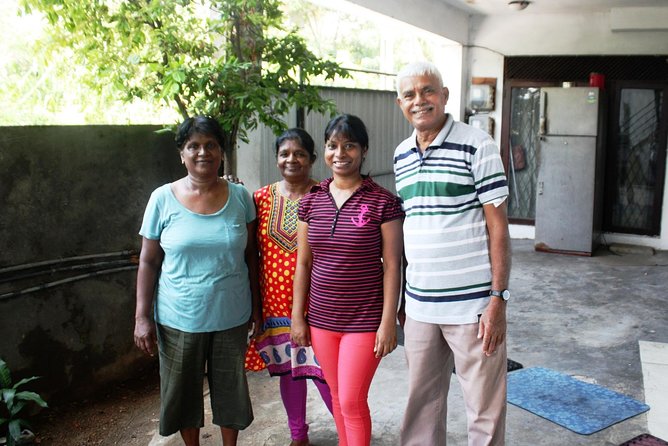
This isn’t the kind of class where you line up, get a worksheet, and leave with a souvenir recipe card. You meet Shasikala directly at her family home area in Bellanthara, Dehiwala (the class starts at Mayura Mawatha, Dehiwala-Mount Lavinia). From there, you’re in her world—simple, modest, and centered on food.
Before the cooking begins, you’ll typically sip non-alcoholic drinks like milk tea or fresh juice while Shasikala introduces you to her family. That small start matters. It’s when you get context for what you’re about to cook: how ingredients are chosen locally, why certain flavors show up again and again, and how everyday Sri Lankan cooking works in real kitchens.
One more thing I like: it’s explicitly private. Only your group participates, so you can ask questions as they come up—about spice balance, how to handle curry paste, or what to adjust if you prefer more heat.
You can also read our reviews of more tours and experiences in Colombo.

Getting To the Meeting Point (Without Hotel Pickup)
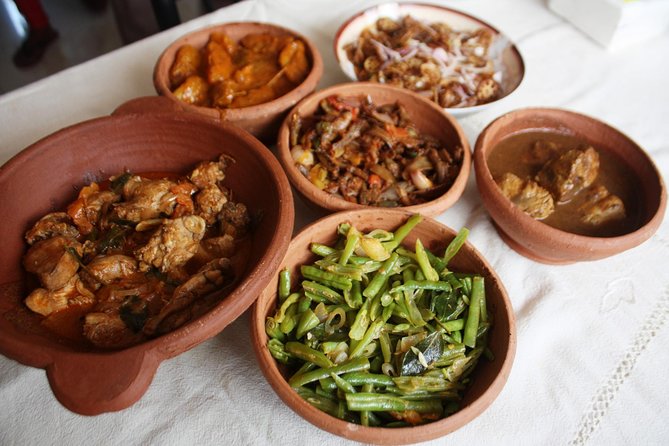
This is a do-it-yourself start. There’s no hotel pickup or drop-off, and the tour ends back at the meeting point. The good news is that it’s noted as being near public transportation.
Practical approach: plan to arrive a little early, because you’ll want to settle in and start on time—especially if you choose the market option. If you’re coordinating with a driver or tuk tuk, keep the meeting address handy and set the expectation that you’re going to Shasikala’s home area first.
If you’re coming from central Colombo, you may find the easiest option is to take a combination of rides plus a short local hop to Dehiwala-Mount Lavinia. The class time is short (about three hours total), so buffering travel time is worth it.
Kirulapone Market Visit: Spices, Fruit, and Choosing Your Ingredients
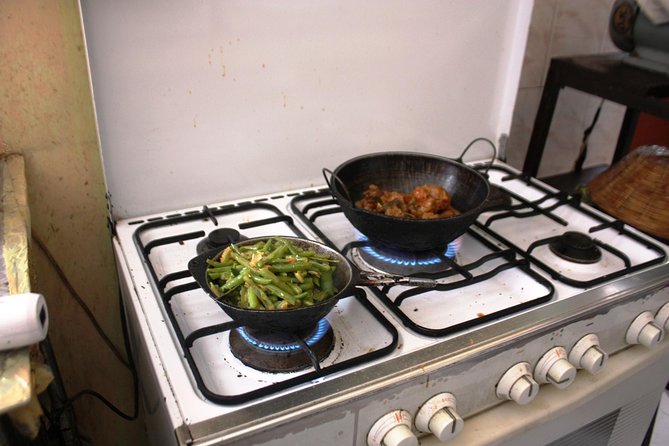
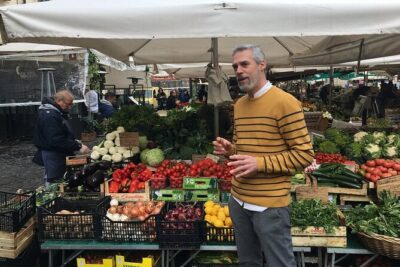
If you select the market tour option, you’ll meet Shasikala at her home first, then head to a nearby neighborhood market by tuk tuk. The market is where locals shop for fruits, vegetables, spices, seafood, and meat—so you’ll get a quick, real look at what drives everyday cooking.
Walking through the stalls is a sensory education. You’ll notice how spices are sold, how produce looks in season, and how easy it is to find the core items for Sri Lankan flavors. You may also taste a few locally grown fruits, which is a great way to understand the sweetness and acidity balance that affects cooking later.
Here’s a practical bonus: you can purchase a seasonal vegetable of your choice. That choice isn’t just for fun—it’s one of the three dishes you’ll cook during the class. When you’ve picked it yourself, you pay attention differently while cooking. You’ll likely wonder what that vegetable actually tastes like when treated the Sri Lankan home-cook way.
Important detail: menu items can vary depending on season. So don’t expect an identical dish every time of year. That’s normal here, and it’s part of why the class feels less scripted.
The Three-Dish Cooking Class (1 Hour Hands-On)
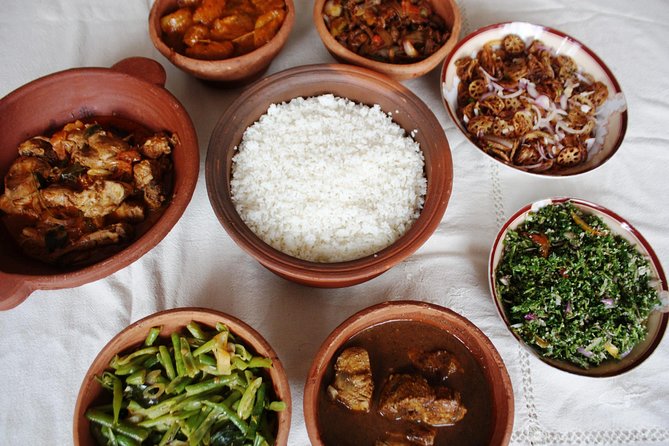
The main event is your 1-hour hands-on cooking class, where you’ll prepare three Sinhalese dishes from scratch. The exact menu is customizable, and seasonal choices affect what you cook. Still, you can expect the core trio:
- A seasonal vegetable dish
- Coconut sambol
- Fish or chicken curry
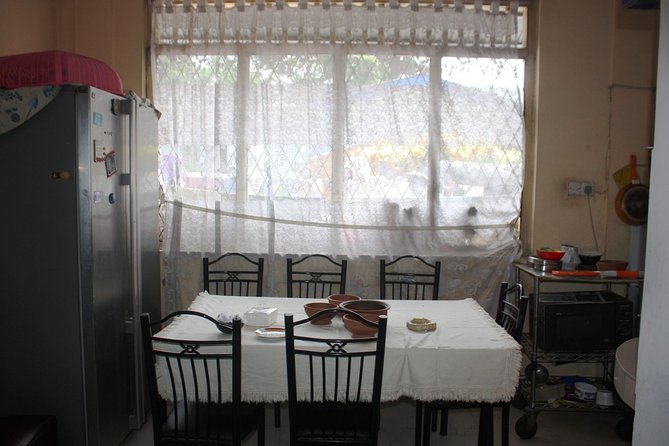
You’ll cook in Shasikala’s home kitchen, described as an older, traditional kitchen. That’s a plus if you like authenticity. It also means you should expect a lived-in setup rather than a polished demo space. Be ready to work at normal home-cooking pace, with the kind of guidance a family cook uses every day.
Coconut Sambol: Small Effort, Big Flavor
Coconut sambol is the kind of dish that turns humble ingredients into something you want to keep eating. In this class, you’ll learn how it’s built from scratch, including how to balance heat, salt, and coconut so it doesn’t taste one-note.
I like that sambol isn’t treated like an afterthought. It’s one of the three dishes, which tells you how central it is in Sri Lankan table culture. Even if you only remember a few steps, sambol gives you a flavor tool you can reuse at home.
Fish or Chicken Curry: A Template You Can Replicate
For the curry, you’ll choose between fish or chicken. That matters for technique and flavor handling, and it also changes what you’ll pay attention to: how the curry paste behaves, how thick it turns, and how you judge seasoning.
The class framing is home-style—made for flavor, not spectacle. So what you’ll learn is less about impressing anyone and more about getting the curry to taste right with the ingredients you have.
Seasonal Vegetable Dish: Learning What Changes With the Calendar
One dish in the trio is explicitly seasonal. That means your market selection (or what’s available that day) influences the final plate. Seasonal vegetables are often the biggest clue to Sri Lankan cooking habits: cooks are tuned to what’s fresh now, not what’s imported for consistency.
Even if you don’t cook much at home, this dish can teach you the underlying approach: how vegetables are treated, how spices interact with softer ingredients, and how coconut and aromatics can change texture and finish.
Taking It From Market To Meal: Eating What You Made
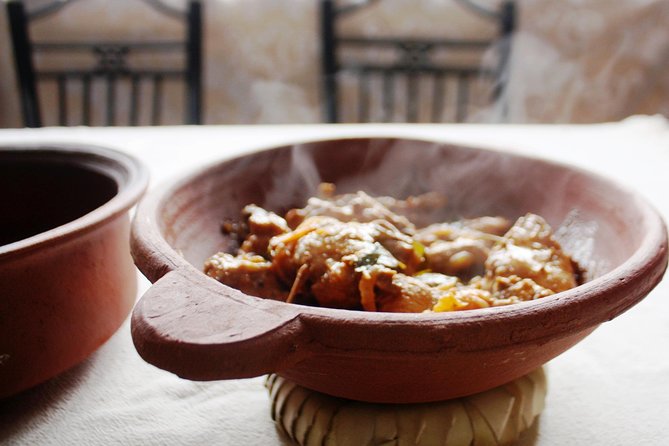
After the cooking, you eat together as a group (your meal is included). This is where the class clicks into place—because you get immediate feedback on your own cooking.
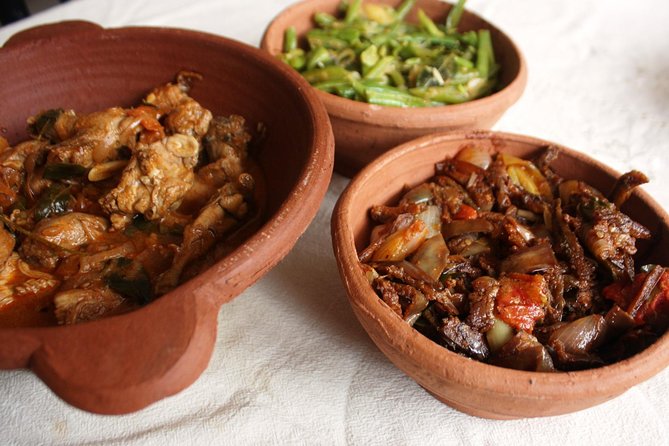
You’ll enjoy the hearty meal you prepared, typically including the three dishes you learned: the seasonal vegetable, coconut sambol, and your fish or chicken curry. The drink set-up is already in place with non-alcoholic beverages, so you can focus on the food without worrying about extra add-ons.
One detail I think is worth pointing out: you’re not just taking home photos. A class like this gives you something more practical—real taste memory. When you go home and cook one of these dishes, you’ll know what it should feel like, not just what it should look like.
How Shasikala’s Family Turns A Cooking Class Into Culture
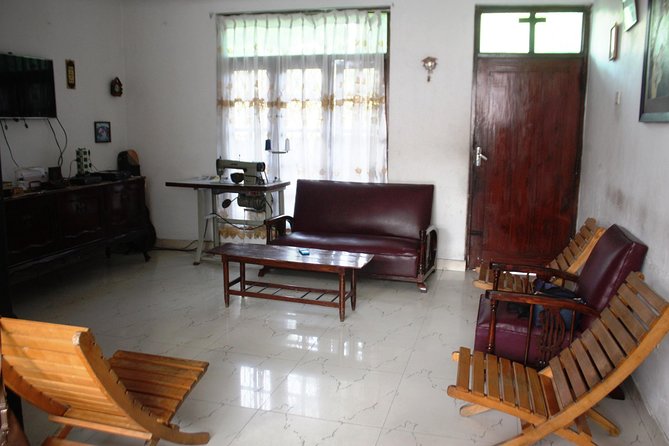
The reason this experience earns such strong ratings is simple: the family warmth is part of the lesson.
Shasikala welcomes you into her family’s home, and her family is described as sharing lots of knowledge about Sri Lankan food, local produce, and cooking styles. That matters because you’re not learning just recipes—you’re learning why certain choices make sense in Sri Lanka.
In a couple of write-ups, I saw a theme: people felt at ease fast, even when cooking solo. That lines up with what you’d want in a private class. And after the meal, there’s often a thoughtful extra touch. One guest noted Shasikala provided fresh herbs to take along and also arranged a tuk tuk for a quick and safe trip back.
That kind of care is hard to replicate in a commercial setting. Here, the relationship is the product.
Menu Flexibility: Lunch vs Dinner, and Dietary Requests
You can pick between lunch and dinner class times. That’s more than convenience. It changes the vibe of the day and can affect how you plan the rest of your Colombo time.
Menu customization also matters. You choose your dishes, within the class framework, and the seasonal vegetable is often part of the plan. So if you have preferences—spice level, fish vs chicken, or simply what you’d rather learn—you should be able to steer things.
Dietary needs are addressed too. Shasikala can offer vegetarian, vegan, and halal meals if you request it during booking. If you have allergies or dietary restrictions, you’ll want to advise at the time of booking so the household can adjust properly.
Price and Value: What $148 Covers in Real Terms
At $148 per person for about three hours, this sits in the premium band for cooking classes. But you’re not paying just for a recipe lesson.
What you’re getting for the price:
- A private class in a local home
- Cooking and eating together (meal included)
- Non-alcoholic beverages
- Taxes, fees, and handling charges
- Gratuities included
- Optional market visit at a local neighborhood market
The big value driver is the private, at-home format. A commercial cooking studio can feel efficient, but it’s rarely personal. Here, you get one group, one kitchen, and real interaction with Shasikala’s family, which makes the whole thing feel like a cultural exchange rather than a ticketed activity.
Also, the class teaches three dishes. That’s more output than the typical one-dish demo that sometimes feels like a snack-sized lesson.
If you’re traveling with a small group and want a memorable, practical skill (not just a meal out), the price starts to look more reasonable.
Who This Cooking Class Is Perfect For
This is a great fit if you want:
- Authentic Sinhalese home cooking without the tourist filter
- A private lesson where you can ask questions
- A market-to-kitchen experience, especially if you like learning how ingredients connect
- A short, focused activity that still feels personal and meaningful
It’s also ideal for food-first travelers who care about technique and taste balance—coconut sambol, curry thickness, and how spices get handled in everyday cooking.
If you prefer big group tours, loud crowds, or theatrical cooking shows, this may feel too calm and home-based. But if you like quiet intensity and a family setting, you’ll likely enjoy it a lot.
Practical Tips Before You Go
A few simple things will make your class smoother:
- Bring curiosity about spices. Even if you’re not a “hot food” person, you’ll learn how heat is adjusted in a home kitchen.
- Decide fish vs chicken ahead of time if you can. It helps you focus during the planning and cooking steps.
- Tell them about dietary needs early. Vegetarian/vegan/halal options are possible, but you need to request them when booking.
- Plan transportation to the meeting point since there’s no hotel pickup. The class ends where it starts.
- Expect seasonality. If you come at a different time of year, your seasonal vegetable and menu choices may change.
And remember: this is not described as a commercial cooking class. Think “family home lesson,” and you’ll match the pace and expectations.
Should You Book Shasikala’s Sinhalese Cooking Class?
Book it if you want an experience that turns Sri Lankan food into something you can actually recreate at home—while also spending time in a local family’s home kitchen. The market option and the three-dish structure make it both practical and memorable, and the emphasis on personal welcome (from Shasikala and her family) is the reason many people rate it so highly.
Skip it only if you need hotel pickup, prefer large-group experiences, or want a highly standardized, studio-style class. Otherwise, this is exactly the kind of meal learning that gives you more than a dinner photo—you’ll leave with methods and taste memories you can use.
FAQ
What is included in the private cooking class and meal?
You’ll get a private cooking class and meal with your host Shasikala, plus non-alcoholic beverages. All taxes, fees, and handling charges are included, and gratuities are included as well.
How long is the experience?
It runs for about 3 hours total, with the cooking portion described as a 1-hour hands-on class.
Do I have to go to the market?
You can choose between options. If you select the market tour option, you’ll visit a local neighborhood market with Shasikala before the cooking.
What dishes will I learn to cook?
You’ll learn three Sinhalese dishes: a seasonal vegetable, coconut sambol, and fish or chicken curry. The seasonal vegetable and menu details can vary depending on the season.
Is the class private or shared with other people?
It’s private. Only your group will participate.
Can the menu be adjusted for dietary needs?
Yes. Shasikala can offer vegetarian, vegan, and halal meals on request. If you have allergies or other dietary restrictions, you should advise at the time of booking.
Where do I meet the host family?
The meeting point is Mayura Mawatha, Dehiwala-Mount Lavinia, Sri Lanka, and the activity ends back at the same meeting point. Hotel pickup and drop-off aren’t included.