REVIEW · COLOMBO
Cooking Class Sri Lanka with Locals
Book on Viator →Operated by Hellow Travel · Bookable on Viator
Coconut magic starts at the market. This Colombo cooking class led by Anu and Danuka (with their wife and mother helping guide the process) begins with choosing produce together, then moves to a family home where you cook traditional Sri Lankan dishes using natural, local spices with no artificial additives. I especially like the two-stage flow: ingredient picking first, then real instruction at home. The one drawback to plan around is that drop-off is not included, so you’ll need a taxi or Uber/PickMe back afterward.
This is also good value for the price, because the $40 covers lunch and dinner plus pickup in an air-conditioned vehicle. You’re not just watching a show—you’re doing the work with a small, private group, which makes it easier to ask questions and actually understand what you’re tasting.
One more thing to keep in mind: the experience requires good weather because of the market time outdoors. If you’re visiting during a stormy stretch, you’ll want to have some flexibility.
In This Review
- Key Points You’ll Care About
- Why This Colombo Cooking Class Starts with Market Choices
- A Local Home Kitchen: Learning Sri Lankan Spice Logic
- What You’ll Cook, and Why Natural Spices Matter
- Lunch, Dinner, and the Real Value of the $40 Price
- Timing, Pickup, and Getting There without Stress
- Weather, Group Style, and How to Get the Most from 4 Hours
- Who Should Book This Class (and Who Might Prefer Something Else)
- Should You Book Cooking Class Sri Lanka with Locals?
- FAQ
- How long is the Cooking Class Sri Lanka with Locals?
- Is pickup included, and do I get drop-off too?
- What meals are included?
- Do you visit a market before cooking?
- Is this a private experience?
- Can I choose the timing?
- What happens if the weather is poor?
Key Points You’ll Care About
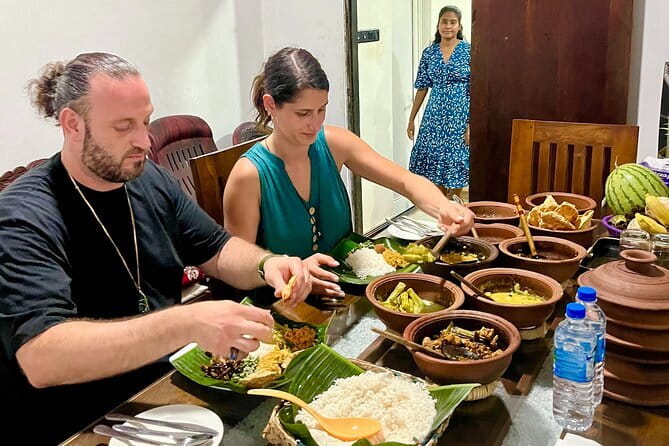
Market-to-home format: You pick ingredients in a local market first, then cook at a family home.
Natural spices, no artificial additives: The class focuses on traditional spice use and practical flavor building.
Family guidance and plenty of attention: Anu and Danuka, plus family members, guide you through cooking steps.
Lunch and dinner included: You’ll eat what you help make, not just a sample bite.
Private group setup: Only your group participates, which tends to make the class feel personal.
Pickup included, drop-off not: Plan your return ride in advance, especially if you’re outside Colombo center.
Why This Colombo Cooking Class Starts with Market Choices
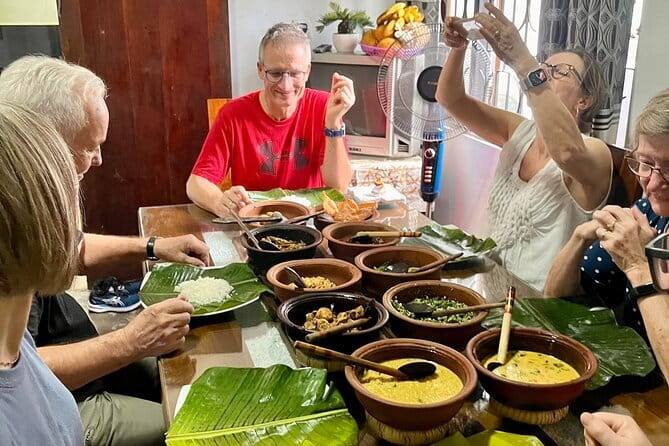
The best Sri Lankan meals start before the stove. That’s exactly how this class is built: you begin in a local market area to select ingredients, and you also get time to sample local fruits. Instead of relying on pre-selected shopping bags, you’re learning how ingredients are chosen in real life—what looks fresh, what’s ripe, and how cooks think about flavor coming from produce.
I like that this part is not just sightseeing. You’re practicing decision-making, which is what you’ll want if you ever try to recreate dishes later. The guidance from Anu and Danuka helps translate what you’re seeing into cooking choices. It’s also where the reviews really agree on the value: people love the hands-on ingredient selection and the way the market visit turns into a story about Sri Lanka’s food culture.
After the market, the group heads to the family home for the next phase. The shift matters. In a home kitchen, the pace is slower and more practical than a restaurant classroom. You can see how spices are used, how ingredients are handled, and how cooks adjust along the way.
You can also read our reviews of more tours and experiences in Colombo.

A Local Home Kitchen: Learning Sri Lankan Spice Logic
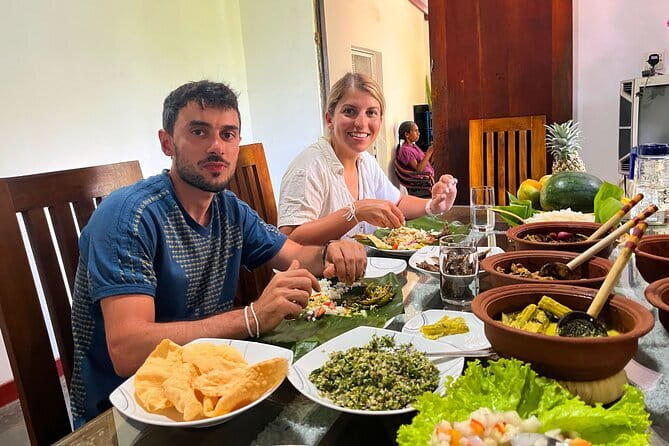
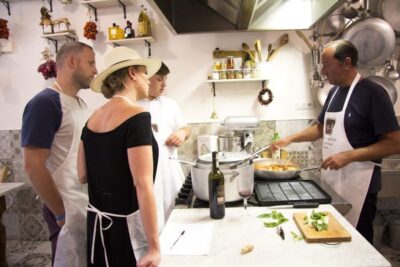
Once you arrive at the home, you’re in a clean, hygienic space built for real cooking and a real meal. The class is guided by Anu and Danuka, with family members supporting you throughout. That family structure is more than warm hospitality—it changes how you learn.
At a home kitchen, you get explanations that fit everyday Sri Lankan cooking rather than a scripted demo. You’ll likely notice how the process uses natural local spices as building blocks instead of relying on artificial additives. That focus is important for anyone who cares about food quality and ingredients, not just taste.
One of the most memorable themes from the experience is how coconut is treated in Sri Lankan cuisine. People mention the lesson that coconut is almost like a life blood of the cuisine, not a one-off ingredient. Even if you only take one takeaway from the class, let it be this: in Sri Lankan cooking, coconut and spices often work together to create depth. You’ll hear that idea as you cook, not just as a fact.
And there’s another learning point that comes up in the feedback: less can be better. That doesn’t mean the food is plain. It means cooks pay attention to balance—how much spice, how much richness, and when to stop adding. In other words, you’re learning taste control, not just recipes.
What You’ll Cook, and Why Natural Spices Matter
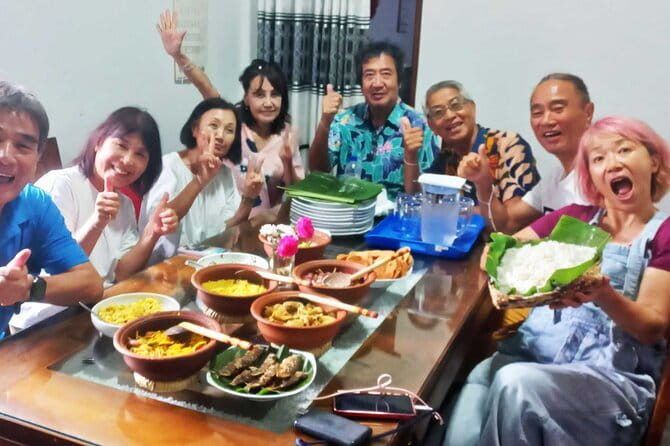
You’ll create traditional Sri Lankan dishes in the family kitchen, and the class is designed to connect what you chose in the market to what you cook at home. The core promise is simple and clear: dishes made using natural, local spices, without artificial additives.
The class also supports different preferences, with inclusive options mentioned in the overall description. That means you should feel comfortable asking what you can handle before cooking ramps up. If spice levels are a concern, bring it up early during the market or the start of cooking so the kitchen can guide you appropriately.
What makes this part valuable is not memorizing a list of ingredients. It’s understanding how the flavor system works. In Sri Lankan cooking, spices are usually doing multiple jobs: aroma, heat, color, and sometimes even texture. Coconut and spices can thicken sauces, round out sharp flavors, and keep dishes feeling complete.
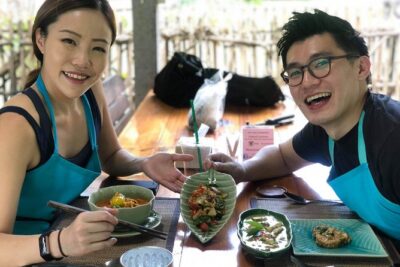
You’ll have time to learn in steps rather than one long lecture. The class is hands-on from start to finish, so you’re not just standing there while someone else cooks. You’ll follow along, work with ingredients, and build enough confidence to recognize what you like even if you don’t copy the exact process at home.
Also, the class includes both lunch and dinner. That changes how you learn. You can test ideas as you go: how the first dishes taste, what you want more or less of later, and how the cooking rhythm feels across a full meal cycle.
Lunch, Dinner, and the Real Value of the $40 Price
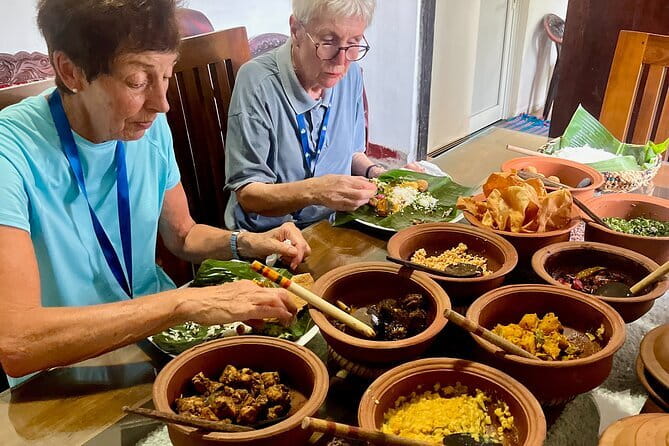
At $40 per person for roughly 4 hours, the pricing makes sense because the experience isn’t just instruction—it’s food. Lunch and dinner are included, and you also get pickup in an air-conditioned vehicle. For Colombo, that combination can be a big deal, because eating a full meal out plus paying for a market-based cooking class usually adds up fast.
So the value isn’t only the cost. It’s what the $40 buys you:
- A market ingredient selection that sets up your cooking
- A guided hands-on home-cooking session
- Two meals built from what you cook
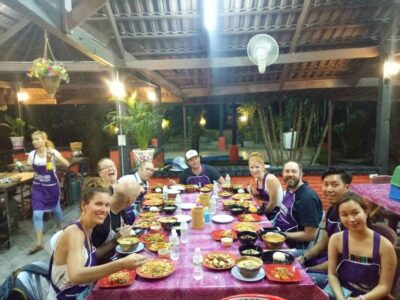
- Private group time, not a crowded shared class
That private setup matters. When it’s just your group, questions don’t get swallowed by noise. You can ask about spice choices, ingredient substitutions, or what to pay attention to during the market. The group discount option also helps if you’re traveling with friends or family.
If you’re comparing classes, look at more than the base price. Ask yourself if the meal count matches what you want. Here, you’re getting both lunch and dinner, so the experience functions like a full half-day activity that feeds you.
Timing, Pickup, and Getting There without Stress
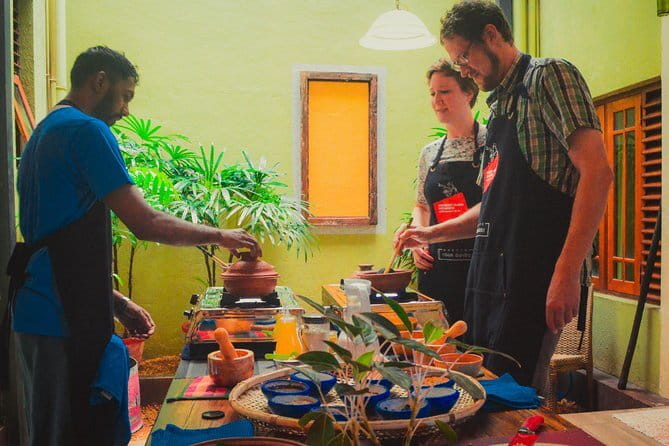
The class offers flexibility for timing, since you can select your preferred time for the activity. That’s useful in Colombo, where you might be balancing beach time, museum time, or a temple visit earlier in the day. Instead of squeezing the class into a fixed schedule, you can pick the slot that fits your day best.
Pickup is included, and it’s in an air-conditioned vehicle. That’s a practical comfort factor in Sri Lanka, where heat and humidity can wear you down quickly. It also reduces stress because you don’t have to coordinate local rides at the start.
Drop-off is not included. The description makes it easy to handle afterward: grab a taxi or use Uber or PickMe from the location, or arrange help if needed. Before you go, I’d plan for that return ride so you’re not stuck waiting when you’re hungry and tired. If your hotel has a front desk, asking them to recommend the easiest pickup point can also help.
The experience is also noted as near public transportation. That gives you a backup plan if you’re the kind of traveler who doesn’t want to rely only on one rideshare option.
Weather, Group Style, and How to Get the Most from 4 Hours
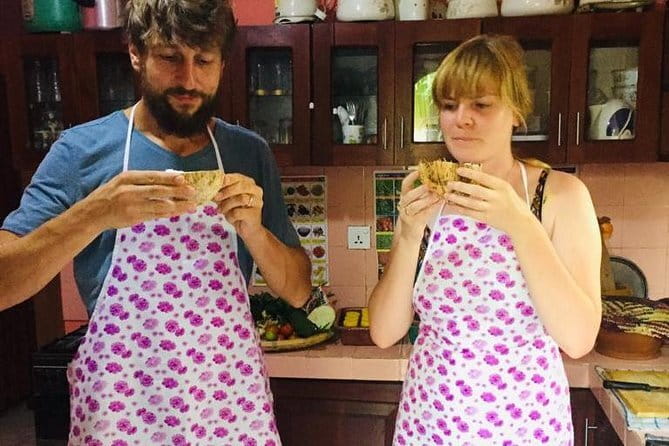
This is a 4-hour class in Colombo, and it runs on a schedule that pairs market time with cooking time and then two meals. Because the market portion is outdoors, it requires good weather. If the organizer cancels due to poor weather, you’ll be offered a different date or a full refund.
How you can get the most out of it:
- Go in ready to taste and learn. Even if you don’t like every spice level, you can adjust with your guide.
- Ask questions during the market, not only after you’re in the kitchen. That’s where you’ll connect ingredient choice to flavor outcomes.
- Plan your day so you’re not rushing in from another activity right before pickup. You’ll enjoy it more if you’re calm and able to focus.
The private group setup is another big part of the experience. Only your group participates, which usually means the kitchen can manage the teaching pace for you. In a class this hands-on, that’s often the difference between a quick demo and real learning.
Also notice the hygiene emphasis: the home is described as 100% clean and hygienic. That matters because you’ll likely handle ingredients and work close to shared tools. You can feel comfortable focusing on the cooking instead of worrying about safety.
Who Should Book This Class (and Who Might Prefer Something Else)
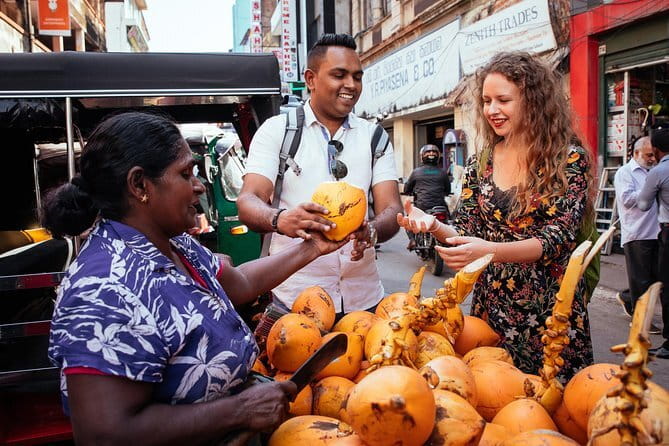
This cooking class is a great fit if you want a Sri Lanka food experience that feels grounded in daily life. I’d especially recommend it if:
- You’re into market-style learning, where choosing ingredients is part of the lesson
- You want to understand how Sri Lankan spices and coconut work together
- You prefer a family-run class with Anu and Danuka guiding you in a home environment
- You want lunch and dinner included in one activity
You might prefer something else if you:
- Don’t want to deal with an outdoor market segment in possible changing weather
- Strongly need drop-off included as part of your plan
- Prefer a longer cooking session, since this is about 4 hours
Still, for the price and meal inclusions, it’s a strong option for visitors who want real food learning without spending a full day on cooking logistics.
Should You Book Cooking Class Sri Lanka with Locals?
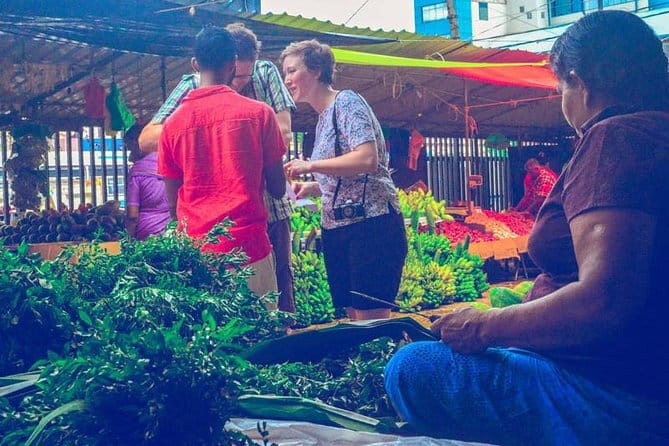
Here’s my practical take. If you’re going to spend money on a cooking class in Sri Lanka, this one checks a lot of the right boxes. You get a market ingredient picking experience, you cook at a clean family home, and you eat lunch plus dinner you helped prepare. The guides are Anu and Danuka, and the family teaching style is repeatedly described as thoughtful and thorough, with an emphasis on spice choices and why coconut matters so much.
The main reason not to book is simple: you need good weather for the market portion, and drop-off isn’t included. If you can plan for a quick taxi or rideshare back afterward, you’ll likely find this class hits the sweet spot—real learning, real food, and real local kitchen time for $40.
FAQ
How long is the Cooking Class Sri Lanka with Locals?
The class lasts about 4 hours.
Is pickup included, and do I get drop-off too?
Pickup is included. Drop-off is not included, but it’s easy to grab a taxi or use Uber or PickMe from the location, and the organizers can help you arrange it.
What meals are included?
Lunch and dinner are included.
Do you visit a market before cooking?
Yes. The experience includes visiting a local market to handpick fresh ingredients and sample fruits.
Is this a private experience?
Yes. Only your group will participate.
Can I choose the timing?
Yes. You can select your preferred timing for the activity.
What happens if the weather is poor?
If it’s canceled due to poor weather, you’ll be offered a different date or a full refund.