REVIEW · COLOMBO
Vegan Cooking Class Colombo with Market Tour
Book on Viator →Operated by Ceylon Rustic Guide · Bookable on Viator
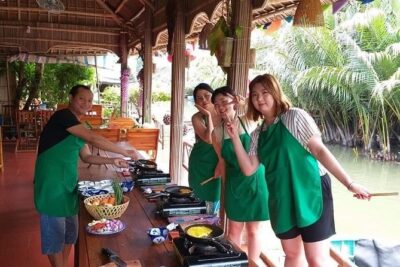
A market first, then clay-pot cooking. That combo is the real draw here. You start by learning how Sri Lankans actually choose vegetables and spices, then you cook in seasoned clay pots with private one-to-one instruction. It’s a hands-on way to understand Sri Lankan flavor without hunting down the right spice mixes online.
I especially like the market visit with the chance to ask questions in real time, even when language gets in the way. I also like that the class is truly hands-on—you’re not just watching while someone else does the work.
One thing to keep in mind: the menu options and listed ingredients include items that may not be fully vegan, so you’ll want to be clear about what vegan means to you when you book.
In This Review
- Key highlights you’ll feel on the day
- A Market-First Vegan Cooking Class in Colombo That Teaches Flavor, Not Just Recipes
- How Private One-on-One Instruction Changes What You Learn
- The Local Market Stop: What You’ll Learn Before You Cook
- Clay Pots in Colombo: Why This Technique Helps (and When It Might Slow You Down)
- What You’ll Cook: Rice Choices, Sri Lankan Curries, and Mallum Leafy Salads
- The Villa Setting and Colombo Quiet Zone Start
- Timing, Pickup, and the Small Logistics That Make or Break Days
- What’s Included in the Price (and How That Affects Value)
- Who This Colombo Vegan Cooking Class Suits Best
- Should You Book This Vegan Cooking Class in Colombo?
- FAQ
- How long is the Colombo vegan cooking class with market tour?
- Is this class private?
- What time does the experience run?
- Does pickup or transportation include hotel service?
- What can I cook during the class?
- What’s included in the $80 price?
- Can I cancel, and does weather affect the class?
Key highlights you’ll feel on the day
- Private one-to-one chef instruction so you can slow down, ask, and repeat steps as needed
- Market tour with practical ingredient advice so you learn what to buy and how to choose it
- Clay-pot cooking for tender food and slower, steadier heat
- A flexible menu where you can choose among Sri Lankan rice, curries, leafy mallum salads, and enhancers
- From-scratch cooking with homemade sauces, pastes, fillings, and starters
A Market-First Vegan Cooking Class in Colombo That Teaches Flavor, Not Just Recipes
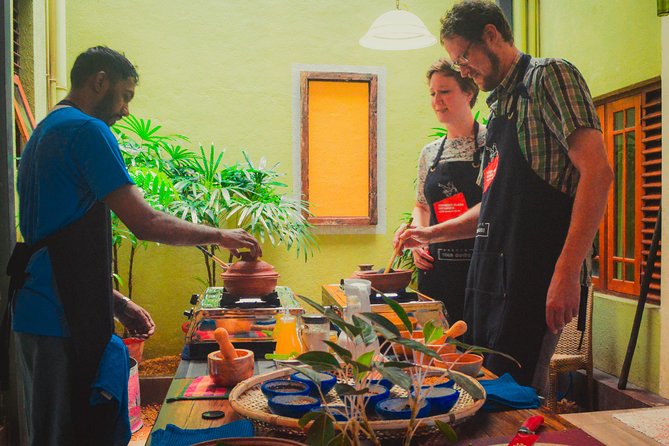
If you want Sri Lankan food to actually taste like Sri Lankan food, start with the ingredients. That’s why this experience begins with a local market stop instead of jumping straight into the kitchen. You get the context for how people in Colombo buy vegetables, spices, and small essentials for everyday cooking.
The class is positioned as vegan, and the approach is practical: you’ll shop with guidance, then you’ll cook with the tools Sri Lankans have used for generations. The standout is the mix of street-level shopping and then controlled, coached cooking time in a clay-pot setup.
You also avoid the most common cooking-class problem: vague instructions that don’t translate into real shopping skills. Here, you’re learning the choices behind the dish—what to pick, what to smell for, and how spices behave when they hit a hot pan.
You can also read our reviews of more tours and experiences in Colombo.

How Private One-on-One Instruction Changes What You Learn
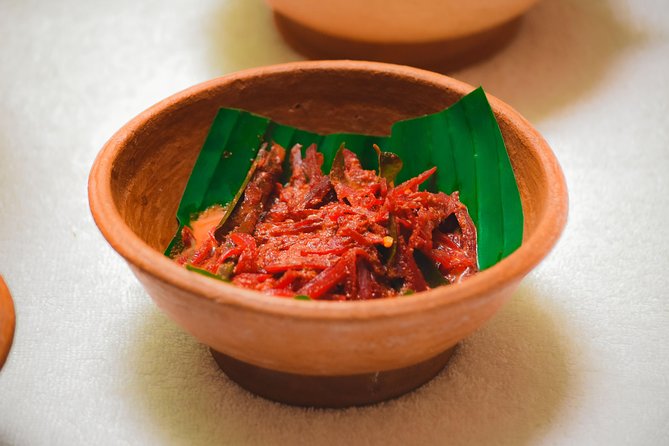
This isn’t a big group class where you’re stuck waiting your turn. It’s private, and that matters. When you cook something unfamiliar—especially spice-heavy Sri Lankan curries—you need feedback at the moment you’re doing the step, not later when the food has already cooked.
That one-to-one setup helps in two ways. First, you can tailor the menu to your tastes, rather than being forced into a fixed set of dishes. Second, it reduces confusion with measurements and technique, because you can ask the chef to explain in plain terms and adjust while you cook.
I like that this style also makes it easier to stay focused. Instead of watching someone else work, you’re actively involved. The experience description and the overall feedback point to a class where you handle a lot of the process yourself, from sauce work to assembling components.
The Local Market Stop: What You’ll Learn Before You Cook
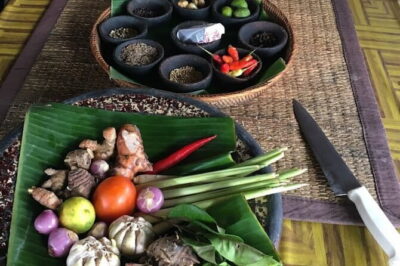
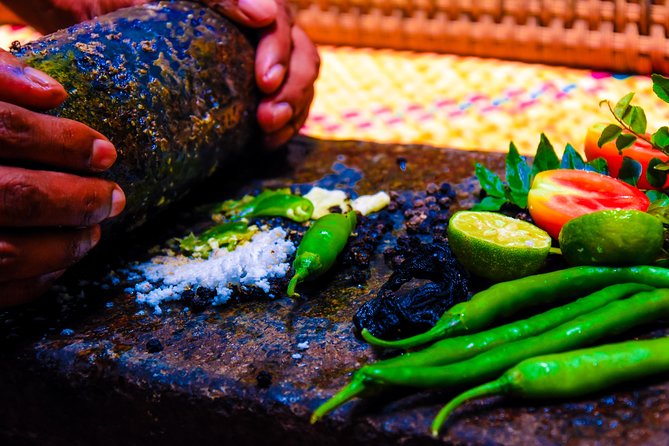
The market visit is a big deal because it solves the main problem people have when cooking Sri Lanka from home: ingredients. If you only rely on online spice mixes, you miss how Sri Lankans pick what’s right in the moment—vegetable freshness, spice quality, and which items pair well for the day’s dishes.
The market is described as something like European eco shops in feel, which gives you a sense that it’s not just chaos for chaos’s sake. The real goal is ingredient literacy. You’ll get guidance on how to choose vegetables and spices the way home cooks do—like the way older generations pick produce soon before cooking.
Even if you consider yourself an experienced home cook, this step can change your habits. You’ll start to notice textures and aromas in a way that recipes never fully communicate. And because you’re there in Colombo, you can ask about what’s easiest to find locally versus what needs special sourcing.
Practical tip: wear smart casual clothing and be ready for a short walking grind. Markets are not museum corridors; they’re working places.
Clay Pots in Colombo: Why This Technique Helps (and When It Might Slow You Down)
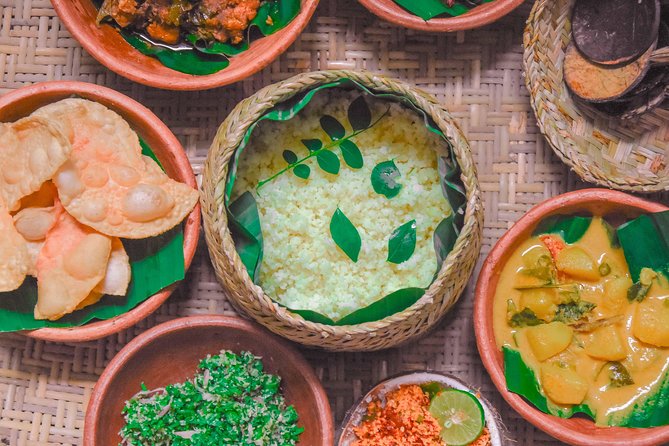
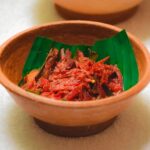
Cooking in clay pots is the signature technique here, and the reason is more than “because it’s traditional.” The porous clay absorbs water, which helps prevent food from drying out. That makes curries and slow-cooked dishes more forgiving, especially if you’re still learning timing.
It also helps with heat behavior. Clay pots tend to cook more gently and steadily, which supports tender textures and deeper flavor development without constant stirring. If you’re the type who likes to understand the why behind the method, this is one of the more satisfying parts of the class.
There’s also a practical angle in the description: clay-pot cooking is associated with antibacterial and acidic moisture that can help preserve food longer. I wouldn’t treat that as a reason to store food longer at home, but it does give you the sense that clay cookware has earned its reputation over time.
The only “watch out” is pacing. Clay-pot cooking can be slower than standard stovetop cooking, and classes have a schedule. If you prefer fast, bright-cooking methods only, you may find the slow-simmer style feels different—but it’s also exactly what makes Sri Lankan curries work.
What You’ll Cook: Rice Choices, Sri Lankan Curries, and Mallum Leafy Salads
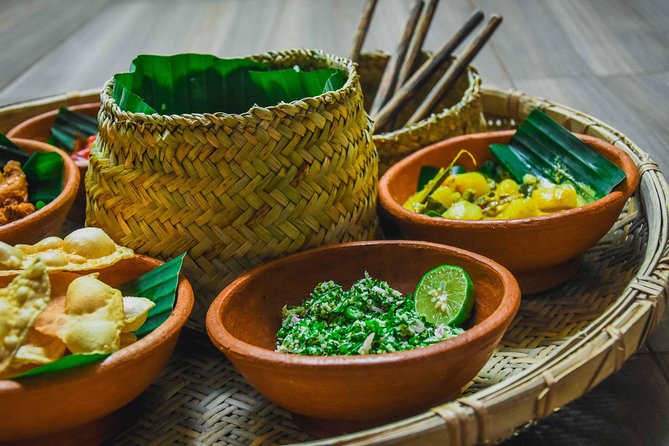
The menu structure is built around choice. You’ll pick one of several Sri Lankan rices—white rice, yellow rice, or brown rice—depending on how you like your starch base. That’s useful because rice affects the whole meal: it changes how curry thickness lands on your palate.
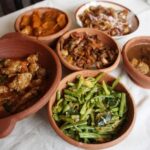
Then you select from traditional curry options and side items. The listed curry choices include Sri Lankan coconut sambol, Sri Lankan dhal curry, Sri Lankan potato curry, and fried mushroom. Chicken curry is also listed, and since the experience is described as vegan, you should clarify dietary requirements at booking so the chef can adjust properly.
You’ll also choose one mallum (leafy salad). Options listed include gotukola, mugunuanna, gova mallum, kankun mallum, and aguna kola mallum. Mallum is where Sri Lankan meals feel fresh even when the curries are rich. Leafy sides also balance heat with crunch and green flavors.
For enhancers, papdum is listed. That often works like a crispy, savory companion to curries—handy for texture and scooping.
Because the class includes items like tea/coffee and also lists buffalo curd with honey, you’ll want to be specific about what vegan means for you. If you avoid dairy entirely, say so clearly when you book. The experience info also says you should advise dietary requirements at booking, which is your green light to get everything aligned.
The Villa Setting and Colombo Quiet Zone Start
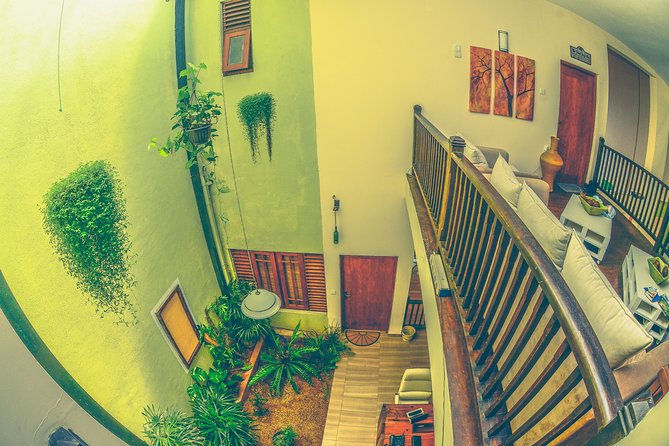
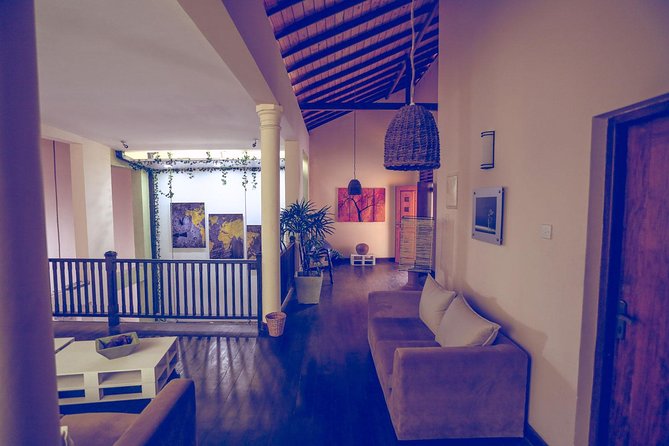
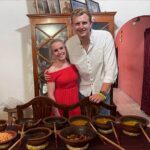
The class is based at a cozy villa area described as a green belt of Colombo, with bird songs instead of constant traffic noise. The location is said to be walking distance from landmarks like the Sri Lankan Democratic Parliament and the Immigration Office, and it’s also near Diyawanna Lake.
That matters more than you’d think. If you’re spending time in Colombo, you can get sensory overload fast. Starting the day in a calmer area helps you focus when you reach the market and then the kitchen.
The day begins with a freshly made fruit juice or an herbal drink. Then you check in, refresh, and get prepared for the market visit. This isn’t just a nice gesture—it sets a comfortable tone so you can handle a busy market with better energy.
If you’re short on time, keep an eye on the schedule. The activity is listed as about 5 hours, and it runs from 9:30 AM to 3:30 PM daily. Plan your other sightseeing around that window.
Timing, Pickup, and the Small Logistics That Make or Break Days
Price is $80 per person, and this experience is commonly booked about 30 days in advance. That usually signals two things: it’s popular, and it’s one of those classes where demand builds because people want hands-on, ingredient-led learning.
Pickup is offered, but the info also notes that hotel drop-off is not included and hotel pickup is not included. In plain terms: if you need help getting to the start point, you’ll likely need to request the pickup option or confirm what’s available for your exact hotel area.
The meeting point is near Kollupitiya, at Travel Footprint -SrilankaKollupitiya. The activity ends back at the meeting point.
I’d also plan for smart-casual dress and practical walking shoes. The market portion won’t be formal. It’s more like shopping with a purpose than strolling.
What’s Included in the Price (and How That Affects Value)
At $80, you’re paying for more than cooking time. The package includes:
- Bottled water and light refreshments
- Coffee and/or tea
- A professional guide
- All taxes and fees, plus a brokerage fee
- The market-to-kitchen structure with instruction
What’s not included: alcoholic drinks (beer), hotel drop-off, and hotel pickup (as noted above). Also, food and drinks are only included as specified.
So how do you judge value? This is strong value if you want both ingredients literacy and real technique coaching. Market tours alone can cost a lot. Add clay-pot instruction, hands-on cooking, and a guide to help you navigate local shopping, and the price starts to look fair—especially in a private format.
Where it might not fit: if you just want a quick recipe with minimal shopping and you already have all Sri Lankan ingredients at home. In that case, you might find cheaper cooking content elsewhere. But if you want to learn how Sri Lankans build flavor from everyday choices, this is the kind of class that pays off after you return home.
Who This Colombo Vegan Cooking Class Suits Best
This experience is a good fit if you:
- Want a private, hands-on cooking class rather than a classroom demo
- Learn best by seeing how ingredients are chosen in a real market
- Like traditional Sri Lankan cooking methods, especially clay-pot curries and sides
- Want to tailor what you cook to your own tastes and preferences
It’s also a strong option for food-focused couples, birthday plans, and small groups—because private instruction makes it easier to keep the day moving and questions answered.
If you’re traveling with strict dietary needs beyond vegan (or you’re sensitive to dairy, eggs, or specific ingredients), tell the organizer clearly at booking. The class lists options that may not match every vegan definition, and the notes encourage you to share requirements.
Should You Book This Vegan Cooking Class in Colombo?
I think you should book it if you want more than a recipe list. The combination of a market tour plus clay-pot cooking plus private instruction is exactly the kind of structure that turns Sri Lankan cooking from intimidating into doable.
If you’re only interested in very fast cooking, or you want zero uncertainty about ingredient lists, pause and confirm your menu adjustments when you book. Ask how the chef handles the class’s listed dairy/non-vegan items for a fully vegan outcome.
Overall, this is the kind of Colombo experience that gives you skills you can use later: better ingredient choices, better spice handling, and the confidence to cook Sri Lankan-style meals at home.
FAQ
How long is the Colombo vegan cooking class with market tour?
It lasts about 5 hours.
Is this class private?
Yes. It’s a private tour/activity, and only your group will participate.
What time does the experience run?
The listed hours are Monday through Sunday from 9:30 AM to 3:30 PM.
Does pickup or transportation include hotel service?
Pickup is offered, but hotel pickup is listed as not included. Hotel drop-off is also listed as not included, and the activity ends back at the meeting point.
What can I cook during the class?
You choose one type of Sri Lankan rice (white, yellow, or brown), one set of traditional curry items (options include dhal curry, coconut sambol, potato curry, and fried mushroom), one mallum leafy salad (such as gotukola or mugunuanna), and you may have enhancers like papdum. Dessert options listed include tea/coffee and tropical fruits, and the class mentions buffalo curd with honey.
What’s included in the $80 price?
All taxes and fees are included, plus bottled water, light refreshments, coffee and/or tea, and a professional guide.
Can I cancel, and does weather affect the class?
Free cancellation is available up to 24 hours before the experience. It requires good weather, and if it’s canceled due to poor weather, you’ll be offered a different date or a full refund.