REVIEW · COLOMBO
Colombo Cooking Class
Book on Viator →Operated by Colombo Cooking Class · Bookable on Viator
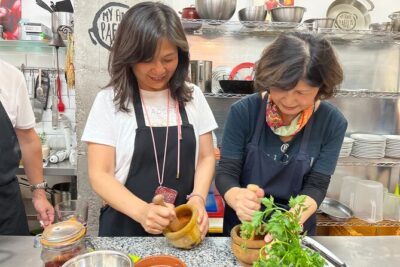
Food lessons should taste like dinner. This Colombo Cooking Class turns Sri Lankan cooking into a real, home-style meal: you prep dishes with a family cook, get guided step-by-step, then sit down and eat what you made. I love how much of it is hands-on, not passive watching.
I also really like that the focus is on what locals actually make, from curries to egg hoppers and traditional desserts, with enough variety to feel like a mini food education. One thing to keep in mind: the class runs about 3 hours, and the lunch (10am) or dinner (4pm) timing can shift depending on the schedule.
In This Review
- Key Things You’ll Notice in This Class
- Colombo Cooking Class: The Value Is in the Home-Cook Teaching
- Getting Oriented: Where You Meet and How the Session Runs
- The 3-Hour Plan: From Ingredients to 10 Dishes
- Curries, Egg Hoppers, and Desserts: What You’ll Actually Cook
- Curries That Build Your Spice Confidence
- Egg Hoppers: A Sri Lankan Favorite, Not Just a Name
- Traditional Desserts You Can’t Just Guess
- Eating What You Made: The Meal Part Is the Point
- Who This Class Suits Best (and Who Might Need Another Option)
- Price and Value: Why $60 Can Make Sense Here
- Practical Tips Before You Book
- Should You Book the Colombo Cooking Class?
- FAQ
- How long is the Colombo Cooking Class?
- Is there a lunch option and a dinner option?
- How many dishes will I cook?
- Are ingredients included in the price?
- Is the class private?
- Where do I meet the instructor?
- Is there a mobile ticket?
- Is free cancellation available?
- Are service animals allowed?
- How far in advance should I book?
Key Things You’ll Notice in This Class
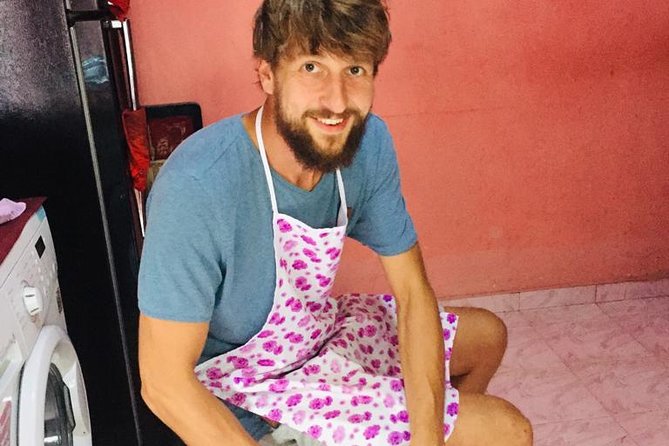
- A real home-cook approach led by someone like Piumi, who teaches clearly and adapts to how you want to cook.
- 10+ dishes made hands-on, so you’re working with the spices and techniques, not just tasting.
- Lunch or dinner included, and it’s the meal you help create.
- Vegetarian-friendly options, including vegetarian curry instruction (instructors can guide you based on dietary needs).
- A family setting vibe, with the chance to learn how food connects to daily life in Sri Lanka.
Colombo Cooking Class: The Value Is in the Home-Cook Teaching
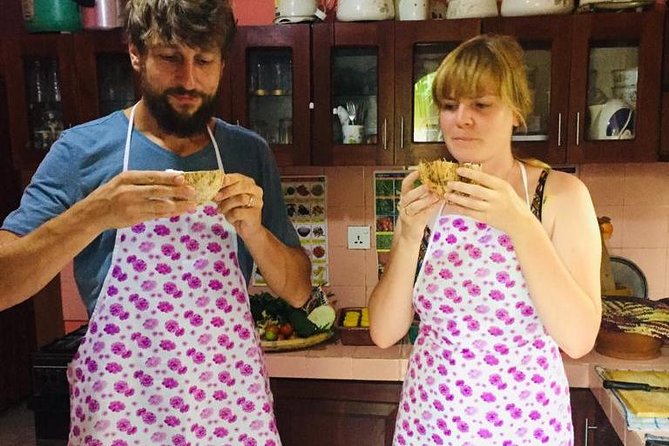
This isn’t a quick stop at a restaurant where you learn the story behind a dish. It’s a cooking class built around how Sri Lankan food gets made in homes. You start with guidance from a local cook, then you work through at least 10 different dishes and traditional desserts, with ingredients included.
The practical upside for you: a hands-on class is easier to repeat later. If you only eat food, you enjoy it. If you cook it, you can recreate it at home. You also get a more grounded sense of Sri Lankan cooking than what you’d get from a printed recipe.
From the experiences you can expect based on instructor-led teaching, a name you may hear is Piumi. The way she’s described makes the class feel less like a demo and more like a patient, organized kitchen lesson. One vegetarian-focused experience also highlights how the teaching can go beyond one fixed menu, with instruction geared toward vegetarian curries and a satisfying lunch from your own work.
You can also read our reviews of more tours and experiences in Colombo.

Getting Oriented: Where You Meet and How the Session Runs
You meet at Colombo Cooking Class, No 275/1, B231, Angoda 10600, Sri Lanka. The activity ends back at that same meeting point, so you’re not left to figure out transportation afterward.
In terms of timing, the class runs every day with either a lunch or a dinner session. Lunch starts at 10am, and dinner starts at 4pm. The provider notes that times can change based on availability, so if you’re planning other activities around your day, give yourself a buffer.
Duration is listed as about 3 hours, which is long enough to learn techniques and finish multiple dishes, but short enough that you’re not committing your entire day. For many people, that’s the sweet spot: you get depth without the full-day travel-day fatigue.
The 3-Hour Plan: From Ingredients to 10 Dishes
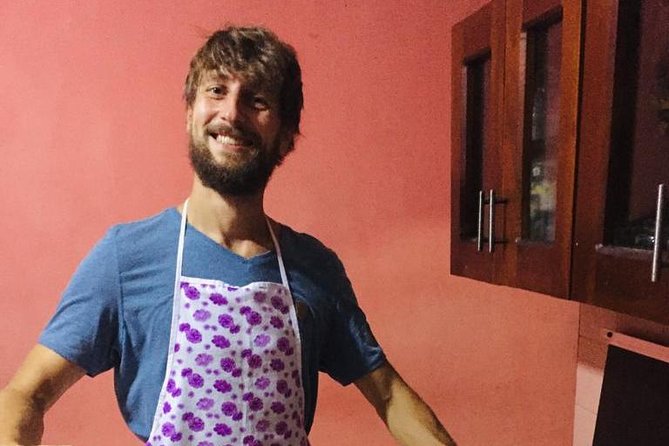
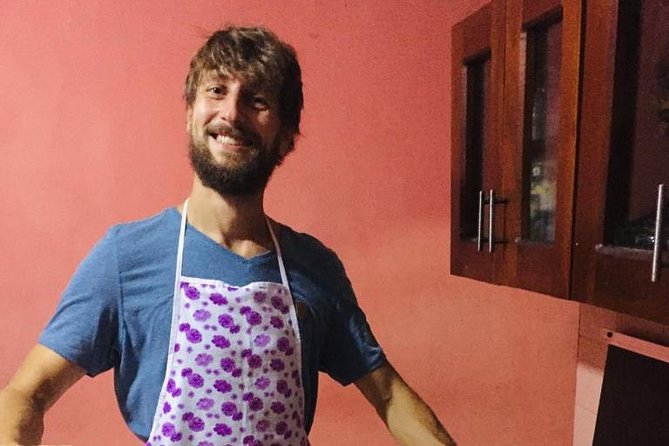
This class is designed around a steady flow: you prepare dishes with guidance, you learn key steps as you go, then you sit down to eat. The big promise is clear—at least 10 dishes—and that number matters because it changes how the class feels.
Instead of spending all your time on one curry and one rice dish, you get a mix of flavors and techniques: curries, egg hoppers, and desserts are specifically mentioned. When a class hits that variety level, you’re not just learning ingredients. You’re learning how Sri Lankan cooking blends together—spice balance, textures, and how dishes fit into a meal.
Here’s what you should expect in the rhythm of the class:
- You’ll start by working with ingredients and getting taught how to prep them properly.
- You’ll then cook multiple dishes with hands-on guidance, following the order of steps so things stay on track.
- You’ll finish with traditional desserts (also mentioned) and then move into eating.
A small but important consideration: a class like this moves with momentum. If you’re the type who likes to take notes while chopping, great. Just know you may be cooking in parallel, depending on the flow and how many dishes you’re making. That’s part of the realism—it’s like cooking at home with a plan.
Curries, Egg Hoppers, and Desserts: What You’ll Actually Cook
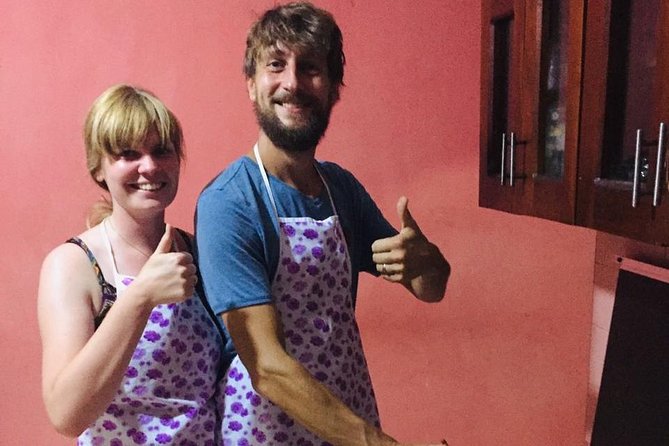
Sri Lankan food has a way of mixing comfort with boldness. In this class, you’ll get hands-on with the kinds of dishes that show up again and again in home cooking.
Curries That Build Your Spice Confidence
Curries are one of the core elements you’ll cook here. The class is explicitly described as teaching you to prep beloved local dishes, including curries, and one vegetarian-focused experience highlights that you can learn multiple vegetarian curries and make a complete lunch from them.
For you, this matters because curries are where people usually struggle at home. The technique isn’t only about one ingredient. It’s about timing, seasoning steps, and consistency. A class that walks you through several curries gives you a chance to notice patterns—what changes when spice goes in early versus late, how thickness is adjusted, and how flavors come together.
Egg Hoppers: A Sri Lankan Favorite, Not Just a Name
Egg hoppers are specifically named as part of the mix you may cook. Even if you’ve heard of hoppers before, learning them in a class is different from reading about them. You’ll learn how the batter behaves, how heat affects texture, and what success looks like during cooking.
You’ll likely also appreciate the cultural angle: egg hoppers are a breakfast-to-meal kind of food in Sri Lanka, not some fancy tourist dish. Getting hands-on with them gives you a practical “this is how it’s done” understanding.
Traditional Desserts You Can’t Just Guess
Desserts are also included, which is a big deal because many cooking classes cut off before sweetness. Here, traditional desserts are part of the hands-on experience, which helps you see how Sri Lankan meals close.
If you’re used to cooking mostly savory food, desserts can feel like a different skill set. Having them in the same 3-hour window helps you connect the whole meal arc—from savory curries and sides to the final sweet course you’re actually trained to make.
Eating What You Made: The Meal Part Is the Point
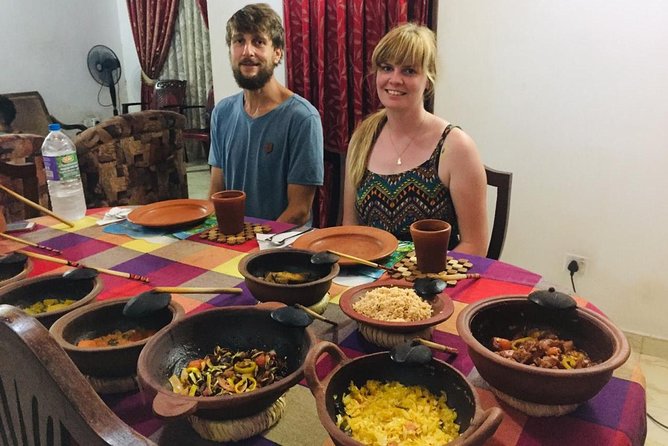
After cooking at least 10 dishes, you sit down and eat your creations. That’s not just a nice bonus. It changes the way you learn.
When you taste what you made, you immediately connect technique to outcome. If something tastes flat, you can think back: was seasoning adjusted, was spice cooked long enough, was the right texture reached? If something tastes balanced, you’ll remember what likely caused it. That feedback loop is hard to replicate with home-only cooking.
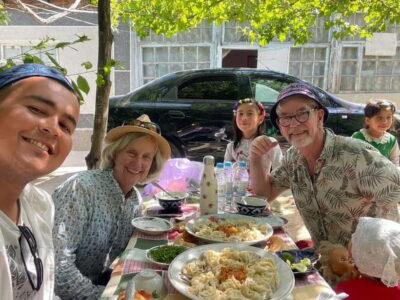
It’s also why this experience is often described as authentic. One write-up emphasizes learning inside a Sri Lankan family setting and understanding the role food plays in everyday life. Another highlights the delicious lunch that resulted from the dishes cooked during the class, including fish curry in a non-vegetarian version.
So you’re not just carrying home recipes. You’re carrying home the logic of the meal—how dishes work together on a plate and how home cooks think about feeding people.
Who This Class Suits Best (and Who Might Need Another Option)
This class fits you well if:
- You want an authentic, home-cook style learning experience in Colombo.
- You like hands-on cooking and want to make multiple dishes in one go.
- You’d rather learn techniques than collect restaurant menu ideas.
- You’re comfortable eating what you cooked, since lunch or dinner is included.
It may be less ideal if:
- You’re very short on time and can’t spare about 3 hours.
- You prefer highly structured “only one dish, slow and detailed” teaching. This class is built for variety—at least 10 dishes—so the pace is part of the design.
Dietary note: vegetarian instruction is clearly supported in the experiences shared. If you have dietary needs, plan to mention them when you book or communicate with the provider, because the class can adapt within the menu structure.
Price and Value: Why $60 Can Make Sense Here
At $60 per person for about 3 hours, the value comes from what you receive, not just the headline price. You’re paying for:
- A private class experience (only your group participates).
- Hands-on guidance cooking at least 10 dishes plus traditional desserts.
- Ingredients included.
- Lunch or dinner included.
When you break it down, the ingredient-and-teaching package is the main value driver. Many cooking experiences charge similar amounts but give you limited participation or only one dish category. Here, multiple dishes are part of the standard structure, so your ticket price turns into actual practice time.
One more practical factor: Colombo food tours can be expensive once you add restaurant meals on top. This class reduces that friction because your meal is built into the experience. You’re not paying for separate lunch after cooking.
Practical Tips Before You Book
A few smart moves can help you get more out of the class:
- Pick lunch or dinner based on your energy. The schedule is 10am for lunch and 4pm for dinner.
- Wear clothes you don’t mind getting kitchen-splashed. You’re cooking, not just visiting.
- Bring a light note-taking habit if you like to remember spice-and-timing lessons. The goal is to help you cook again later.
- If you have dietary preferences, confirm them early. Vegetarian-friendly curry instruction is part of the shared experiences, but it’s still best to communicate your needs.
Also, the provider uses a mobile ticket, which is helpful if you’re already carrying your phone everywhere. And the meeting point is described as near public transportation, so you’re not totally dependent on a private car to get there.
Should You Book the Colombo Cooking Class?
If you want a cooking experience that feels tied to real life in Colombo, I’d book this. The strongest reasons are simple: you cook at least 10 dishes with hands-on guidance, you eat the results as your included lunch or dinner, and you learn from a home-cook teaching style rather than a worksheet-style demo.
Book it if your ideal day includes active learning, good food, and a bit of culture that actually connects to what ends up on the table. You’ll leave with more than recipes—you’ll leave with a clearer sense of how Sri Lankan flavors and meal order work.
Skip it only if you’re not into kitchen time, or you can’t fit a 3-hour block into your schedule. If you can, this is a high-value way to eat in Colombo and learn to cook in the process.
FAQ
How long is the Colombo Cooking Class?
The class runs for about 3 hours.
Is there a lunch option and a dinner option?
Yes. Lunch sessions start at 10am and dinner sessions start at 4pm, and times can change based on availability.
How many dishes will I cook?
You’ll make at least 10 different dishes, including traditional desserts.
Are ingredients included in the price?
Yes, ingredients are included.
Is the class private?
Yes. It’s a private tour/activity, and only your group participates.
Where do I meet the instructor?
You meet at Colombo Cooking Class, No 275/1, B231, Angoda 10600, Sri Lanka.
Is there a mobile ticket?
Yes, it includes a mobile ticket.
Is free cancellation available?
Yes. You can cancel up to 24 hours in advance for a full refund.
Are service animals allowed?
Yes, service animals are allowed.
How far in advance should I book?
On average, this experience is booked about 18 days in advance, so earlier is smart if your dates are fixed.