REVIEW · NAPLES
Homemade Pasta And Seafood Cooking Class with Dinner
Book on Viator →Operated by TOFFINI ACADEMY · Bookable on Viator
Fresh pasta in Naples hits different.
What makes this class stand out is that you learn real Neapolitan technique in a home-style kitchen, then eat what you make. I especially like that the chef sets up your work station with everything ready—tools, ingredients, and clear guidance—so you spend your time learning, not hunting. I also like that you finish with a practical write-up you can actually follow later, not just memories. One thing to consider: it is an active, hands-on lesson, so come ready to cook, not just watch.
The rhythm of the evening matters here: you make fresh pasta and seafood gnocchi, then you move to a classic Neapolitan fried-course approach. In my book, the best part is having a guide like Luigi, who comes across as warm and genuinely interested in helping you get the cooking right while also sharing context on Italian food culture. If you have food sensitivities, tell them about gluten needs ahead of time since the class is built around the recipes provided.
In This Review
- Key things that make this class worth your time
- Naples comfort food, taught in a real-life way
- Toffini Academy’s home kitchen setup (and why it changes the whole vibe)
- How the 2.5-hour class flows: from dough to frying
- Fresh pasta hands-on
- Gnocchi with seafood
- Fried prawns and squid
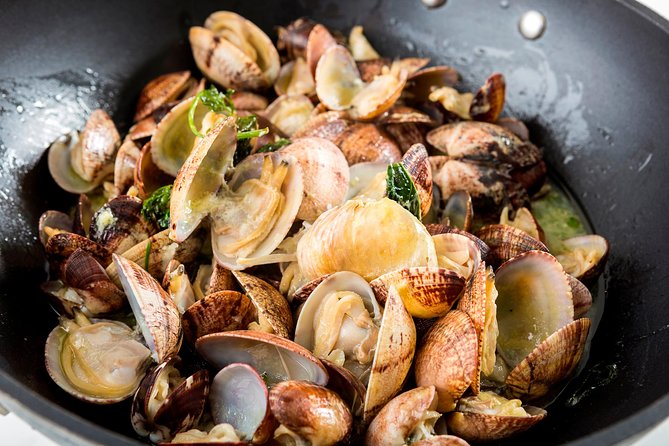
- Your included menu: Gnocchi con le vongole and classic Neapolitan frying
- Gnocchi con le vongole
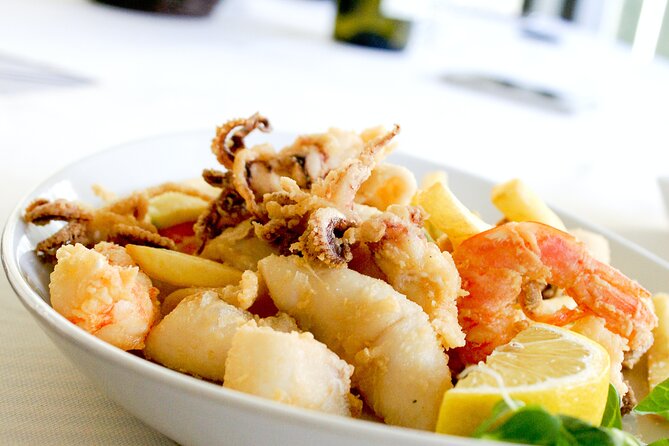
- Frittura di gamberi e calamari
- What you take home: recipes you can use, not just admire
- Price and value: what you’re paying for
- Who this experience suits best
- Smart tips for booking and enjoying the class
- Should you book this Naples pasta and seafood cooking class?
- FAQ
- What dishes will I learn to make in the class?
- Is dinner included, or do I buy food separately?
- Are alcoholic drinks included?
- Is the class taught in English?
- How long is the cooking class?
- How big is the group?
- What is the minimum age?
- Is gluten-free accommodation available?
Key things that make this class worth your time
- A chef-led, hands-on Naples pasta session where you work at your own station
- Fresh pasta and seafood-focused cooking, including gnocchi with clams and a Neapolitan-style fried course
- A dinner built into the class, so your work turns into a meal right away
- A complete recipe handout with doses and steps, designed for you to recreate at home
- A small group limit (up to 16), which makes it easier to get help when you need it
- English instruction and a home-kitchen setting rather than a restaurant line
Naples comfort food, taught in a real-life way
Naples cooking has a certain confidence: simple ingredients, strong technique, and flavors that feel specific to the city. This experience leans into that. You’re not just learning recipes in the abstract—you’re learning the moves: how the dough should feel, how to shape and work pasta, and how to handle seafood so it stays tasty rather than rubbery or heavy.
What I find most useful for you is the focus on technique that’s repeatable. If you’ve ever tried to make fresh pasta at home and felt like the dough never cooperated, you’ll understand why. Here you’re given the recipe framework and then guided while you do it. That makes it far more likely you’ll end up with something you’d actually serve to friends.
This also isn’t a mega-tour. The group cap of 16 is a big deal. In a class this hands-on, smaller groups tend to mean more attention, fewer long waits, and a better chance to ask questions while you’re still holding flour on your hands.
You can also read our reviews of more tours and experiences in Naples.
Toffini Academy’s home kitchen setup (and why it changes the whole vibe)
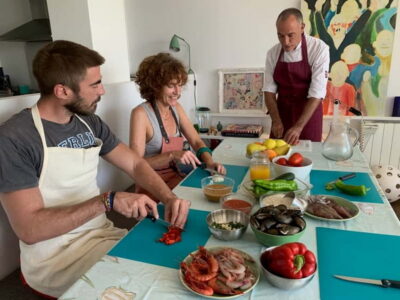
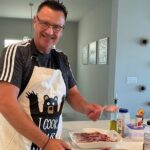
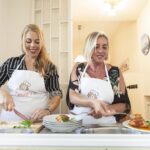
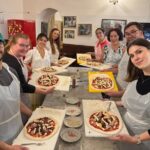
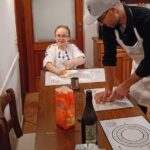
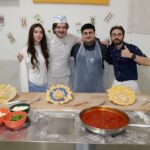
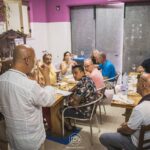
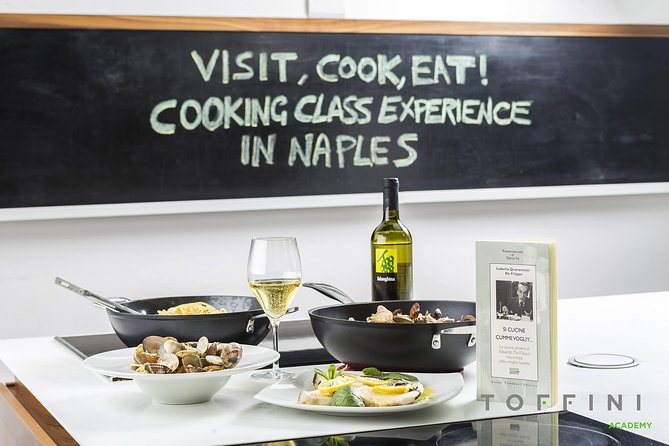
This is at Toffini Academy, and the difference is in the setting. You’re not cooking in the kitchen of a pizzeria or restaurant. You’re in a special home kitchen made for food lovers who want to learn without pretending they’re pros.
I like that approach because it lowers the intimidation factor. You get your place, equipment, and ingredients lined up so you can focus on the lesson. The space is described as clean and elegant in one of the standout class accounts, and that matters more than people think. A tidy, well-prepped kitchen means fewer distractions and fewer moments where you’re improvising because something’s missing.
Another thing I appreciate: the academy is geared toward non-professional cooks. The goal isn’t to train you for a job—it’s to help you leave with skills that make sense in a normal home kitchen. That’s why the recipe handout is included at the end, with doses and procedure.
How the 2.5-hour class flows: from dough to frying
The total time is about 2 hours 30 minutes, so it’s not a short demo and it’s not a full-day course either. It’s paced so you actively move from one skill to the next without feeling like you’re waiting around.
Here’s what the cooking sequence is designed to cover:
Fresh pasta hands-on
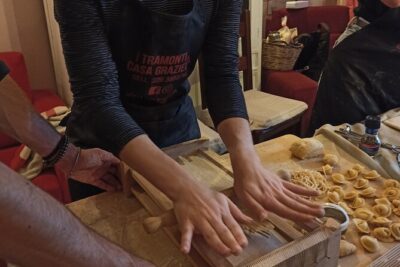
You start with fresh pasta—this is the backbone of Neapolitan tradition in pasta-making. Your station is ready, and the chef guides you as you work the dough. You’ll learn the steps as a process, not just a list. This is where you’ll pick up the feel of what you’re making, which is the hardest part to teach secondhand.
Gnocchi with seafood
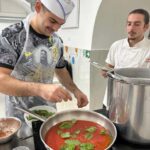
After you’ve made pasta elements, you move to gnocchi con le vongole—gnocchi with clams. It’s a great choice for a class because it shows how seafood flavors should integrate with pasta rather than overpower it.
Fried prawns and squid
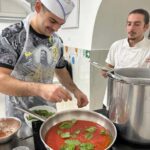
Then comes the second main focus: frittura di gamberi e calamari (fried prawns and squid). Frying can be intimidating, but the structure here is meant to make it approachable. You’re shown the secrets for making your best frying results, and you cook alongside the group so you can correct course in real time.
In practical terms, this flow is smart: dough work teaches patience and texture control; gnocchi teaches how to match seafood with pasta; frying teaches timing and how to avoid common mistakes.
Your included menu: Gnocchi con le vongole and classic Neapolitan frying
At dinner, you’re eating what you cooked. The menu centers on two mains:
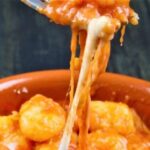
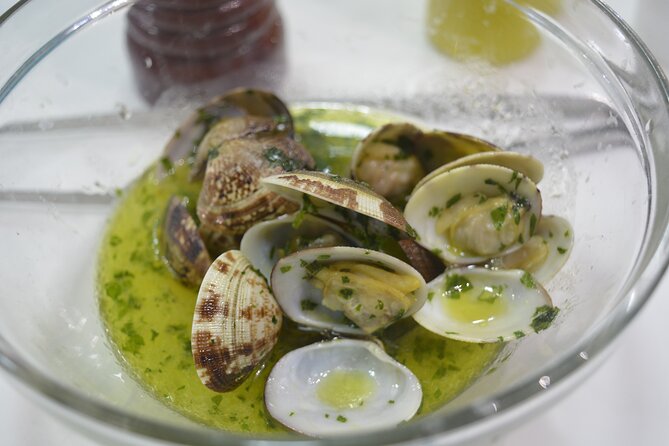
Gnocchi con le vongole
This is gnocchi with vongole (clams). The flavor profile is unmistakably coastal, and the lesson is bigger than the dish. You’re learning how seafood can be part of a pasta meal without getting lost. When you taste what you made together, you’ll understand why Naples cooking often feels both simple and deeply satisfying.
If you’re sensitive to briny flavors, it can help to know that vongole have a distinct seawater note. But if you like Italian seafood sauces and pasta dinners, this is the dish to look forward to.
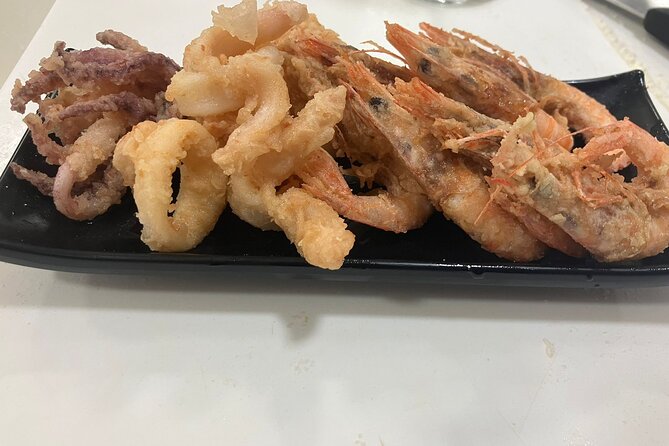
Frittura di gamberi e calamari
For the second main, you’ll learn how to make a fritto: fried prawns and squid. This is pure Neapolitan comfort food in concept—hot, crisp, and eaten as a proper dinner centerpiece rather than a snack.
One of the strongest notes from a real class account was that the gnocchi and fried calamari turned out excellent, which is exactly what you hope for in a cooking class. Another detail: the instructor was friendly and shared helpful information about Italian culture and cooking, not just the mechanics. That kind of teaching makes the food taste better too, because you understand why you’re doing each step.
Also note: alcoholic beverages are not included. However, wine can be offered for purchase, and that’s something you can plan for if you want to turn dinner into a slightly more grown-up evening.
What you take home: recipes you can use, not just admire
I love classes that hand you something you can take straight into your kitchen. Here, you receive the complete recipe at the end, including doses and the procedure. That’s huge. Lots of cooking experiences give you vague guidance or just a memorable plate. This gives you a workable reference.
And because you cooked with real ingredients and followed a coached process, the recipe is easier to interpret. You’re not guessing how the dough should feel or how to approach the timing—you’ve already done it once.
Practical tip: when you get the recipe, read it all the way through first, then map it to what you remember making. The second read is where you usually spot the exact moment that matters most (often texture, heat, or timing).
Price and value: what you’re paying for
The price is $106.04 per person for about 2.5 hours. On paper, that can sound like a lot if you compare it to a casual meal. But the value is in three places:
- Technique + guidance. You’re learning multiple dishes: fresh pasta, gnocchi with seafood, and frying prawns and squid. That’s more than a single recipe.
- Dinner is included. You’ll get a meal as part of the class (described as a two-course dinner based on the menu). Food is not an add-on here.
- You leave with a recipe pack. That’s real utility. It’s what turns the class from entertainment into a skill you can repeat.
Also included are a non-alcoholic aperitivo, bottled water, local taxes, and the class entry. Not included is transportation and alcoholic beverages.
If you’re the type who wants to leave with skills and not just photos, this price starts to make sense quickly.
Who this experience suits best
This is a great fit if you:
- Want hands-on cooking rather than watching from the sidelines
- Like Italian seafood flavors and classic Neapolitan dishes
- Want an English-friendly class with a small group
- Prefer learning in a home-kitchen style setting
It’s also sensible if you’re traveling in a small group with at least a couple of people who like cooking. Small group size helps the experience feel personal.
Two quick cautions:
- If you don’t like frying or you’re uncomfortable with active kitchen work, you might want to think carefully since frying is a major part of the class.
- If you have gluten needs, you should advise them at booking. The class uses the recipes provided, so your best chance for a smooth experience is making sure they know your needs early.
Smart tips for booking and enjoying the class
Here are the small things that help you get better results:
- Dress smart casual. You’ll be in a kitchen setting, so wear comfortable clothes you don’t mind getting a little flour or cooking splatter on.
- Plan your timing. Since the activity ends back at the meeting point, give yourself a little buffer afterward so you’re not rushing to the next stop.
- Ask questions early. In a small class, you can usually get help faster if you ask while you’re doing the step, not after.
- Come hungry, but not stuffed. You’ll eat during the class, so a big lunch can dull the dinner experience. A normal meal earlier in the day is ideal.
- Expect an active experience. This isn’t just a tour guide talking at you. You’ll be making and tasting along the way.
If you want a “Naples meal” memory, this is also a smart way to taste the city without relying on one-off restaurant dinners. You learn the logic behind the flavors, which makes the next meal you have in Naples feel more understandable.
Should you book this Naples pasta and seafood cooking class?
Yes, you should strongly consider booking it if your goal is to bring Naples cooking skills home. The class format is practical: you learn fresh pasta, then you make seafood gnocchi, then you finish with classic Neapolitan frying. The included dinner means the evening is complete, and the recipe handout means you’re not left with only a plate in your memory.
Skip it (or at least think hard) if:
- You want something passive and observational
- You have concerns about hands-on cooking or frying
- You need special dietary accommodations and haven’t confirmed details in advance
If you fall into the sweet spot—curious, hungry for seafood and pasta technique, and ready to get involved—you’re likely to leave smiling and with a real plan for your next dinner at home. And if your instructor is the likes of Luigi, expect both useful cooking guidance and a friendly conversation about Italian food culture while you work.
FAQ
What dishes will I learn to make in the class?
You’ll make fresh pasta and then cook gnocchi with seafood (gnocchi con le vongole). The second course focuses on frittura di gamberi e calamari, fried prawns and squid.
Is dinner included, or do I buy food separately?
Dinner is included. The class includes a two-course dinner as part of the experience.
Are alcoholic drinks included?
No. Alcoholic beverages are not included. An alcohol-free aperitivo and bottled water are included, and wine may be available for purchase.
Is the class taught in English?
Yes, the experience is offered in English.
How long is the cooking class?
It runs for about 2 hours 30 minutes (approx.).
How big is the group?
The class has a maximum of 16 travelers.
What is the minimum age?
The minimum age is 10 years.
Is gluten-free accommodation available?
You should advise any gluten free requirements at time of booking so the team can prepare accordingly.