REVIEW · CATANIA
Catania: Cooking class set in a sea front historic villa
Book on GetYourGuide →Operated by Kemedia · Bookable on GetYourGuide
Cooking in a seaside villa in Catania changes the whole mood fast. I love the hands-on fresh pasta instruction and the chance to eat right there, on the terrace with sea views. One note: this is an active class, so wear comfy clothes you can get flour on.
Expect Cavateddi alla Norma training, plus ricotta cream and cannolo technique, followed by a dinner that uses what you made. It’s limited to a small group (up to 10), taught by an English- and Italian-speaking chef team, with the host Francisco (Francesco in the reviews) keeping things friendly and organized. If you’re short on time, the class is only 3 hours, so it won’t cover every corner of Sicilian cooking.
In This Review
- Key things I’d circle before you book
- Why this Catania sea-view pasta class feels different
- Entering the historic villa terrace at Piccolo Porto di Ognina
- The welcome tasting: wine, soft drinks, and Sicilian starters
- Fresh pasta hands-on class: making Cavateddi alla Norma
- Ricotta cream and cannolo technique at the end of the lesson
- Dinner in the historic villa: eating what you made
- Price and value: what $130.28 covers in real terms
- Who this Catania class suits best
- Practical tips so your evening goes smoothly
- Should you book this cooking class in Catania?
- FAQ
- What is the location for the Catania cooking class?
- How long is the cooking class?
- Is it a small group?
- What dishes will I make?
- What’s included in the price?
- Is wine included?
- What happens after the class ends?
Key things I’d circle before you book
- Historic villa by the Gulf of Ognina terrace setting, with a real sea-facing break between courses
- Ancient Sicilian grains in the pasta-making focus, not just generic flour-and-water
- Cavateddi alla Norma shaping and methods taught during the hands-on portion
- Ricotta cream and cannolo finishing so you leave with the sweet part nailed
- Local wine and soft drinks paired during the terrace tasting
- Recipe booklet you can actually use later, not a vague souvenir
Why this Catania sea-view pasta class feels different
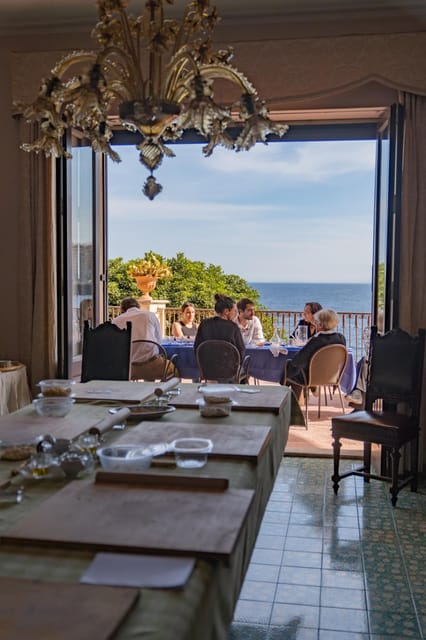
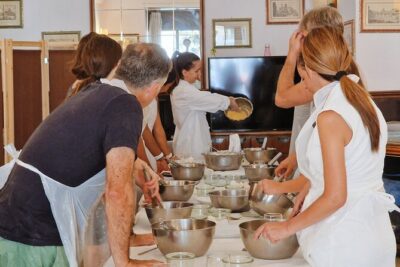
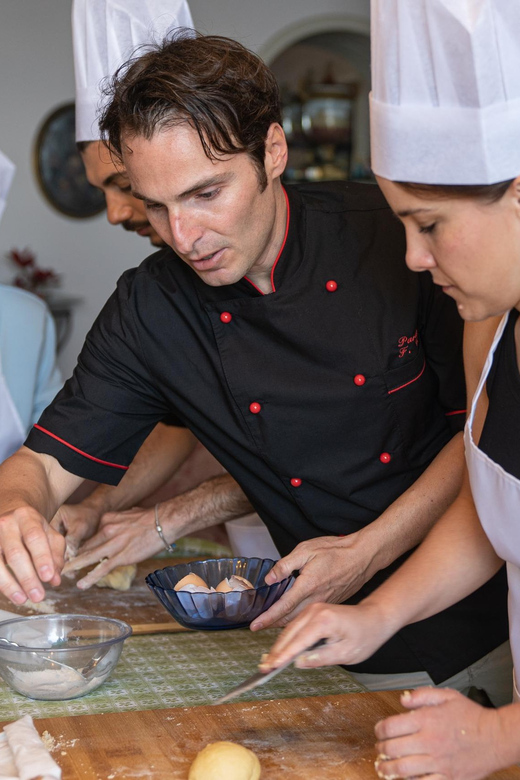
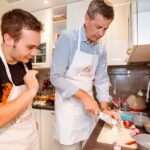
This is not a kitchen show where you sit back and watch. You’re rolling, shaping, and learning real technique in a historic villa setting overlooking the Gulf of Ognina. That matters because Sicilian cooking is hands-on by nature—texture, thickness, and shape affect the sauce and the bite.
I also like how the evening is structured around eating what you helped create. Many cooking classes stop at the lesson; here, you finish with dinner and a cannolo based on the work you did. It’s a simple promise: learn, cook, eat, repeat.
Finally, the small-group cap (10 people) keeps the pace human. You’re more likely to get guidance when you need it, especially during shaping steps that are harder to “figure out later.”
You can also read our reviews of more tours and experiences in Catania.
Entering the historic villa terrace at Piccolo Porto di Ognina
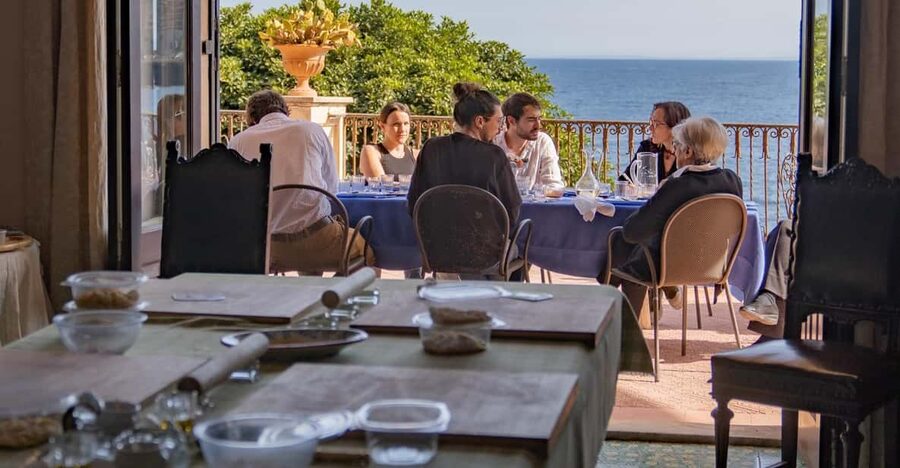
The experience meets at a specific spot near Piccolo Porto di Ognina, and the exact address is provided by the supplier after booking. That’s normal for smaller operators, but do plan to check your booking details the day before so you don’t waste time hunting in a busy coastal area.
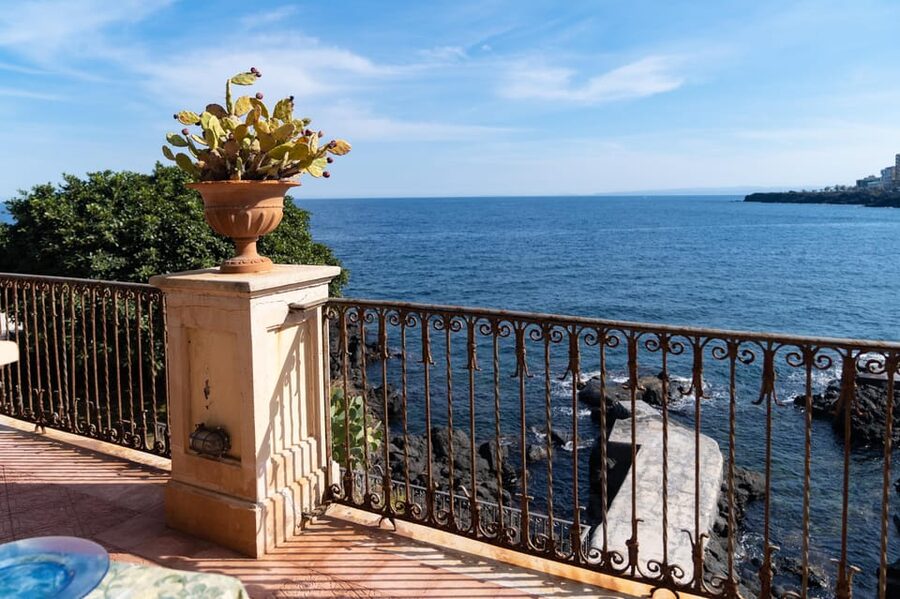
Once you arrive, you’re set on a terrace facing the sea. Before you touch dough, you start with a welcome refreshment while you take in the Gulf of Ognina view. This is a classic Sicily move: eat and drink first, then get to work with a calmer head.
The villa itself is part of the point. Cooking in a sea-front historic property gives the evening a sense of occasion that a studio classroom just can’t match. You’re not just learning pasta; you’re doing it in a place that feels like it’s been doing food long before tourists showed up.
The welcome tasting: wine, soft drinks, and Sicilian starters
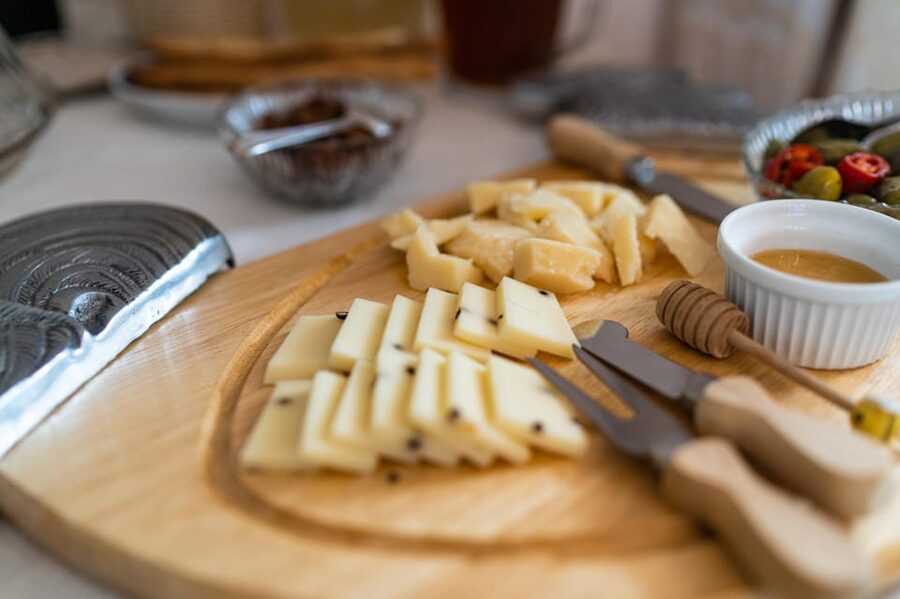
After you settle in, expect appetizers as part of the experience flow. The terrace tasting includes local wine and soft drinks, so you can stay with the group without needing to order anything separately.
This start serves two purposes. First, you get a chance to taste Sicilian flavors before you cook them, which makes later steps feel more connected. Second, it sets a social tone—people talk, ask questions, and get comfortable before the kitchen turns busy.
If you prefer to avoid alcohol, you still have the soft drinks option included. Just remember you’ll be working with your hands afterward, so pace yourself at the start and keep your energy steady.
Fresh pasta hands-on class: making Cavateddi alla Norma
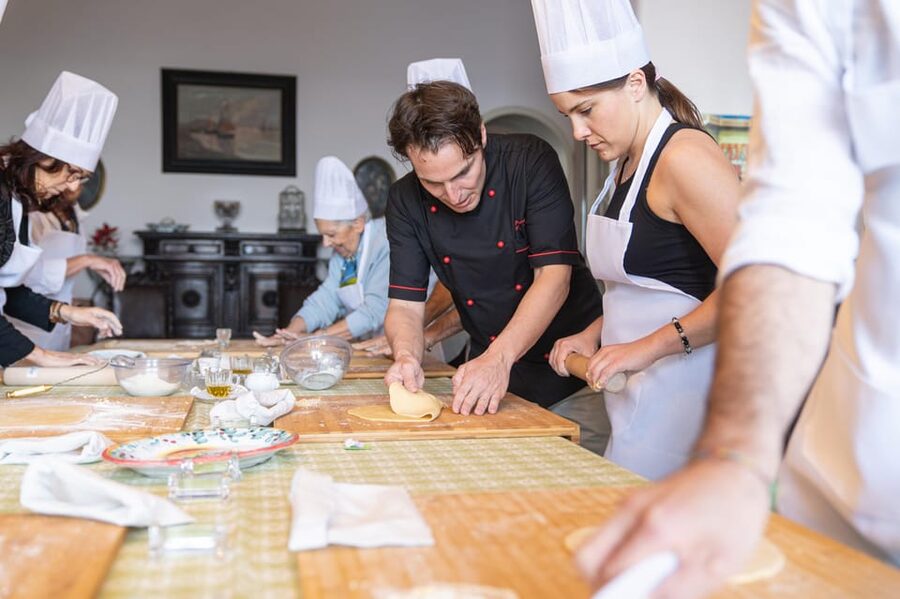
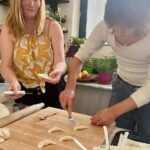
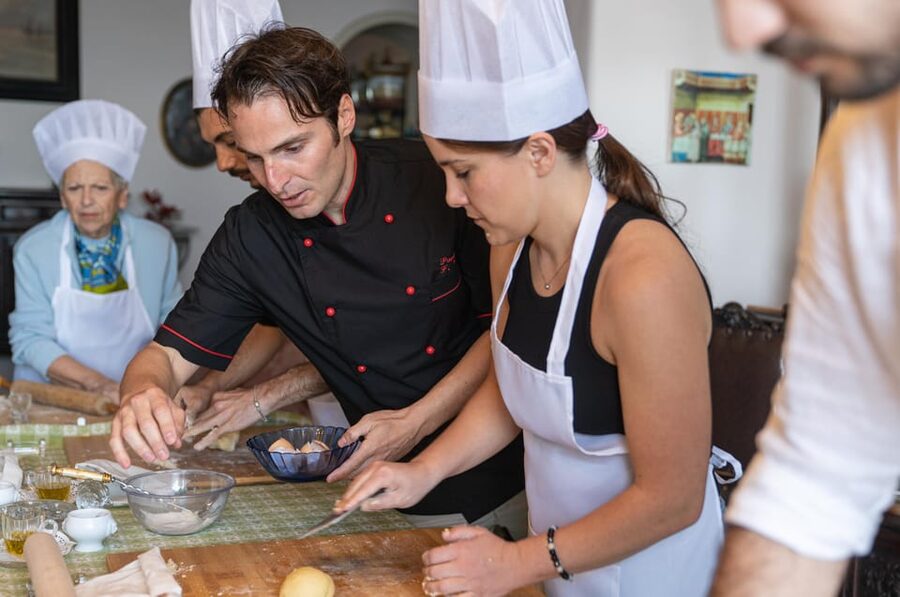
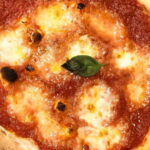
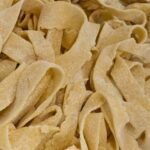
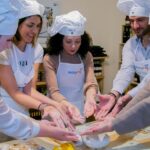
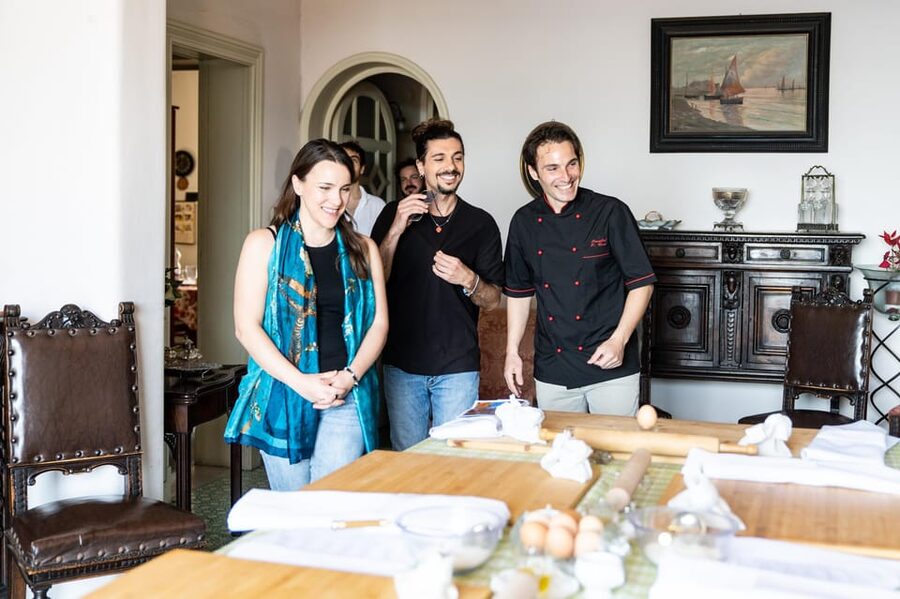
This is the main event: a cooking class focused on making fresh pasta. The lesson is built around Cavateddi alla Norma, including how to shape the pasta in a way that works with traditional Sicilian sauce styles.
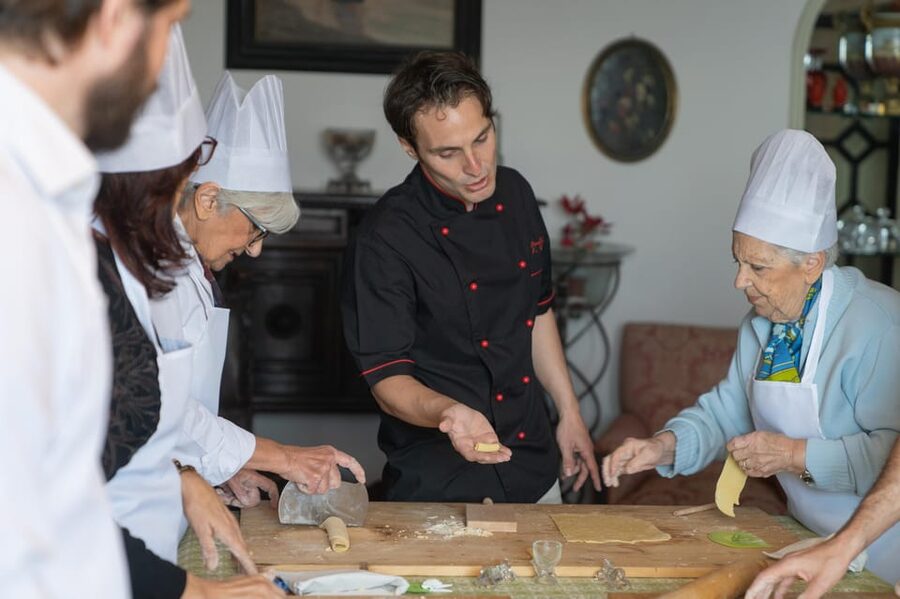
The class is taught by a professional chef and draws on technique from a Sicilian grandmother. That combination matters. Chefs often focus on structure and consistency; older family technique tends to focus on feel—how dough should behave and how to correct it early instead of panicking later.
One extra detail I like in the description is the focus on uniquely flavored pasta using ancient Sicilian grains. That signals this isn’t only about the mechanics of pasta. It’s also about flavor choices tied to place and ingredient tradition, which is what makes the result taste like Sicily rather than just “good pasta.”
During the hands-on portion, you’ll also learn traditional methods connected to the Norma style. Cavateddi pasta is about texture and ridges or shape (the exact details depend on the method the chef teaches you), and that’s why guidance matters while you’re shaping.
Practical note: fresh pasta steps can move faster than you expect once everyone gets dough in hand. Don’t worry if your first batch isn’t perfect—part of the value is learning the method so you can improve as you go.
Ricotta cream and cannolo technique at the end of the lesson
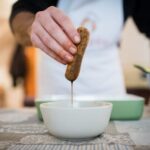
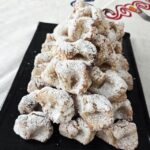
After pasta shaping, the sweet instruction comes in: ricotta cream for cannolo. You’ll learn how to get the ricotta cream to the right texture so it pipes or fills cleanly, plus how to finish with crunchy pistachios.
Cannolo can feel simple, but it’s not just a filling. The cream consistency is where many home attempts fall apart—too loose and it runs, too thick and it feels heavy. The class approach here focuses on getting that cream right, using the knowledge of the instructors, which is what you want if you plan to recreate the dessert later.
And yes, you really do end with cannolo filled with creamy ricotta and crunchy pistachios. That closes the loop: you learn the components and then taste the final version.
If you’re a dessert person, this is one of the best parts of the whole booking. If you’re not, it’s still worth paying attention because the technique transfers—ricotta texture control is a useful skill beyond cannoli.

Dinner in the historic villa: eating what you made
Once the lesson portion finishes, you move into dinner in the same historic villa setting. Dinner features the dishes you prepared, so it’s not a random restaurant meal thrown in for convenience.
This is the moment where the whole class becomes more than instruction. When you see how the sauce, pairing, and presentation come together, you understand why the chef asked you to shape the pasta a certain way. The same goes for the cannolo filling work—after you’ve done the steps, you notice the difference between a filling that’s been “forced” versus one that’s been crafted.
You also keep the group’s pace in mind: the entire experience is about 3 hours. So you get enough time to learn and eat without feeling like you gave up half a day.
The atmosphere is a big part of the value here too. Cooking might be the headline, but the setting is what makes you relax enough to actually taste.
Price and value: what $130.28 covers in real terms
At $130.28 per person for a 3-hour small-group class, you’re paying for three things at once:
- Instruction from a professional chef and additional technique knowledge
- Food and drink: appetizer and dinner are included, and the terrace pairing includes local wine and soft drinks
- Hands-on materials: equipment and ingredients are included, plus a recipe booklet you can take home
For many “cook and taste” activities, people end up paying a similar amount but still have to buy their own meal separately. Here, dinner is part of the program, and the appetizer is included as well, which makes the per-hour value feel more reasonable.
It’s also a premium location choice: a sea-front historic villa with terrace time. That doesn’t make it automatically “worth it,” but in this case the price matches the setting and the full food flow.
If you’re the kind of traveler who likes practical skills—actually learning to shape and prepare—this feels like better value than a pure tasting event. If you only want light sampling and minimal work, it may feel a little pricey for the effort involved.
Who this Catania class suits best
This works especially well if you want more than a meal in Catania. Choose it if you like:
- learning food technique you can repeat at home
- cooking with regional Sicilian focus (Cavateddi alla Norma and cannolo)
- a small-group experience with personal attention
- eating somewhere with a view, not just a table in a dining room
It’s also a great pick for couples or small groups who want one shared activity where everyone participates. Up to 10 people means it stays social but not chaotic.
If you’re traveling solo, you’ll likely feel included rather than pushed aside, because the class format naturally invites questions. And if you’re visiting during a week when you don’t want to do long tours, the 3-hour timing is friendly.
Practical tips so your evening goes smoothly
You’ll get the best experience if you plan like this:
- Wear comfy clothes you don’t mind getting flour on. Fresh pasta work can be messy even when people try to be careful.
- Arrive a few minutes early once you have the exact address after booking. Coastal areas can be tricky to park and walk.
- Pace your drinks during the welcome tasting since you’ll be cooking right after. Local wine is included, but you’re still in an active class.
- Take notes during the lesson even if you plan to rely on the booklet. The hands-on steps are easier to remember when you record what the chef says about texture and timing.
- Have your home-cook mindset ready. The recipe booklet is included, so think about what you’ll be able to re-create with your local ingredients.
Also, the lesson includes English and Italian instruction. If you’re comfortable with either language, you’ll get more out of the class. If you only speak one, don’t stress—you can still follow the hand signals and demonstrations, and your questions can likely be handled in that language.
Should you book this cooking class in Catania?
I’d book it if you want a Catania experience that’s part skill-building, part dinner, and part sea-view relaxation. The standout combination is the historic villa terrace, the hands-on fresh pasta focus, and the fact that dinner and cannolo are built around the work you did.
I would skip it or think twice if you prefer low-effort activities. This is a cooking class. Even with a friendly group size and expert help, you’re expected to participate.
If you’re torn between “eat well” and “learn something you’ll use,” this booking leans toward learning. And the best part is you’re not learning in theory—you’re tasting the outcome right away.
FAQ
What is the location for the Catania cooking class?
It takes place near Piccolo Porto di Ognina, Italy. The exact address is provided by the supplier after you book.
How long is the cooking class?
The duration is 3 hours. Starting times vary, so you’ll need to check availability.
Is it a small group?
Yes. The group is limited to 10 participants.
What dishes will I make?
You’ll learn fresh pasta techniques and make Cavateddi alla Norma, and you’ll also make ricotta cream for cannolo.
What’s included in the price?
The class includes a chef-led cooking class, appetizers and dinner in the historic villa, equipment and ingredients, and a recipe booklet.
Is wine included?
Yes. Local wine and soft drinks are included as part of the terrace tasting.
What happens after the class ends?
The activity ends back at the meeting point.
If you tell me your travel dates (and whether you prefer English or Italian), I can help you judge whether the 3-hour timing fits your day plan in Catania.