REVIEW · CATANIA
Catania: Sicilian Cooking Class with Wine and Appetizers
Book on GetYourGuide →Operated by Ady & Giò · Bookable on GetYourGuide
Catania tastes like family. This hands-on Sicilian cooking class in a cozy home is a fast path to learning real dishes, not just watching someone else cook. I love making fresh pasta with the chefs, and I love that the evening comes with unlimited local wine while you cook and eat. One thing to consider: you’re spending the whole 3.5 hours in someone’s home kitchen and dining area, so the experience is best when you’re happy to follow their rhythm and pickup plan.
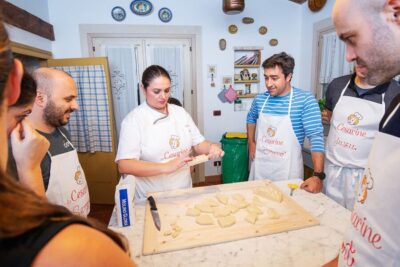
What you’re really buying is a night of Italian cooking done at home scale: you’ll work the dough, form and fry arancini, and assemble cannoli with ricotta. And with hosts like Ady and Giò (and their family-style warmth), it doesn’t feel like a classroom. It feels like you’ve been invited in.
Also, the group is small—up to 10 people—so questions come easily, and you’re not stuck waiting your turn.
In This Review
- Key Things That Make This Catania Class Worth It
- A Catania Cooking Class That Feels Like Being Let In
- What You’ll Make in 3.5 Hours: Pasta alla Norma, Arancini, Cannoli
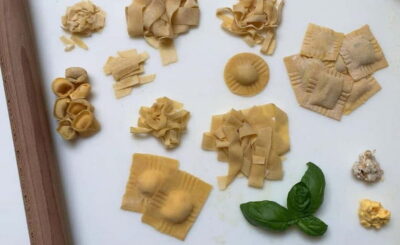
- Starting the Night: Fresh Pasta and Pasta alla Norma
- Arancini Workshop: Shaping and Crisping the Golden Shell
- Cannoli Assembly with Ricotta: The Fun Part You’ll Actually Remember
- Wine, Appetizers, and the Pace of a Real Sicilian Meal
- Price and Value: Does $100 Make Sense?
- Small Group Comfort: Up to 10 People, English and Italian Guidance
- Vegetarian and Dietary Needs: How Flexible Is It?
- Practical Notes: Pickup, Timing, and What to Bring
- Should You Book This Catania Cooking Class?
- FAQ
- How long is the cooking class?
- How much does it cost?
- What dishes will I learn to make?
- Is wine included?
- Are appetizers included?
- Where does the class take place?
- Is transportation included?
- Is the class taught in English?
- Is the class wheelchair accessible?
Key Things That Make This Catania Class Worth It
- Hands-on fresh pasta alla Norma led by Ady and Giò, with clear step-by-step guidance
- Crispy arancini practice so you learn the shaping and the key to getting them golden
- Cannoli made from scratch, including assembling the shells and filling with creamy ricotta
- Unlimited local wine served throughout the cooking and the meal
- Sicilian appetizers that keep you fueled while you cook
- Small group format (max 10) so you actually get to participate
A Catania Cooking Class That Feels Like Being Let In
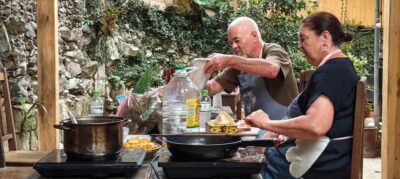
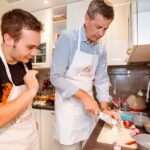
If you’re the kind of traveler who likes a story behind your dinner, this is the right kind of activity. The setting is a private home, not a big restaurant studio. That matters. In a home kitchen, the pace is slower and the focus is on you learning the mechanics: how dough should feel, how fillings get portioned, and how to put the finishing touches on dishes you can recognize from Sicilian family tables.
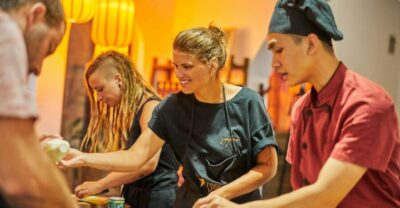
Ady and Giò’s energy is a big part of it. Several recent bookings highlight that the hosts are warm, easy to talk to, and genuinely excited to share their food. One person even mentioned how the night became a family-style experience—something that happens when the hosts treat you like part of the table instead of a ticket number.
And then there’s the wine. Unlimited local wine doesn’t just mean a drink voucher. It sets the mood while you cook, and it makes the meal feel like a real evening out, not a rushed food demo.
The main tradeoff is simple: this is not a quick grab-and-go activity. It’s 3.5 hours of cooking, eating, and hanging around with a group in a home environment.
You can also read our reviews of more tours and experiences in Catania.
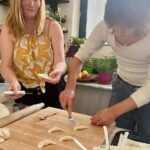

What You’ll Make in 3.5 Hours: Pasta alla Norma, Arancini, Cannoli
This class is built around three iconic Sicilian flavors. Not “Sicilian-inspired” or “regional-adjacent.” The dishes are specific and hands-on:
1) Pasta alla Norma
You’ll start with making fresh pasta and then prepare pasta alla Norma, which is classically associated with eggplant and tomato flavors (the exact flavor build will be guided by the chefs in class).
2) Arancini (Sicilian rice balls)
You’ll craft arancini and learn how to get that crispy result on the outside.
3) Cannoli
You’ll assemble cannoli and fill them with creamy ricotta.
You’re also served a selection of Sicilian appetizers while you cook. The food portioning tends to be generous, too—more than a “taste and move on” situation.
For me, the value here isn’t only that the dishes are delicious. It’s that you’ll repeat each skill enough times to actually understand what you did. That’s what turns “I ate Sicilian food” into “I can make it again at home.”
Starting the Night: Fresh Pasta and Pasta alla Norma
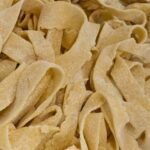
The first phase is where the class really earns its keep. Fresh pasta sounds fancy, but it’s also the most teachable part because you can feel the dough. Once you’re working with it, you stop thinking of pasta as store-bought and start thinking of pasta as something you can control.
In this class, you begin by making pasta from scratch, guided by Ady and Giò. Expect the chefs to focus on the textures and the small adjustments that keep dough elastic and workable. This kind of coaching matters because Sicilian pasta doesn’t have to be complicated—just consistent.
Once your pasta is ready, you’ll move into pasta alla Norma. This is where you get the “why” behind the dish. You’ll learn how the flavors are meant to come together on the plate, not just what ingredients go in. If you’ve ever wondered why this dish tastes the way it does in Italy—this is your chance to connect the dots.
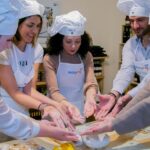
A practical upside: doing pasta early means you’ll have a satisfying “win” early in the evening, which helps if you’re worried about being slow in a cooking class. And because the group is small (up to 10), the chefs can keep an eye on what your hands are doing.
Arancini Workshop: Shaping and Crisping the Golden Shell
Arancini are one of those foods that look simple until you try it. The outside needs to be crisp and the inside needs to stay tender. In this class, you don’t just assemble; you learn the process behind it, led by the chefs.
The main skill is portioning and shaping. If the filling is uneven, or if the coating isn’t sealed well, the arancini can break or cook inconsistently. So you’re paying attention to small details—how you handle the rice, how you compress it, and how you build the final shape.
You’ll craft arancini in class with the goal of getting them perfectly crispy, and that’s exactly what the chefs are setting you up to learn. People who left glowing reviews repeatedly point to the arancini as a standout, which makes sense. This is the dish that rewards technique, not just appetite.
Also, arancini are a great “group-cooking” dish. While one person works on shaping, another might be prepping something else. With a small group, you keep moving without feeling rushed.
Cannoli Assembly with Ricotta: The Fun Part You’ll Actually Remember
Cannoli is the last big finish, and it’s also the most satisfying to assemble. You’ll learn to assemble cannoli and fill them with creamy ricotta. This is where the cooking class turns into something playful.
In a hands-on format like this, you’ll see that cannoli isn’t only about filling—it’s about timing and balance. The shell needs to stay crisp enough to enjoy, and the ricotta needs to taste smooth and rich. With proper guidance, it becomes a dish you can repeat at home without stress.
What I like about ending with cannoli is the learning style. You move from cooking and shaping (pasta and arancini) into assembly and finishing (cannoli). It keeps the energy up for the last stretch, especially since you’ll be eating what you make.
And yes, the vibe is social here. After cooking, you finish gathered at the table, sharing the dishes you created. That part—actually eating together—is often what people remember most.


Wine, Appetizers, and the Pace of a Real Sicilian Meal
This class includes unlimited local wine during the cooking and meal. That changes the experience. In a typical class, wine is either a small pour or a token. Here, it’s part of the rhythm of the evening.
You’ll also get Sicilian appetizers while you’re cooking. That’s a smart pacing choice. It keeps you from getting hungry while you’re learning the trickier steps, and it gives you a broader taste of Sicilian flavors before your main dishes arrive.
From the reviews and the way the night is described, the structure is: cook, sip, snack, then sit down together. The table time is a real part of the experience—not just a separate “meal at the end.”
One more practical note: unlimited wine can affect your energy and patience. So if you’re sensitive to alcohol or you want to move slowly, just pace yourself. The focus is the cooking skills, not racing to the last glass.
Price and Value: Does $100 Make Sense?
$100 per person for a 3.5-hour class with hands-on cooking, a meal, appetizers, and unlimited local wine can sound high at first—until you break down what’s included.
Here’s what you’re getting for the price:
- You make fresh pasta and cook pasta alla Norma
- You craft arancini with a crispy target
- You assemble cannoli with ricotta filling
- You eat a meal in the hosts’ home
- You get Sicilian appetizers during the session
- You get unlimited local wine
Add the small group size (max 10), and you’re paying for personal instruction and an intimate setting. In other words, it’s not a ticket to watch. It’s a ticket to participate.
The biggest value piece is the skills. If you leave with even the ability to make one of these dishes confidently, the cost starts to look more reasonable. And because the meal is generous, you’re not spending extra money afterward on dinner.
If you’re looking for the cheapest food experience in Catania, this isn’t it. But if you want a memorable dinner plus real culinary learning, it’s strong value.
Small Group Comfort: Up to 10 People, English and Italian Guidance
The group is limited to 10 participants, which makes a huge difference in a cooking class. With fewer people, chefs can check in more often. You get better feedback, and you’re less likely to feel like you’re standing around waiting for tools or attention.
Language support matters too. The instruction is available in English and Italian. That helps if your Italian is basic or nonexistent. You’ll still have plenty of chances to ask questions and follow along without losing the thread.
And because it’s in a private home, the environment is more personal than a commercial kitchen. That can be wonderful—cozy, less formal, and more relaxed. The tradeoff is that rules and timing are set by the household, not by a restaurant schedule. If you like structure, you’ll probably enjoy it; if you need strict timing, you’ll want to confirm pickup and plan for a full evening.
Vegetarian and Dietary Needs: How Flexible Is It?
One review specifically notes the class handled a vegetarian participant easily. That’s a helpful signal. It suggests the hosts can adapt when they know your needs in advance.
The best practical move: tell them your diet when you book, and be clear about what you eat and don’t eat. Since the class is hands-on and involves cooking multiple dishes, it’s not enough to just request something vague like food allergy service unless it’s actually supported.
If you’re not vegetarian, you’ll likely still enjoy the flexibility and attention that shows up in how the meal is served.
Practical Notes: Pickup, Timing, and What to Bring
The class duration is 3.5 hours, and you’ll want to plan your evening around that block of time. If your hotel is in central Catania, pickup is easier; round-trip transportation is described as available from Catania, but you should still confirm where the pickup is organized based on your exact address.
One more thing: since it’s in a private home, consider wearing clothes you don’t mind getting a little flour or sauce on. This is hands-on cooking. Even if things are clean, it’s still a cooking class.
Also think about how you’ll handle unlimited wine. If you’re not used to drinking with meals, pace yourself. The meal is part of the experience, so your best move is to stay present and learn—after all, that’s what makes the evening stick with you.
Should You Book This Catania Cooking Class?
I’d book it if you want more than a meal. This is a skills + dinner night: fresh pasta, arancini, and cannoli with real guidance, plus appetizers and unlimited local wine in a home setting.
You should also book it if you like meeting people. The small group format and the family-style hosting tone create an atmosphere where talking comes naturally. If you want a hands-on memory that’s actually useful later, this delivers.
Skip it only if you strongly prefer impersonal, strictly scheduled activities, or if you really don’t like spending time in a home environment. Also, if you’re very sensitive to alcohol, you’ll need to manage your pace.
Overall: if Sicilian food is on your radar and you’d like to learn it from Ady and Giò in a cozy private home, this is a top pick for Catania.
FAQ
How long is the cooking class?
The experience lasts 3.5 hours.
How much does it cost?
It costs $100 per person.
What dishes will I learn to make?
You’ll prepare Pasta alla Norma, craft arancini, and assemble cannoli.
Is wine included?
Yes. Unlimited local wine is included during the experience.
Are appetizers included?
Yes. A selection of Sicilian appetizers is included.
Where does the class take place?
The experience takes place in a private home.
Is transportation included?
Round-trip transportation from Catania is described as available, but you should confirm pickup details for where you’re staying.
Is the class taught in English?
The instructor offers English and Italian.
Is the class wheelchair accessible?
Yes, the experience is wheelchair accessible.