REVIEW · GENOA
Genoa: Pasta & Tiramisu Cooking Class at a Local’s Home
Book on GetYourGuide →Operated by Cesarine · Bookable on GetYourGuide
Fresh pasta in a real Genoa kitchen sounds like a win. This hands-on pasta and tiramisu cooking class lets you roll sfoglia by hand, make two classic pasta types from scratch, and finish with the iconic dessert—right where locals actually cook.
I especially like that you don’t just watch. You get your hands in the dough, then you sit down with an Italian aperitivo (prosecco and nibbles) and taste what you made. One thing to consider: it’s in a local home, and the full address is only shared after booking, so you’ll want to plan your arrival timing and bring basic directions (and patience).
In This Review
- Key Highlights You’ll Care About
- A Genoa Home-Cook Class: Why This Feels Different
- The 3-Hour Schedule: How the Time Gets Used
- Aperitivo First: Prosecco, Nibbles, and a Relaxed Start
- Rolling Sfoglia by Hand: The Skill That Changes How You Cook
- Two Pasta Types: Learning More Than One Road
- Sauce, Pacing, and What to Watch for
- Tiramisu Class: Coffee-Cream Technique, Then the Real Payoff
- Drinks and Tasting: Eating What You Cook (and Not Feeling Like a Customer)
- Price and Value: What $112.15 Actually Buys You
- Who This Class Is For (And Who Should Pass)
- How to Prepare So You Enjoy Every Minute
- Should You Book This Genoa Cooking Class?
- FAQ
- FAQ
- Is this cooking class held in a local home?
- How long is the class?
- What dishes will I make?
- Do I get to eat the food I cook?
- What drinks are included?
- What languages are used for instruction?
- Is transportation included?
- Is the class suitable for wheelchair users?
- What if I have a food intolerance or allergy?
- What’s the cancellation policy?
Key Highlights You’ll Care About
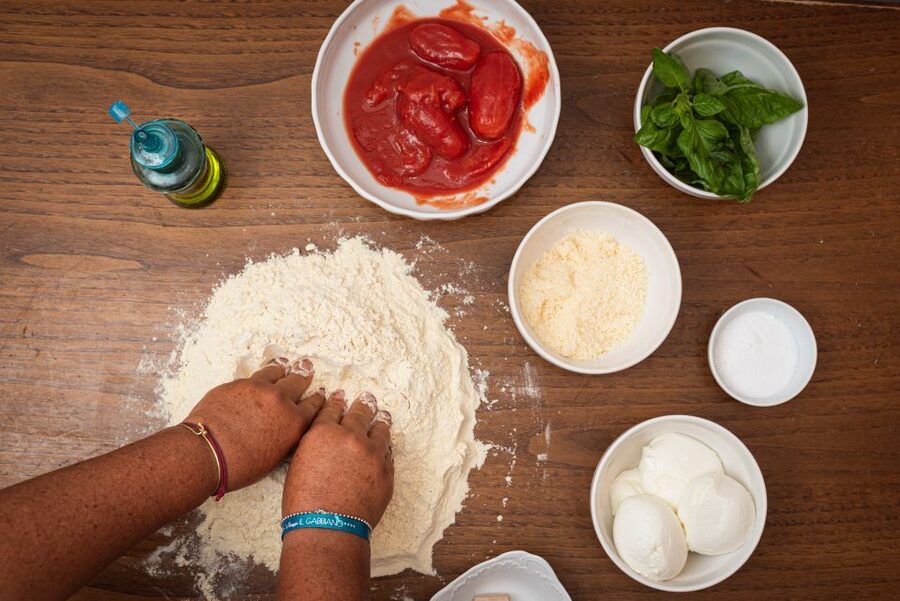
- Hand-rolled sfoglia taught step-by-step, so you understand the feel of fresh pasta
- Two iconic pasta types made from scratch in about a 3-hour window
- Tiramisu lesson focused on the classic method, finished with tasting
- Aperitivo warm-up with prosecco and nibbles plus drinks throughout (water, wines, coffee)
- Home-cook vibe through the Cesarine network, with hosts known for welcoming, friendly teaching
A Genoa Home-Cook Class: Why This Feels Different
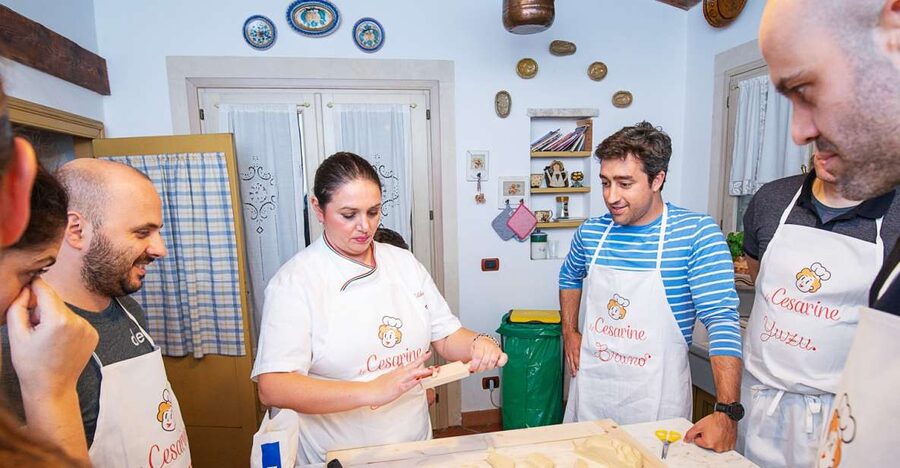
This is the kind of meal lesson that sticks with you because it’s built around a real kitchen, real tools, and real timing. In other words: you’re not herded through a script like you’re in a demo. You’re learning like a guest who gets pulled into the workflow—mixing, rolling, shaping, and finishing dishes alongside the person teaching you.
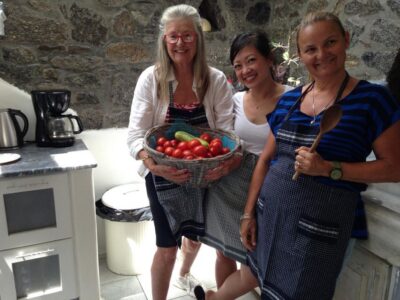
Cesarine home cooks are part of a long-running network in Italy, so the approach tends to be practical. You’ll likely notice a few things quickly: they explain in a way you can follow even if you’ve never made pasta before, and they keep the pace moving so you actually finish what you start. People also highlight the hosting side—being welcomed into a home, not just a classroom.
And yes, it’s food-focused, not food theater. One session stands out for moving from tiramisu to ravioli, with pesto mentioned as well. Another emphasizes how the host made everyone comfortable while teaching both pasta and sauces. That matters, because cooking classes can be awkward if the room feels stiff. Here, the tone seems to be warm and normal, like dinner guests who happen to get serious about technique.
You can also read our reviews of more tours and experiences in Genoa.
The 3-Hour Schedule: How the Time Gets Used
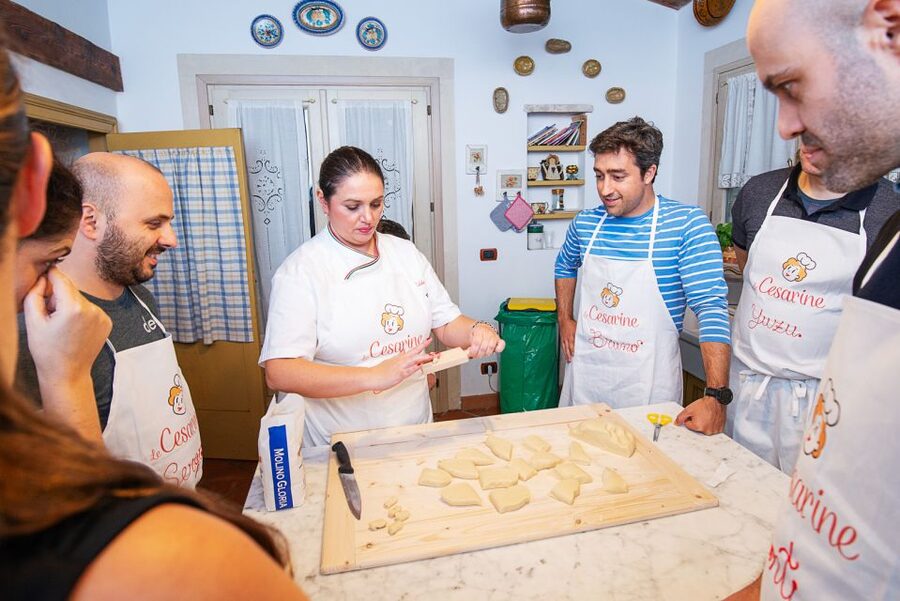
You’re working with a compact 3-hour format, so the structure is simple and efficient: warm up with drinks, then build the main cooking skills, then finish with dessert and tasting.
Here’s the core flow you can expect:
- Aperitivo to start (prosecco and nibbles), plus the drinks included in the class
- Fresh pasta training: rolling sfoglia by hand and making two pasta types
- Dessert: making tiramisu
- Tasting of the dishes you prepared
The reason I like this setup for a short time window is that it trains both the skill and the payoff. Pasta making teaches hands-on fundamentals—dough texture, rolling thickness, and shaping. Tiramisu is its own category of technique, and you learn it after you’ve already been working, which keeps your energy from dropping too soon.
Potential downside: since you’re making multiple items in one go, you won’t have time to perfect every single step like you would in a long private workshop. That said, you’re likely to go home with repeatable basics, not just a memory.
Aperitivo First: Prosecco, Nibbles, and a Relaxed Start
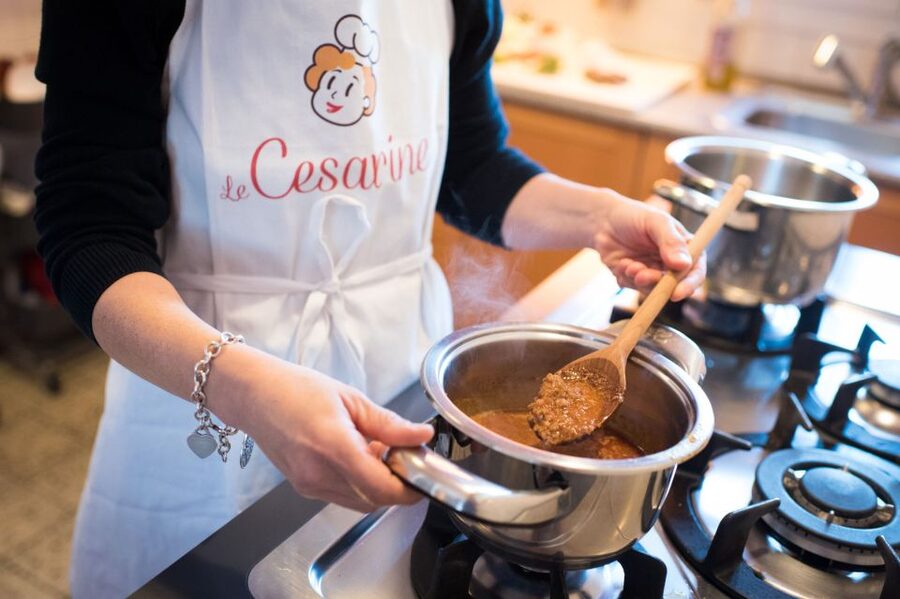
The class opens with an Italian aperitivo—prosecco and nibbles. I find that smart, because it lowers the pressure. You’re not suddenly expected to be a pasta expert the second you arrive. You get warmed up, you meet your host, and you settle into the kitchen rhythm.
Drinks are included beyond the aperitivo too, with water, wines, and coffee listed in the package. In real cooking, that matters. People forget that “included refreshments” aren’t just for comfort—they keep you focused while you’re rolling dough and learning timing. Pasta needs attention, and dessert needs patience. A well-paced start helps.
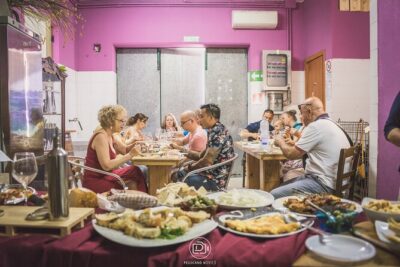
Also, aperitivo tends to set the social tone. Some sessions are especially praised for conversation and hospitality in the home. In practical terms, that means you’re more likely to feel comfortable asking questions, which is where technique actually clicks.
Rolling Sfoglia by Hand: The Skill That Changes How You Cook
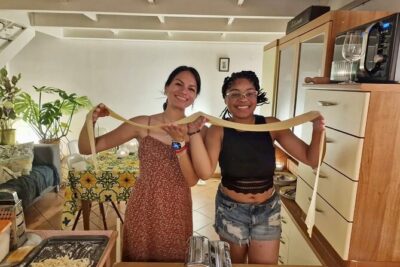
If you do only one thing in this class, make it the sfoglia training. Rolling fresh pasta by hand is one of those skills that turns “Italian food” from a restaurant product into something you can reproduce at home.
The class specifically teaches you to:
- roll sfoglia by hand
- work the dough into sheets with a feel-based approach
- use that fresh pasta base to create two pasta types
Why this matters: most people don’t fail at pasta because they lack a recipe. They fail because pasta dough can be too thick, too dry, or uneven. Learning the hand process helps you catch those issues early. Even if your first attempt isn’t perfect, you’ll understand what to adjust—thickness, handling, and consistency.
And this is where you’ll probably notice differences in teaching depending on the host. Some sessions are credited to teachers like Tiziana and Daniela for being clear and welcoming. Others mention Roberto as an excellent host. The common thread is that the instruction seems friendly and hands-on, not intimidating.
If you’re going with a group—friends, couples, or a small party—this part is also a great shared experience. You’ll all be working the same dough, so it feels like a team project, not “watch the instructor do magic.”
Two Pasta Types: Learning More Than One Road
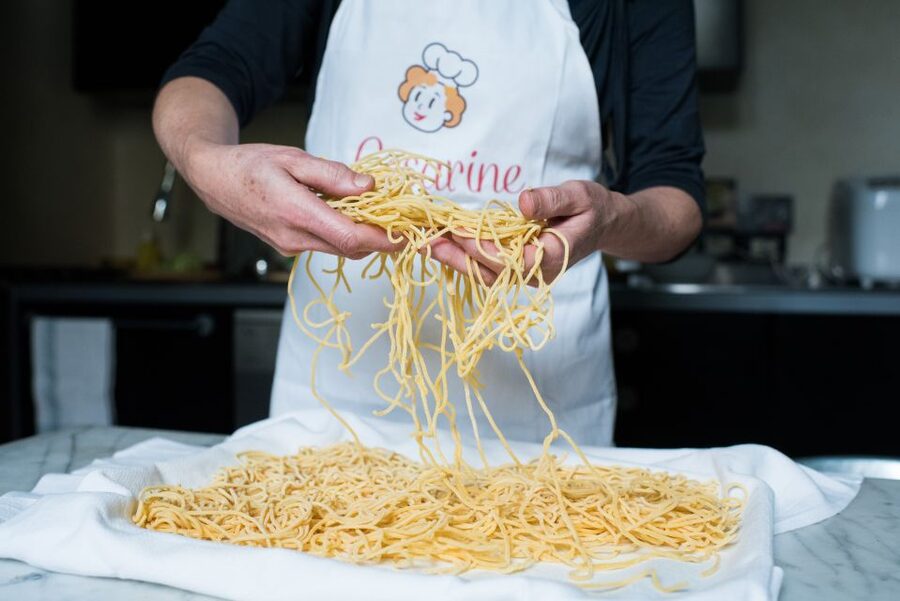
The class includes making two iconic pasta types. That’s a big value point, because it forces you to learn more than one shaping approach.
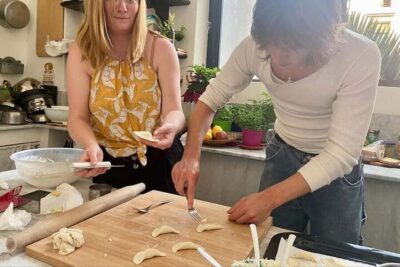
At least one session described making ravioli during the pasta portion. Another mentions pesto that came from home grown basil. I can’t promise which pasta styles you’ll get in your specific class, since the home-cook format can vary, but the structure stays the same: you’ll make a pasta base, then you’ll turn it into two different shapes or styles and likely handle at least one related sauce component.
What you’re really training here is variety:
- pasta dough handling (the shared foundation)
- shaping technique (different folds, cuts, or assembly)
- likely sauce pairing (so you understand why pasta shapes matter)
For you at home later, that variety is the difference between cooking one “special dish” and cooking Italian food repeatedly. When you know two pasta methods, you’ll be able to adapt your weeknight plan. One pasta can fit “I have time to cook.” The other fits “I still want pasta, but I want it simpler.”
Sauce, Pacing, and What to Watch for
You’re taught not only pasta, but also the dishes you’ll taste. One highlight from past sessions is teaching two sauce recipes alongside the pasta steps. Even if your class focuses on different sauces, the key idea remains: sauces should match the pasta shape and the way the pasta was constructed.
Here’s what I’d watch for in the moment:
- how the sauce clings (thicker vs. lighter textures)
- how much sauce you actually need for balance
- what the host suggests as the “home cook” approach—things that work with normal kitchen realities, not only perfect restaurant conditions
Because it’s in a home kitchen, you’ll probably get practical pointers about what’s flexible and what isn’t. That’s the kind of learning that lasts: not just knowing what to do, but why it works.
Also, since the experience ends back at the meeting point and lasts about 3 hours, the kitchen pacing has to be efficient. You won’t have time for a slow-motion perfectionist run. The upside is that you’ll learn to work with real timing—when to move to the next step, when to rest, and how to keep everything coordinated.
Tiramisu Class: Coffee-Cream Technique, Then the Real Payoff
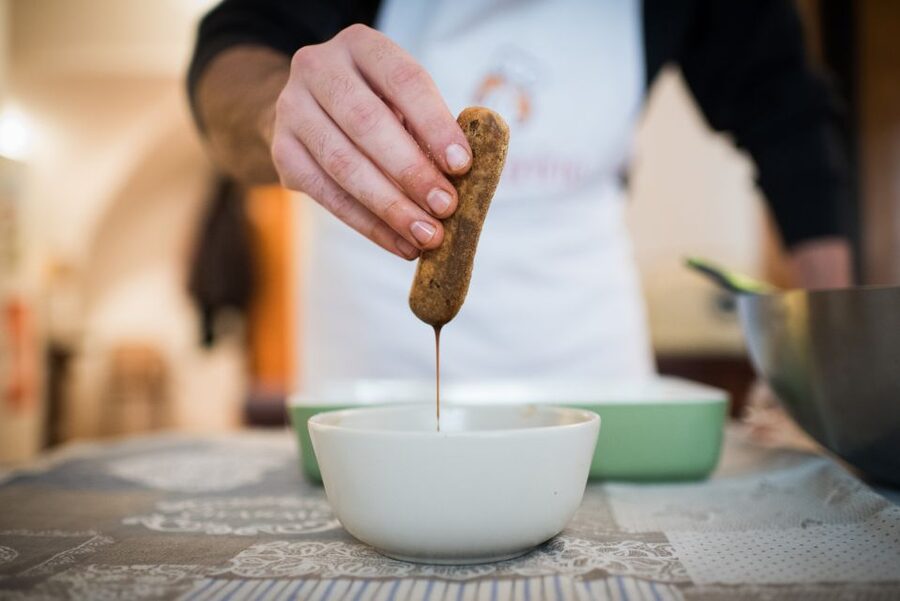
Tiramisu is the dessert everyone orders, but many people don’t realize it’s also a technique-heavy dish. This class includes a tiramisu-making lesson and then a tasting of what you made.
What makes this part satisfying is that you’re not waiting until the very end to enjoy your effort. You’ll learn and then taste. That reduces the classic problem with cooking classes: you spend all day working, then you eat a rushed sample. Here, tiramisu is treated as part of the full meal experience.
In one highlighted session, people started with tiramisu and then went into pasta. In another, pasta came first and tiramisu followed. Either way, the dessert is included as a core component, not an optional add-on.
For your own takeaway, focus on the structure of the tiramisu process:
- you’re assembling more than mixing
- timing and handling matter
- you’ll be able to recreate the basic method later, because you practiced it in a real kitchen
If you’re the type who likes to bring home one “impressive” recipe for friends, tiramisu is that. And you’ll already know the steps because you did them with guidance.
Drinks and Tasting: Eating What You Cook (and Not Feeling Like a Customer)
The experience includes tastings of the 2 pasta recipes and the tiramisu, plus beverages throughout. I like this because it closes the loop: you don’t just learn technique—you eat the results while the lessons are still fresh.
The included drinks also help the moment feel like a proper Italian meal, not a school exercise. Prosecco and nibbles at the start set a welcoming tone. Coffee later fits naturally with the tiramisu finish. Water and wines keep things comfortable while you’re working and waiting between steps.
A big reason people rate this type of class so highly is that it’s social in the best way. Several sessions give credit to hosts such as Roberto, Tiziana, Daniela, Tomaso, and Agata for being gracious and making people feel at ease. That matters because cooking works best when you’re relaxed enough to focus on the details you’re learning.
Price and Value: What $112.15 Actually Buys You
At $112.15 per person for about 3 hours, this isn’t a budget activity. But it’s also not just a recipe handout. You’re paying for:
- a private home setting rather than a commercial kitchen
- instruction that covers fresh pasta rolling, two pasta types, and tiramisu
- included drinks (water, wines, coffee) plus an aperitivo with prosecco and nibbles
- ingredients for the full meal and tastings of what you make
- local taxes included
For me, the best way to judge the value is to compare the cost to what it would take to replicate it yourself:
- Fresh pasta ingredients and specialized equipment (depending on your setup)
- Time spent figuring out technique on your own
- The confidence boost you get from being corrected early
If you’re coming to Genoa specifically to eat and you want a hands-on activity that feels genuinely local, this price can make sense. If you’re mostly looking for a quick snack and a photo, you might feel it’s too structured.
Who This Class Is For (And Who Should Pass)
This class fits best if you want a practical food experience and you like learning by doing.
It’s a strong match for:
- couples who want a shared, hands-on activity
- small groups of friends
- food lovers who like conversation but also want technique
- people who want one memorable cooking skill to bring home
It may be less ideal if:
- you dislike working with your hands (rolling dough and shaping pasta are part of the point)
- you need wheelchair accessibility (it’s listed as not suitable for wheelchair users)
- you want guaranteed fixed arrival addresses immediately—this home format only shares the full address after booking for privacy
How to Prepare So You Enjoy Every Minute
You don’t need a culinary degree. But you do need to show up ready to work.
My practical tips:
- Wear something you can move in. Pasta day gets messy.
- Arrive on time, especially because the address is provided only after booking.
- If you have food intolerance or allergies, provide that info when you book so the host can plan appropriately.
- Bring a curious attitude. The class is designed for learning and conversation, not silent cooking.
Since the instructor speaks Italian and English, you’ll be able to follow along even if your Italian is basic. Still, don’t be shy about asking questions. That’s where the lesson becomes yours.
Should You Book This Genoa Cooking Class?
I’d book this if you want one of the most satisfying ways to experience Italian food: you cook it, you taste it, and you learn technique you can repeat. The biggest strengths are the hands-on sfoglia rolling, making two pasta types from scratch, and finishing with an actually taught tiramisu—all in a local home with an aperitivo start and drinks included.
Skip it if you’re looking for a quick, low-effort activity, or if the home setting creates too much logistical stress for you. The good news is the price includes a lot more than instruction: ingredients, drinks, and tastings are wrapped into the session.
If you want a memory you can recreate in your own kitchen, this is the kind of class that delivers.
FAQ
FAQ
Is this cooking class held in a local home?
Yes. The experience takes place in a local’s home. For privacy, you receive the full address only after booking.
How long is the class?
The duration is 3 hours.
What dishes will I make?
You’ll make two kinds of pasta and tiramisu.
Do I get to eat the food I cook?
Yes. The experience includes tasting of the two pasta recipes and the tiramisu.
What drinks are included?
Included beverages are water, wines, and coffee. You also get an Italian aperitivo with prosecco and nibbles.
What languages are used for instruction?
The instructor speaks Italian and English.
Is transportation included?
No. Transportation is not included.
Is the class suitable for wheelchair users?
No, it’s listed as not suitable for wheelchair users.
What if I have a food intolerance or allergy?
You’re asked to share any food intolerance and allergy information at booking (or by email with your booking reference and name) so the host can be matched appropriately.
What’s the cancellation policy?
Free cancellation is available up to 24 hours in advance for a full refund.