REVIEW · CATANIA
Cooking class, visit to the Catania market and light lunch
Book on GetYourGuide →Operated by Sicilying S.R.L. · Bookable on GetYourGuide
A cooking class in Catania that starts in a market. You’ll walk through the Catania historic market, pick ingredients, then get hands-on with fresh pasta and traditional sauces. The expert-led setup makes Sicilian food feel practical, not just impressive on paper.
What I like most is the combo of market know-how and real cooking time. With a live guide (for example, I’ve seen Alexandria lead and explain the products clearly), you’re not just shopping—you’re learning what to look for and why. The second big win is homemade pasta with typical sauces, finished with a light lunch that keeps the momentum going.
One thing to consider: if you have food allergies, you’ll need to specify them ahead of time. Sicilian cooking uses plenty of ingredients that can be tricky to swap on short notice, so plan early so the class can work for you.
In This Review
- Key highlights that make this class worth your time
- Catania historic market: how you shop like a cook
- The guide makes the ingredients click (Alexandria is a standout)
- Cooking fresh pasta: where the real skill shows up
- Traditional Sicilian sauces: tasting first, then building
- Lunch that actually feels like lunch
- Small group setup: better for learning and chatting
- Timing and what 3 hours really means
- Value check: is $94 per person a good deal?
- Should you book this Catania cooking class?
- FAQ
- How long is the cooking class experience?
- Where does the tour take place?
- What is included in the price?
- What languages is the live guide available in?
- How large is the group?
- Is the experience wheelchair accessible?
- What should I do if I have food allergies?
- What are the cancellation and payment options?
Key highlights that make this class worth your time
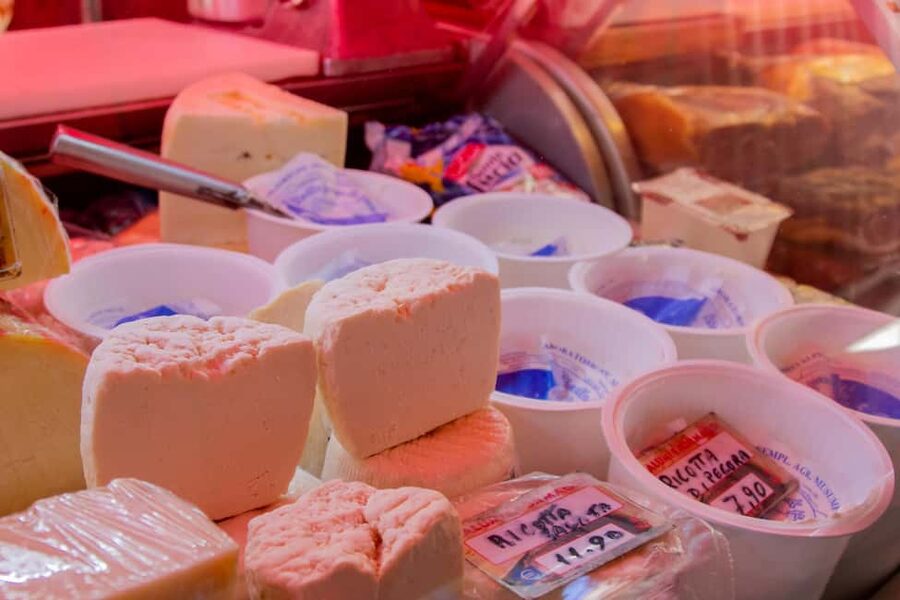
- Catania historic market visit with market tasting and ingredient selection
- Expert chef guidance focused on Sicilian cooking traditions and techniques
- Fresh, homemade pasta plus traditional sauces you help prepare
- Local ingredients chosen for typical flavor pairings (not generic replacements)
- Small group of up to 10 for more interaction and less waiting around
- Sweet and savory lunch including examples like cannoli with ricotta and almond cookies
Catania historic market: how you shop like a cook
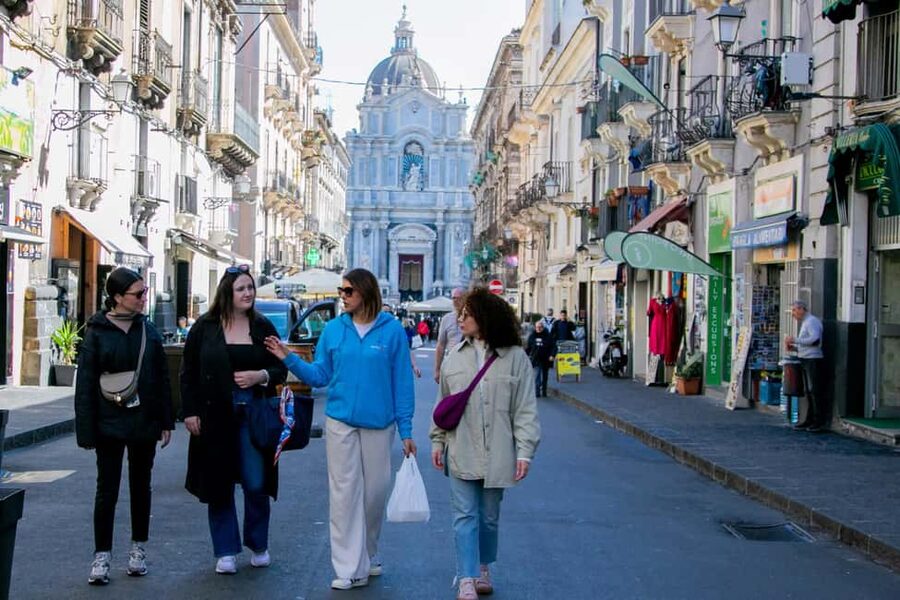
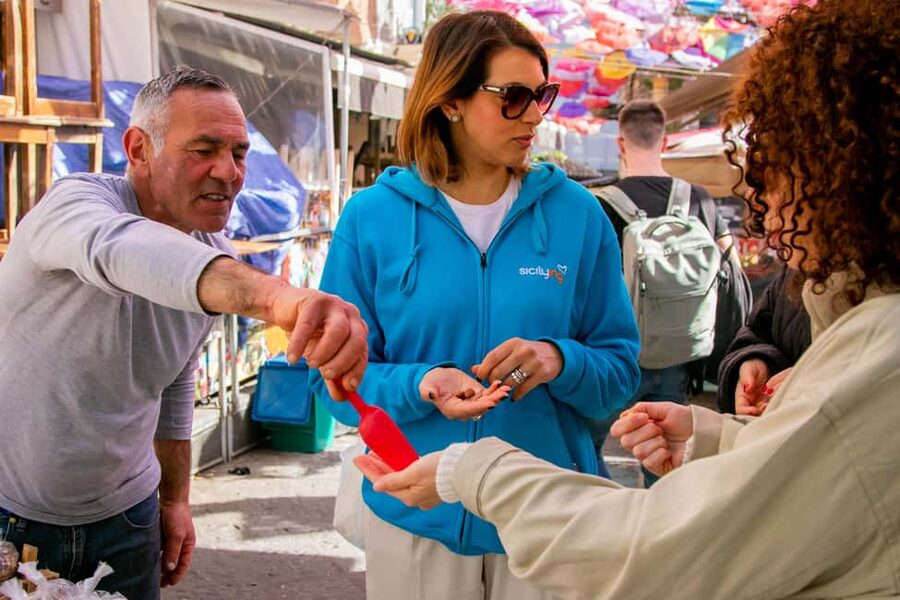
The tour’s best trick is the order. You don’t start in a kitchen with ingredients laid out like props. You start in the Catania historic market, where local food is the main character—colorful, seasonal, and very specific to Sicily.
This part matters because Sicilian cooking is built on simple things done well: ripe produce, strong pantry flavors, and the right sauce style. When you see what’s available in Catania and how vendors think, you get a mental map you can use later when you cook at home or when you eat out.
You’ll also have a market tasting included, which helps you calibrate your palate before the stove starts. Think of it as taste training. Even if you’re not a foodie super-nerd, this makes the cooking steps easier to follow because you already understand what the final flavor should feel like.
One practical tip: wear comfortable shoes and keep your hands free if the market portion includes sampling. You’ll move around, and you’ll likely want both hands ready when you’re shown products or asked to participate.
You can also read our reviews of more tours and experiences in Catania.
The guide makes the ingredients click (Alexandria is a standout)
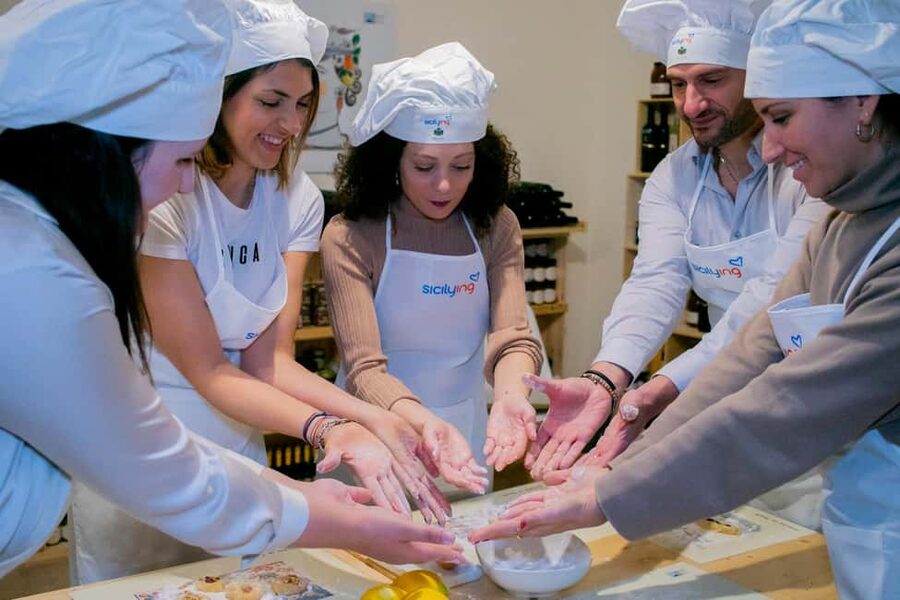
A big difference between a standard food tour and a cooking class is interpretation—someone needs to connect the dots. This one uses a live tour guide in Italian and English, and that human layer can make the whole experience feel smoother.
In particular, Alexandria has been mentioned as a guide who knows the market and the products well. The best guides don’t recite facts; they explain what matters. In this case, you should expect guidance on what to pick, what flavors pair well, and how Sicilian cooking traditions shape what ends up on your plate.
You’ll also notice the class vibe leaning friendly and relaxed, not stiff. That matters more than people think. When the room is comfortable, you actually engage—asking questions, watching technique, and learning without feeling rushed.
If you’re traveling with friends, this kind of guiding style helps everyone share the experience instead of splitting into separate sides conversations.
Cooking fresh pasta: where the real skill shows up
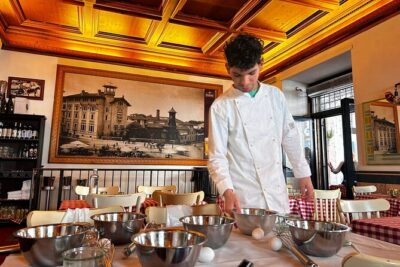
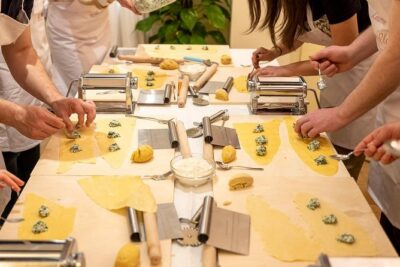
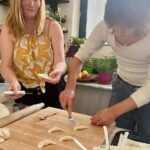
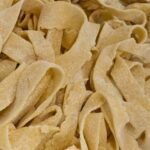
After the market, you move into the main event: making pasta from scratch. Fresh pasta isn’t just a task—it’s the moment where the class turns from eating-and-watching into doing.
Here’s why you’ll probably enjoy it: homemade pasta teaches you how dough should feel, how handling affects texture, and how sauce choices depend on shape and thickness. Those are the details that can ruin the dish at home if you only learn from restaurant meals.
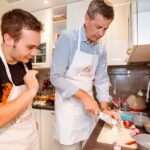
You’ll work on both pasta and traditional sauces as part of the lesson flow. Even if you’re not a confident cook, the structure of a small group and an expert chef usually means you get clear directions and enough attention to avoid feeling lost.
A light dose of reality: 3 hours is not a full-day cooking course. You’re there to learn the key moves, not to become a Sicilian grandma in one afternoon. Still, for most travelers, that’s the sweet spot—enough hands-on practice to remember how it’s done.
Traditional Sicilian sauces: tasting first, then building
Sicilian sauces often feel bold, because they’re built for flavor—rather than for subtlety. In a hands-on setting, you don’t just hear about them. You make decisions about ingredients and consistency, then taste your work as you go.
This tour includes typical sauces tied to Sicilian traditions, and the market phase helps you understand why those ingredients are chosen. That connection is the difference between cooking as a checklist and cooking with purpose.
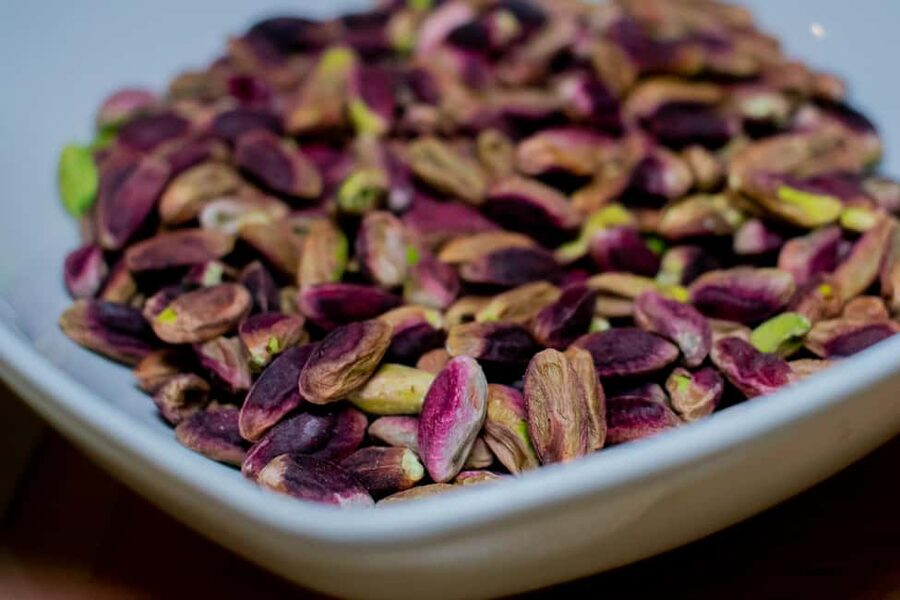
You may run into sauces and flavor pairings that have shown up in this experience, such as pistachio pesto (mentioned as a favorite). When a sauce like that makes it into your meal, you get a clearer picture of how Sicilians use local products beyond the usual stereotypes.
Keep an eye on the texture and smell during preparation. If something seems off—too thick, too dry, or not blended enough—ask. In a small group, questions are usually welcomed, and that quick fix can save your final lunch.
Lunch that actually feels like lunch
The experience ends with a tasty lunch that includes typical appetizers and dessert, plus water. It’s called a light lunch, but the structure is still satisfying: you get savory items, then something sweet to close the story.
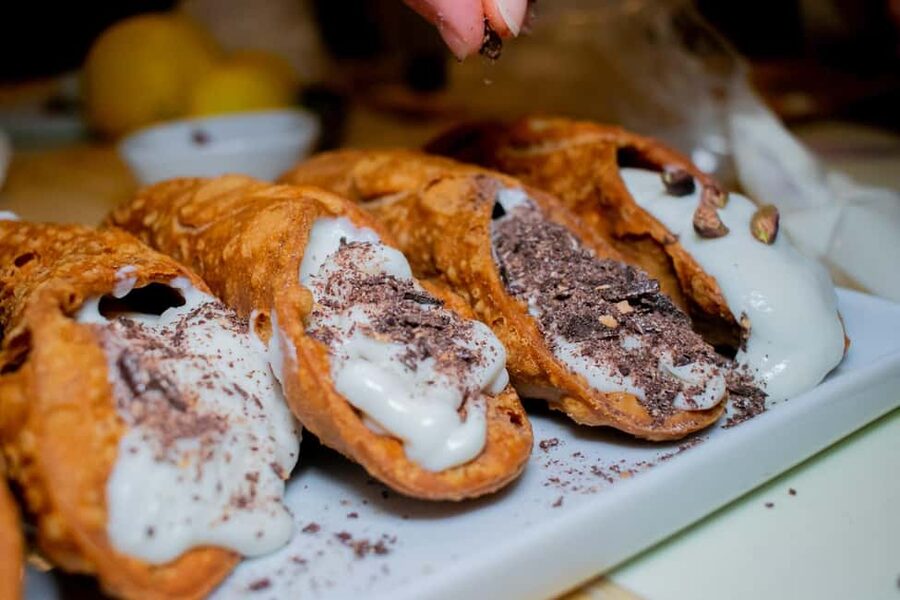
A couple of sweet favorites have been mentioned in this class—cannoli with ricotta and almond cookies among them. You may also see other Sicilian dessert styles depending on what’s available and what the chef has planned, but the theme stays consistent: classic flavors with local ingredients.
Why the lunch part matters: it rewards your effort. A cooking class where you only cook but don’t eat what you made leaves you with a half-finished feeling. Here, you get to sit down and taste the results in a shared setting, which helps you remember the key lessons.
If you’re trying to plan your day, treat this as a full meal moment. After a 3-hour class, you’ll likely be ready for a normal evening meal with less pressure to find food immediately.

Small group setup: better for learning and chatting
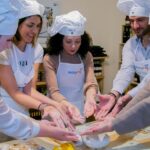
This is a small group experience limited to 10 participants. That limit is not marketing fluff. It affects what happens during pasta and sauce preparation: you’ll spend less time waiting, and you’re more likely to get direct help when you need it.
It also changes the social side. The best moments—laughing at mistakes, sharing tips, asking questions—tend to happen when the room isn’t too big. One of the reasons people recommend this for friend groups is that the class feels interactive, not like you’re watching other people cook.
If you’re traveling solo, small-group cooking classes are often a great way to meet people without awkward icebreakers. You’ll have natural conversation topics: ingredients, technique, and what you liked most in the market.
Timing and what 3 hours really means
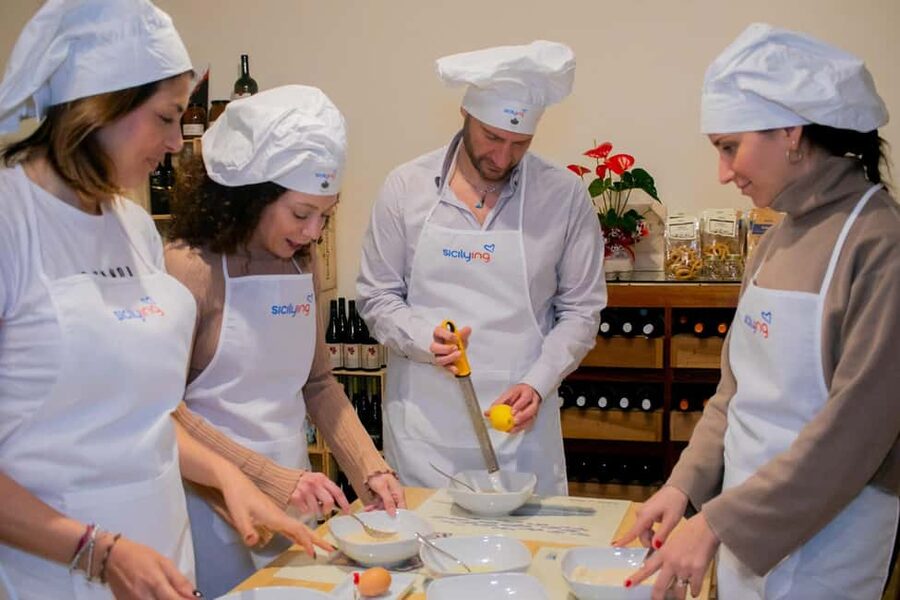
The tour runs about 3 hours. That’s a compact format, which is good in Sicily where you might also want to see places, hop between neighborhoods, or keep your evenings free.
Practically, you should expect a rhythm:
- You start with market browsing and tasting.
- You then shift to cooking pasta and sauces.
- You finish with lunch, including dessert.
Because the class is short, you won’t get endless hands-on time with every single step. But you should get enough participation to feel like you contributed, not just stood there holding a dumpling roller like a museum visitor.
Check availability for starting times so you can match it to your day. If you want to use the market energy earlier, pick a slot that gives you time to relax or explore afterward.
Value check: is $94 per person a good deal?
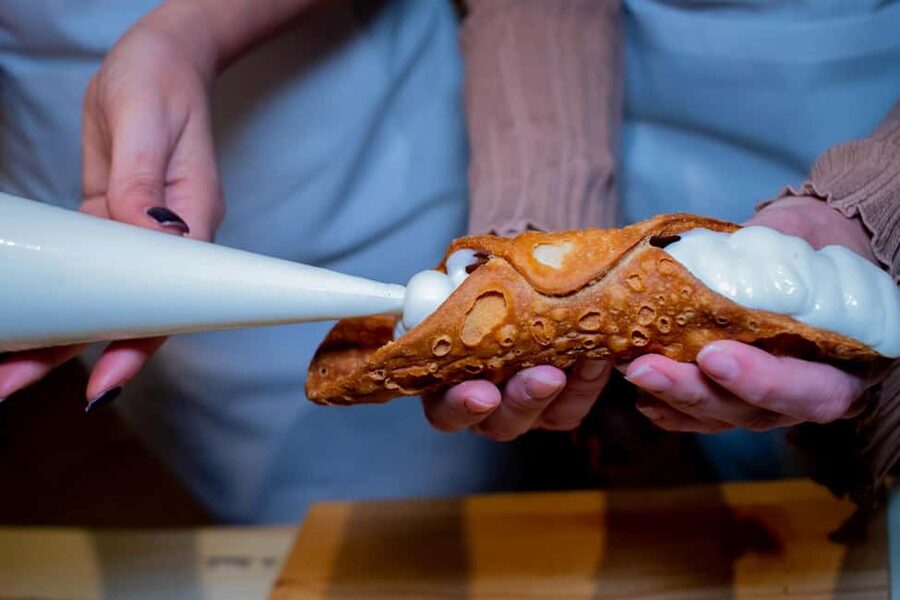
At $94 per person, you’re paying for more than a meal. You’re paying for three layers of value in one package:
- a guided visit to the Catania historic market with tasting,
- hands-on cooking instruction from an expert chef,
- a lunch with typical appetizers and dessert, plus water,
- a small group format (up to 10), which usually means more attention and better learning.
If you were to recreate the same experience independently, you’d spend money on ingredients, cooking space, and guide help—plus you’d lose the structured “what to buy and why” market lesson.
So the price makes sense if you like learning through doing. If you’re only looking for a quick bite, you might find cheaper options. But if you want a skill you can repeat—pasta-making basics and sauce logic—this format is strong for the cost.
Should you book this Catania cooking class?
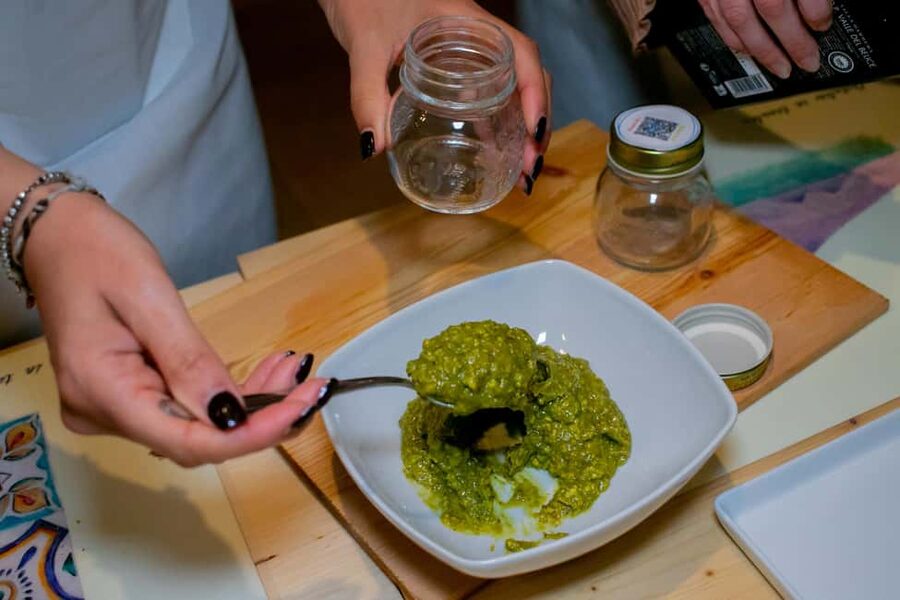
If you want a food experience that mixes market culture with real kitchen time, I’d say yes. The small group size, the expert-chef focus, and the fact that you finish with lunch (including sweet treats like cannoli with ricotta and almond cookies on some menus) make it feel like a complete plan, not just a snack-and-shop activity.
Skip it only if you have complicated allergies and haven’t confirmed what can be accommodated ahead of time. Otherwise, it’s a great fit for couples, friend groups, and solo travelers who want something social and hands-on without taking over the entire day.
FAQ
How long is the cooking class experience?
The experience lasts 3 hours.
Where does the tour take place?
It takes place in Sicily, Italy, with a visit to the Catania market as part of the activity.
What is included in the price?
The included items are an apron, light lunch, market visit and tasting, and water.
What languages is the live guide available in?
The live tour guide speaks Italian and English.
How large is the group?
It is a small group limited to 10 participants.
Is the experience wheelchair accessible?
Yes, it is wheelchair accessible.
What should I do if I have food allergies?
You should specify any food allergies in advance.
What are the cancellation and payment options?
You can cancel up to 24 hours in advance for a full refund, and there is a reserve now & pay later option where you book your spot and pay nothing today.