REVIEW · ROME
Rome: Pasta Cooking Class with Wine, Coffee, and Limoncello
Book on GetYourGuide →Operated by Yellowsquare Rome · Bookable on GetYourGuide
Pasta starts with patience and a rolling pin. What I love most is learning pasta from scratch, and I also like that you make and taste three different pastas in one class in Rome, with lunch plus wine. It’s a practical way to understand Italian cooking instead of just collecting photos.
One thing to plan for: transportation isn’t included, so you’ll need an easy route to the YellowSquare Rome reception meeting point. The upside is the experience stays focused and runs about 3 hours without feeling rushed.
In This Review
- Key Things I’d Watch For
- Getting Started at YellowSquare Rome (and Why It Matters)
- From Flour to Dough: What Pasta From Scratch Really Teaches
- Tagliatelle and Fettuccine: Two Similar Shapes, One Clear Lesson
- Ravioli From Scratch: Filling, Timing, and Sealing
- The Meal Portion: Wine at Lunch, Then Coffee and Limoncello
- What You Take Home: Recipes, Certificate, and Confidence
- Price and Value: Is $50 Worth It?
- Best Match: Who This Class Really Suits
- Who Teaches You: Marco, Humor, and Clear Instructions
- Should You Book This Pasta Class in Rome?
- FAQ
- How long is the Rome pasta cooking class?
- How much does it cost?
- Where is the meeting point?
- Is transportation included?
- Do I need any prior cooking experience?
- What pasta types will I learn to make?
- What’s included in the meal and drinks?
- What materials do I receive?
Key Things I’d Watch For
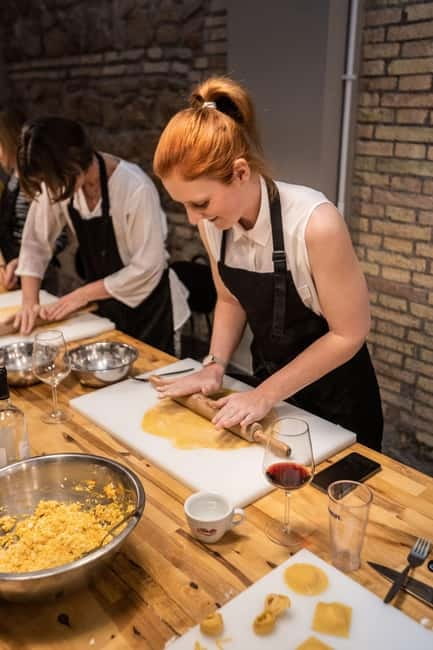
- Marco’s funny, step-by-step teaching makes the work feel doable, even if you’ve never rolled pasta before.
- Three pasta types in one session: tagliatelle, fettuccine, and ravioli.
- Dough plus filling, not just shaping: you handle the dough and the filling while the chef works on an authentic sauce.
- Wine with lunch, then coffee and limoncello for a very Italian finish.
- You leave with recipes and a participation certificate, so the class keeps paying off after you return home.
Getting Started at YellowSquare Rome (and Why It Matters)
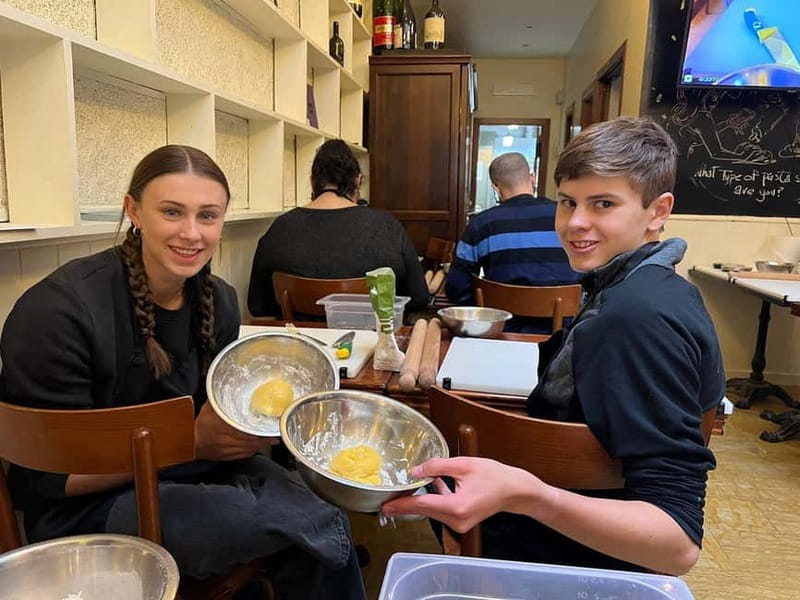
The class meets at the YellowSquare Rome reception, which is useful because it gives you a clear, easy anchor point in the city. You’re not playing “guess the door” or hunting for a kitchen in a side street with no signage.
In the first stretch, you’ll meet the chef and get an overview of what you’re making. That intro matters more than it sounds. Pasta is all about timing and technique, and a quick explanation of each dish helps you avoid the most common mistakes, like dough that’s too dry or filling that’s uneven.
You’ll also get instruction in English and Italian, which is a big plus if you want to understand the why, not just the how. And since this is designed for beginners, you don’t need prior cooking experience to jump in.
You can also read our reviews of more tours and experiences in Rome.
From Flour to Dough: What Pasta From Scratch Really Teaches
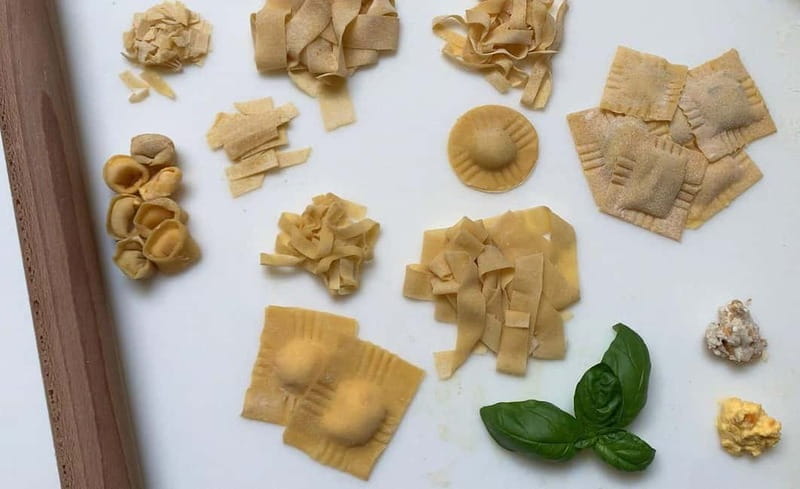
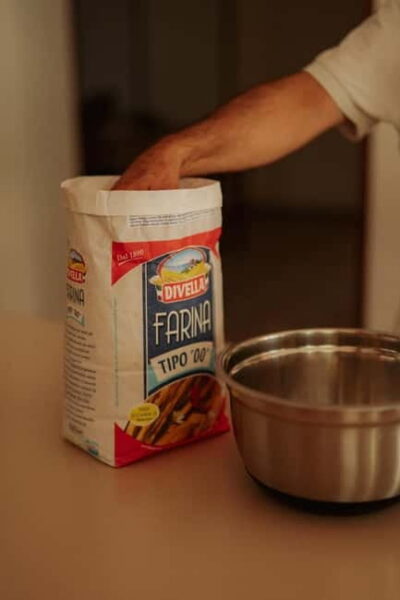
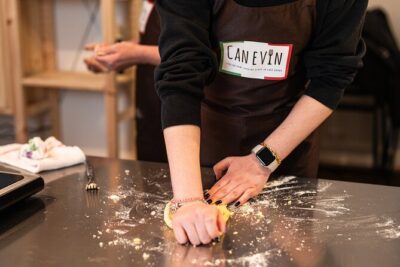
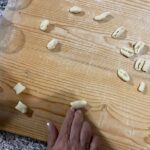
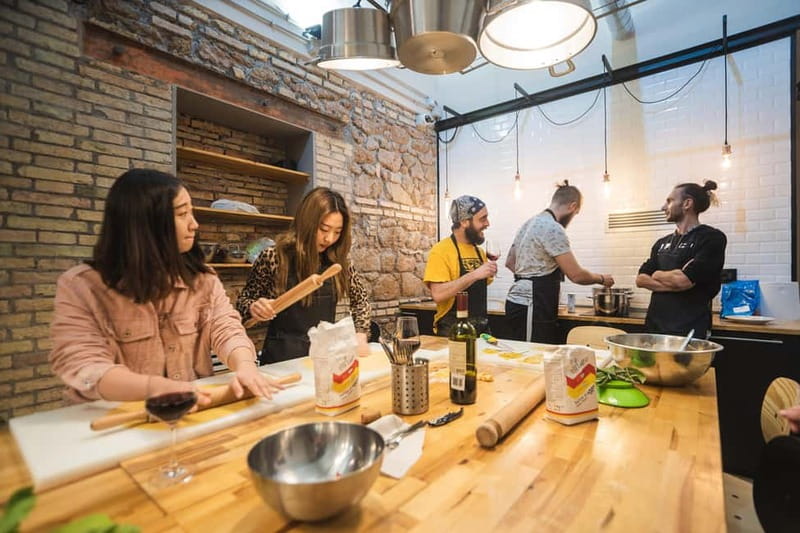
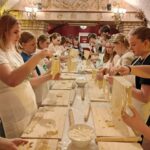
This isn’t a demo where you sit back while someone else works. You start at the beginning: making the pasta dough from scratch. That’s where the real value is.
When you make dough yourself, you learn how the texture should feel. You’ll see how ingredients come together, how dough firms up, and how shaping becomes much easier once the dough is right. It’s also the kind of skill you can reuse at home because you’re practicing fundamentals, not copying a single recipe.
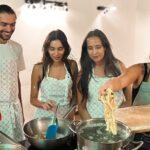
The chef also brings in sauce context. While you’re working the dough and preparing parts of the fillings, the chef prepares an authentic sauce and shares Italian stories. Even if you don’t catch every detail, it gives the meal a sense of place. You’re not just eating pasta; you’re understanding how Italians think about it.
Practical note: pasta can be a little fiddly at first. Plan to take your time and follow instructions closely. If you rush the dough stage, the rest of the class gets harder fast.
Tagliatelle and Fettuccine: Two Similar Shapes, One Clear Lesson
You’ll make tagliatelle and fettuccine, which are easy to confuse if you’ve only seen them on menus. In the class, you’ll learn what changes with each shape and why that matters for the way the pasta carries sauce.
Tagliatelle tends to feel slightly broader and heartier in the bowl, while fettuccine is a touch sleeker in most servings. In practice, you’ll see that both are about consistency: the strands need to be cut evenly so each bite tastes balanced.
What I like about including two noodle shapes in the same class is that it teaches control. You’re practicing the same overall dough process, then applying shaping technique with small changes. That kind of repetition builds confidence quickly.
And when tasting time comes, you’ll get to see the difference in real life, not just in your head. Eating what you made is part of the payoff here, since you can connect technique to flavor immediately.
Ravioli From Scratch: Filling, Timing, and Sealing
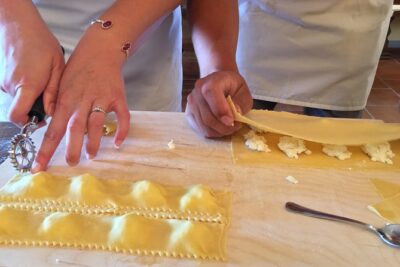
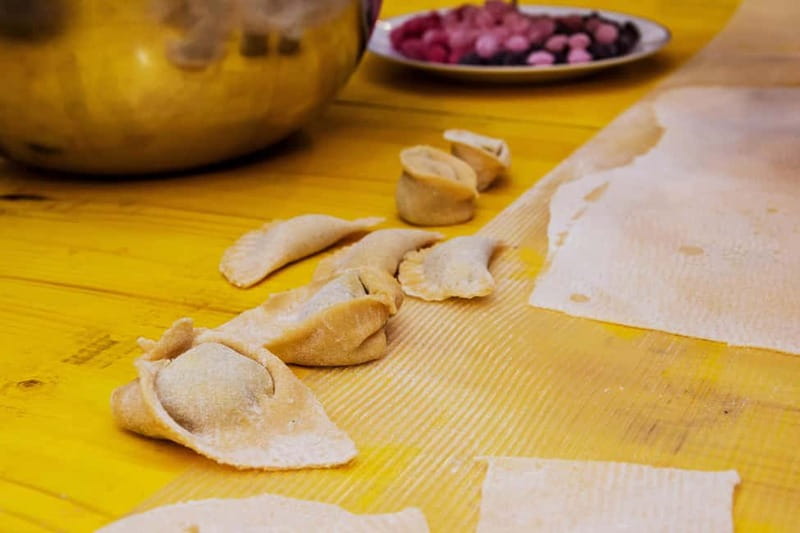
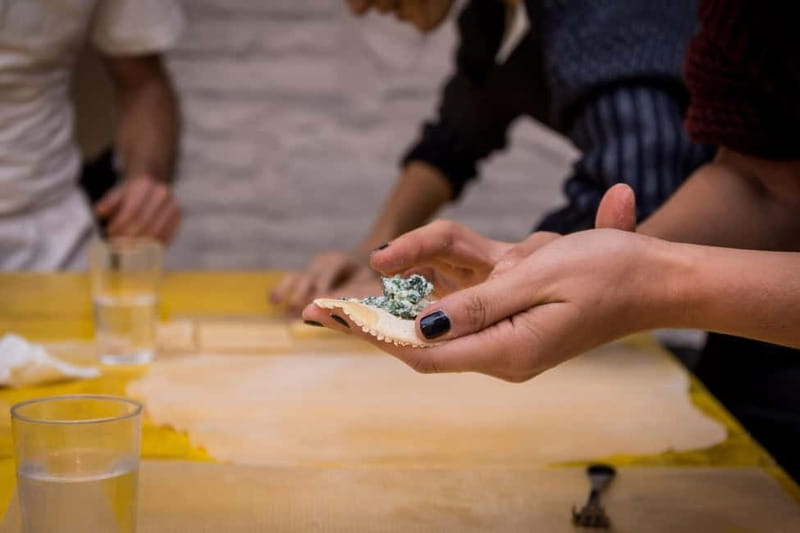
Ravioli is where the class turns from “rolling and cutting” into “precision.” You don’t just shape; you prepare the filling and work on portioning and sealing so the ravioli hold together when cooked.
The class includes making ravioli, and you’ll prepare the filling while the chef handles an authentic sauce. That division of labor is smart. Ravioli demands focus, and having the sauce underway keeps the overall flow smooth.
The technique focus you’ll likely remember is sealing. If you’ve ever had ravioli burst open or come out with a sad pocket of filling, you know why sealing matters. In this class, you get hands-on practice and the chance to adjust as you go.
Also, ravioli is a strong “memory recipe.” Even after a trip ends, you can think back to the steps you followed—dough consistency, filling amount, and how to close the edges properly.
The Meal Portion: Wine at Lunch, Then Coffee and Limoncello
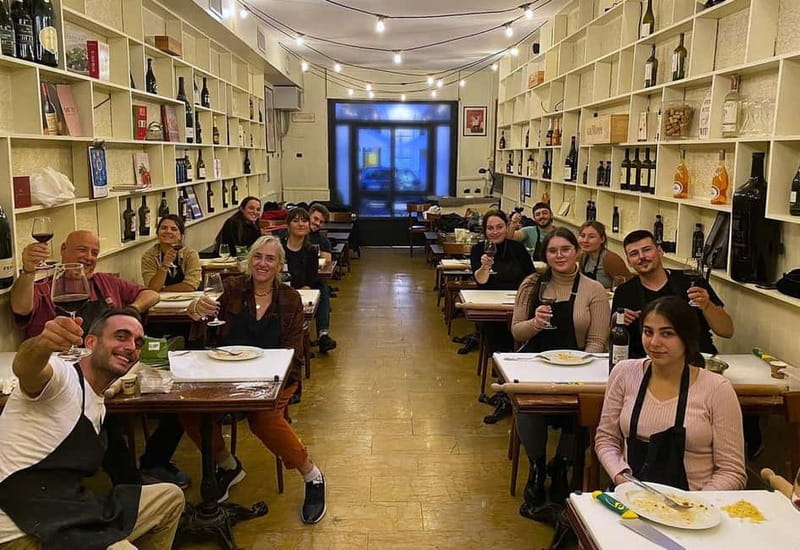
Here’s the part that makes this more than a craft workshop: you sit down for a meal that includes wine and ends with classic Italian extras.
During lunch, you enjoy a glass of Italian wine alongside the pasta you prepared. That changes the experience in a good way. Cooking classes can feel like a chore if you never get to taste the result. Here, the class is built around the idea that the meal is part of learning, not something that comes after.
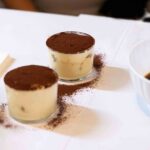
Then you finish with coffee and limoncello. That pairing is a very Rome-and-Italy kind of send-off: warm drink first, sweet liqueur after, and time to slow down and talk through what you made.
One thoughtful detail is that tasting includes pasta with various condiments. That teaches you that pasta isn’t only about the noodle. It’s also about the way you dress it, balance it, and serve it.


What You Take Home: Recipes, Certificate, and Confidence
This class includes a participation certificate and pasta recipes you can take home. The recipes are what turn a fun afternoon into a skill you can actually use later.
I like that the materials are included. Without recipes, many cooking experiences fade into memories that are hard to repeat. With written guidance, you can recreate the dishes, tweak them, and compare your results to what you remember eating in class.
There’s also a confidence side. By the end, you’ve made dough, worked on at least three pasta shapes, and handled filling and sealing for ravioli. That means you’re not starting from zero if you want to cook Italian food at home again.
Price and Value: Is $50 Worth It?
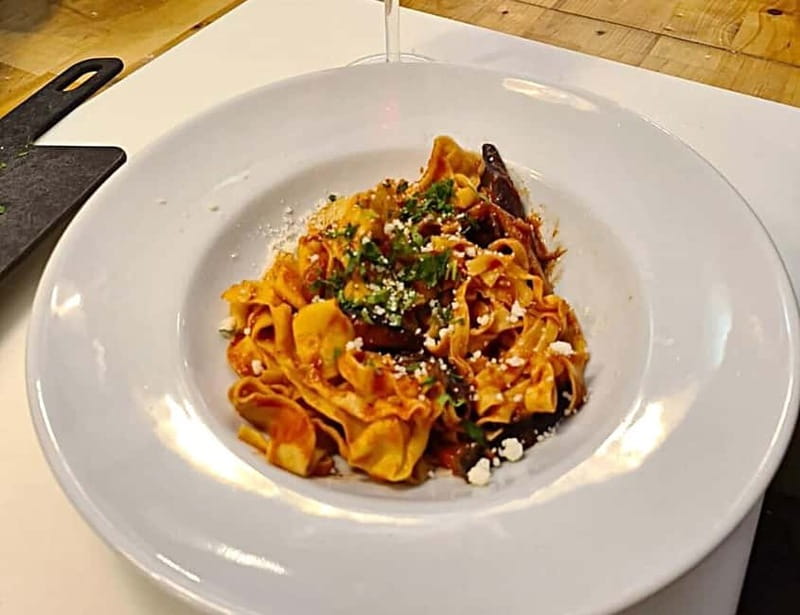
At $50 per person for a 3-hour class, the value depends on what you want out of Rome.
If your goal is a single afternoon of eating, you could find plenty of meals for less. But this isn’t priced like a restaurant. You’re paying for real instruction, hands-on practice with multiple pasta types, and a full eating-and-drinking finish: lunch, wine, plus coffee and limoncello. You also get recipe handouts and a certificate.
In other words, you’re buying both a meal and a skill set. For many people, that’s a good deal because pasta technique is difficult to learn from online videos alone. You need feedback and clear steps, and the structure of the class delivers that.
Based on what you get in the included package, $50 feels fair, especially if you’re traveling with someone and you both want the same guided experience.
Best Match: Who This Class Really Suits
This fits best if you want an authentic-feeling Rome activity that stays practical. It’s also a good pick if:
- You enjoy cooking and want a skill you can repeat at home
- You like food experiences that end with a real sit-down lunch
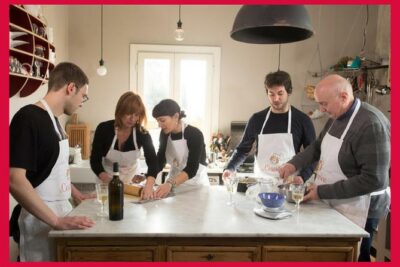
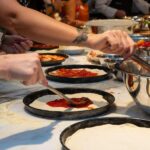
- You’re comfortable meeting new people and working in a shared kitchen setting
- You want an activity that doesn’t require technical training beforehand
It might feel less ideal if you strongly prefer sightseeing over food activities, or if you hate the idea of hands-on work. Pasta is hands-on by nature, and the best results come from paying attention to dough texture and technique.
Who Teaches You: Marco, Humor, and Clear Instructions
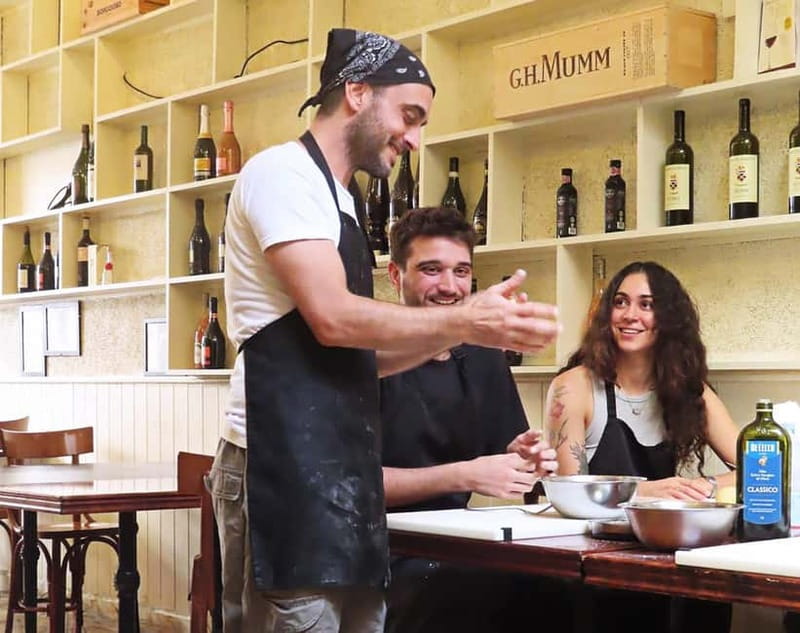
The class is led by a local chef (often referred to as Marco), and the standout theme from recent experiences is the teaching style. The guidance is described as funny and very clear, with step-by-step instructions that help you avoid getting lost.
That matters. Pasta-making is mostly a chain of small steps, and when one step goes wrong, the whole process can feel frustrating. A guide who explains each stage in plain terms keeps the class fun instead of chaotic.
Also, the chef’s stories help connect cooking to culture. Even if you only remember a few details, it gives you something more meaningful than just a recipe.
Should You Book This Pasta Class in Rome?
If you want a Rome activity that feels like learning something real—and you’d like to eat your way through the lesson—this is an easy yes.
Book it if you’re excited by hands-on cooking and you want to leave with recipes plus the confidence to make pasta shapes at home. It’s also a strong choice on days when you’d like a break from walking and want a structured 3-hour experience.
Skip it only if you’re mainly chasing landmarks and don’t want any kitchen time at all. The class is built around dough, filling, shaping, and tasting. That’s the point.
If you can get to YellowSquare Rome, clear about 3 hours, and come hungry for wine, coffee, and limoncello, this will likely be one of the more memorable meals you have in the city.
FAQ
How long is the Rome pasta cooking class?
The class lasts 3 hours.
How much does it cost?
It’s priced at $50 per person.
Where is the meeting point?
The meeting point is the YellowSquare Rome reception.
Is transportation included?
No, transportation to and from the meeting point is not included.
Do I need any prior cooking experience?
No previous experience is needed.
What pasta types will I learn to make?
You’ll make tagliatelle, fettuccine, and ravioli.
What’s included in the meal and drinks?
You’ll have a pleasant lunch with the pasta, including a glass of Italian wine. At the end, you’ll also get coffee and limoncello.
What materials do I receive?
You receive participation certificate and pasta recipes.