REVIEW · SAN GIMIGNANO
Traditional Cooking Class in San Gimignano
Book on Viator →Operated by Tenuta Guardastelle - Agriturismo and vineyard · Bookable on Viator
If you want homemade pasta without guesswork, this class is a great bet. I also love that it’s in a small group (max 12), so you’re not stuck watching from the sidelines. One thing to plan for: it’s not private transportation, so you’ll want a workable way to reach Tenuta Guardastelle.
In This Review
- San Gimignano’s countryside, served on a schedule
- Key takeaways before you book
- Tenuta Guardastelle: where the cooking feels like Tuscany, not a production line
- What you’ll cook: tagliatelle, ragù, chicken cacciatore, and lava cake
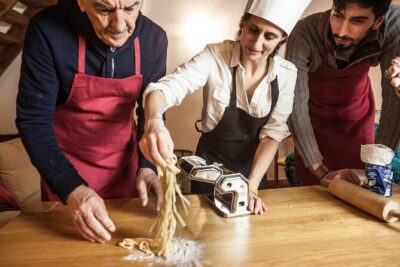
- Tagliatelle pasta dough
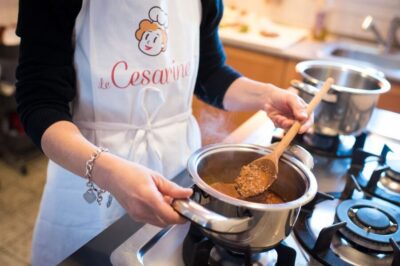
- Homemade ragù
- Chicken cacciatore
- Chocolate lava cake
- Wine from the estate
- How the lesson actually helps you cook later (not just eat today)
- Pasta dough: learn the feel, not just the formula
- Sauces: build flavor in stages
- Dessert timing: the hardest part is control
- The meal part: lunch, dinner, and wine at the table
- Price and value: what $195.18 buys you in real terms
- Logistics in San Gimignano: plan your ride, then relax
- Who this class fits best (and who might want something else)
- What about dietary needs and allergies?
- Chef energy: a class you’ll remember past the recipe
- Should you book this cooking class in San Gimignano?
San Gimignano’s countryside, served on a schedule
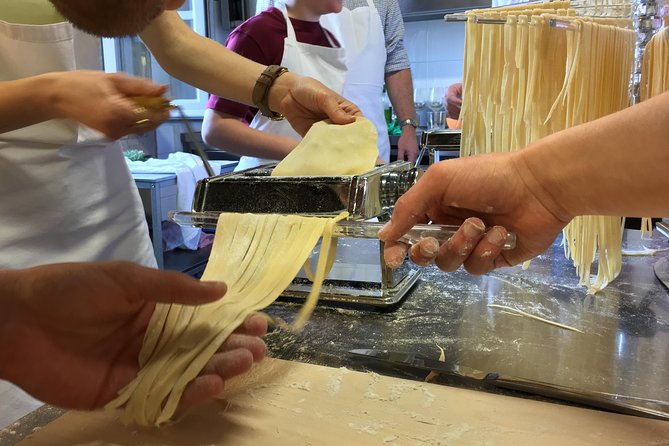
You’ll spend about four hours at Tenuta Guardastelle, a boutique winery and agriturismo setting near San Gimignano. You cook, you eat what you make, and you get wine from the estate plus an apron and recipes to bring home—so the experience doesn’t disappear the next day.
Key takeaways before you book
- Max 12 people means you actually get hands-on coaching, not just a demo.
- Four classic dishes are built into one flow: tagliatelle, ragù, chicken cacciatore, and chocolate lava cake.
- Estate wines are part of the meal, not a separate add-on.
- Apron + take-home recipes help you repeat the dishes at home.
- Dietary adjustments are possible if you tell the team about allergies or vegetarian/vegan needs ahead of time.
You can also read our reviews of more tours and experiences in San Gimignano.


Tenuta Guardastelle: where the cooking feels like Tuscany, not a production line
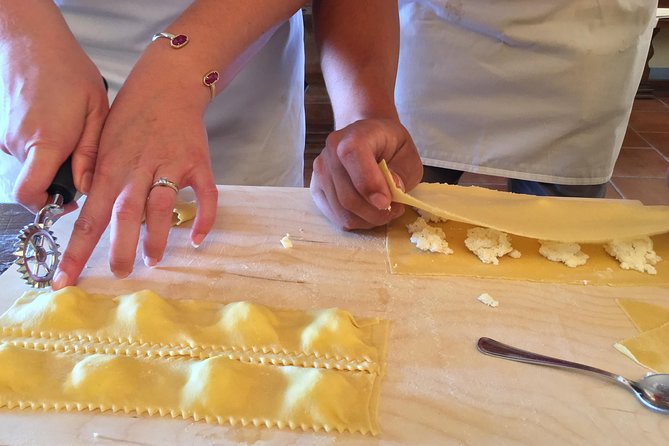
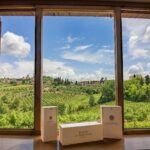
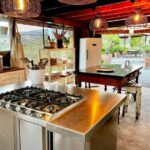
Tenuta Guardastelle puts you in a real working agricultural setting rather than a classroom that happens to have kitchen gear. The meeting point is right at Tenuta Guardastelle in Loc. Sovestro, just outside San Gimignano, so the day starts with the countryside mood already on.
This matters more than it sounds. When a cooking class is tied to the winery and the agriturismo rhythm, you get a more natural pace. The food doesn’t feel like a set of tasks. It feels like a meal you’re building, course by course, with guidance that connects the steps.
There’s also a practical benefit: the class is offered in English, and the group size is capped at 12. That combo usually means fewer communication problems while you’re elbow-deep in dough.
What you’ll cook: tagliatelle, ragù, chicken cacciatore, and lava cake
Here’s the core menu and what it means for your skill-building.
Tagliatelle pasta dough
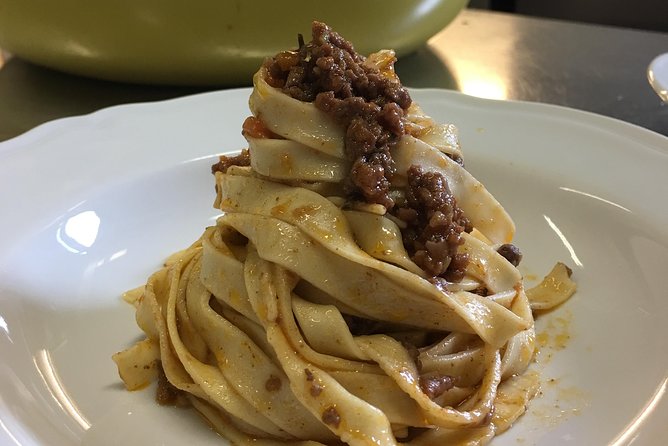
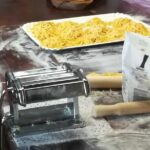
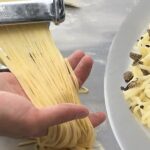
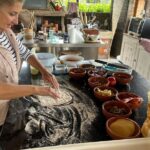
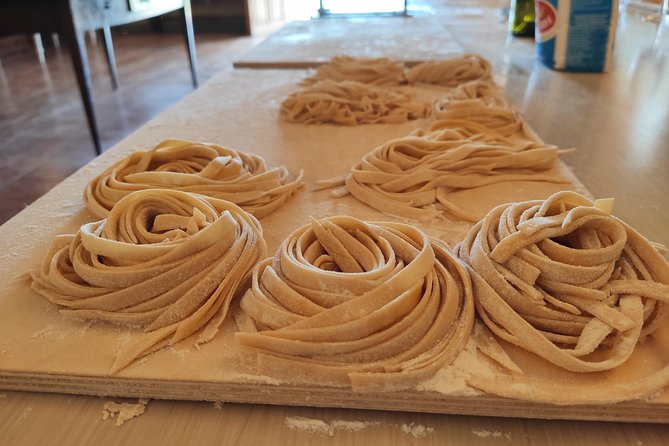
The class focuses on making pasta dough the authentic way, and then using it for tagliatelle. That’s smart for two reasons:
- Tagliatelle teaches you how to work dough into shape without needing fancy molds.
- It’s a “real life” pasta at the table—so you’re not just learning a trick you’ll never use again.
Homemade ragù
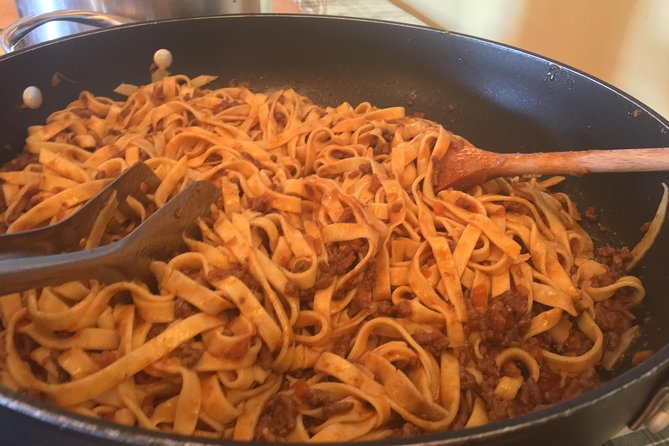
You’ll make a homemade ragù to dress your tagliatelle. Ragù is where many cooking classes either simplify too much or skip the real technique. This one is built around doing it with the group.
Chicken cacciatore
Then you shift gears into chicken cacciatore. It’s a classic Tuscan-friendly dish—savory, comforting, and useful beyond the class—because it teaches how to build flavor in a sauce that feels complete even when you keep it simple.
Chocolate lava cake
Dessert rounds out the day with chocolate lava cake. If you’ve ever tried making one at home and watched it turn into chocolate cake instead of lava, you’ll understand why this is a highlight. Getting the timing and texture right is a skill you can use again.
Wine from the estate
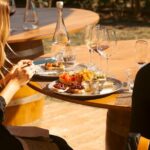
You’ll also have a couple of glasses of wines produced at the estate. In at least one of the experiences described, wines included Vernaccia and Chianti, which is a nice touch because you’re tasting what the estate actually grows.
How the lesson actually helps you cook later (not just eat today)
A good pasta class teaches technique you can repeat. This one is set up to do that, because the menu forces you to practice multiple fundamentals.
Pasta dough: learn the feel, not just the formula
Making dough by hand is one of those skills where measurements only get you halfway. You need the feel: elasticity, softness, and how it behaves when rolled. The class provides the kitchen tools (including a pasta machine), so you can concentrate on the technique instead of hunting for equipment.
You’ll also leave with recipes, which matters for real-world cooking. Without them, you end up recreating from memory and guessing. With them, you can correct course next time.
Sauces: build flavor in stages
Both ragù and chicken cacciatore reward patience and order. You’re learning how to cook components so they taste cohesive. That’s valuable even if you never make exactly the same recipes again. You’ll come away with a mental map of how Italian sauces are layered: what to cook first, what to simmer, and when to stop.
Dessert timing: the hardest part is control
Chocolate lava cake sounds straightforward until you’re timing it in your own oven. Even if your oven isn’t the same, learning what “done enough” looks and feels like helps you stop overcooking. That’s the big win.
The meal part: lunch, dinner, and wine at the table
This class is built around more than cooking practice. You eat what you made. And the structure goes beyond a quick sit-down lunch.
You’ll share:
- Lunch made together during the class
- Dinner made together during the class
- Dessert (the chocolate lava cake) as part of that food flow
- Couple of glasses of estate wine
So you’re not just sampling bites. You’re sitting down and working through courses you made with your own hands.
One detail that really helps the overall experience is the way the meal is served. In the accounts shared, the chef led people to a terrace set table overlooking the countryside. Even if the exact setting varies by day, the point is the same: you’re eating in a Tuscan setting, not in a cramped back room.
Price and value: what $195.18 buys you in real terms
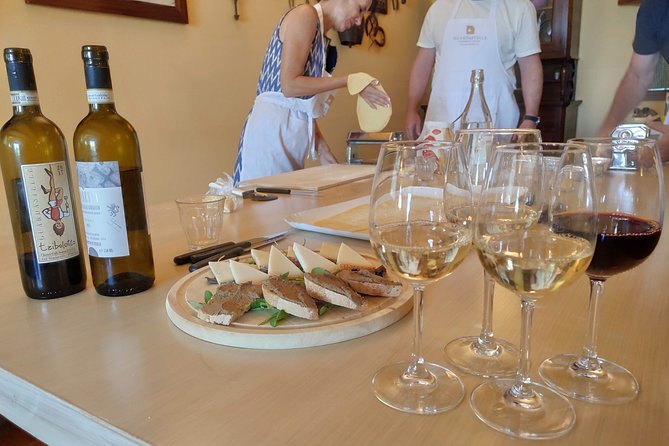
At $195.18 per person for about four hours, this isn’t a budget activity. But it also isn’t just you paying for a cooking lesson.
You’re getting:
- Hands-on instruction with a pasta machine and utensils
- A full food experience: lunch and dinner made during the class
- Estate wine (included in the experience)
- An apron and recipes to take home
- Small-group format (max 12), which reduces the “watching and waiting” feeling
If you compare it to the cost of a good meal plus wine plus a standalone activity, the math starts to make more sense. You’re paying for the whole package: technique + food + the setting + instruction time.
The main value question for you is simple: do you want to cook, or do you just want to eat? If you want to cook and learn, the price looks much more reasonable.
Logistics in San Gimignano: plan your ride, then relax
San Gimignano can be a little tricky for casual hopping around, especially if you’re staying in the historic area. This class helps because the meeting point is fixed and easy to find in systems that handle local tours, and it’s near public transportation.
Still, don’t assume a taxi-level convenience. Private transportation isn’t included, so you’ll want a plan for the trip to Loc. Sovestro. Once you’re there, you’re not moving again—the activity ends back at the meeting point.
Practical note: you’ll want comfortable clothing for hands-on cooking. You might get flour or sauce on you. Italy is romantic, but pasta dough doesn’t do fashion favors.
Who this class fits best (and who might want something else)
This works especially well if:
- You want hands-on pasta skills you can repeat at home
- You like structured cooking with a clear menu (not open-ended browsing)
- You enjoy wine with your meal and like tasting what’s local to the estate
- You’re traveling with a friend or family and want an activity that creates a shared story
It may be less ideal if:
- You hate cooking and mainly want a photo stop
- You’re trying to do this as a quick “add-on” with zero time buffer
- You have complex allergies and haven’t communicated them during booking (the good news: adjustments are possible if you tell them)
What about dietary needs and allergies?
The class notes that you can share allergies, intolerances, and specific diets (including vegetarian/vegan). The menu can be adjusted.
That means your best move is to flag details during booking, not at the last minute. It’s how you keep the experience smooth and make sure everyone sits down to a meal that actually works.
Chef energy: a class you’ll remember past the recipe
One thing that comes through clearly in the experiences shared is the instructor style. Names like Chef Beppe and Chef Federico show up as leading chefs for these sessions, and the teaching approach gets described as both entertaining and knowledgeable.
The takeaway for you: you’re not just getting a list of steps. You’re getting guidance that makes the cooking process feel understandable. Even the pacing of the day—welcome, prep, cook, then eat—feels designed to keep you engaged rather than overwhelmed.
Should you book this cooking class in San Gimignano?
Book it if you want a real Tuscan food day: pasta skills, savory sauces, dessert, and estate wine, all in a tight four-hour window with a small group.
Skip it (or consider another option) if you mainly want sightseeing time, not kitchen time. This is a hands-on class, and that’s the whole point.
If you’re deciding right now, use this checklist:
- You can get yourself to Tenuta Guardastelle (no private transport included).
- You’re excited to cook and eat what you make.
- You’re okay spending ~4 hours on one focused experience.
- You’ll tell them about allergies or dietary needs when you book.
If those boxes are checked, this is the kind of activity that turns into a go-to “I can’t believe we did that” story from your trip.